Summer Fishing Guide
Summer fishing is a study in contrasts. The weather is gorgeous, the days are long, and there is no better time to be on the water. But the fishing itself can…

Summer fishing is a study in contrasts. The weather is gorgeous, the days are long, and there is no better time to be on the water. But the fishing itself can be brutally tough in the middle of the day, when the sun is high and the surface temperature soars. The good news is that summer fish are completely predictable once you understand the heat. Find the right water, fish the right hours, and summer becomes a season of fast action and big numbers.
This guide covers where summer fish go, how to time your trips, and the tactics that consistently produce when the temperature climbs.
How Heat Changes Fish Behavior
Fish are cold-blooded, so the water temperature controls their metabolism and comfort. As the surface heats into the 80s, most gamefish become uncomfortable and seek relief. They look for three things: cooler water, oxygen, and shade. Once you learn to think like an overheated fish, the lake stops feeling empty.
Two summer concepts matter most:
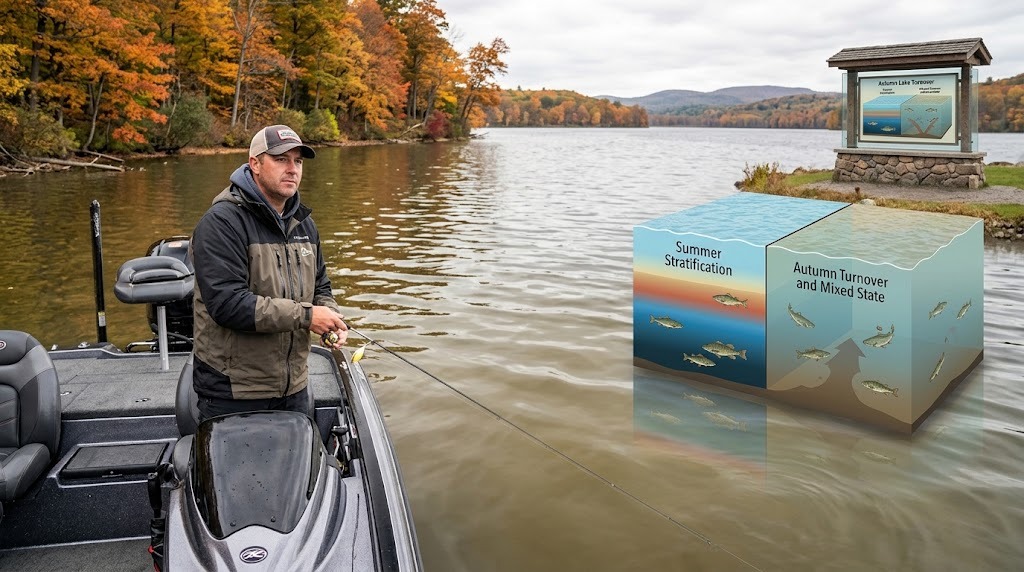
- The thermocline. In many lakes, summer creates a layer where temperature drops sharply with depth. Fish often hold right at or just above this layer because below it the water is cold but low in oxygen. A fish finder will reveal it as a fuzzy band.
- Oxygen. Warm water holds less oxygen. Moving water, wind-blown banks, and incoming creeks all add oxygen and attract fish and baitfish alike.
Best Times to Fish in Summer
Timing matters more in summer than any other season, and a quick look at the best fishing times for your day helps you plan around the low-light windows.
Early Morning
The first two hours after dawn are golden. Water is at its coolest, light is low, and fish move shallow to feed. This is prime topwater time. Be on the water before sunrise.
Evening and Night
The late evening bite mirrors the morning, and many summer anglers switch to night fishing entirely. After dark, fish move shallow, the crowds disappear, and big fish feed with confidence. Night fishing for catfish, walleye, and bass is a summer tradition for good reason.
Midday
Midday is the toughest stretch, but not hopeless. Fish move deep and tight to cover. If you must fish midday, go deep, go to shade, and slow down.
Where to Find Summer Fish
Deep Structure
Many fish abandon the shallows for offshore structure: humps, points, ledges, drop-offs, and brush piles. These spots offer cooler water and ambush points. A fish finder is a huge advantage here, but you can also fan-cast known depth changes.
Shade and Cover
Shade is cooler and gives fish an ambush advantage. Hit docks, overhanging trees, bridges, laydowns, and thick weed mats. Flipping and pitching into heavy cover is a classic summer pattern.
Current and Moving Water
Current breaks up the heat and pumps in oxygen and food. River channels, dam tailraces, creek mouths, and points hit by wind all hold fish. On a still lake, the windy bank is often the best bank.
Weed Lines and Vegetation
Healthy green vegetation produces oxygen and holds baitfish, panfish, and predators. The deep edge of a weed line is one of the most reliable summer spots on any lake.
Summer Tactics and Lures
- Topwater at dawn and dusk: poppers, walking baits, and frogs over mats.
- Deep crankbaits and football jigs for offshore structure.
- Carolina rigs and drop shots to pick apart deep points and humps slowly.
- Texas-rigged soft plastics flipped into shade and heavy cover.
- Live bait under a bobber or on the bottom remains deadly for catfish, panfish, and walleye.
When fish are sluggish in the heat, slow down and downsize. A finesse presentation worked patiently will draw strikes that a fast-moving bait will not.
Beating the Heat as an Angler
Summer fishing safety is not optional. Heat exhaustion ruins trips and can be dangerous.
- Drink water constantly, more than you think you need.
- Wear a wide-brimmed hat, polarized sunglasses, and sun-protective clothing.
- Apply and reapply sunscreen.
- Take breaks in the shade and avoid the worst midday heat.
- Watch for sudden summer thunderstorms and get off the water early if lightning threatens.
Species Notes for Summer
Bass
Bass split into shallow cover fish and deep structure fish. Both patterns work; pick one and commit. Frogs over matted grass are a summer thrill.
Catfish
Summer is peak catfish season. They feed actively in warm water, especially at night. Fish cut bait or stinkbait on the bottom near channels and holes.
Panfish and Crappie
Bluegill stay catchable around docks and shade all summer. Crappie pull out to deep brush and standing timber; vertical jigging over cover produces.
Walleye and Trout
Walleye go deep and bite best low-light and at night. Trout in lakes follow cool water down to the thermocline; in streams, find them in shaded, oxygen-rich riffles and pools.
Conclusion
Summer fishing is not hard once you respect the heat. Fish early and late, go deep or to shade in the middle of the day, and always look for cooler, oxygen-rich water. Protect yourself from the sun, stay hydrated, and consider giving night fishing a try. Do that, and the long days of summer will give you some of the most enjoyable fishing of the year.
🛒 Recommended Gear on Amazon
- Topwater frog lures - browse current options and reviews on Amazon.
- Deep-diving crankbaits - browse current options and reviews on Amazon.
- UPF 50 fishing shirt - browse current options and reviews on Amazon.
As an Amazon Associate, we earn from qualifying purchases - at no extra cost to you. This helps us keep producing free, in-depth guides.