Bullhead Catfish
The bullhead is the everyman's catfish - small, abundant, hardy, and almost universally available, the fish that has introduced generations of American anglers to the simple joy of bait fishing.
🗓️ Last reviewed: June 2026
Overview
The bullhead is the everyman's catfish - small, abundant, hardy, and almost universally available, the fish that has introduced generations of American anglers to the simple joy of bait fishing. While the channel, blue, and flathead catfish grab the trophy headlines, the humble bullhead quietly provides more easy, accessible, sit-on-the-bank fishing than perhaps any other species. There are three common species: the black bullhead, the brown bullhead, and the yellow bullhead, all small members of the catfish family found across nearly the entire country. Bullheads bite readily, fight scrappily on light tackle, and make excellent eating. For relaxed evening fishing, for kids, and for anyone who wants a near-guaranteed catch, the bullhead delivers.
Identification & Appearance
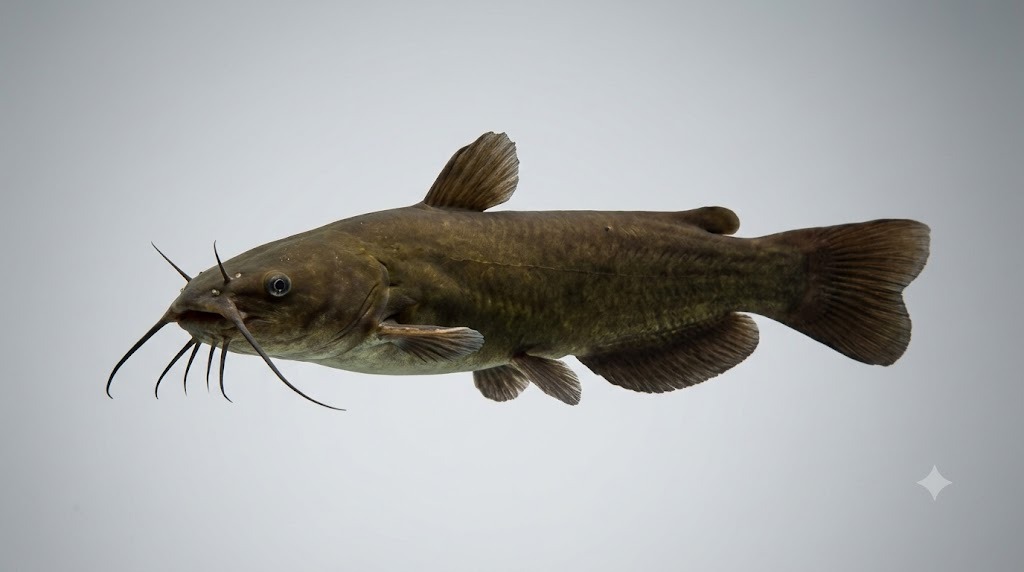
Bullheads are stout-bodied, smooth-skinned, scaleless fish with the broad, flat head and characteristic eight whisker-like barbels of the catfish family - four under the chin, two at the corners of the mouth, two on top. The defining feature that separates bullheads from the larger channel and blue catfish is the tail: bullheads have a squared-off or only slightly notched tail, never the deep fork of a channel cat. They are small, generally drab fish. The black bullhead is dark olive to black with a pale belly; the brown bullhead is mottled brown; the yellow bullhead is yellowish to olive with distinctly pale, whitish or yellow chin barbels. All have sharp, mildly venomous spines in the pectoral and dorsal fins that can deliver a painful sting if handled carelessly. Adults typically run 8 to 14 inches.
Range & Habitat (US waters)
Bullheads are among the most widely distributed freshwater fish in the United States, found in nearly every state across the lower 48. Black bullheads are especially widespread through the central and eastern country; brown bullheads favor the East and have been stocked widely; yellow bullheads prefer clearer water and are common in the East and Midwest. Bullheads are extraordinarily hardy and tolerant, thriving in warm, slow, often murky, low-oxygen water that would kill most gamefish: ponds, small lakes, sluggish rivers and creeks, ditches, sloughs, backwaters, and farm ponds. They favor soft, muddy bottoms and quiet water.
Behavior & Feeding
Bullheads are bottom-dwelling omnivorous scavengers that feed largely by smell and touch. Their barbels are packed with taste and smell receptors, allowing them to locate food in muddy water and total darkness. They eat almost anything: worms, insect larvae, crustaceans, snails, small fish, fish eggs, plant matter, and decaying organic material. They are most active at dusk, after dark, and on overcast days, when they move and feed in the shallows; in bright daylight they tend to hold near the bottom in cover or deeper water. Bullheads are highly tolerant of poor conditions and remain active across a wide range of temperatures. They spawn in late spring and early summer, with parents famously guarding their young in dense, dark schools.
Best Seasons & Times to Catch
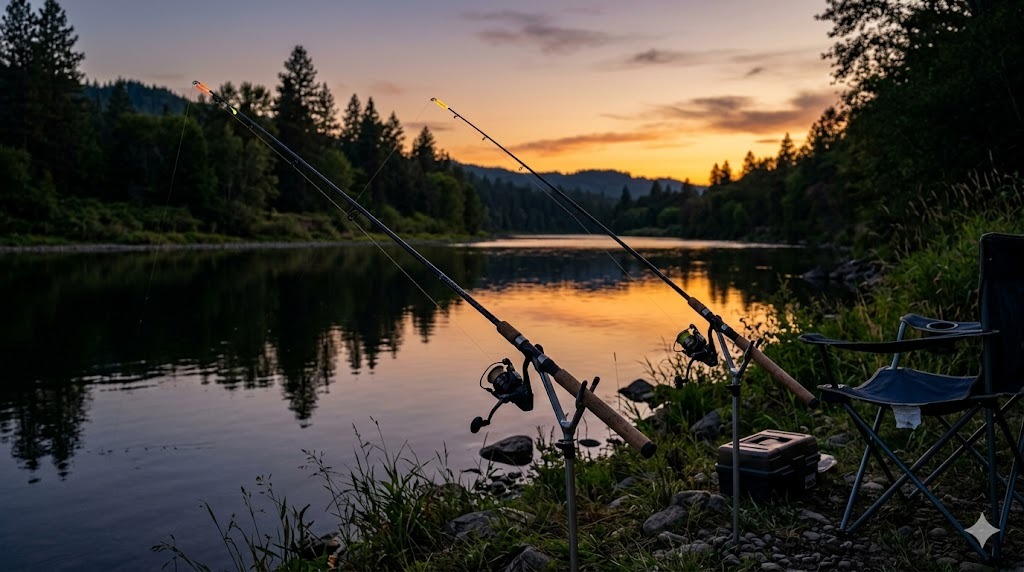
Bullheads can be caught throughout the open-water season, but the prime time is late spring through summer, when warm water has them feeding aggressively. Early spring, as water warms, brings the first good fishing. The best time of day is the evening and into the night - bullheads are strongly nocturnal feeders, and the period from sundown onward is classic bullhead time. Overcast, drizzly days extend the bite into daylight hours. Warm summer nights on a quiet pond bank are the heart of bullhead fishing. They slow down in cold water but are otherwise dependable.
Where to Find Them - Reading the Water
Bullheads relate to soft, muddy bottoms in warm, quiet water. Productive spots include the deeper holes of ponds and small lakes, slow river backwaters and eddies, the soft-bottomed margins of slow creeks, near inflows and culverts, and around any cover such as submerged wood, weed edges, and undercut banks. After dark, bullheads move shallow to feed, so the shallow flats and shorelines that seem empty by day become prime at night. They congregate in holes and depressions. Almost any warm pond or sluggish stream with a mud bottom holds bullheads, making them one of the easiest fish to locate.
Tackle & Rigs
Bullhead fishing requires nothing fancy. A light to medium spinning or spincast rod, 6 to 7 feet, with 6- to 12-pound monofilament handles them easily, and a basic combo is perfect for beginners. The standard rig is a simple bottom rig: a sliding egg sinker or a split shot above a barrel swivel, a short leader, and a #4 to #2 baitholder hook. A slip-sinker (Carolina) rig lets a bullhead pick up the bait without feeling resistance. A small bobber rig works in shallow water. Use a hook removal tool or pliers - bullheads swallow bait deeply, and their spines make careful handling important.
Best Baits & Lures
Bullheads are bait fish, not lure fish, and they are not picky. The number-one bait is a nightcrawler or garden worm - hard to beat. Other excellent baits include chicken liver, cut bait, prepared stinkbaits and dough baits, shrimp, hot dog pieces, and crawfish. Because bullheads hunt by smell, strong-scented baits are especially effective, and stinkbaits are a bullhead staple. Fresh bait outproduces stale bait. Lures rarely enter the picture, though a bullhead will occasionally take a slow-worked jig tipped with bait. Keep it simple: a gob of worms on a bottom rig will catch bullheads almost anywhere.
Techniques - How to Fish for It
The technique is relaxed and straightforward: bait a bottom rig, cast it out to a likely hole or shoreline, set the rod on a forked stick or rod holder, and wait. Bullheads find the bait by scent, so patience is rewarded; let the fish take the bait and pull steadily before setting the hook. Fishing two or three rods spreads out the bait. Evening and night fishing is most productive - set up before dark and fish into the night. Once a bullhead is hooked, the fight is a determined, scrappy tug. When handling the fish, grip it carefully behind the pectoral spines to avoid a painful sting.
Common Mistakes
The most common mistake is grabbing a bullhead carelessly and getting stung by the sharp pectoral and dorsal spines - always handle them with care, gripping behind the spines or using a glove. Anglers also fish in bright midday instead of the far more productive evening and night hours. Because bullheads swallow bait deeply, not bringing pliers or a hook remover leads to messy unhooking. Some anglers overcomplicate the setup; simple is better. Finally, using stale bait when bullheads, as scent feeders, respond best to fresh, smelly offerings reduces the catch.
Size, Records & Eating Quality
Bullheads are small catfish, most commonly 8 to 12 inches and under a pound; a fish over a pound is a good one, and the largest brown bullheads can exceed 3 pounds. The all-tackle world records for the three species range from roughly 4 to 7 pounds. Eating quality is genuinely good - bullheads have firm, white, mild flesh, and they are a traditional, popular eating fish. The key is the water: bullheads from clean, cool water taste excellent, while those from warm, muddy ponds can have a muddy flavor that soaking the fillets in saltwater or milk helps reduce. Skinned and fried, bullheads are a classic shore-lunch fish.
Pros & Cons (as a target species)
Pros: extremely abundant and widely available across nearly the whole country; very easy to catch on simple, cheap gear; bite readily, especially at night; hardy and present even in marginal water; good eating; perfect for kids and relaxed bank fishing. Cons: small size with little trophy potential; sharp, stinging spines require careful handling; swallow bait deeply, complicating release; flavor varies with water quality; nocturnal habits mean the best fishing is after dark; not a fish that excites trophy or sport-focused anglers.
Best Suited For
Bullheads are perfect for beginners, kids, and families who want a near-guaranteed, low-cost, low-stress catch, and for anyone who enjoys a relaxed evening on a pond bank. They suit shore anglers without a boat, anglers seeking an easy meal of fish, and night-fishing enthusiasts who like the quiet, social pace of waiting for a bite by lantern light. They are less suited to anglers chasing size, sport, or a challenge, but as the friendliest, most accessible catfish in America, the bullhead has earned its place as a beloved starter fish.
FAQ
How is a bullhead different from a channel catfish? The easiest tell is the tail: bullheads have a squared-off or only slightly notched tail, while channel catfish have a deeply forked tail. Bullheads are also much smaller and stockier.
Do bullheads sting? Bullheads have sharp, mildly venomous spines in their pectoral and dorsal fins that can deliver a painful sting if you grab the fish carelessly. Hold a bullhead by gripping behind the pectoral spines, or use a glove.
What is the best bait for bullheads? A nightcrawler or garden worm is the top all-around bait. Chicken liver, cut bait, prepared stinkbaits, and shrimp also work very well, since bullheads feed by smell and love strong-scented baits.
When should I fish for bullheads? Evening and night are best, as bullheads are strongly nocturnal feeders. Late spring through summer is the prime season, and overcast days can produce daytime action.
Are bullheads good to eat? Yes - they have firm, white, mild flesh and are a traditional eating fish. Bullheads from clean, cool water taste best; those from warm, muddy ponds can be muddy-flavored, which soaking the fillets helps reduce.