Common Carp
The common carp is one of the most misunderstood fish in American fresh water.
🗓️ Last reviewed: June 2026
Overview
The common carp is one of the most misunderstood fish in American fresh water. Long dismissed as a "rough fish" or trash species, the carp is in fact a powerful, intelligent, hard-fighting quarry that anglers across Europe and a growing number in the United States pursue with genuine passion. Carp grow large, fight relentlessly, are abundant and widespread, and can be caught from the bank in city parks, big rivers, and reservoirs alike. They are wary and challenging, rewarding the angler who learns their habits with screaming runs and double-digit fish. The dedicated, technical sport of carp fishing - with its specialized rigs, baits, and gear - has finally taken root in North America, and for good reason.
Identification & Appearance
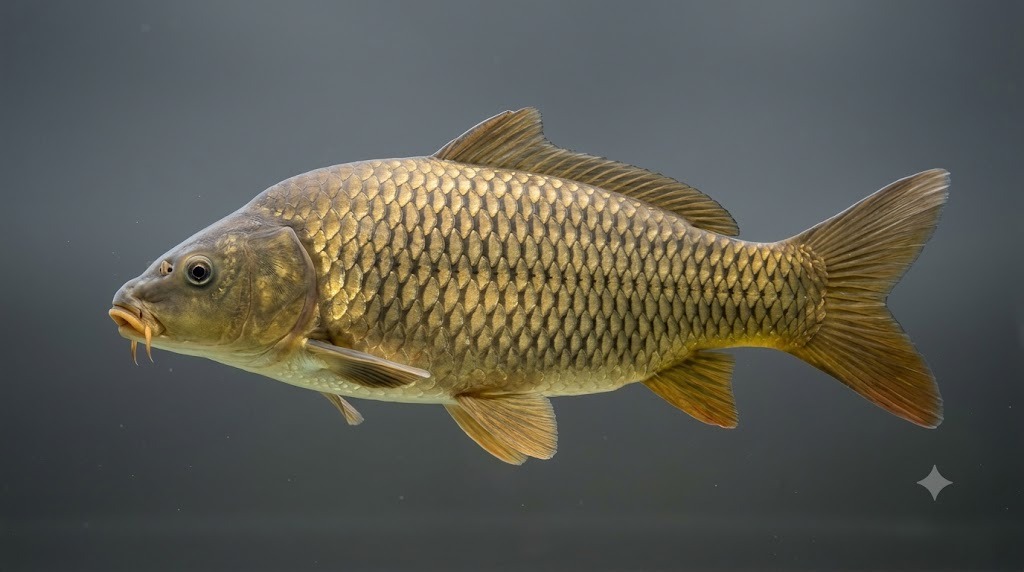
The common carp is a large, heavy-bodied, deep fish with big, coarse scales and a thick, muscular build. Color ranges from brassy gold and bronze to olive and brown, with a yellowish belly. The key identification features are a pair of fleshy barbels at each corner of the rubbery, protrusible, downturned mouth - four barbels total - and a long dorsal fin with a serrated leading spine. The forked tail and lower fins often carry an orange or reddish tint. Several varieties exist: the fully scaled common carp, the partially scaled mirror carp with large irregular scales, and the nearly scaleless leather carp. All are the same species. Adults commonly run 5 to 20 pounds, with much larger fish present.
Range & Habitat (US waters)
Originally native to Eurasia, the common carp was introduced to the United States in the 1800s and is now established in all 48 contiguous states. It is one of the most widely distributed freshwater fish in the country. Carp thrive in warm, slow, often turbid water: large rivers and their backwaters, reservoirs, lakes, ponds, canals, and urban waterways. They tolerate low oxygen, warm temperatures, and pollution far better than most gamefish, which lets them flourish in marginal water where other species struggle. They favor soft, muddy or silty bottoms rich in the invertebrates they root for.
Behavior & Feeding
Carp are bottom-feeding omnivores that root through soft sediment with their protrusible mouths, vacuuming up insect larvae, worms, crustaceans, mollusks, seeds, and vegetation. They use their barbels to taste and locate food. Carp are intelligent and can become genuinely wary in pressured water, learning to avoid suspicious baits and rigs - which is why technical presentation matters. They often feed in groups and betray their presence by clouding the water, sending up bubbles, or "crashing" and rolling at the surface. They are most active in warm water and feed heavily through the warm months. Carp spawn in late spring and early summer in shallow, weedy areas, often with splashy, conspicuous activity.
Best Seasons & Times to Catch
Carp fishing is best from late spring through early fall, when warm water has them feeding aggressively. Late spring, around and after the spawn, brings hungry fish into the shallows. Summer is prime, with carp feeding actively, especially in the early morning and evening and overnight. Fall offers a strong feeding window as carp build reserves for winter. Carp can be caught in cooler weather too, but they slow markedly in cold water. Watch for surface activity - rolling and bubbling fish reveal feeding areas at any time of day.
Where to Find Them - Reading the Water
Look for warm, food-rich, soft-bottomed areas. Productive spots include river backwaters and slack-water bays, shallow flats with mud or silt, the mouths of feeder creeks, weed edges, dam tailraces, and warm-water discharges. Reed beds, overhanging trees, and any cover near a feeding flat hold carp. Watch the water itself for signs: clouds of stirred-up mud, streams of small bubbles, and fish rolling or crashing on top all mark feeding carp. Carp often patrol the same routes, so areas where you see consistent activity are worth pre-baiting and fishing repeatedly.
Tackle & Rigs
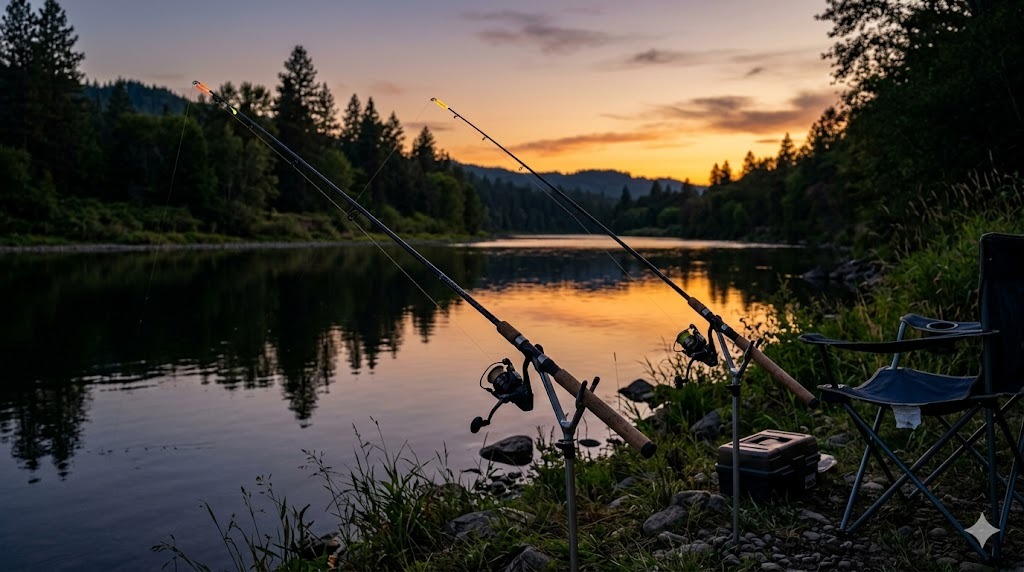
Dedicated carp anglers use 10- to 13-foot carp rods rated around 2.5 to 3.5 pounds test curve, paired with large baitrunner-style reels and 10- to 20-pound monofilament or braid. A medium-heavy spinning or casting bass rod also works fine for occasional carp. The standard terminal setup is a hair rig: the bait is mounted on a short "hair" of line beside the hook rather than on the hook itself, so the hook is free to take hold in the carp's mouth. This is fished with a heavy lead in a fixed or running setup, often a method feeder or in-line lead. Rod pods and bite alarms are common but not essential - a simple bank stick and a watchful eye work too.
Best Baits & Lures
Carp are caught on bait, not lures. Sweet corn is the classic, deadly, inexpensive starting bait. Boilies - round, flavored, hardened paste baits - are the standard of modern carp fishing and come in countless flavors. Other excellent baits include canned or prepared field corn, bread (flake, crust, or punch), dough baits and packbaits, tiger nuts, chickpeas, and worms. Pack bait and method-feeder mixes deliver a cloud of attractant around the hookbait. Pre-baiting, or chumming, a spot with free offerings over several days conditions carp to feed there confidently and dramatically improves results.
Techniques - How to Fish for It
The core method is bottom fishing with a hair rig and a heavy lead. Cast the rig to a feeding area, often a pre-baited spot, place the rod on a rest with the line semi-tight or on a baitrunner, and wait for a screaming run. A method feeder packed with groundbait delivers attractant right at the hook. Surface fishing with floating bread or dog-biscuit baits is exciting when carp feed up top on warm days. Float fishing close in catches feeding fish in margins and shallows. Whatever the method, patience and a quiet, low-profile approach pay off - and when a big carp runs, let it take line and fight it on a smooth drag.
Common Mistakes
The biggest mistake American anglers make is treating carp like an accidental catch instead of using proper technique - a hair rig dramatically out-hooks a bait jammed on a hook. Anglers also skip pre-baiting, which is one of the most powerful tools in carp fishing. Using line and hooks too light for these powerful fish leads to break-offs. Many fish the wrong water - clear, infertile lakes instead of warm, food-rich, soft-bottomed areas. Finally, careless, noisy bank presence spooks wary carp; a quiet, patient approach matters.
Size, Records & Eating Quality
Common carp average 5 to 15 pounds in most U.S. waters, with 20-pound-plus fish common in good water and true giants beyond. The all-tackle world record common carp is 75 pounds 11 ounces, caught in France in 2013; the U.S. record is in the low 50-pound range. Eating quality is debated: carp flesh is firm and can be tasty when the fish comes from clean, cool water and is properly prepared - smoked, ground into cakes, or scored to soften the intermuscular bones - but carp from warm, muddy water can taste muddy, and the species is bony. Most American carp anglers practice catch-and-release.
Pros & Cons (as a target species)
Pros: large size and powerful, dogged fights with long runs; extremely abundant and widely distributed, including in urban waters; accessible bank fishing; inexpensive baits; a genuine technical challenge that rewards skill; relatively underfished in the U.S. Cons: undeserved "trash fish" stigma; require patience and waiting; bony and variable as table fare; can be wary in pressured water; specialized gear and rigs improve results, adding a learning curve.
Best Suited For
Common carp are ideal for anglers who want big, hard-fighting fish accessible from the bank without a boat, and for those who enjoy a thoughtful, technical pursuit involving rigs, baits, and pre-baiting strategy. They suit city and suburban anglers with carp-filled local waters, patient anglers who like a relaxed but rewarding session, and anyone seeking trophy-sized freshwater fish on a budget. They are less suited to anglers who want constant action, who fish strictly for the table, or who dislike waiting for a bite.
FAQ
Are carp good to eat? They can be. Carp from clean, cool water are firm and flavorful when prepared well - smoked, made into fish cakes, or scored to deal with the bones. Carp from warm, muddy water can taste muddy. Most U.S. carp anglers release their catch.
What is a hair rig and why use it? A hair rig mounts the bait on a short length of line ("the hair") next to the hook rather than on the hook itself. This leaves the hook point exposed, so when a carp sucks in the bait, the hook can take hold cleanly. It dramatically improves hookups.
What is the best bait for carp? Sweet corn is the classic, cheap, highly effective starting bait. Boilies are the standard of modern carp fishing. Bread, prepared corn, tiger nuts, and dough baits also work very well.
Do I need special carp gear? Not to start - a medium-heavy bass rod with 12- to 15-pound line will catch carp. Dedicated long carp rods, baitrunner reels, and rod rests make targeting big fish easier and more effective, but they are optional.
Why is pre-baiting so important? Carp are intelligent and patrol feeding areas. Putting free bait in a spot over several days conditions carp to feed there with confidence, which greatly increases your chances when you finally fish it.