Black Sea Bass
The black sea bass is a hardy, hard-pulling bottom fish that has become a favorite of party-boat regulars and structure anglers all along the Atlantic coast.
🗓️ Last reviewed: June 2026
Overview
The black sea bass is a hardy, hard-pulling bottom fish that has become a favorite of party-boat regulars and structure anglers all along the Atlantic coast. Often simply called "sea bass" or "blackfish" in some regions (though true blackfish is the tautog), this stout little reef dweller punches well above its weight. It hammers a bait, fights with stubborn dives toward structure, and rewards anglers with sweet, flaky white fillets that rank among the finest table fare in the ocean. Black sea bass are accessible, willing biters, and abundant enough to keep a cooler filling - making them an excellent species for newcomers and a reliable target for veterans on a slow day.
Identification & Appearance
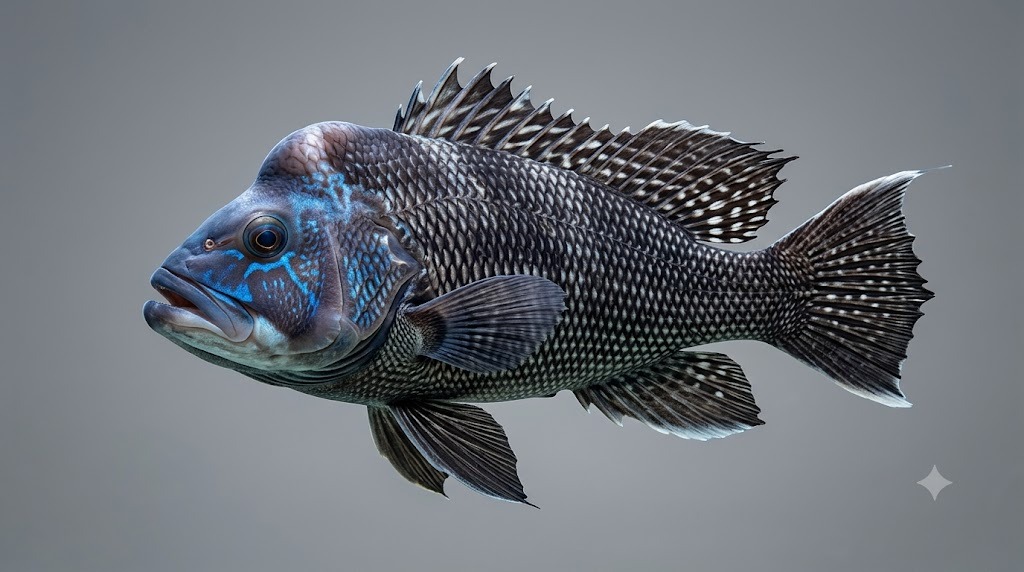
Black sea bass are robust, deep-bodied fish with a rounded head and a continuous spiny-and-soft dorsal fin. Coloration ranges from smoky gray to dark blue-black, often with light spots or speckling that form faint horizontal stripes. Large dominant males develop a distinctive fleshy hump on the nape and a bright blue tint around the eyes and head, along with elongated streamers off the upper tail lobe - a striking display fish in spawning season. The mouth is large with small, sharp teeth. Black sea bass are notable for being protogynous hermaphrodites: most begin life as females and a portion later transform into males as they grow larger.
Range & Habitat (US waters - inshore / offshore)
Black sea bass are found from the Gulf of Maine south to Florida and into the eastern Gulf of Mexico, with the northern and southern populations managed separately. They are structure-obsessed bottom fish. Inshore, smaller fish hold around jetties, bridge rubble, mussel beds, and inshore wrecks. The larger "humpback" knothead bass live on offshore wrecks, reefs, rock piles, and live-bottom areas in 60 to 200-plus feet of water. In the Mid-Atlantic and Northeast, the fish make seasonal migrations - moving inshore and shallow in the warm months and retreating to deeper offshore structure in winter.
Behavior & Feeding
Black sea bass are aggressive, opportunistic ambush predators that hold tight to hard structure and pounce on anything edible drifting past. Their diet includes crabs, shrimp, small fish, squid, clams, and worms. They are competitive feeders - when a school is fired up, baits rarely reach the bottom untouched, and multiple hookups on a single rig are common. They relate closely to the highest-relief structure available, often stacking up on the up-current edges of wrecks where current sweeps food to them. Larger males establish dominance on prime structure.
Best Seasons & Times to Catch
Seasons vary by region and are tightly regulated, so always check current rules. Generally, the warm months from late spring through fall offer the most consistent inshore action in the Northeast and Mid-Atlantic, while winter pushes fish to deeper offshore structure where dedicated party boats target them. In the South Atlantic, fishing is productive much of the year on offshore live-bottom. Black sea bass bite well throughout the day, but moving water - the stronger phases of the tide - turns them on. Slack tide typically slows the action noticeably.
Where to Find Them - Reading the Water
Find the structure and you find the fish. Wrecks, reef rubble, rock piles, mussel and clam beds, bridge debris, and any sharp bottom relief on the sounder are prime. Use your electronics to identify the highest-profile structure and note where fish are marking. The up-current side and edges of a wreck usually hold the most aggressive fish. Inshore, jetty rocks and hard mussel bottom produce keepers. When a spot stops producing, move - sea bass schools are localized, and a short hop to fresh structure often reloads the bite.
Tackle & Rigs
For inshore and shallow-water sea bass, a 7-foot medium spinning or conventional rod with 20 to 30-pound braid is plenty. For deeper offshore wrecks, step up to a stout conventional bottom rod with 40 to 50-pound braid to handle current and sinker weight. The classic rig is the high-low (double dropper) rig with two hooks on dropper loops above a bank sinker, sized 4 to 12 ounces depending on depth and current. A simple single-hook bottom rig works well too. Use 2/0 to 4/0 hooks. Many anglers also do well jigging with metal or bucktail jigs tipped with bait, which often selects for larger fish.
Best Baits & Lures
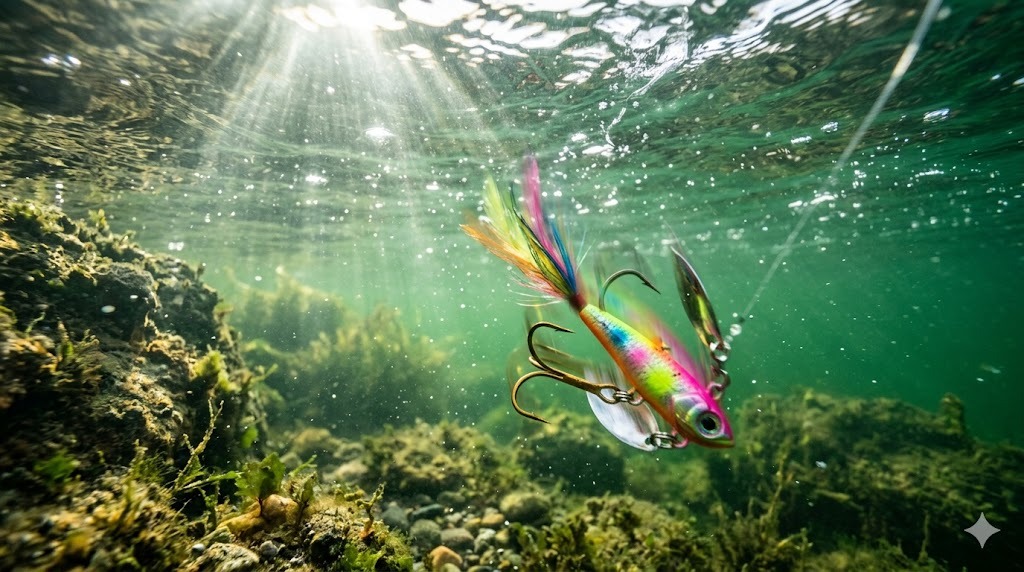
Squid strips are the workhorse bait - tough, cheap, and irresistible. Clams, cut fish such as mackerel or bunker, sand worms, and live or fresh-killed crabs all produce. For larger "humpback" bass, fresh whole baits and clam bellies often out-fish smaller offerings. On the lure side, bucktail jigs, diamond jigs, and small soft-plastic-tipped jigs are deadly, especially when worked just above structure. Tipping a jig with a squid strip combines the appeal of both. When the bite is hot, sea bass aren't picky - when it's slow, fresh bait makes the difference.
Techniques - How to Fish for It
The standard approach is dropping a baited bottom rig straight down onto structure and keeping it in the strike zone just above the wreck. Lower until you feel the sinker tap bottom, then lift slightly so the hooks ride just above the snags. Sea bass hit hard, but resist setting the hook on the first tap - let them load the rod, then lift firmly and reel steadily to pull the fish away from structure before it can dive back in. For jigging, drop to bottom, snap the jig up sharply a few feet, and let it flutter back down. Drift fishing or anchoring over structure both work; position the boat so baits land on the productive up-current edge.
Common Mistakes
A frequent error is letting the rig sit flat on the bottom in the snags, leading to constant break-offs and missed bites. Keep the bait just above structure. Another mistake is over-setting on the first tap - sea bass often peck before committing, so let them eat. Fishing too light a sinker in current causes your rig to sweep off the structure entirely. Anglers also stay too long on a dead spot; sea bass are localized, so move when the bites stop. Finally, ignoring regulations on size, season, and bag limit can be costly - these are heavily managed fisheries.
Size, Records & Eating Quality
Most keeper black sea bass run 1 to 3 pounds. A quality fish is 3 to 5 pounds, and a true "humpback" knothead over 5 pounds is a trophy. The IGFA all-tackle world record is 10 pounds 4 ounces, caught off Virginia Beach. On the table, black sea bass are exceptional - sweet, firm, snow-white fillets that hold up to nearly any cooking method and are prized in restaurants. They are also easy to clean, making them one of the most rewarding bottom fish to bring home.
Pros & Cons (as a target species)
Pros: aggressive, willing biters; abundant on structure; excellent eating; accessible from party boats and small craft; multiple hookups keep the action lively; great fish for introducing newcomers. Cons: small average size; live in snaggy structure that eats tackle; tightly regulated with restrictive seasons and limits; sharp dorsal spines and gill plates demand careful handling.
Best Suited For
Black sea bass are perfect for anglers who want dependable bottom-fishing action and a great meal without needing exotic skills or a long-range boat. They are an outstanding choice for party-boat anglers, families, and beginners learning to fish structure, while still offering veterans a fun light-tackle or jigging challenge when they target the bigger humpbacks. Anglers chasing screaming pelagic runs should look elsewhere, but for steady, satisfying fishing and superb fillets, sea bass deliver.
FAQ
Are black sea bass and tautog the same fish? No. Tautog are sometimes called "blackfish," which causes confusion, but they are a different species with thick rubbery lips for crushing crabs. Black sea bass have a more pointed mouth and live on similar structure.
Why do some black sea bass have a hump on the head? The fleshy nape hump and bright blue coloring identify large dominant males. Black sea bass change sex, with many fish transforming from female to male as they grow.
What is the best bait for black sea bass? Squid strips are the most reliable all-around bait. Clams, cut fish, and crabs also work well, and bigger fish often prefer fresh whole baits.
How do I avoid getting snagged on the wreck? Drop your rig to the bottom, then lift it so the hooks ride just above the structure. Use enough sinker weight to hold position, and pull hooked fish up quickly before they dive back into the snags.
Are black sea bass good to eat? Yes - they are among the best-eating bottom fish, with sweet, firm, white fillets that are popular in restaurants and easy to prepare at home.