Cobia
The cobia is a bruising, powerful, and uniquely solitary fish that has earned cult-like devotion among coastal anglers from Virginia to Texas.
🗓️ Last reviewed: June 2026
Overview
The cobia is a bruising, powerful, and uniquely solitary fish that has earned cult-like devotion among coastal anglers from Virginia to Texas. Often mistaken at a distance for a shark, the cobia is a curious, brown, torpedo-shaped predator that cruises just under the surface around buoys, wrecks, rays, and channel markers. It is one of the few saltwater game fish you can realistically hunt by sight from the bow of a boat - spotting a single fish, casting to it, and watching it eat. Cobia fight with raw, dogged power, grow to triple-digit weights, and produce thick, white, restaurant-grade fillets. For sight-fishing thrills and big-fish payoff close to shore, few species rival the cobia.
Identification & Appearance
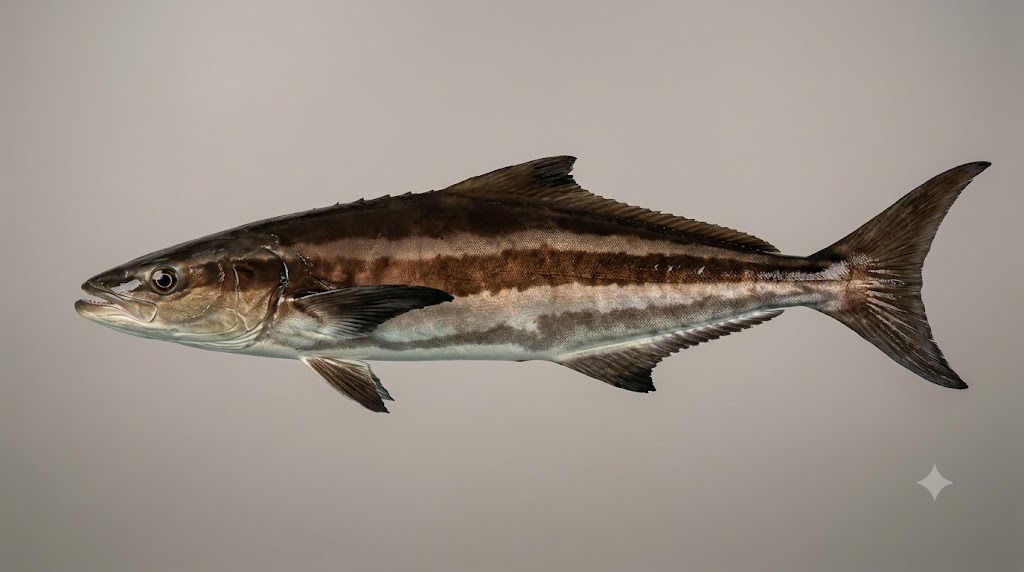
Cobia have a long, broad, somewhat flattened body that is dark chocolate-brown on the back fading to a paler belly, usually with a darker lateral stripe running from the snout through the eye to the tail. The head is broad and flat, the lower jaw projects slightly, and a row of short, stiff spines precedes the soft dorsal fin. The first dorsal looks like a series of small isolated spikes. Juveniles are boldly marked with dramatic black-and-white horizontal stripes, which causes them to be confused with remoras. At a distance, an adult cobia's brown profile and broad head are frequently mistaken for a shark - a useful clue when scanning the surface.
Range & Habitat (US waters - inshore / offshore)
Cobia range throughout the western Atlantic and Gulf of Mexico, common from the Chesapeake Bay region south around Florida and across the Gulf to Texas. They inhabit both nearshore and offshore waters and famously make seasonal migrations along the coast. They are drawn to structure and to anything that casts a shadow or holds bait: buoys, channel markers, navigation towers, wrecks, reefs, weed lines, and floating debris. Cobia are also notorious for shadowing large rays, sea turtles, sharks, and even manatees, using the larger animal to flush prey. They will run well up into bays and sounds, especially around the Chesapeake in late spring.
Behavior & Feeding
Cobia are opportunistic, voracious predators with a particular love of crabs, eels, and baitfish. Their habit of following large animals is a feeding strategy - they snatch prey stirred up by a cruising ray or shark. They are intensely curious and will often swim right up to a boat to investigate, which is the foundation of cobia sight-fishing. A cobia frequently follows a hooked fish or a teaser right to the surface. They can be aggressive eaters but are also famously moody, sometimes refusing every offering after a long inspection. When hooked, they fight with bulldogging power and surprising stamina, and a green cobia on deck can wreck a cooler.
Best Seasons & Times to Catch
Cobia fishing is heavily seasonal and migration-driven. Along the Atlantic coast, the spring migration brings fish past the Carolinas and into Virginia waters from roughly April into June, the peak sight-fishing window. In the Gulf of Mexico, the spring run sweeps along the northern Gulf beaches from March through May. Cobia are present through the warmer months in many southern areas. Bright, calm, sunny days with good visibility are essential for sight-fishing, since you need to spot fish near the surface. Mid-day light is often best for seeing into the water.
Where to Find Them - Reading the Water
Sight-fishing for cobia means slowly idling along and scanning the surface for that brown, broad-headed shape. Check every buoy, channel marker, crab-pot float, and piece of floating debris - cobia love shade and structure. Watch for rays "flapping" along the surface and for sharks and turtles, then look behind and beneath them for following cobia. Color changes, weed lines, and nearshore wrecks all concentrate fish. When not sight-fishing, anchoring up-current of a wreck or buoy and chumming brings cobia within casting range. Polarized sunglasses and an elevated vantage point, such as a tower or bow platform, dramatically improve your spotting.
Tackle & Rigs
Cobia demand stout tackle because they are big, strong, and prone to diving back into structure. A 7 to 7.5-foot medium-heavy to heavy spinning rod paired with a 6000 to 8000-class reel is the standard sight-casting outfit, spooled with 30 to 65-pound braid. Use a 50 to 80-pound fluorocarbon or monofilament leader of several feet. For bait fishing, a fish-finder or knocker rig with a 6/0 to 9/0 circle hook works well. For casting to sighted fish, simply tie a heavy jig or rig a live bait on a stout hook. Always keep a long-handled net or a gaff and a sturdy fish billy ready - green cobia are dangerously powerful in the boat.
Best Baits & Lures
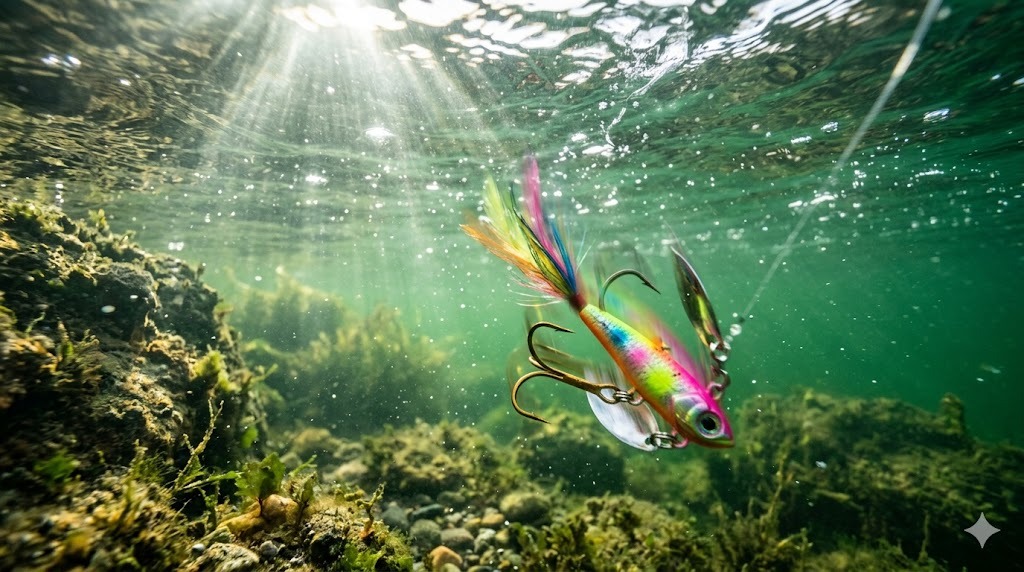
Live eels are arguably the deadliest cobia bait - a cobia rarely refuses one. Live crabs, especially during the spring run, are outstanding, as are live pinfish, croakers, and other baitfish. For lures, the bucktail or cobia jig is the iconic sight-casting tool: a heavy jig, often 1.5 to 3 ounces, frequently tipped with a soft-plastic trailer. Large soft plastics, swimbaits, and even big topwater plugs draw vicious strikes from curious fish. The classic technique is to keep a "follower" rig ready so that if a hooked cobia draws a companion to the boat, you can immediately pitch a jig or eel to the second fish.
Techniques - How to Fish for It
Sight-fishing is the signature method. Idle along scanning the surface, and when you spot a cobia, position the boat for a cast that lands the lure or bait ahead of and slightly past the fish, then bring it across its path. Cobia often charge a jig - keep it moving with sharp lifts. If a fish follows without committing, change the lure, slow down, or pitch a live bait. When fishing structure, anchor up-current and chum to draw fish up, then free-line baits back. Once hooked, apply heavy pressure to keep the fish away from the structure. At the boat, do not bring a green cobia aboard - make sure it is fully tired, then net or gaff it cleanly and subdue it immediately, because a thrashing cobia on deck causes real damage.
Common Mistakes
The biggest mistake is bringing a green, unsubdued cobia into the boat - they thrash violently and injure anglers and gear. Another is poor casting placement; lead the fish and bring the bait across its nose rather than dropping it on its head. Using tackle that is too light invites long, structure-bound break-offs. Many anglers also give up on a following fish too quickly - a lure change or a pitched live bait often converts a looker into a biter. Failing to keep a follower rig ready means missing the easy second fish. Finally, sight-fishing on a cloudy, choppy day wastes effort; wait for clear, calm conditions.
Size, Records & Eating Quality
Cobia commonly run 20 to 50 pounds, with fish over 60 pounds considered true trophies and triple-digit specimens caught most seasons. The IGFA all-tackle world record is 135 pounds 9 ounces, taken in Australia. Minimum size and bag limits are strict and vary by state, so confirm current regulations. On the table, cobia are superb - thick, firm, mild white fillets that grill, blacken, and sear beautifully and are highly prized by chefs. The fish yields generous boneless loins, making a single cobia a substantial haul of premium meat.
Pros & Cons (as a target species)
Pros: thrilling sight-fishing close to shore; powerful, dogged fight; reach trophy sizes; excellent, high-value eating; curious nature makes them catchable when located. Cons: heavily migration-dependent, so timing is everything; require clear, calm conditions to sight-fish; dangerous when green in the boat; can be frustratingly moody; tightly regulated.
Best Suited For
Cobia are ideal for hands-on, hunting-style anglers who love the visual drama of spotting a fish and casting to it. They suit boaters with a tower or bow platform, patient sight-fishers, and anyone who wants a realistic shot at a big fish without running far offshore. They are less suited to anglers who want constant action, since cobia fishing involves long stretches of searching. For those who enjoy the hunt and want a premium fish to eat, cobia are a coastal prize.
FAQ
Why do cobia follow rays and sharks? It is a feeding strategy. Large animals like rays stir up crabs and baitfish from the bottom, and cobia trail them to snatch the flushed prey. Spotting a ray often means a cobia is nearby.
What is the best bait for cobia? Live eels are extremely effective and hard for a cobia to refuse. Live crabs are excellent during the spring migration, and heavy bucktail jigs are the top lure for sight-casting.
When is cobia season? It depends on location. The Atlantic run peaks roughly April through June off the Carolinas and Virginia, while the northern Gulf run sweeps the beaches from March through May. Always check current state regulations.
Why shouldn't I bring a cobia into the boat right away? A green, unsubdued cobia thrashes with tremendous power and can injure anglers and destroy gear. Tire the fish completely, then net or gaff it and subdue it immediately.
Are cobia good to eat? Yes - cobia are among the best-eating fish in the sea, with thick, firm, mild white loins that are prized by restaurants and excellent grilled or seared.