Flounder
Flounder are the masters of disguise in inshore saltwater - flat, sand-colored ambush predators that bury into the bottom and wait for prey to drift overhead.
🗓️ Last reviewed: June 2026
Overview
Flounder are the masters of disguise in inshore saltwater - flat, sand-colored ambush predators that bury into the bottom and wait for prey to drift overhead. The southern flounder, summer flounder ("fluke"), and Gulf flounder make up the bulk of the US fishery, found from New England to Texas. Flounder fishing is a more patient, methodical pursuit than chasing slashing predators, but it has a devoted following because flounder are clever, structure-savvy, and absolutely first-rate on the table. The slow "thump" of a flounder bite, the deliberate decision of whether to set, and the surprising fight of a big "doormat" make flounder a quietly addictive target - and one of the best eating fish in the sea.
Identification & Appearance
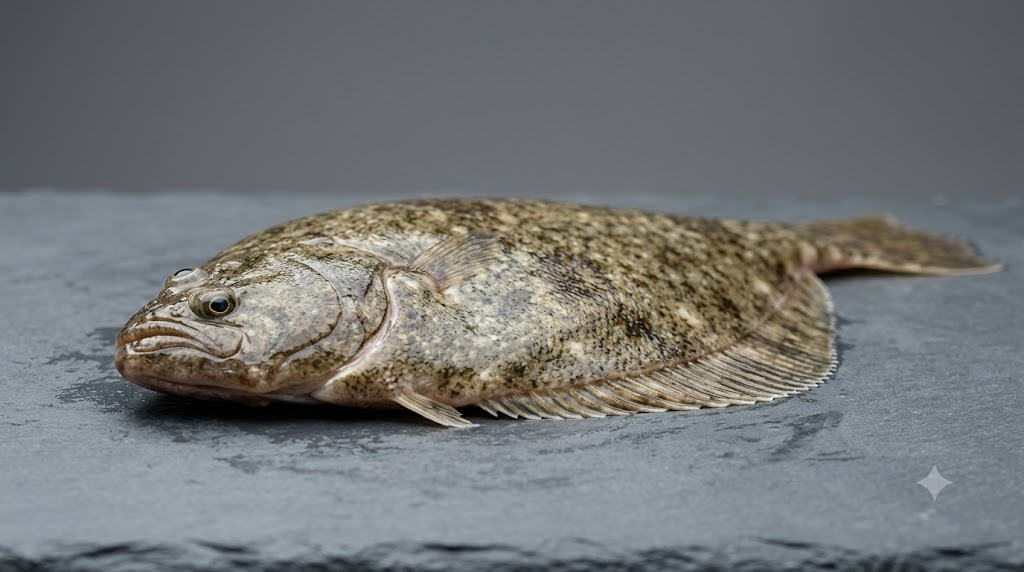
Flounder are flatfish: born like normal fish, they undergo a remarkable transformation in which one eye migrates so that both eyes end up on the same upward-facing side. They lie on their blind side against the bottom. The eyed (top) side is mottled brown, olive, or gray and can change color and pattern to match the bottom almost perfectly; the blind underside is white. The body is a flat oval, and the mouth is surprisingly large, set with sharp teeth. Southern flounder are "left-eyed" (eyes on the left when the fish faces you), as is summer flounder; Gulf flounder show three prominent eye-like spots in a triangle on the back. Their camouflage and flatness make a flounder on the bottom nearly invisible.
Range & Habitat (US waters - inshore / offshore)
Summer flounder (fluke) range along the Atlantic from New England through the Mid-Atlantic and into the Carolinas. Southern flounder span the South Atlantic and Gulf coasts from the Carolinas to Texas. Gulf flounder overlap through the Southeast and Gulf.
Flounder are bottom-oriented inshore and nearshore fish. Inshore they hold on sandy and muddy bottoms in bays, estuaries, channels, around oyster beds, near docks and bridges, along marsh drains, and especially at inlets and passes. They favor edges where sand meets structure or where a channel drops off. Larger flounder, particularly summer flounder, move nearshore and offshore to wrecks, reefs, and ledges in deeper water, and the species migrates offshore to spawn in cooler months.
Behavior & Feeding
Flounder are ambush predators. They settle onto the bottom, often partially buried, and wait for shrimp, small crabs, and baitfish - mullet, menhaden, mud minnows, glass minnows - to pass within striking range, then lunge upward to engulf the prey. They orient to current and face into it, holding on the down-current edge of structure where bait gets funneled to them. They are not chasers; they rely on position and camouflage. When a flounder takes a bait it often grabs it crosswise and holds, then turns it to swallow head-first - which is why the classic advice is to wait after the first thump before setting the hook. Flounder concentrate at inlets during their seasonal "run" to and from offshore spawning grounds.
Best Seasons & Times to Catch
Flounder are available much of the year inshore, but the standout period is the fall "flounder run." From roughly September through November, flounder stage and migrate through inlets and passes toward offshore spawning grounds, concentrating in predictable spots and feeding heavily - this is the prime time and the easiest fishing of the year. Spring sees fish moving back inshore and spreading onto the flats. Summer offers steady inshore action on flats, channels, and around structure. Winter fishing is slow inshore as fish move offshore. Moving tides are essential - flounder feed best when current is funneling bait - and the inlet bite is often best on the falling tide.
Where to Find Them - Reading the Water
Hunt edges and ambush points. Look for the transition where sandy bottom meets a grass bed, an oyster bar, or a channel edge - flounder lie on the sand just off the structure. Drop-offs, channel edges, the down-current side of pilings and bridge fenders, and the sandy mouths of marsh drains are all prime. At inlets during the fall run, fish the channel edges and any sand pocket near the jetty rocks. A subtle depth change of even a foot can hold fish. Because flounder are camouflaged and stationary, you must bring the bait to them - methodically working likely bottom is the name of the game.
Tackle & Rigs
A 7-foot medium or medium-light fast-action spinning or light conventional rod with a 2500-4000 reel handles flounder well. A sensitive tip is important to feel the soft, mushy "thump" of a flounder bite. Spool with 10-20 lb braid and a 20-30 lb fluorocarbon leader.
Top rigs: the Carolina/fish-finder rig with an egg sinker is the classic for drifting or dragging bait along the bottom. A simple jighead (1/4-3/8 oz, heavier in current) tipped with a soft plastic or natural bait is the everyday workhorse. A "flounder pounder" jighead with a teaser, and the basic high-low (double dropper) rig with a sinker, also produce. Use the lightest weight that maintains bottom contact, increasing it in strong inlet current.
Best Baits & Lures
Live bait is hard to beat: live mud minnows (mummichogs), finger mullet, and small menhaden are the top flounder baits, with live shrimp also excellent. A live mud minnow on a jighead, slowly hopped along the bottom, is the textbook flounder rig. Strip baits cut from squid, mullet, or fish belly add scent and durability and are favorites for drifting.
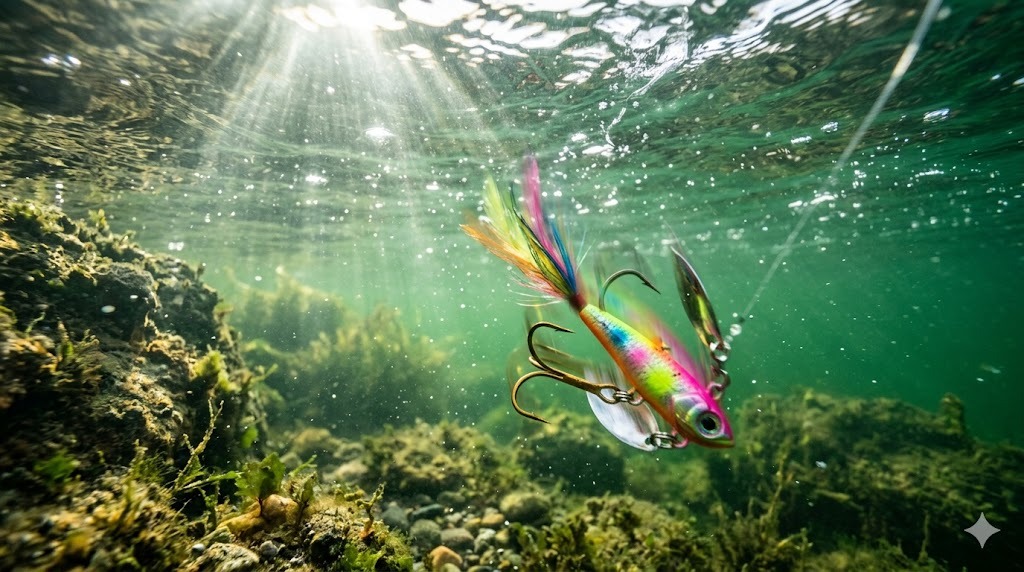
For artificials, soft plastic paddletails, jerk-style baits, and curl-tail grubs on a jighead are the standard, especially tipped with a strip of squid or Gulp! scented baits, which flounder hit aggressively. Bucktail jigs tipped with a strip or trailer are deadly for drifting wrecks and inlets. Natural and white tones in clear water, chartreuse and darker colors in stained water.
Techniques - How to Fish for It
The core flounder technique is to keep the bait on or just above the bottom and move it slowly - a slow drag, a gentle lift-and-fall, or a slow drift with the current. When drifting, let the rig tick along the bottom and feel for the soft, distinctive thump. When you feel that bite, the classic rule is to wait: drop the rod tip, give the fish a few seconds (a slow count) to turn and swallow the bait, then sweep the rod into a steady hookset rather than a violent jerk. Flounder hold a bait crosswise before swallowing, so setting too soon pulls it away. Once hooked, keep steady pressure, and always net a flounder - they often release the hook at the surface.
Common Mistakes
Setting the hook too early is the classic flounder mistake - the fish hasn't swallowed the bait yet and you pull it free. Setting too hard, with a violent jerk, also yanks the bait out. Fishing too fast is another error; flounder won't chase, so a slow, bottom-hugging presentation is essential. Using too heavy a weight kills the feel of the bite, while too light a weight in current keeps you off the bottom. Anglers also fish open, featureless flats and ignore edges and transitions where flounder actually ambush. Finally, lifting a flounder out of the water instead of netting it loses many fish at the surface.
Size, Records & Eating Quality
Most keeper flounder run 14-20 inches and 1-3 pounds. A "doormat" of 5-10 pounds is a true trophy. Summer flounder grow largest; the IGFA all-tackle world record summer flounder is a 22-pound, 7-ounce fish from Montauk, New York, while big southern flounder commonly reach the high single digits. Flounder are among the very best eating fish in the sea - thin, delicate, sweet white fillets that are mild and versatile, prized for stuffing, pan-frying, and baking. Size and bag limits vary significantly by state and species and have tightened in many areas due to conservation concerns, so check current regulations carefully.
Pros & Cons (as a target species)
Pros: Outstanding, delicate table fare; accessible from shore, piers, bridges, and small boats; predictable fall run makes for excellent seasonal fishing; rewards patience and skill; available across nearly the entire US coast. Cons: Not a powerful fighter; bite is subtle and easy to misjudge; demands a slow, methodical approach that some find tedious; fish are frequently lost at the surface without a net; tightly regulated in many states.
Best Suited For
Flounder are best suited for the patient, methodical angler - and for anyone who fishes primarily for the table, since few fish eat better. They are an excellent target for shore, pier, and bridge anglers, for families fishing inlets during the fall run, and for those who enjoy the puzzle of reading bottom structure. The thinking angler who learns to feel the bite and time the set will find flounder quietly rewarding.
FAQ
When should I set the hook on a flounder? Not immediately. When you feel the soft thump, drop the rod tip, give the fish a slow count of several seconds to turn and swallow the bait, then sweep the rod into a steady hookset.
What's the best bait for flounder? A live mud minnow or finger mullet on a jighead, slowly worked along the bottom, is the textbook choice. Strip baits and scented soft plastics like Gulp! also excel.
Why do flounder have both eyes on one side? Flounder are born with an eye on each side, but as they mature one eye migrates so both end up on the upward-facing side - an adaptation for lying flat on the bottom and watching for prey above.
When is the best time to catch flounder? The fall "flounder run," roughly September through November, when fish concentrate in inlets and passes during their migration to offshore spawning grounds.
Are flounder good to eat? Excellent - flounder have thin, sweet, delicate white fillets and are considered some of the finest eating fish in saltwater.