Red Snapper
The red snapper is the crown jewel of Gulf of Mexico and South Atlantic bottom fishing - a brilliantly colored, hard-pulling reef fish that combines a thrilling fight with arguably the most prized white fillets in American saltwater fishing.
🗓️ Last reviewed: June 2026
Overview
The red snapper is the crown jewel of Gulf of Mexico and South Atlantic bottom fishing - a brilliantly colored, hard-pulling reef fish that combines a thrilling fight with arguably the most prized white fillets in American saltwater fishing. Few fish generate as much excitement, anticipation, and outright fishing-community passion as the red snapper, in part because access to it is governed by some of the most closely watched seasons and regulations in the country. When the season opens, fleets of boats pour offshore to drop baits on wrecks, rigs, and reefs in pursuit of these powerful, copper-red brawlers. A cooler of red snapper represents both a memorable day on the water and a freezer full of premium table fare.
Identification & Appearance
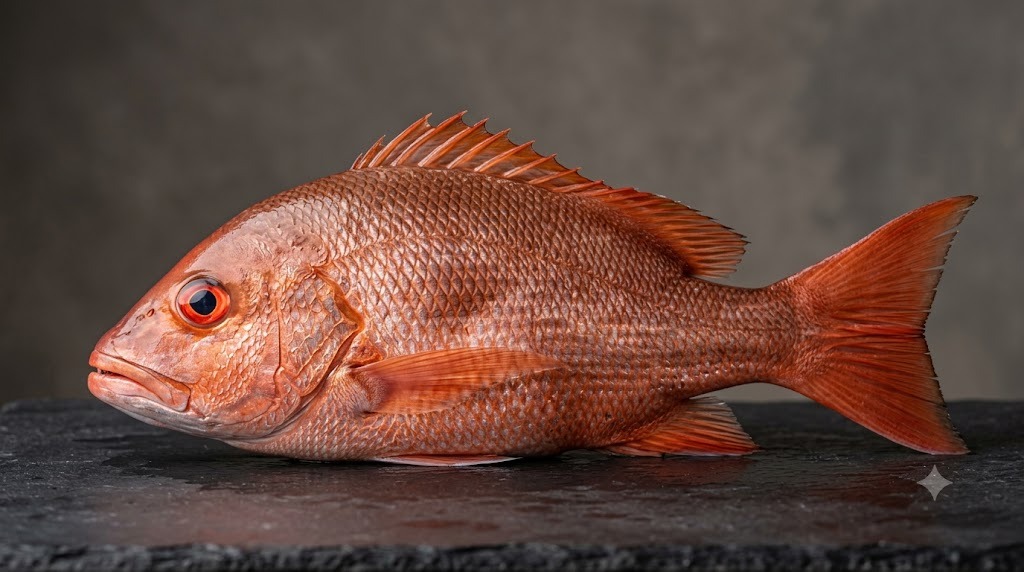
Red snapper are deep-bodied, robust fish cloaked in a striking pinkish-red to copper-red color that is brightest on the back and fades toward a paler belly. The eye is red, a useful field mark. Juveniles and sub-adults usually show a dark spot high on the body near the lateral line, which fades or disappears in large old fish. The body has a sloping forehead and the anal fin is angular, coming to a point - distinguishing it from similar snappers with rounded anal fins. The mouth carries sharp canine teeth. Red snapper can be confused with vermilion snapper and lane snapper, but their size, deep body, pointed anal fin, and uniform red coloring set them apart.
Range & Habitat (US waters - inshore / offshore)
Red snapper inhabit the Gulf of Mexico and the South Atlantic from roughly North Carolina southward. They are a structure-oriented offshore species, rarely caught inshore. Prime habitat includes natural rock and limestone ledges, hard bottom, coral outcrops, shipwrecks, artificial reefs, and the legs of oil and gas platforms. Younger fish hold in shallower water, sometimes as shallow as 30 to 60 feet, while large adults favor deeper structure, often 100 to 300-plus feet. The countless artificial reefs and rigs in the northern Gulf have created vast amounts of snapper habitat and concentrate the fish predictably.
Behavior & Feeding
Red snapper are aggressive, opportunistic predators that hold near the bottom around structure and rise into the water column to feed when conditions are right. Their diet includes fish, squid, crabs, shrimp, and other crustaceans. They often suspend just above the structure, and an active school will charge baits well off the bottom. Red snapper are notoriously competitive - when a school is fired up, baits seldom reach the seafloor untouched. They are also smart and can become wary on heavily fished spots. Because they live in deep water, snapper suffer from barotrauma when brought up quickly, an important consideration for released fish.
Best Seasons & Times to Catch
The red snapper fishery is defined by tightly regulated seasons that vary by region, by federal versus state waters, and from year to year. The recreational season in the Gulf has often centered on summer months, while South Atlantic openings are short and announced annually. Always confirm current dates, size limits, and bag limits before you go. Within an open season, snapper bite throughout daylight hours, but periods of moving water and the low-light windows around dawn and dusk often produce the most aggressive feeding. Calm seas make it far easier to fish deep structure effectively.
Where to Find Them - Reading the Water
Red snapper fishing is a structure hunt. Use quality electronics to locate ledges, wrecks, artificial reefs, hard bottom, and rig legs, and watch for the telltale arches of fish stacked above the structure. The best spots show fish suspended off the bottom - that is an aggressive, catchable school. Public reef numbers get heavy pressure, so finding lesser-known live bottom often means bigger, less wary fish. Position the boat so baits drop onto the up-current edge of the structure, and be ready to move if you only mark small fish or get no response.
Tackle & Rigs
Red snapper fishing demands stout gear capable of pulling powerful fish away from sharp structure in deep water. A heavy conventional bottom rod with a strong reel spooled with 50 to 80-pound braid is standard. Use a fish-finder rig or a simple knocker rig with an egg sinker, or a single-hook dropper rig, with the sinker sized 6 to 16 ounces to reach bottom in the current. Leaders of 50 to 80-pound fluorocarbon or monofilament resist abrasion. Circle hooks in the 6/0 to 9/0 range are required in many federal waters and improve survival of released fish. Carry a descending device or venting tool to combat barotrauma on releases - this is mandatory in the Gulf.
Best Baits & Lures
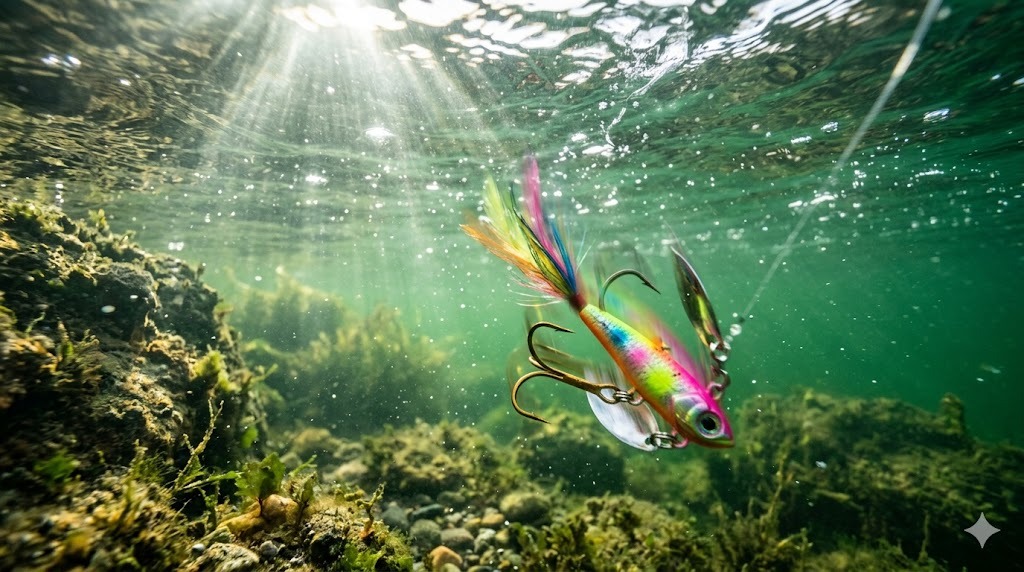
Red snapper are not picky when fired up. Top natural baits include cigar minnows, live or fresh-dead pinfish, threadfin herring, squid, sardines, and cut chunks of fish such as bonito or mackerel. Live bait often selects for larger fish. On the lure side, heavy jigs are deadly - flat-fall jigs, butterfly-style speed jigs, and bucktails worked just above the structure draw vicious strikes and frequently out-fish bait for big snapper. Many anglers chum with cut bait or a frozen chum block to bring the school up off the bottom and into a competitive frenzy.
Techniques - How to Fish for It
The classic method is dropping a baited rig straight down to the structure, letting the sinker tap bottom, then lifting slightly to keep the bait in the strike zone just above the reef. When a snapper hits, lift firmly and immediately gain line - the first few seconds determine whether you pull the fish away from structure or get cut off. Keep steady pressure and do not let a big snapper get its head turned back toward the rocks. Jigging is increasingly popular and effective: drop to the bottom or to marked fish, then work the jig with sharp lifts and flutters. Chumming the school up the water column lets you fish shallower in the column, away from the worst of the snags.
Common Mistakes
The most common error is hesitating after the bite - a snapper that gets its head back into the structure will cut you off, so you must pull hard immediately. Using tackle that is too light invites break-offs and exhausts fish unnecessarily. Failing to vent or descend released fish suffering barotrauma kills them; using a descending device properly is both required and good conservation. Anglers also waste time on spots that only mark small fish or scattered marks. Finally, fishing without checking current, frequently changing regulations can lead to fines and lost fish - the snapper fishery is among the most regulated in the country.
Size, Records & Eating Quality
Keeper red snapper commonly run 3 to 10 pounds, with quality fish in the 10 to 20-pound range and genuine trophies - old "sow" snapper - exceeding 20 pounds. The IGFA all-tackle world record is 50 pounds 4 ounces, caught off Louisiana. Red snapper are long-lived, with large fish often decades old. On the table they are world-class - firm, mild, slightly sweet white fillets that are among the most sought-after and valuable seafood in the country, excellent grilled, baked, fried, or served whole.
Pros & Cons (as a target species)
Pros: powerful, exciting fight; reaches trophy sizes; world-class eating; abundant around the Gulf's vast artificial reefs; aggressive biters when located. Cons: very short, tightly regulated seasons; require an offshore-capable boat and good electronics; barotrauma makes catch-and-release difficult; heavily pressured public spots; demand stout, expensive gear.
Best Suited For
Red snapper are best suited to offshore anglers with a seaworthy boat, solid electronics, and the gear to fight powerful fish in deep water. They reward those willing to scout structure and time their trips to the open season. They are an exciting and accessible target for charter clients and party-boat anglers in the Gulf, where guided trips put first-timers on fish. Anglers without offshore access or who prefer year-round availability may find the restrictive seasons frustrating, but the payoff - a stunning fish and premium fillets - keeps the fishery wildly popular.
FAQ
Why is the red snapper season so short? Red snapper are a closely managed fishery because of past overfishing. Strict, sometimes brief seasons and bag limits are set to keep the population healthy, and dates change year to year between federal and state waters.
What is barotrauma and how do I handle it? Barotrauma is the pressure injury fish suffer when reeled up quickly from deep water - the swim bladder expands, the stomach may protrude, and the eyes bulge. Use a descending device to return released fish to depth so they can recover; this is required in the Gulf.
What is the best bait for red snapper? Live cigar minnows, pinfish, and threadfin herring are excellent and often select for bigger fish. Squid and cut bait work well too, and heavy jigs are deadly on large snapper.
How deep do red snapper live? They range widely with size. Smaller fish can be found in 30 to 60 feet, while big adults favor deeper structure, often 100 to 300 feet or more.
Are red snapper good to eat? Yes - they are considered some of the finest eating fish in American waters, with firm, mild, slightly sweet white fillets prized by anglers and chefs alike.