How to Raise and Breed Bettas at Home
A single betta thrives in a small heated tank, and a spawn yields dozens of fish - setup, water, bubble-nest breeding and the space it really takes.
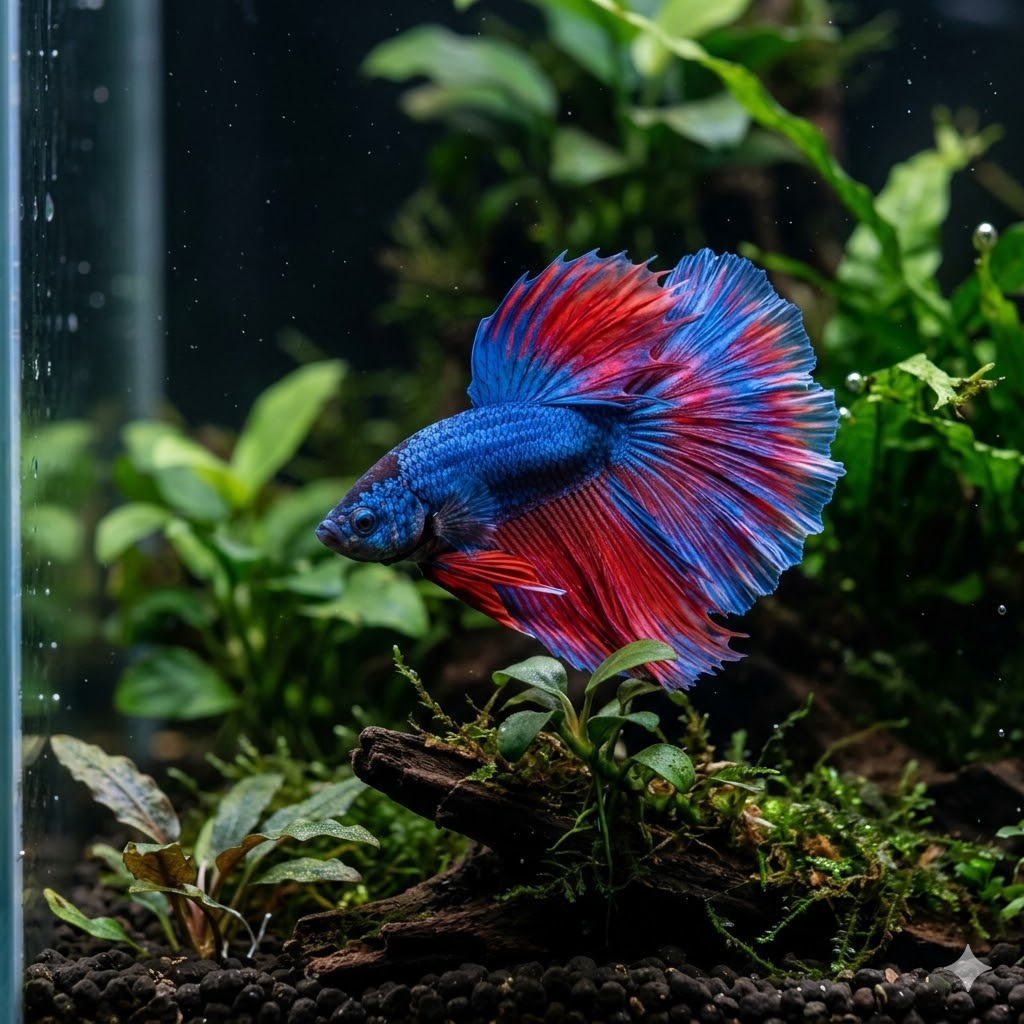
Bettas are worth raising if you want a striking single fish that is easy to keep, with the option of taking on small-scale breeding later. One betta lives happily in a modest heated tank, and it is one of the most rewarding fish to simply watch - bold, colourful and full of character. As a first fish it is genuinely easy. As a breeding project it is a real step up, and that is the honest divide with bettas.
If you are just starting, keep one betta well and enjoy it. If you catch the breeding bug, know in advance that a betta spawn produces dozens of fry that have to be raised largely apart, and that takes patience, space and a row of separate containers. Learn the keeping first, then decide about breeding.
Why raise bettas
A betta is the showpiece of small-scale fishkeeping. A single male, with his long fins and intense colour, is as eye-catching as fish many times his price, and he needs only a modest heated tank to thrive. For a lot of keepers, one well-kept betta is the whole hobby, and that is a perfectly good place to stay.
For those who want more, bettas offer a real breeding challenge. A paired spawn produces dozens of jewel-coloured young, and raising them out - selecting for colour and finnage - is deeply satisfying work. Good betta lines are genuinely wanted, and healthy, well-bred fish trade and sell.
But be honest with yourself about the scale of breeding. This is not guppy breeding, where you barely have to try. Bettas fight, the fry need careful raising, and growing them out means keeping many fish separately. It rewards patience and commitment, not casual dabbling. The single fish is easy; the breeding is a project.
The pond or tank
Bettas are indoor, warm-water fish that live in a small heated tank - never a pond. Forget the tiny unheated cups and vases they are so often shown in; those are display containers, not homes. A betta wants a proper small tank with a heater and gentle filtration.
A modest tank is plenty for one fish. The keys are stable warmth and gentle water movement. Bettas come from still, warm waters, so a strong filter current stresses them and can tear their long fins - keep the flow low. Plants and a few hiding spots help them feel secure. Our systems and water quality guide covers gentle filtration for small tanks.
Breeding changes the space equation completely. You need a separate spawning tank, and then - crucially - somewhere to grow out the fry. Because the males will fight, serious breeding means many small jars or tanks to house them individually as they mature. That is a lot of containers, water changes and shelf space, and it is the single biggest reason betta breeding is harder than it looks.
- One betta: a small heated tank with gentle filtration
- Never a tiny unheated cup or vase
- Breeding: a spawning tank plus many separate grow-out jars or tanks
Water and temperature
Bettas are warm-water fish and need a heater to hold a steady, warm temperature. Cold water makes them sluggish and prone to illness, so this is not optional. They tolerate a reasonable range of water conditions otherwise, which helps beginners, but they are unforgiving about being kept cold.
The nitrogen cycle applies here as everywhere. Waste and uneaten food become ammonia, which is toxic; filter bacteria convert it to nitrite and then to far less harmful nitrate, which you remove with water changes. A new tank needs several weeks to cycle before it is safe. Bettas have an extra trick - they can gulp air at the surface using a special organ - but this does not excuse poor water. They still need clean, cycled water to stay healthy.
Keep the surface accessible and the flow gentle. Because bettas breathe air at the top, they must always be able to reach the surface easily, and they do not want a churning current beneath them.
Feeding and daily care
Feed a betta small amounts of a good quality food once or twice a day, giving only what it eats promptly. Bettas are small and will happily overeat, and leftover food fouls a small tank fast. A little, regularly, is the rule.
Daily care is simple for one fish. A healthy betta is active, alert, richly coloured and flares readily. Check the heater is holding temperature, make sure the flow is gentle, and keep up with small regular water changes. Watch the fins - clean, whole fins mean a happy fish, while ragged or clamped fins are an early warning of poor water or stress. Bettas also have real personalities, and once you know your fish, a change in behaviour - hiding, going off food, resting on the bottom - is often the first sign that something in the tank needs attention.
Breeding multiplies the daily work enormously. Rows of separate jars each need feeding and water changes, and skipping that care is where beginner breeding projects fall apart.
Breeding bettas
Betta breeding is a deliberate process, not something that just happens. The pair must be conditioned and introduced carefully, because a male and female cannot simply be left together - they will fight. Keepers typically keep them apart, let them see each other through a divider first, then introduce them under supervision in a spawning tank.
When they spawn, the male builds a nest of bubbles at the surface, wraps around the female, and collects the fertilised eggs into the nest. From that point the male tends the eggs and fry, and the female must be removed, because he will now drive her off. The eggs hatch in a couple of days, and the tiny fry need very fine food at first before moving onto larger food as they grow. The male usually cares for the nest for the first days after hatching, and he too is removed once the fry are free-swimming, so they can be raised on their own. Getting the first foods right is the fiddly part - the fry are extremely small at first and will not take ordinary food, so a breeder has to line up suitable tiny foods before the spawn, not scramble for them afterwards.
Then comes the hard part. As the fry mature, the males become aggressive toward each other and must be separated, or they fight to the death. This is why serious betta breeding means many small jars or tanks - each grown male needs his own space. A single spawn of dozens turns into dozens of containers, each needing heat, clean water and feeding. Plan this before you spawn a pair, not after, because the fry arrive whether or not you have somewhere to put them.
Health and the common mistakes
Bettas are hardy for a single fish, so problems usually come from the setup. The common mistakes:
- The unheated cup or vase. Cold, unstable and too small. The most common way pet-shop bettas suffer.
- Strong current. Powerful filters stress bettas and shred their fins. Keep the flow gentle.
- Overfeeding. Easy in a small tank, and it fouls the water quickly.
- Housing males together. Two males will fight to the death - never keep them in the same space.
- Overstocking fry. The classic breeding failure. A spawn of dozens needs dozens of separate containers, and trying to grow them out crowded means fighting, disease and loss.
Is betta right for you?
A single betta is right for almost anyone who wants a beautiful, easy fish and can provide a small heated tank with gentle filtration. On that level, bettas are one of the most rewarding fish you can keep, and one well-cared-for fish is a perfectly complete hobby.
Betta breeding is right only if you have real patience, space for many separate jars or tanks, and the commitment to keep up with the water changes and feeding that a whole spawn demands. It is genuinely rewarding, but it is a project, not a whim.
The honest advice is to keep one betta well before you try to spawn them. Learn what a healthy fish looks like and how to hold steady water, then step up to breeding once you know you have the space and the patience for it. Do it in that order and bettas will reward you either way.