How to Raise Tilapia at Home
Tilapia are the fastest, most forgiving fish for a first backyard or aquaponics setup, if you can keep the water warm.
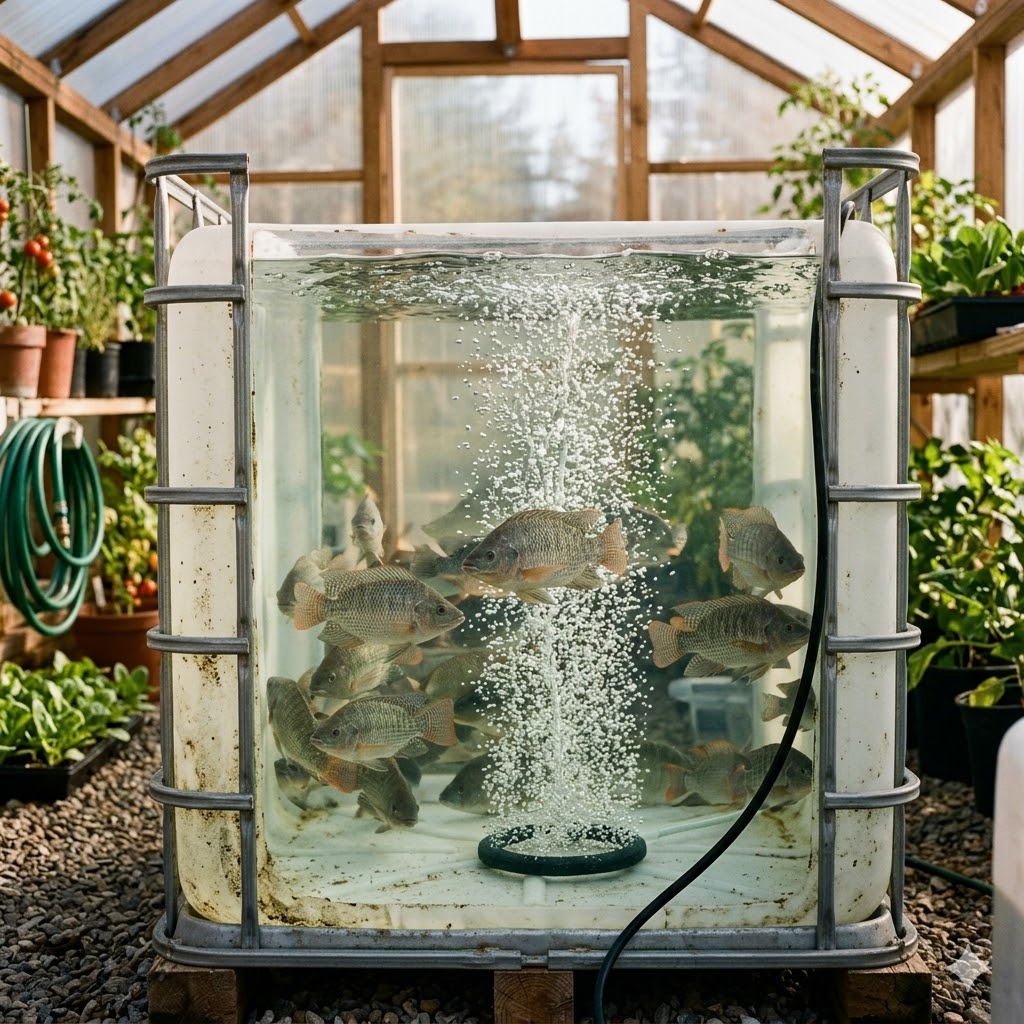
If you want to raise your own fish and you have never done it before, tilapia are the place to start. They grow fast, they eat cheap feed, they shrug off crowding and cloudy water that would kill fussier fish, and they reach eating size in a single warm season. The one real catch is temperature. Tilapia are a tropical fish, and in a cool climate keeping them warm year-round is the whole game. Get that right and you have the most forgiving food fish a beginner can keep.
This suits the hobbyist who wants a working system without a steep learning curve, the aquaponics grower who needs a hardy fish to drive the plants, and anyone who wants to put real fillets on the table from a small backyard footprint.
Why raise tilapia
Tilapia are the workhorse of home aquaculture. In good conditions they go from fingerling to a plate-sized fish of around 400 to 700 grams in roughly six to nine months, and they do it on inexpensive feed. That combination of speed, cheap food, and toughness is why they are the classic first fish.
What you get out of it:
- A steady supply of clean, mild white fish for the table.
- A fish that tolerates mistakes while you learn - crowding, warm water, and less-than-perfect filtration.
- The nitrogen engine for an aquaponics system, since their waste feeds the plants.
Do not expect to save money in year one. Between the tank, aeration, heating, and feed, your first fish are expensive fish. The payoff is a reliable system you understand and can run cheaply for years, plus the genuine satisfaction of raising your own food.
The system and space
A tilapia setup does not need much room. The classic beginner rig is a single IBC tote (the roughly 1000 litre plastic cube in a metal cage) or a similar sized tank. That one container can carry enough fish for regular meals for a small household.
A basic setup is simple:
- A tank or IBC holding several hundred litres of water.
- An air pump with air stones, or a small water pump, to keep oxygen up.
- A filter - either a mechanical and biological filter, or a grow bed if you go the aquaponics route.
- A heater or a warm space, which in most climates is the part that actually decides whether this works.
You can raise tilapia in an outdoor pond in a hot climate, but for most readers an indoor tank, a garage setup, or a heated greenhouse is the realistic answer. The point is a contained, heatable volume of water. Start with one tote before you scale up - it is far easier to learn on a single system than to manage several.
Give some thought to where the system lives before you fill it. Water is heavy, so a full IBC needs a solid, level base that can take well over a tonne. You also want the tank near power for the pump and heater, near a water source for top-ups and changes, and somewhere a small overflow or splash will not cause damage. A garage, a basement, an insulated shed, or a greenhouse all work. The better insulated the space, the cheaper it is to keep warm through winter, which is the ongoing running cost that most affects whether tilapia pay off for you.
Water and temperature
This is the section that matters most. Keep the water above 22C year-round, and ideally around 26 to 30C for fast growth. Below about 15C tilapia stop eating and get sick, and a single hard cold snap can wipe out an entire batch overnight. In a cool climate that means an indoor tank or a heated greenhouse - do not try to overwinter them in an unheated outdoor pond.
The other pillar is the nitrogen cycle, and it applies to every system here. Fish produce ammonia, which is toxic. Beneficial bacteria in your filter or grow bed convert that ammonia first to nitrite (also toxic) and then to nitrate (much safer, and plant food in aquaponics). Those bacteria take four to six weeks to establish, so you must cycle a new system before adding a full load of fish. Add fish gradually and let the biology catch up.
Tilapia are more tolerant of low oxygen than most food fish, but they still need aeration, especially when crowded and when the water is warm - warm water holds less oxygen. Run an air pump continuously. Test your water for ammonia, nitrite, nitrate, and pH regularly, and do partial water changes when readings climb. Our systems and water quality guide covers cycling and testing in more detail.
Stocking and feeding
Get your first fish as fingerlings from a local aquaculture supplier or a fish farm - buying young stock is far easier than trying to breed your own at the start. Tilapia will breed readily once mature, which is a bonus and a nuisance: an uncontrolled tank fills with tiny fish that compete for food and stunt each other. Many home growers keep single-sex (all male) stock to avoid this.
Sensible density for a beginner is conservative. A rough starting point is around 20 to 30 litres of water per fish grown to plate size, and less is more while you learn. Overstocking is the fastest way to crash your water quality.
Feed a floating pellet formulated for tilapia or similar omnivorous fish. Feed a few small meals a day rather than one big dump, and only give what they clean up in a few minutes. Uneaten feed rots, spikes your ammonia, and fouls the water. Tilapia will also eat vegetable scraps and duckweed, which can supplement pellets but should not replace a balanced feed if you want good growth.
A floating pellet is worth the small extra cost because you can watch the fish eat and read their appetite. If they clear it fast and still crowd the surface, you can offer a little more; if pellets sit uneaten, you are overfeeding and should cut back. Appetite is also an early health signal - a batch that suddenly goes off its food is telling you to check the water before anything visibly goes wrong. Feed less on cooler days and none at all if the water dips below their comfort range, since food they cannot digest just fouls the tank.
Health and the common mistakes
Most tilapia failures are not disease - they are keeper error. The common ones, in order:
- Letting the water get cold. A cold snap or a failed heater is the classic total loss. Have a backup plan for heating.
- Overfeeding. Excess feed rots and poisons the water. When in doubt, feed less.
- Overstocking. Too many fish overwhelm the filter and the oxygen supply.
- Skipping the cycle. Adding a full load of fish to an uncycled system means an ammonia spike that kills them.
- Neglecting oxygen on hot nights, when warm water and crowded fish combine to suffocate the tank.
When disease does appear, it usually follows stress from poor water. Watch for fish gasping at the surface, clamped fins, loss of appetite, or spots and sores. The first response is almost always a water change and a check of your parameters, not a chemical. Keep it simple: good water and good feeding prevent most problems.
Harvesting tilapia
Tilapia are ready to harvest at plate size, usually around 400 to 700 grams, which most fish reach in six to nine months in warm water. You can harvest selectively, taking the biggest fish as you want them and leaving the rest to grow.
Processing is straightforward. Chill or dispatch the fish quickly and humanely, then scale, gut, and either fillet or cook whole. The flesh is mild, white, and firm. Stop feeding for a day or two before harvest so the gut is empty, which makes cleaning easier and improves flavour. If a fish ever tastes muddy, that comes from the water and clears up with a few days in clean, well-filtered water before harvest.
Is tilapia right for you?
Tilapia are right for you if you want a fast, forgiving first fish and you can guarantee warm water. They are the best training-wheels food fish there is, ideal for aquaponics and for anyone who wants results in a single season.
They are the wrong fish if you cannot keep the water reliably above 22C without spending a fortune on heating, or if you want a cold-water pond fish - in that case look at trout instead. They are also a poor fit if you cannot commit to daily attention, since feeding and monitoring are part of the routine.
One honest and important note: tilapia are non-native and are regulated or outright banned in many regions precisely because they can become invasive. Check your local regulations before you buy or stock any, and never release fish into the wild - escaped or dumped tilapia have established damaging populations in warm waters around the world. Keep them contained, and enjoy them on the plate.