Catfish & Bullhead
9 freshwater species in this group - identification, habitat, seasons, tackle, baits and technique for each.
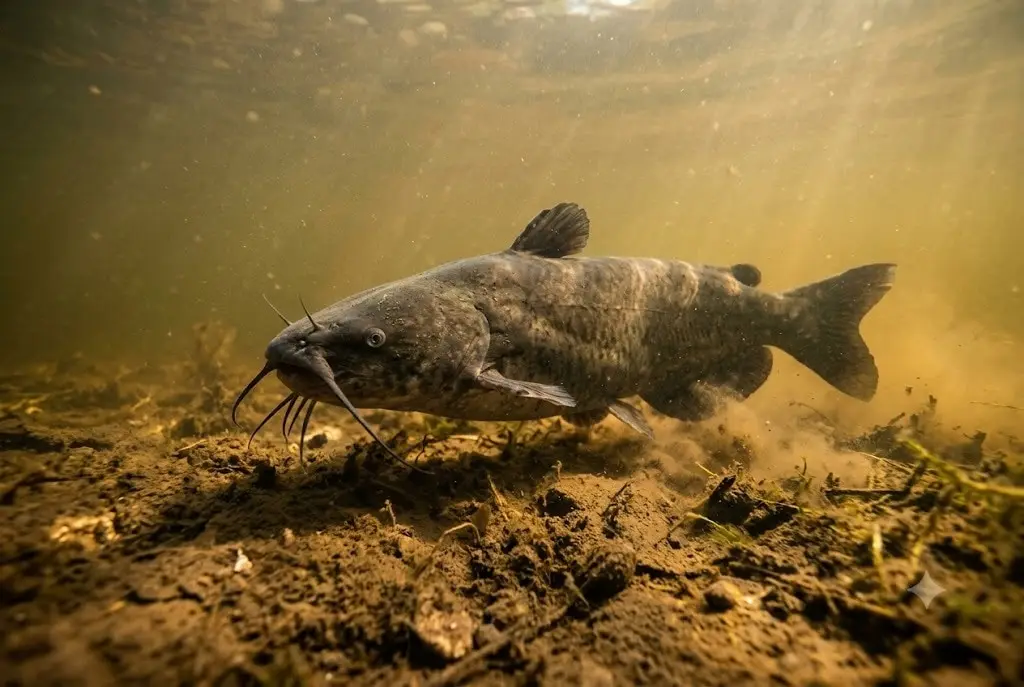
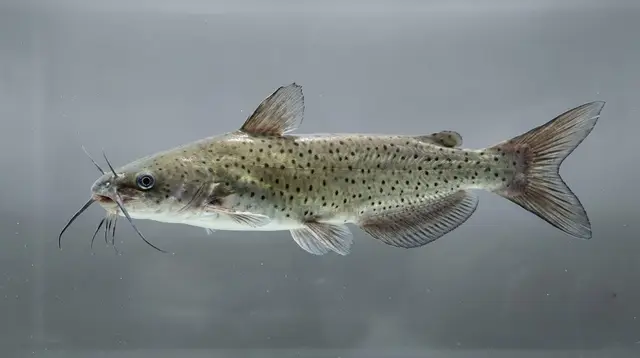
Channel Catfish
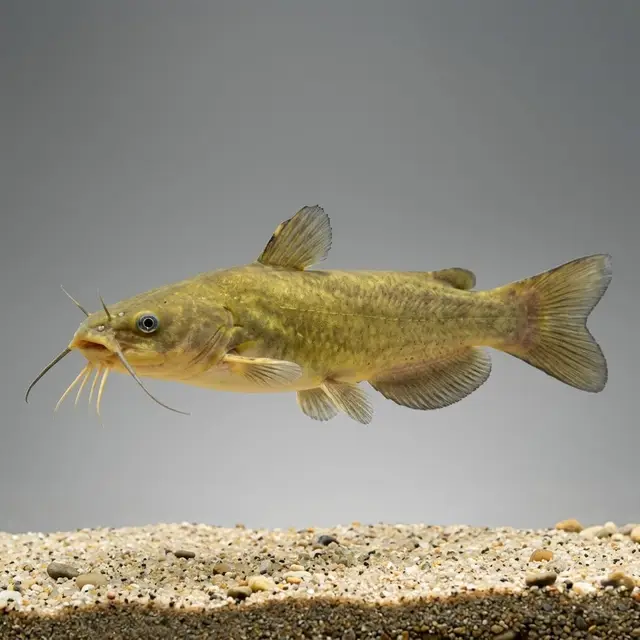
Yellow Bullhead
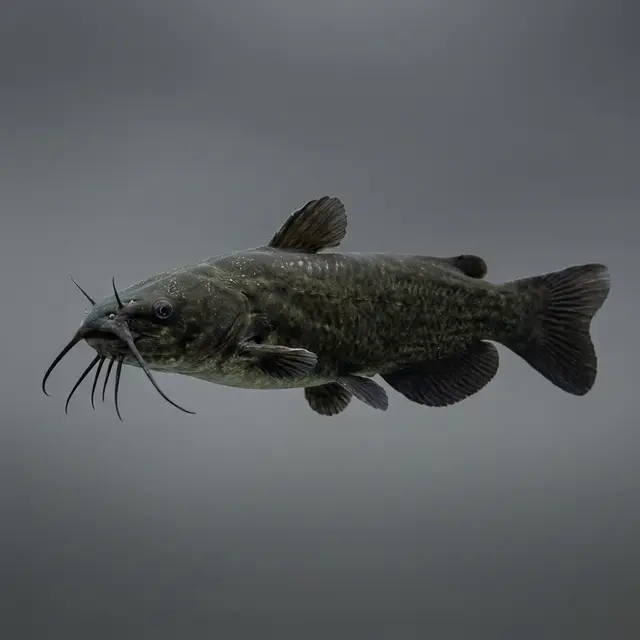
Black Bullhead
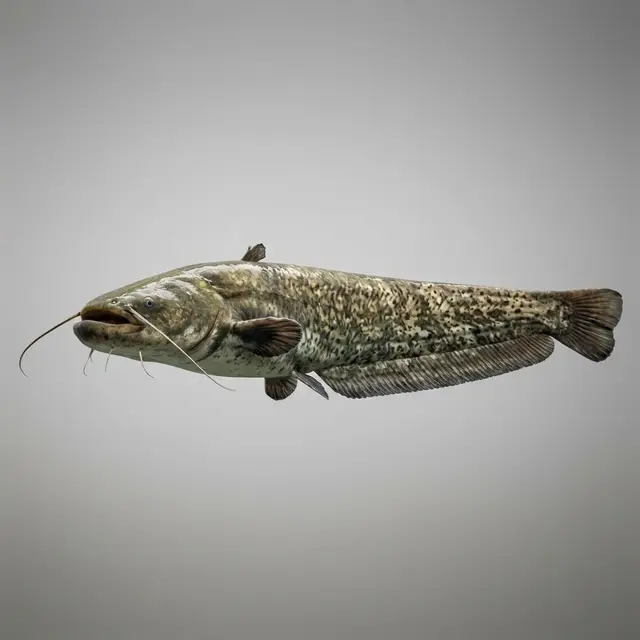
Wels Catfish
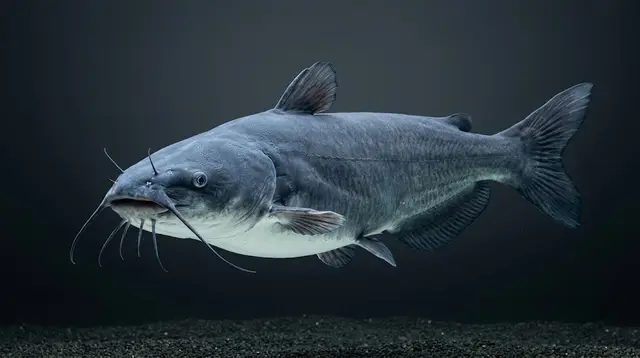
Blue Catfish
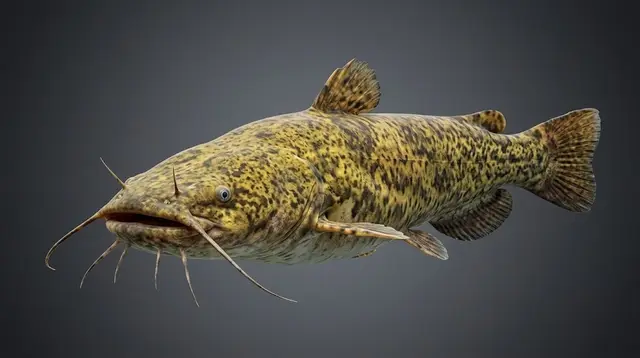
Flathead Catfish
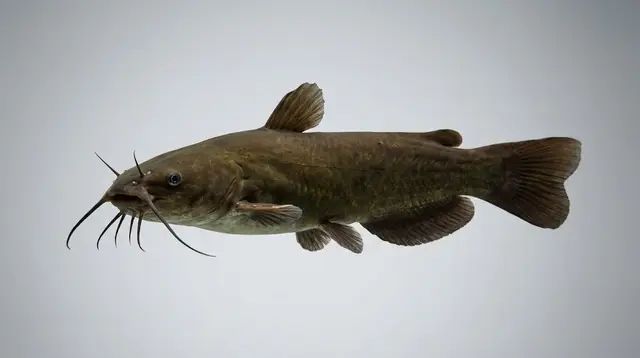
Bullhead Catfish
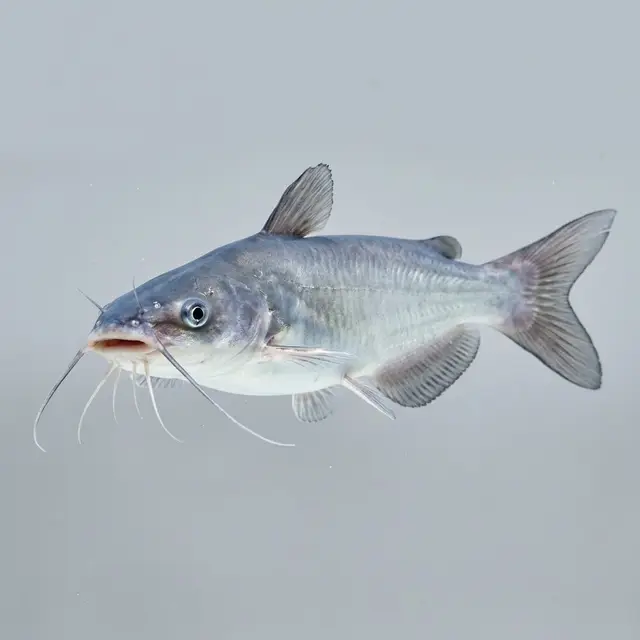
White Catfish
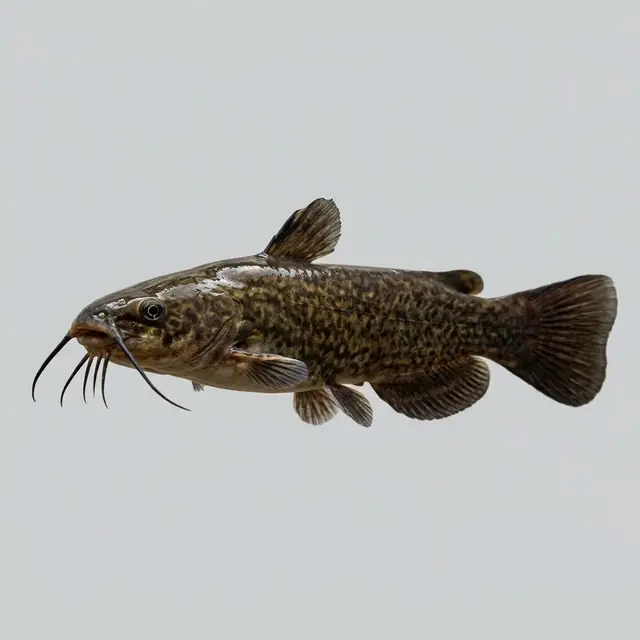
Brown Bullhead
No species match that search. Clear search
How to tell them apart
One identification cue for each species, from its profile. Open a profile for the full description, size and range.
- Channel Catfish
- The deeply forked tail and the rounded anal fin distinguish it from the similar blue catfish, which has a straight-edged anal fin, and from the flathead catfish, which has a flat head and a squared tail.
- Yellow Bullhead
- Yellow bullhead are yellowish to olive with a pale belly, and are told from the black and brown bullheads by their whitish chin barbels and a squared rather than notched tail.
- Black Bullhead
- Black bullhead are dark olive to black above with a pale belly, dark chin barbels, and a slightly notched tail, distinguishing them from the white-barbeled yellow bullhead.
- Wels Catfish
- A long, scaleless, almost eel-like body with a broad flattened head and a wide mouth lined with tiny rasping tooth pads.
- Blue Catfish
- The single most reliable identification feature is the anal fin: a blue catfish's anal fin is long, straight-edged, and squared off, with 30 to 35 rays - distinctly different from the rounded, shorter anal fin of the similar channel catfish.
- Flathead Catfish
- The flathead is unmistakable once you know it. The head is broad, flattened, and shovel-shaped - the source of the name - with small eyes set high.
- Bullhead Catfish
- The defining feature that separates bullheads from the larger channel and blue catfish is the tail: bullheads have a squared-off or only slightly notched tail, never the deep fork of a channel cat.
- White Catfish
- The tail is moderately forked, which separates it from the square or rounded tails of the bullheads, while its smaller size and pale chin barbels separate it from the much larger channel catfish.
- Brown Bullhead
- The eight barbels around the mouth are the classic catfish whiskers; on a brown bullhead the chin barbels are dark, which helps separate it from the pale-barbeled white catfish.
How big can a catfish get?
In North America the blue catfish is the biggest, reaching 65 inches (170 cm) and 143 pounds (65 kg); the wels catfish of Europe grows larger still, with an authenticated fish of 134.97 kg (297.6 lb). Most catfish anglers meet are far smaller, as the typical sizes show.
| Species | Typical size | Largest on record |
|---|---|---|
| Blue catfish | Adults usually about 2 ft (0.61 m) | 65 in (170 cm), 143 lb (65 kg); a 143-lb fish from Kerr Lake (Virginia-North Carolina) in June 2011 (Wikipedia) |
| Flathead catfish | 15-45 in (38-114 cm) | 61 in (155 cm), 123 lb (55.79 kg); world angling record, Elk City Reservoir, Kansas, 1998 (Wikipedia) |
| Channel catfish | At least 12 in (30 cm), 2-4 lb (0.91-1.81 kg) | 58 lb (26 kg), South Carolina, 1964 (Wikipedia) |
| Yellow bullhead | Commonly 8.9 in (22.5 cm), rarely over 2 lb (0.91 kg) | 24 in (60 cm) long; up to 6 lb 6 oz (2.89 kg) (Wikipedia) |
| Brown bullhead | In most areas no more than 2 lb (0.91 kg) | IGFA world record 7 lb 6 oz (3.3 kg) (Wikipedia) |
| Black bullhead | 6-14 in (15-36 cm), 1-2 lb (0.45-0.91 kg) | Almost never as large as 4 lb (1.8 kg) (Wikipedia) |
| Wels catfish (Europe, Western Asia) | Most adults 4 ft 3 in-5 ft 3 in (1.3-1.6 m) | Heaviest authenticated 297.6 lb (134.97 kg), river Po, 2010; longest 9.6 ft (2.92 m), Poland, 2025 (Wikipedia) |
Browse all freshwater fish, or explore other groups: Bass Trout, Salmon & Whitefish Sunfish & Crappie Walleye, Perch & Pike Carp, Gar & Rough Fish
Bait-fishing kit
As an Amazon Associate we may earn from qualifying purchases - at no extra cost to you. We link gear types, not sponsors' picks: you choose the exact product.