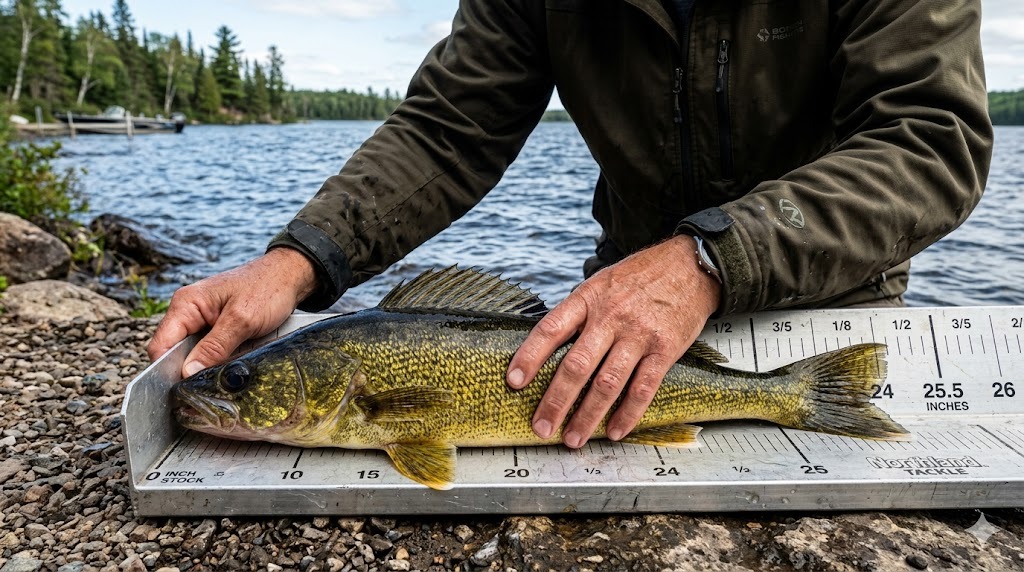
How to Pan-Fry Fish
Why your pan-fried fish turns out soggy and oily, and how to fix it: drying the fillet, a light dredge, the right oil temperature, skin-on technique and when to flip.
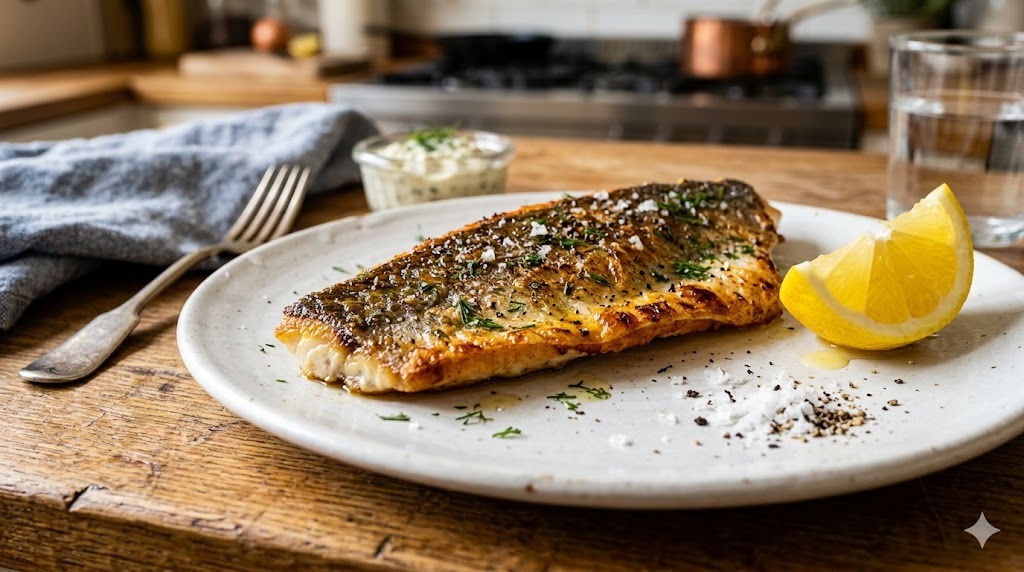
Pan-frying is the fastest, most honest way to cook a fresh fillet, and it’s also the one most beginners get wrong. Greasy, pale, sticking-to-the-pan fish almost always comes down to three fixable mistakes: wet fillets, oil that isn’t hot enough, and a crowded pan. Get those right and a panfish fillet turns golden and crisp in under three minutes a side.
Part of our Catch & Cook series - the half of fishing that happens after the net: cleaning, cooking and eating what you keep.
If you’re still working out how to get from a whole fish to clean fillets, start with cleaning and filleting fish, then come back here for the pan.
Dry the fillet first - this is non-negotiable
Surface moisture is the single biggest reason fish steams instead of sears. Water on the fillet has to boil off before the surface can brown, and while it does, the flesh poaches in its own juices and the dredge turns to paste.
- Pat both sides firmly with paper towel until the surface looks matte, not shiny.
- For fillets just out of a brine or fridge bag, blot, then let them sit on a rack for 10 minutes to air-dry.
- Salt the fish lightly 10 to 15 minutes ahead. The salt draws out a little moisture, which you then blot away, and it seasons the flesh from the surface in.
A dry fillet hitting hot oil makes an immediate, steady sizzle. A wet one hisses, spits, and sits there grey.
Use a light dredge, not a batter
For pan-frying you want a thin coating that crisps, not a thick wet batter (that’s for deep-frying). A light dredge wicks away the last of the surface moisture and gives you that fine, crackly crust.
- Flour alone gives a delicate, even brown. Good for trout and thin fillets.
- Cornmeal, or a roughly 50/50 cornmeal-flour mix, is the classic for panfish, walleye and channel catfish. It fries up with more crunch and texture.
- Season the dredge itself: salt, pepper, and a little cayenne or paprika if you like.
Dredge just before cooking. Press the fillet into the flour or meal, then shake off every loose bit. Excess coating doesn’t stick to the fish; it falls off, burns in the oil, and makes the next fillet taste scorched.
Get the oil temperature right
This is where “greasy” is won or lost. Oil that’s too cool soaks into the coating instead of crisping it. Oil that’s hot enough seals the surface almost instantly, so very little gets absorbed.
- Use a neutral oil with a high smoke point: canola, peanut, grapeseed or refined sunflower. Skip butter on its own (it burns); if you want butter flavour, add a knob near the end.
- Aim for roughly 350 to 375F. Without a thermometer, drop in a pinch of flour or the corner of a fillet: it should sizzle briskly and steadily on contact, not sit quietly and not violently spatter.
- Use enough oil to coat the pan generously, about 1/8 inch. You’re shallow-frying, not greasing a pan.
- Let the oil come fully up to temperature before the first fillet goes in, and let it recover between batches.
Skin-on technique for crisp skin
Trout, yellow perch, walleye and most panfish have skin worth crisping. Cooked right it’s the best part; cooked wrong it curls and goes rubbery.
- Lay the fillet skin-side down first and press it flat with a spatula for the first 10 seconds. Fillets curl because the skin tightens faster than the flesh, and a few seconds of pressure stops that.
- Leave it alone. Let the skin render and crisp over most of the cooking time, which is where the flavour and crunch come from.
- You’ll see the flesh turning opaque from the bottom up. Flip only when the skin side is golden and releases cleanly.
Don’t crowd the pan, and flip only once
Every fillet you add drops the oil temperature. Pack the pan and the temperature crashes, the fish steams, and you’re back to greasy.
- Cook in batches. Leave at least a finger’s width between fillets.
- Flip once. Repeated flipping breaks up the crust and the fish never sets a proper sear. Thin panfish fillets need only about 2 to 3 minutes a side; thicker pieces a little longer.
- The fish tells you when it’s ready to turn: it stops sticking and lifts cleanly. If you have to tug it, it isn’t done on that side yet.
Know when it’s cooked, and finish well
Fish is done at an internal temperature of about 145F (63C), when the flesh is opaque and flakes with gentle pressure. Thin fillets get there fast, so lean toward pulling them a touch early; carryover heat finishes the job and overcooked fish goes dry and chalky.
- Rest fried fillets on a wire rack, not paper towel. A rack lets air circulate so the underside stays crisp; paper towel traps steam and softens the crust you just built.
- Finish with flaky salt the second they come out of the pan, and a squeeze of lemon. Acid cuts the richness and makes the fish taste cleaner.
- If you want a buttery note, swirl a knob of butter and some herbs into the pan in the last 30 seconds and spoon it over.
A couple of standard safety notes worth repeating: keep your catch cold from water to kitchen, cook it through to that 145F mark, and don’t eat fish from waters under a posted consumption advisory or known contamination. These are general guidelines, not a substitute for your local health advice. For the wider picture on handling and food safety, see our catch and cook guide.