Offshore & Bluewater
31 saltwater species in this group - identification, habitat, seasons, tackle, baits and technique for each.
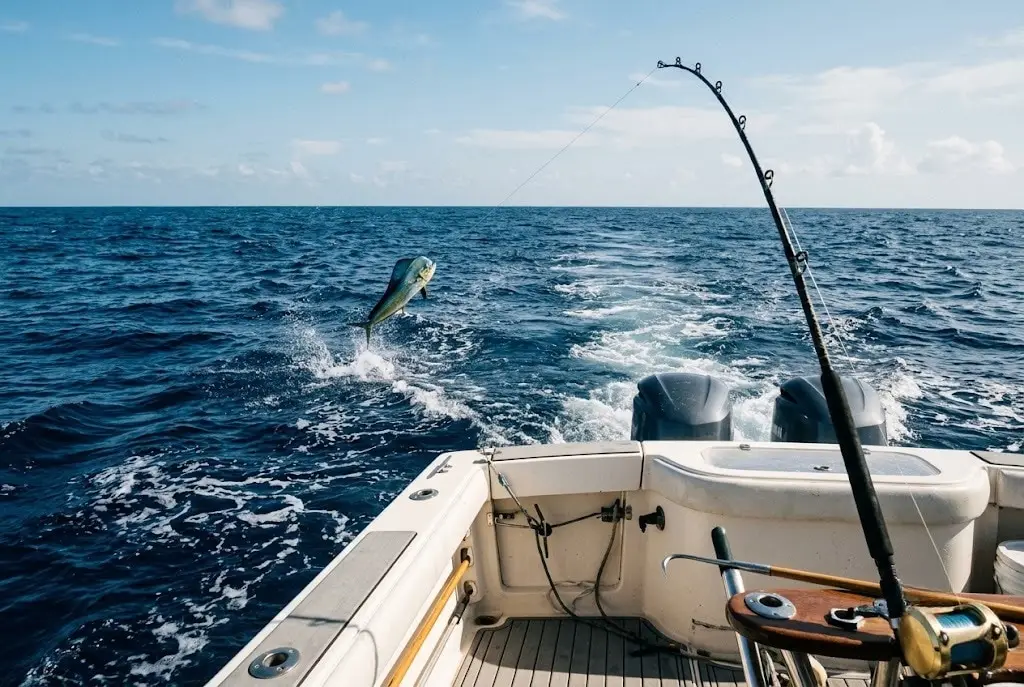
31 shown
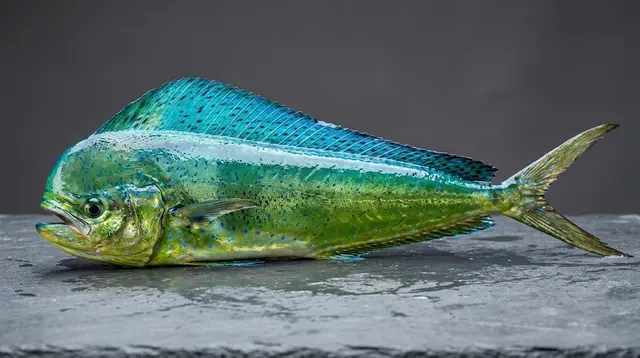
Mahi-Mahi
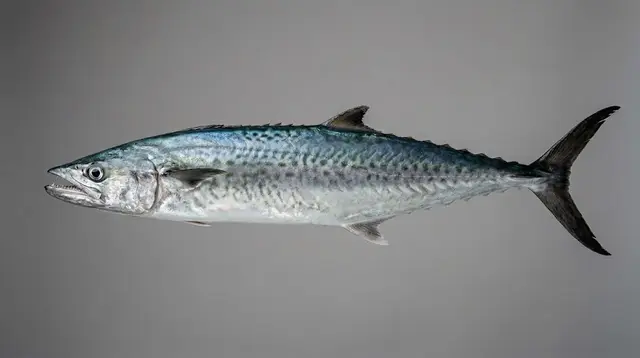
King Mackerel
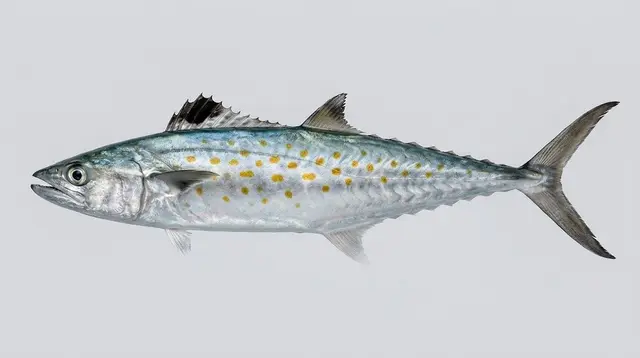
Spanish Mackerel
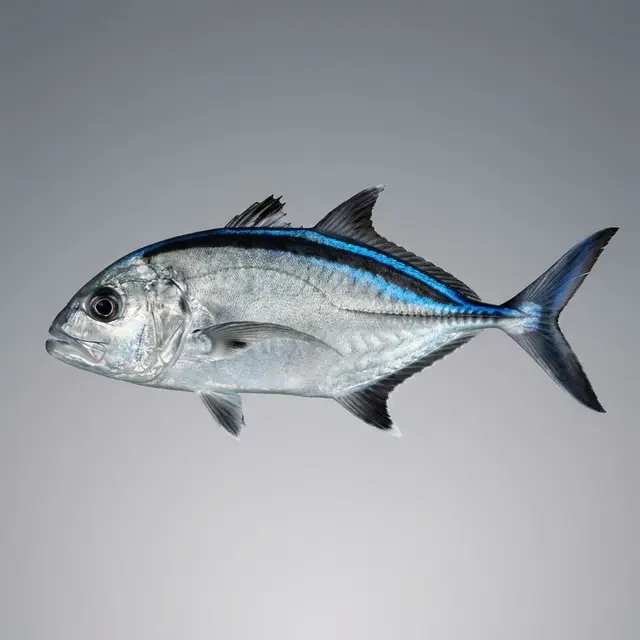
Bar Jack
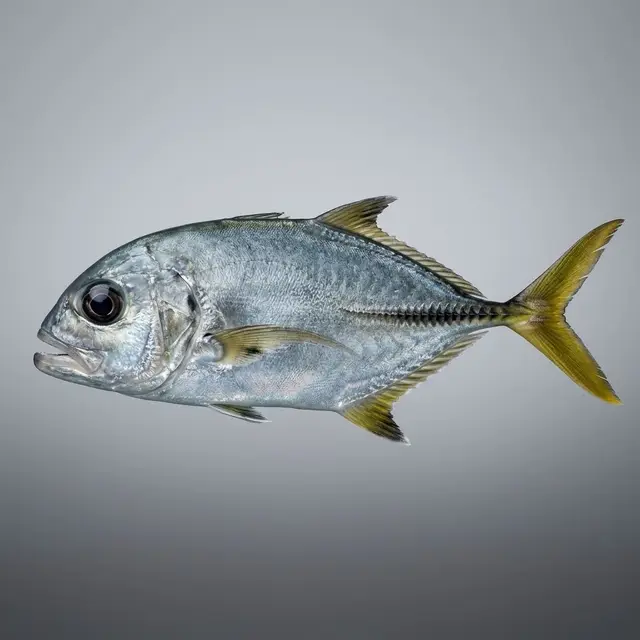
Horse-Eye Jack
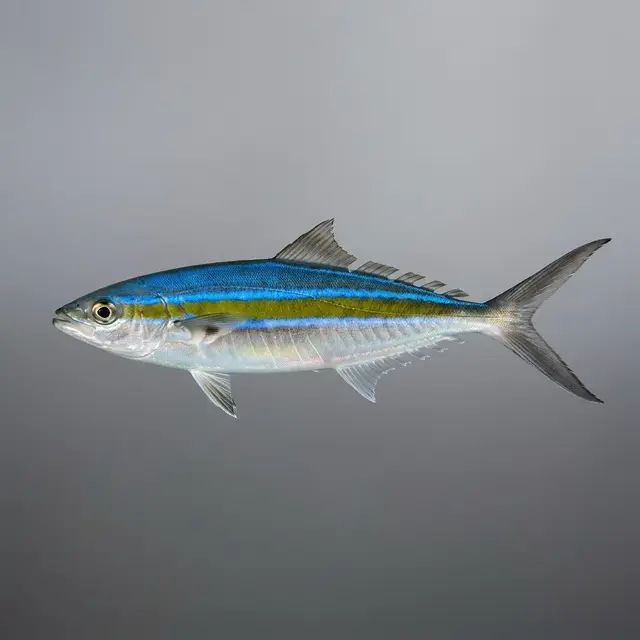
Rainbow Runner
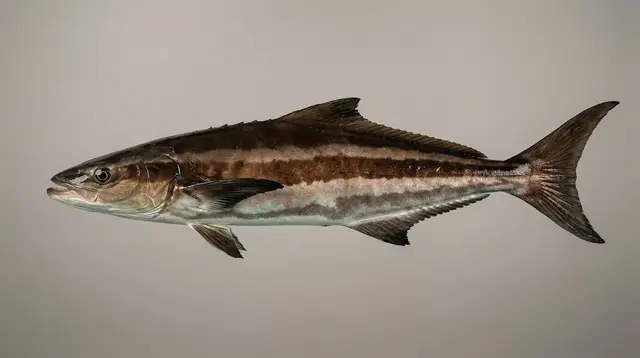
Cobia
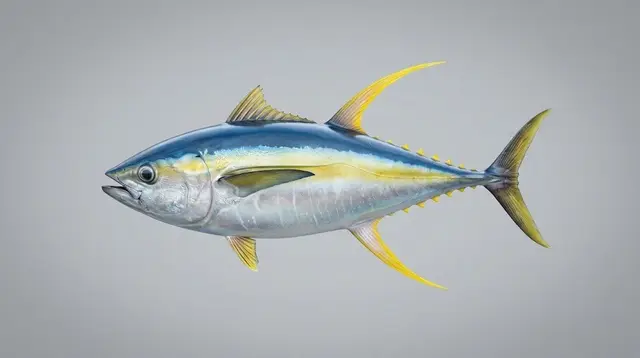
Yellowfin Tuna
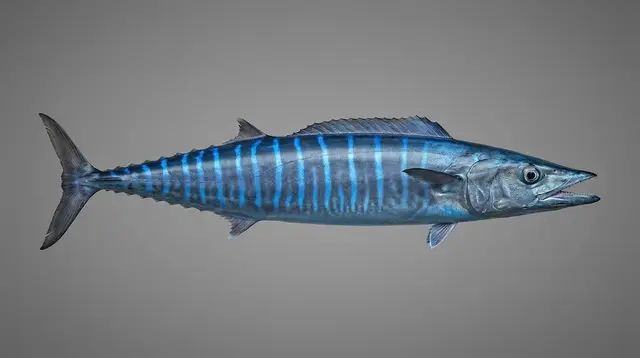
Wahoo
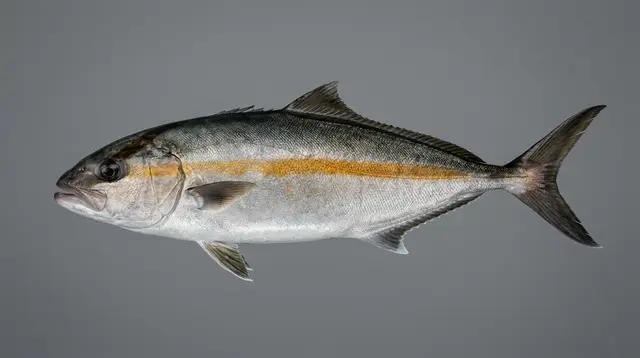
Greater Amberjack
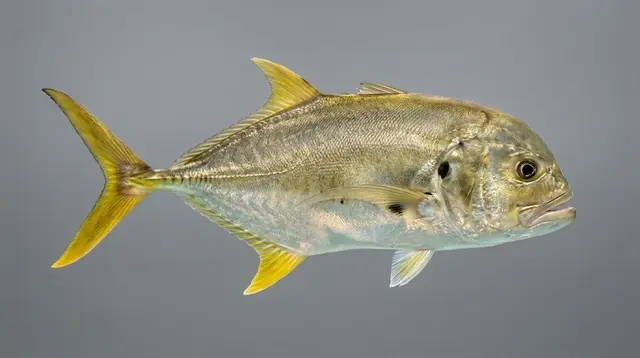
Crevalle Jack
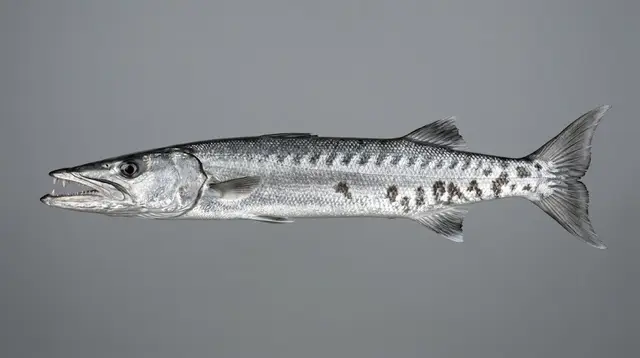
Great Barracuda
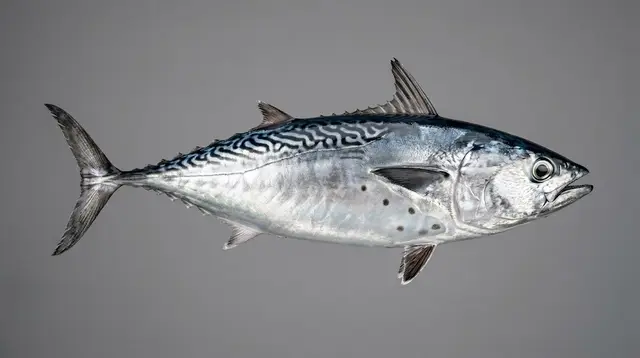
False Albacore
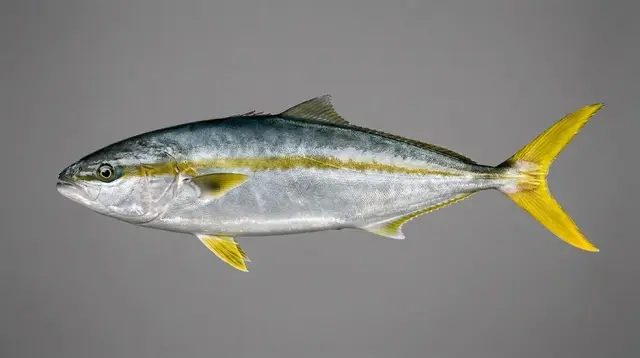
California Yellowtail
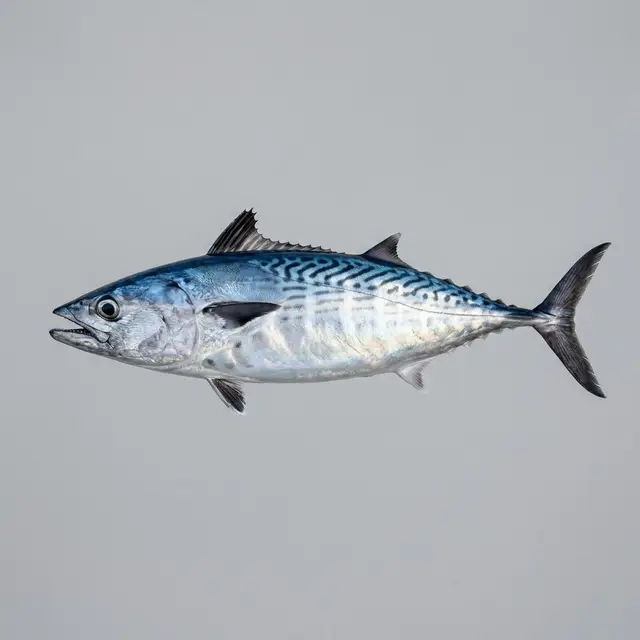
Atlantic Bonito
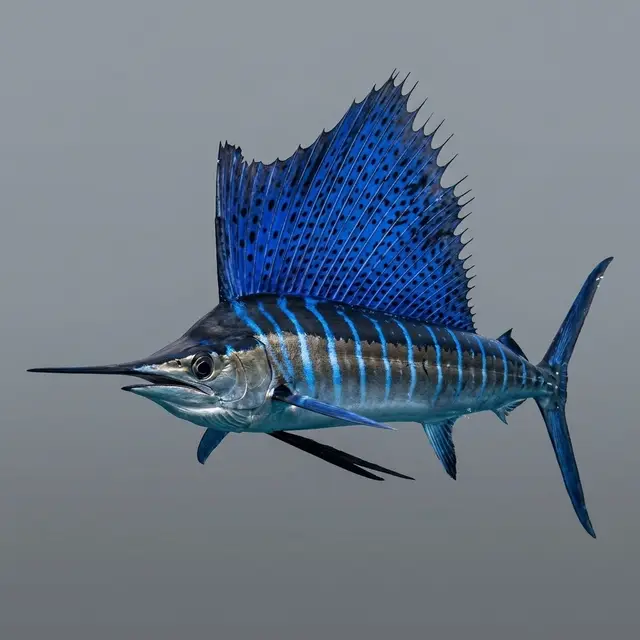
Sailfish
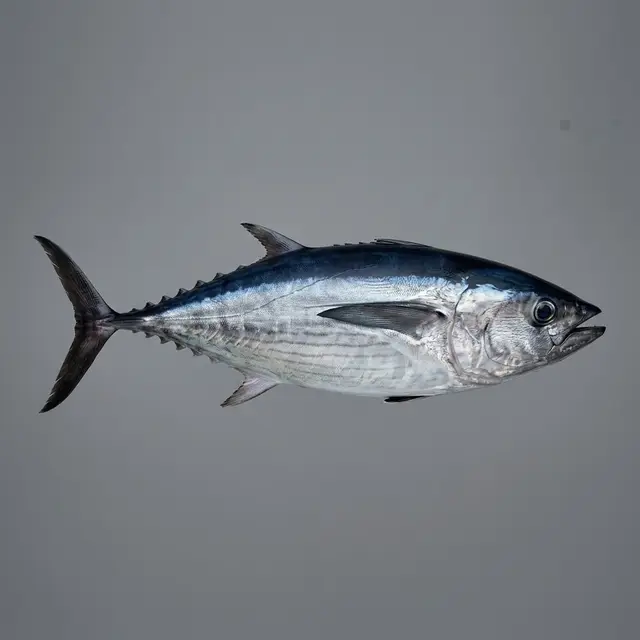
Blackfin Tuna
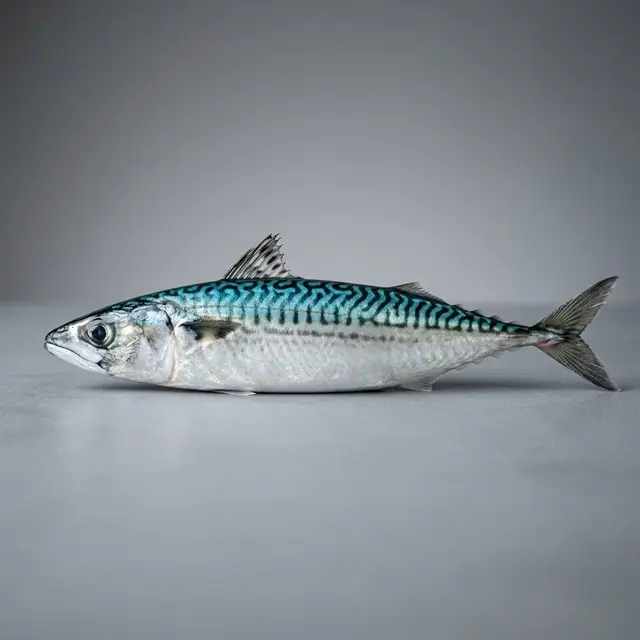
Atlantic Mackerel
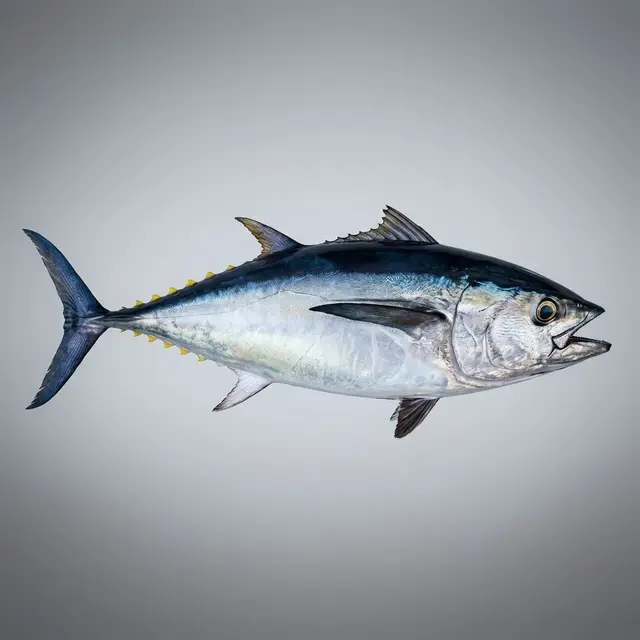
Atlantic Bluefin Tuna
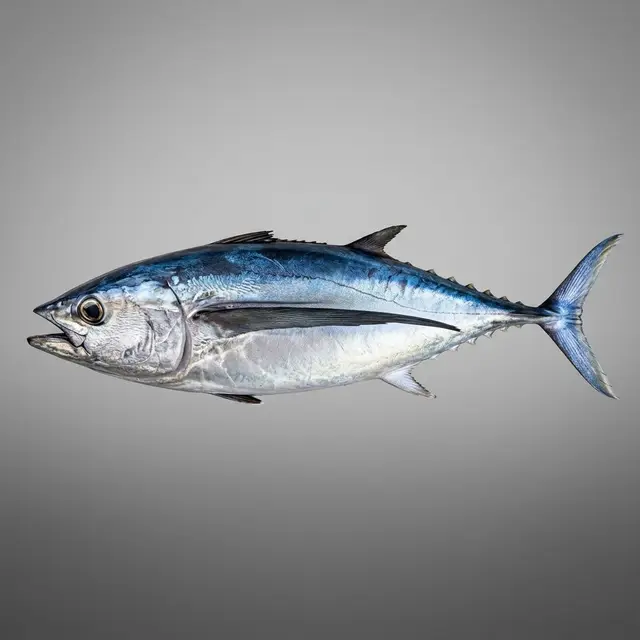
Albacore Tuna
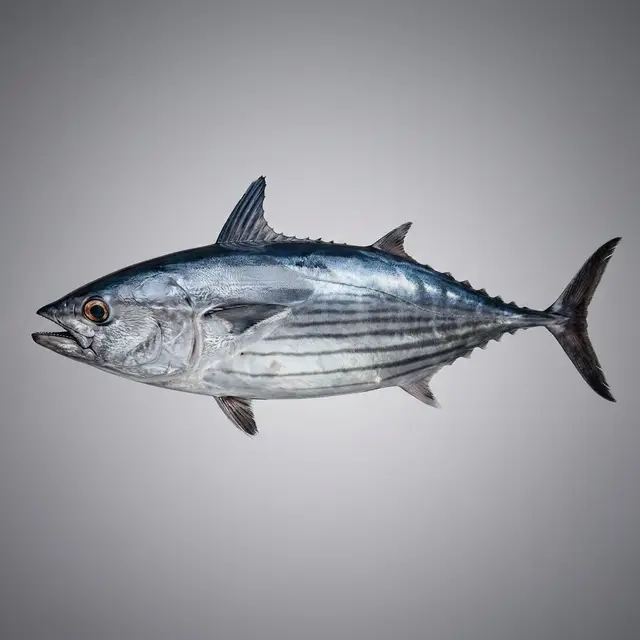
Skipjack Tuna
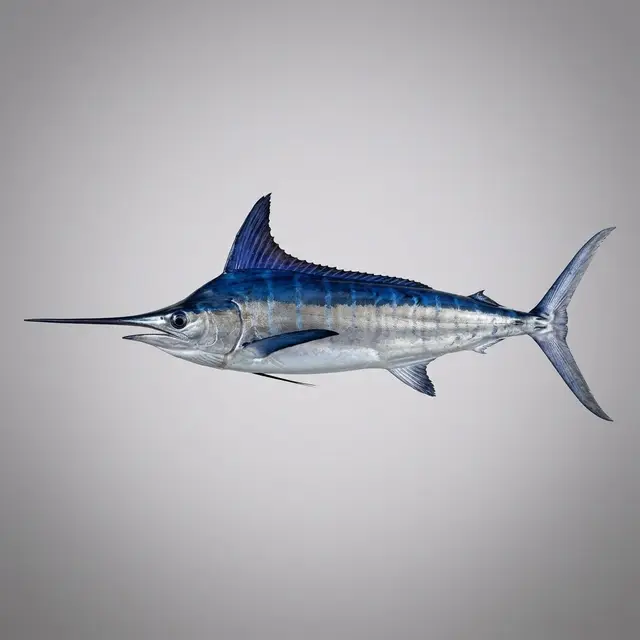
Blue Marlin
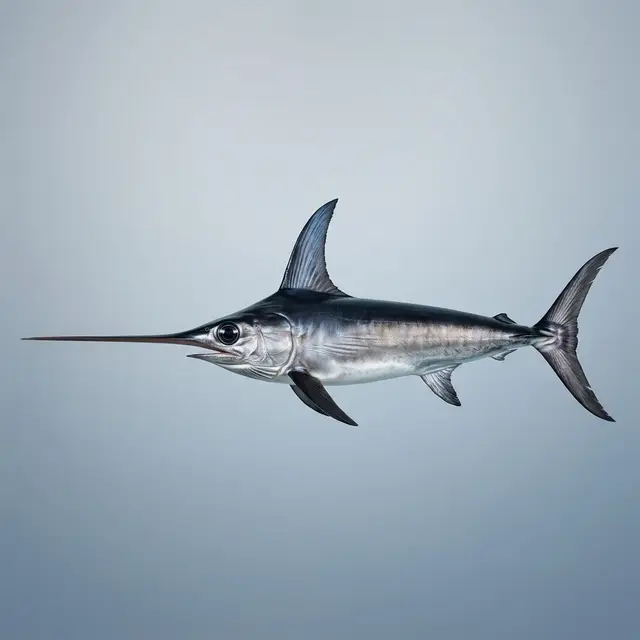
Swordfish
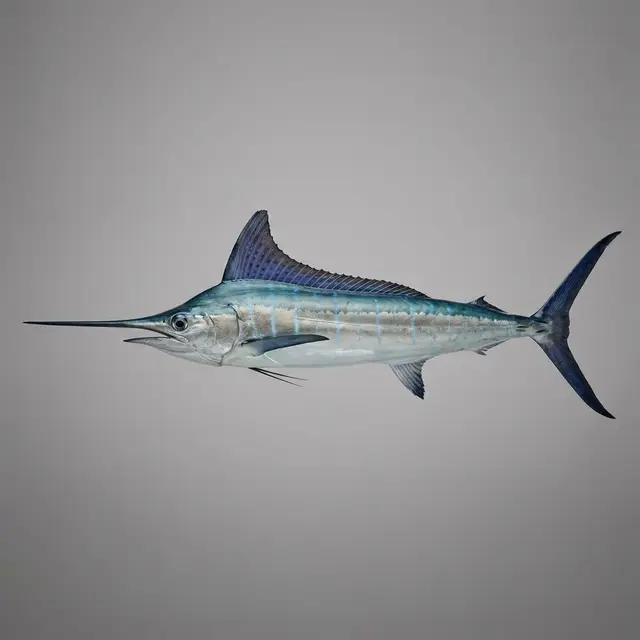
White Marlin
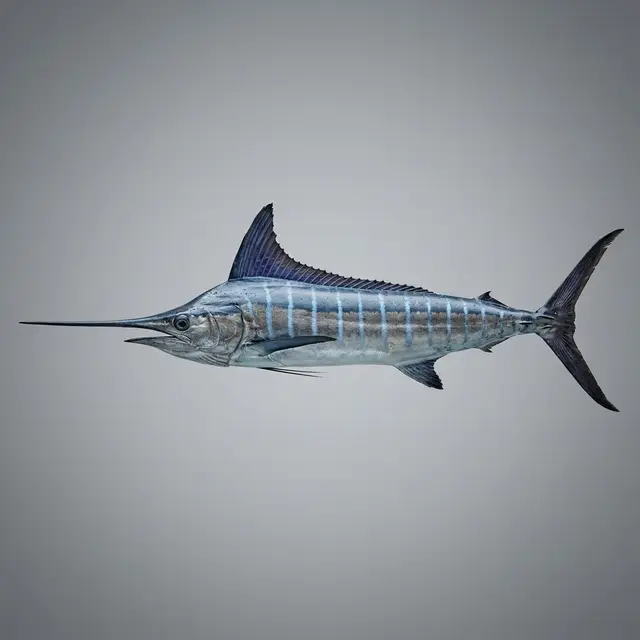
Striped Marlin
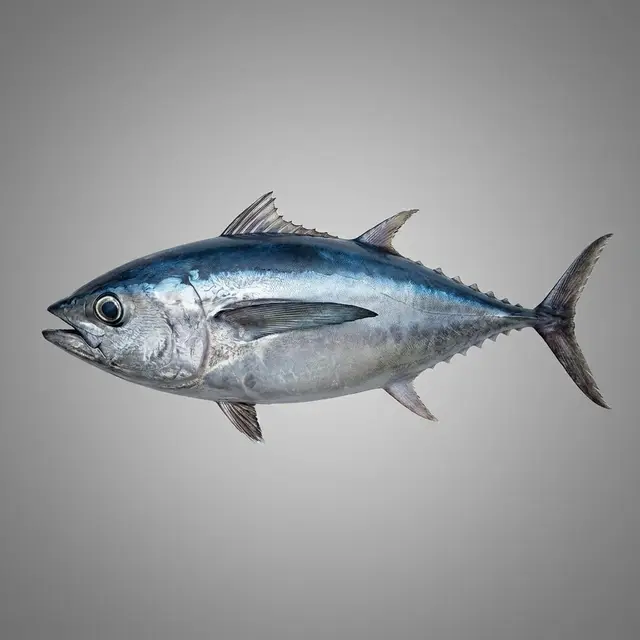
Bigeye Tuna
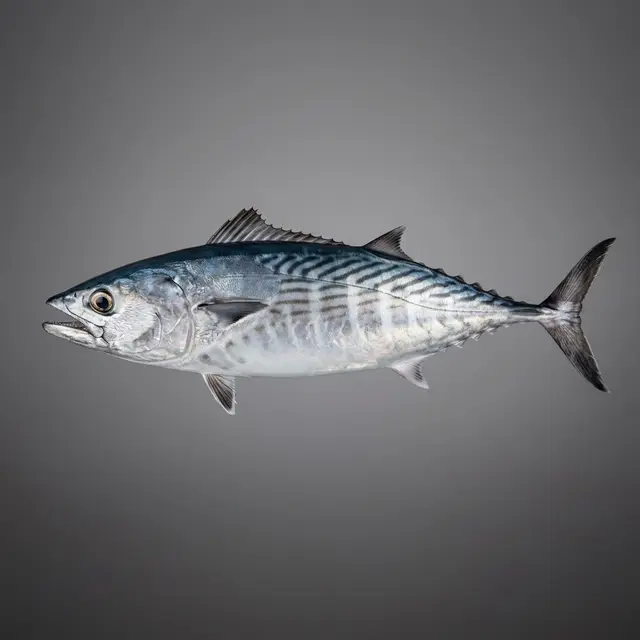
Pacific Bonito
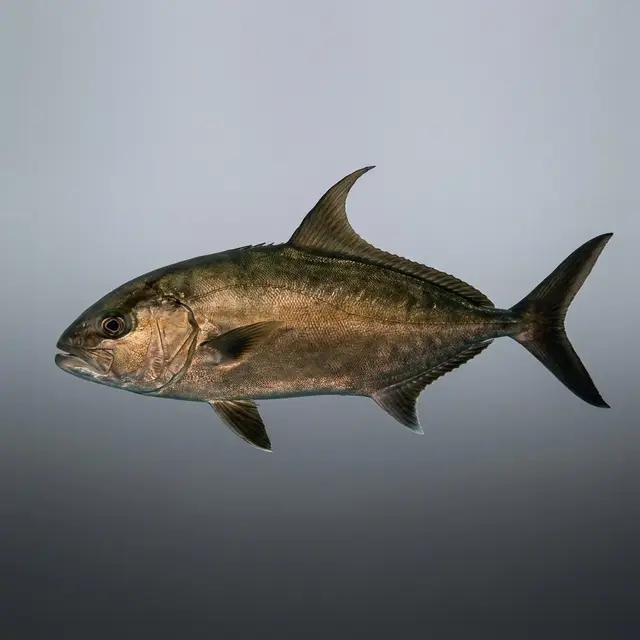
Almaco Jack
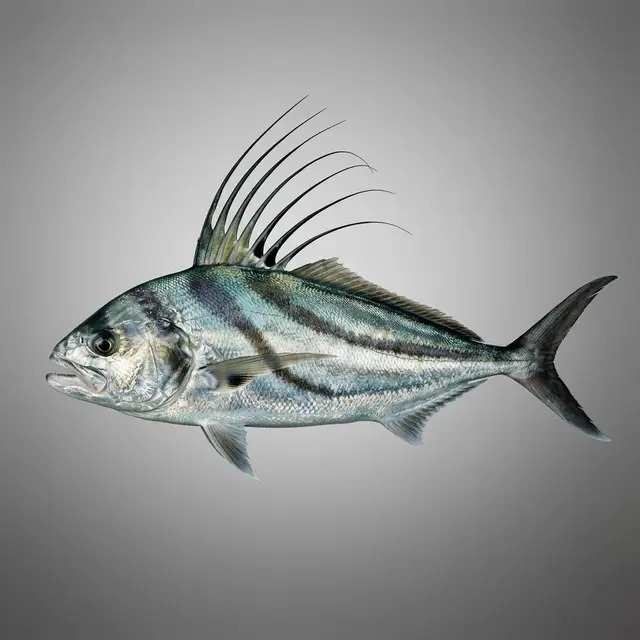
Roosterfish
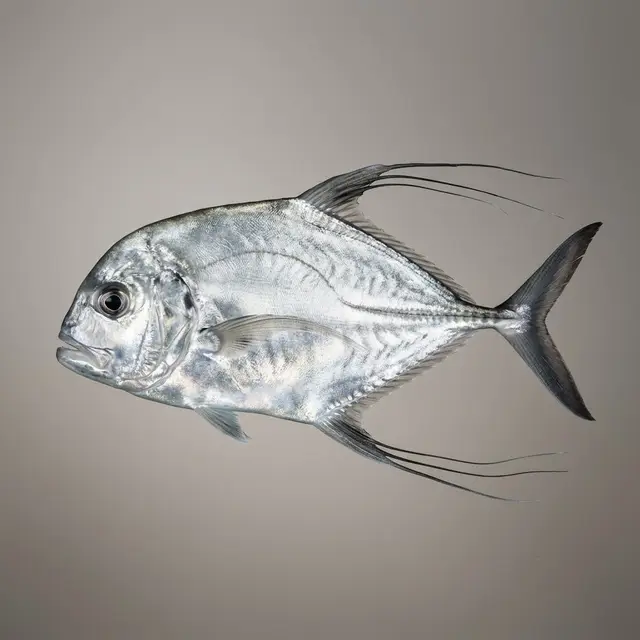
African Pompano
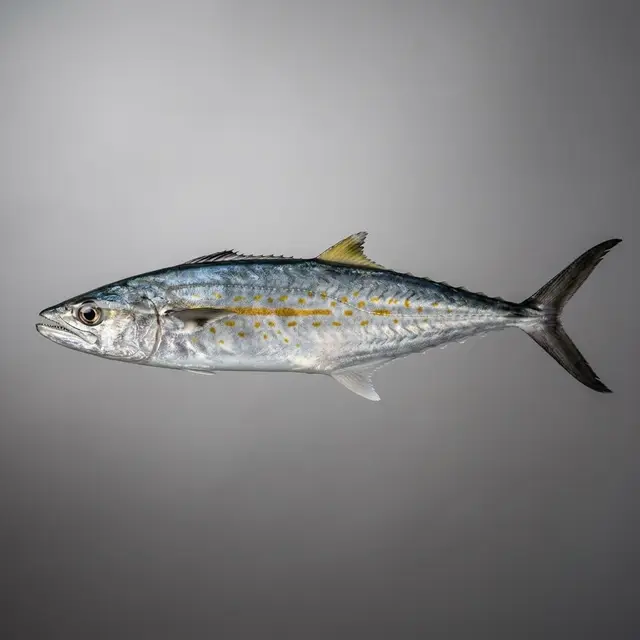
Cero Mackerel
No species match that search. Clear search
How to tell them apart
One identification cue for each species, from its profile. Open a profile for the full description, size and range.
- Mahi-Mahi
- The most distinctive sexual difference is the head: mature males ("bulls") develop a tall, blunt, vertical forehead, while females ("cows") have a smooth, rounded head.
- King Mackerel
- Two key features separate them: the lateral line of a king mackerel takes a distinct sharp dip beneath the second dorsal fin, and the front portion of the first dorsal fin is pale or uniform in color.
- Spanish Mackerel
- Two features cleanly separate Spanish from juvenile king mackerel: the front portion of the first dorsal fin is jet black, and the lateral line slopes gently and evenly toward the tail rather than dipping sharply.
- Bar Jack
- Slender and silvery, it is best told apart by the dark blue-black bar that runs the length of the back and drops into the lower lobe of the tail - a mark no other Atlantic jack shares.
- Horse-Eye Jack
- Look for a silvery, blue-gray to olive body, a deeply forked tail that is often dusky to yellowish, and a distinctly large eye.
- Rainbow Runner
- Look for a slender, cigar-shaped body and a deeply forked tail. The back is dark blue-green fading to a white belly, marked by two narrow electric-blue stripes with a broader olive-yellow band running between them along each flank.
- Cobia
- Cobia have a long, broad, somewhat flattened body that is dark chocolate-brown on the back fading to a paler belly, usually with a darker lateral stripe running from the snout through the eye to the tail.
- Yellowfin Tuna
- Yellowfin tuna are built for speed: a torpedo-shaped, metallic dark-blue body fading to silver-white below, with a band of yellow along the flank.
- Wahoo
- Wahoo can superficially resemble king mackerel, but the bold vertical stripes, more pointed snout, and elongated dorsal set them apart immediately.
- Greater Amberjack
- The most reliable identifying feature is a dark, diagonal "amberjack bar" or mask that runs from the mouth up through the eye to the front of the dorsal fin, more pronounced when the fish is excited or feeding.
- Crevalle Jack
- Two reliable field marks separate the crevalle from other jacks: a prominent round black spot on the gill cover (operculum) and a dark blotch at the base of each pectoral fin.
- Great Barracuda
- Great barracuda are unmistakable: long, slender, and torpedo-shaped, with a pointed head, a large jutting lower jaw, and a mouth full of formidable, dagger-like teeth designed for slashing prey in half.
- False Albacore
- A cluster of several dark spots is usually visible below the pectoral fin, between the pectoral and pelvic fins, which helps separate them from the similar Atlantic bonito.
- California Yellowtail
- California yellowtail are streamlined, torpedo-shaped fish built for speed, with a long body, a deeply forked tail, and the powerful musculature typical of the jack and amberjack family.
- Atlantic Bonito
- The Atlantic bonito is a compact, torpedo-shaped fish with the classic tuna-family look. Its steel-blue to greenish back carries dark, slanting stripes running diagonally onto the upper sides, fading to bright silvery flanks and belly.
- Sailfish
- Sailfish are unmistakable. The towering, sail-like first dorsal fin - often taller than the body is deep - is the signature feature, cobalt blue and spotted, folding down into a groove when the fish is cruising and flaring up during feeding or fighting.
- Blackfin Tuna
- The finlets running from the second dorsal and anal fins to the tail are dusky gray with at most a faint yellow wash - a key detail that separates blackfin from yellowfin tuna, whose finlets are bright yellow with a black edge.
- Atlantic Mackerel
- Atlantic mackerel are unmistakable once you have seen one. The body is slender and torpedo-shaped, iridescent blue-green on the back marked with a series of dark, wavy vertical bars, and bright silvery-white below.
- Atlantic Bluefin Tuna
- Bluefin are torpedo-shaped, metallic blue-black above and silver below, with short pectoral fins and a row of yellow finlets before the tail.
- Albacore Tuna
- Albacore are metallic dark-blue above and silver below with unmistakably long, sabre-like pectoral fins that reach past the anal fin - the surest way to tell them from other tunas.
- Skipjack Tuna
- Skipjack are streamlined and steel-blue above with silver sides marked by several bold dark horizontal stripes low on the belly - the surest ID among small tunas.
- Blue Marlin
- Blue marlin are cobalt-blue above and silvery-white below, with a spear-like bill, a high pointed dorsal fin, and pale vertical bars that flash when lit up.
- Swordfish
- Swordfish have a stout, scaleless body, a large eye, a tall stiff dorsal fin, and a long flat "sword" bill - broader and flatter than a marlin's round spear.
- White Marlin
- White marlin are lighter blue-green above with a rounded dorsal fin tip, rounded pectoral and anal fin tips, and often spotted fins, distinguishing them from the pointed-finned blue marlin.
- Striped Marlin
- Striped marlin are slate-blue above with silver sides marked by rows of pale blue vertical bars that glow when the fish lights up, a tall pointed dorsal fin, and a slender body.
- Bigeye Tuna
- Bigeye tuna have, as the name says, notably large eyes, a deep robust body, metallic dark-blue back and silver sides, and long pectoral fins.
- Pacific Bonito
- The oblique back stripes distinguish them from tunas and mackerel.
- Almaco Jack
- Almaco jacks are dusky, with faint amber or olive stripes down the sides, a dark upper body and a lighter belly that can look brassy or lavender, and a dark bar running back from the eye.
- Roosterfish
- Roosterfish are silvery with two dark curved bands sweeping down the body and a spectacular set of seven long, thread-like dorsal spines that fold down or rise like a rooster's comb.
- African Pompano
- African pompano are deep, flat and brilliantly silver, metallic blue to blue-green above, with a steep, blunt, curved head.
- Cero Mackerel
- The solid lateral stripe with spots separates them from the spotted Spanish mackerel and the plain-sided king mackerel.
Browse all saltwater fish, or explore other groups: Inshore & Surf Reef & Bottom Sharks & Dogfish
Trolling tackle
Boat rod holders A spread starts with rods that stay where you set them. Check price Downrigger Puts the lure at the depth the fish are holding. Check price Planer boards Carry the lines out to the side, away from the boat's noise. Check price Trolling spoons Flutter and flash at speed, in sizes for most predators. Check price
As an Amazon Associate we may earn from qualifying purchases - at no extra cost to you. We link gear types, not sponsors' picks: you choose the exact product.