Best-Eating Freshwater Fish
An honest ranking of the best-tasting freshwater fish - walleye, perch, crappie, trout and channel catfish - with the cooking method that suits each, plus a word on big bass.
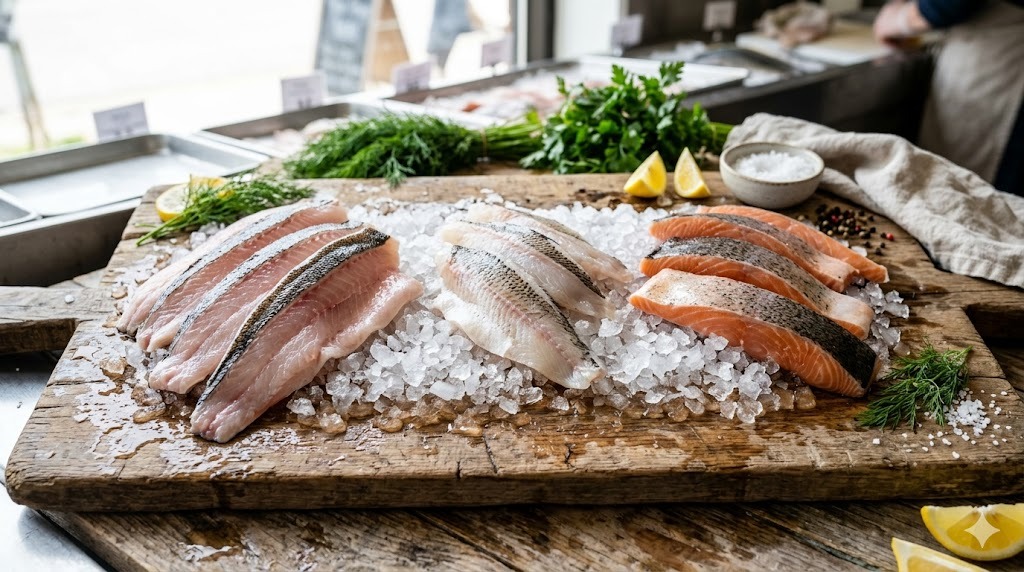
The best-eating freshwater fish are walleye and yellow perch at the top - sweet, clean, and firm - followed by crappie and other panfish, trout, and a properly handled channel catfish. The one most people should release rather than eat is the big bass.
Not every fish that fights well eats well, and a few of the best-eating species barely put up a struggle. If you keep fish for the table, it helps to know which ones reward the effort and how each one likes to be cooked. Here’s an honest run-down of the freshwater fish worth keeping, with the method that suits each, and a note on the one most people should let go.
Part of our Catch & Cook series - the half of fishing that happens after the net: cleaning, cooking and eating what you keep.
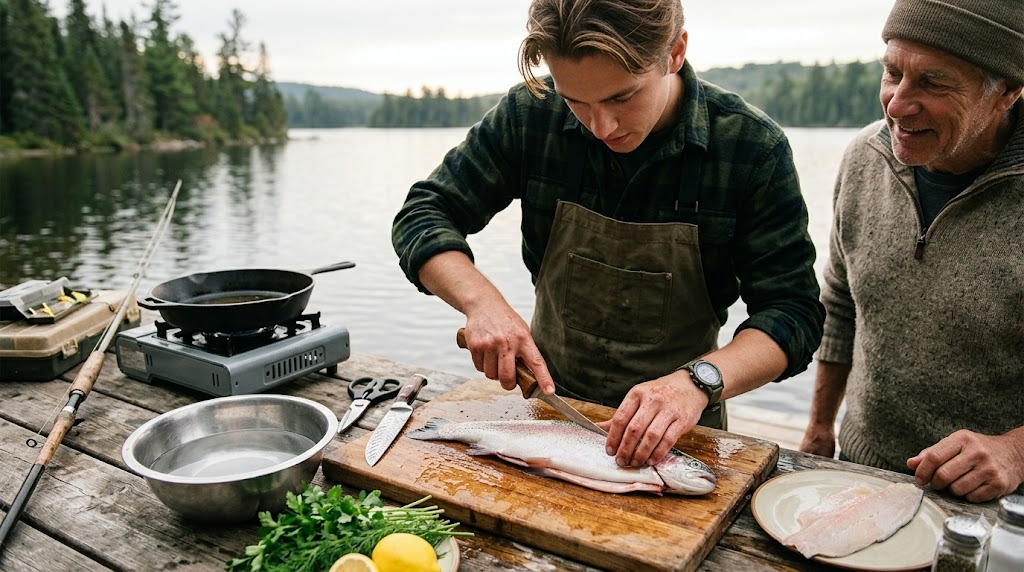
This is the “what to keep and how” guide. For the knife work that comes first, see cleaning and filleting fish.
Walleye - the freshwater benchmark
Ask a dozen anglers across the northern lakes and most will name walleye first. The flesh is white, firm but delicate, sweet, and almost completely without “fishy” character. It’s the fish other freshwater fish get compared to.
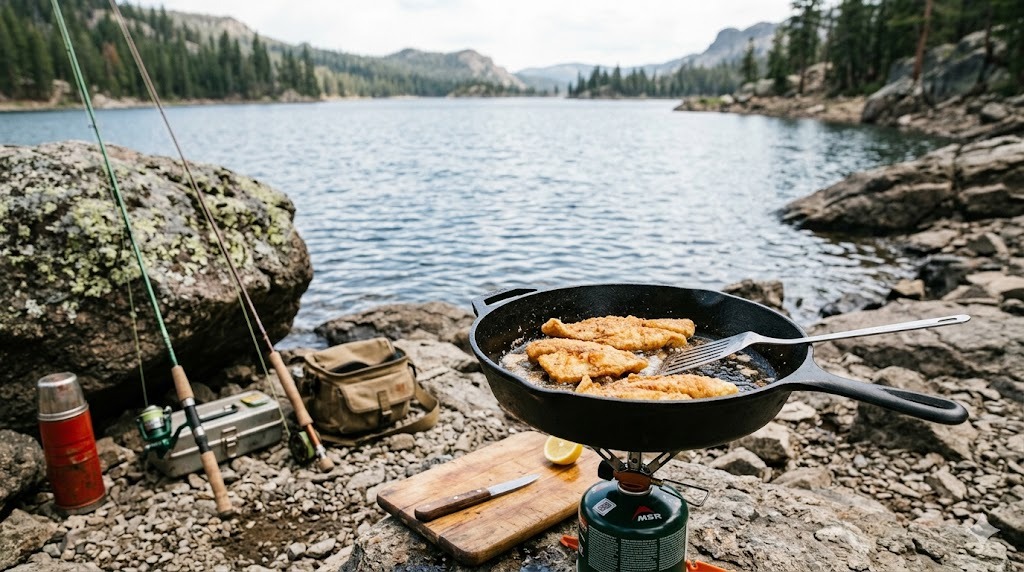
- Best cooked: pan-fried in a light flour or cornmeal dredge, where the clean flavour and fine flake shine. A simple shore-lunch fry is hard to beat.
- It’s also excellent baked or broiled with butter and herbs.
- Don’t overpower it. Heavy batter or strong sauces waste what makes walleye special.
Yellow perch - small, but arguably the sweetest
Pound for pound, yellow perch may be the best-tasting panfish in fresh water. The fillets are small, so you’ll clean a lot of them for a meal, but the flavour is sweet, clean and firm, and many fans rate it above walleye.
- Best cooked: fried. The fillets are thin and cook in a minute or two a side, crisping beautifully in a cornmeal dredge.
- A “perch fry” of crisp little fillets is a genuine reason to target a school.
- Because they’re small, fry hot and fast and don’t crowd the pan.
Crappie and other panfish - the everyman’s fillet
Crappie, bluegill and other sunfish are abundant, easy to catch, and reliably tasty. The flesh is white, mild and a touch sweet, leaning flaky and tender rather than firm.
- Best cooked: fried, the classic, but they also take well to a quick bake or a hot grill on foil.
- Crappie fillets are a little bigger and more forgiving than bluegill; bluegill are small and best done whole-fillet and fried.
- These are the ideal fish for cooking with kids and for first-time filleting practice - low stakes and high reward.
Trout - rich, versatile, and skin worth crisping
Trout sits a little apart: the flesh is richer and oilier than the white-fleshed species above, which makes it flavourful and forgiving. Stocked rainbow, wild brook and lake-run fish all eat well.
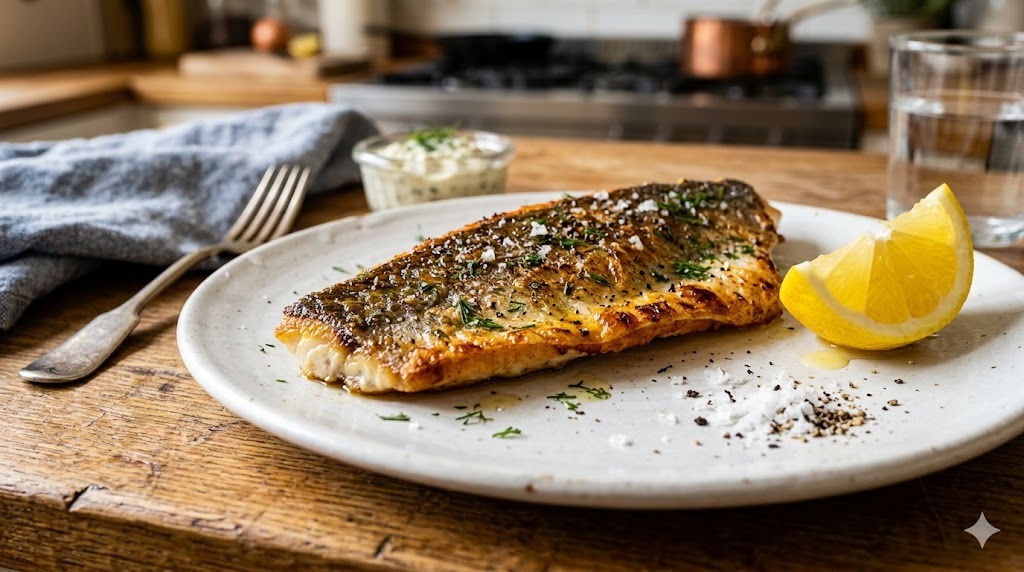
- Best cooked: there’s no wrong answer. Pan-fry skin-on for crisp skin, bake whole stuffed with lemon and herbs, or smoke it - trout takes smoke as well as any freshwater fish.
- The natural oil keeps it moist, so it’s hard to dry out compared with lean white fish.
- Smaller stream trout are superb cooked whole; larger fish fillet cleanly.
Channel catfish - underrated, when handled right
Wild-caught catfish has a reputation for muddy flavour, and a poorly handled one earns it. But a channel catfish from clean water, bled and iced promptly, is firm, mild and excellent.
- Best cooked: the deep-fried, cornmeal-crusted catfish of the South is a classic for a reason. The firm flesh also holds up well in a Cajun blackened skillet or on the grill.
- Handling is everything. Bleed it, ice it, and skin it (catfish have no scales but a tough skin), and trim away any reddish lateral fat where off-flavours concentrate.
- Smaller channel cats taste cleaner than big old ones.
A word on big bass - let them go
Largemouth and smallmouth bass are catchable and edible, and a small one from clean water can be decent eating, leaning toward a firmer, white fillet. But the case for releasing the big ones is strong.
- A large bass is a prime spawner, and trophy fish take many years to grow. Releasing big bass protects the fishery far more than a single meal is worth.
- Bass also tend to taste better from cool, clean water and noticeably worse from warm, weedy ponds.
- If you fish for bass, consider it largely a catch-and-release pursuit and take your table fish from the abundant panfish and walleye instead.
A few rules that apply to all of them
The species matters, but handling matters just as much. The best-eating fish in the world is ruined by being left to flop in a hot bucket.
- Keep the catch cold from the moment it’s dispatched - on ice, not in a warm livewell, if it’s headed for the pan.
- Bleed fish promptly for the cleanest flavour, and fillet sooner rather than later.
- Cook fish to an internal temperature of about 145F (63C), until opaque and flaking.
- Don’t eat fish from waters under a posted consumption advisory or known contamination, and check local advice on species and size, since older, larger fish can carry more contaminants. These are general guidelines.
For methods and recipes across all of these, our catch and cook guide ties the cleaning, cooking and food-safety pieces together.