Trout, Salmon & Whitefish
30 freshwater species in this group - identification, habitat, seasons, tackle, baits and technique for each.
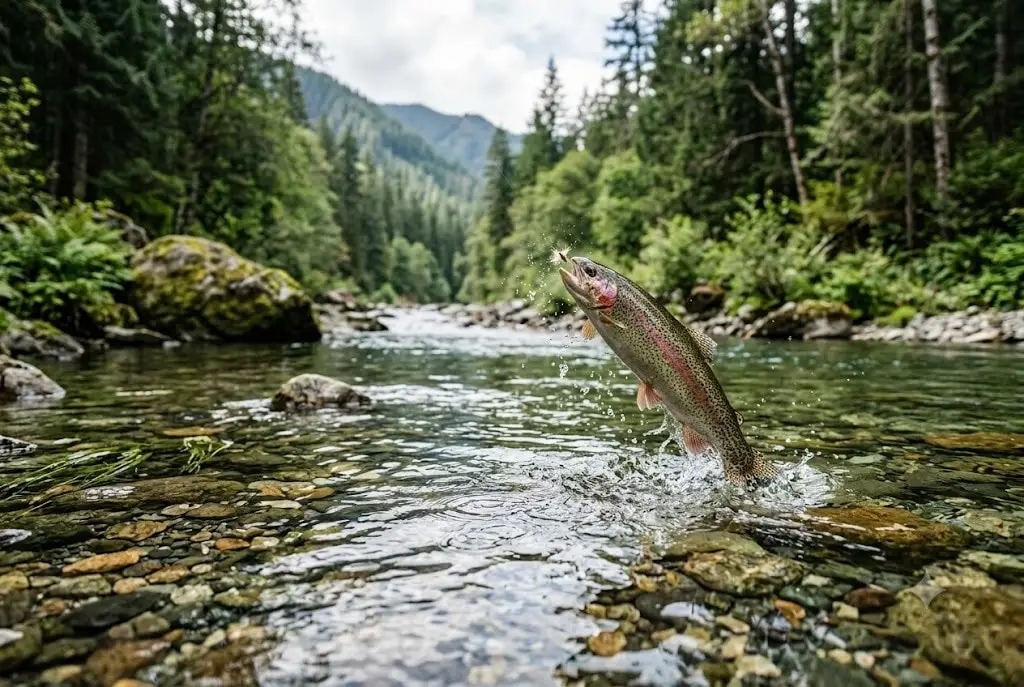
30 shown
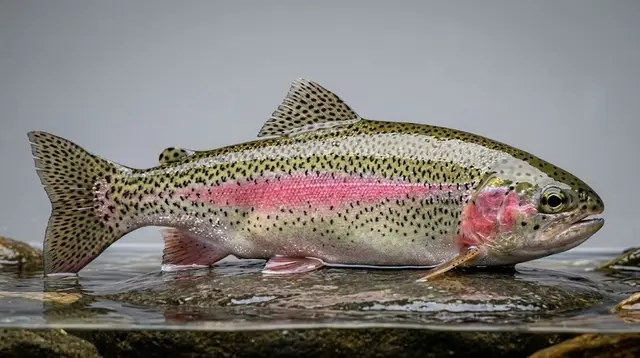
Rainbow Trout
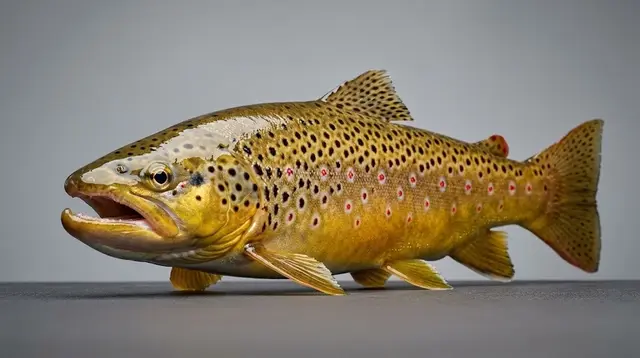
Brown Trout
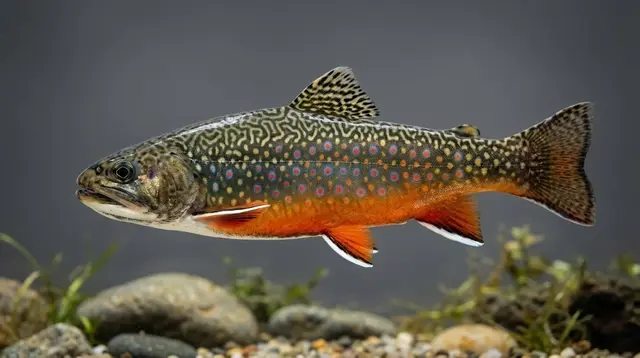
Brook Trout
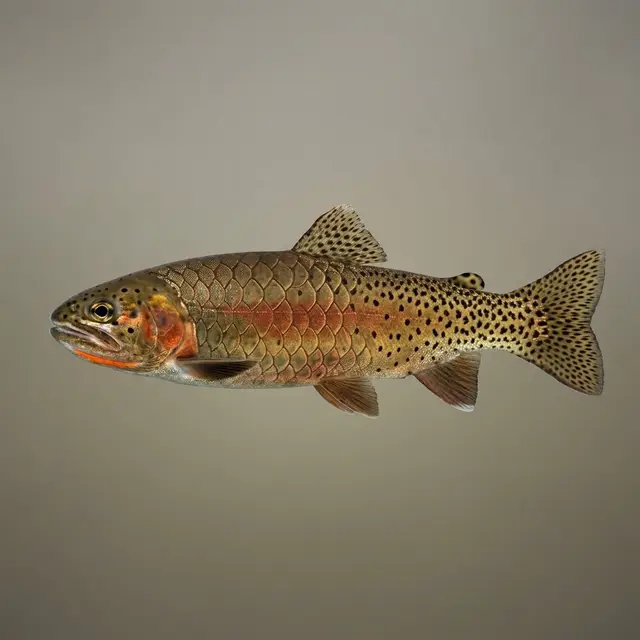
Lahontan Cutthroat Trout
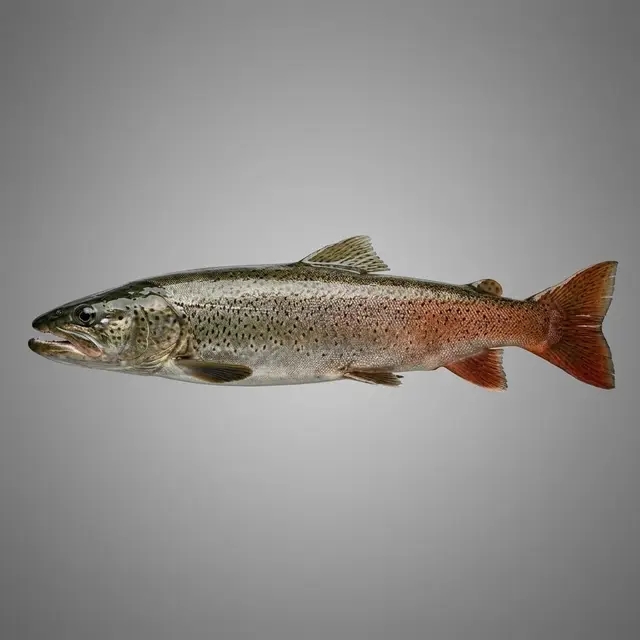
Taimen
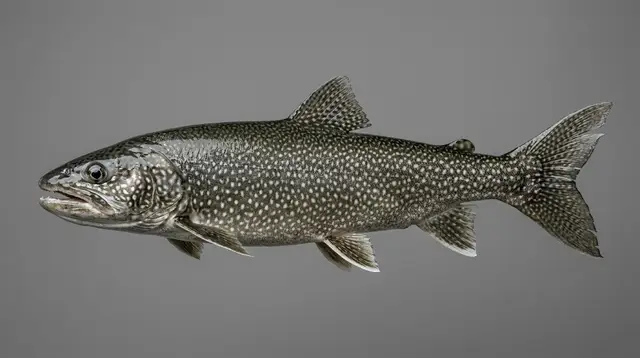
Lake Trout
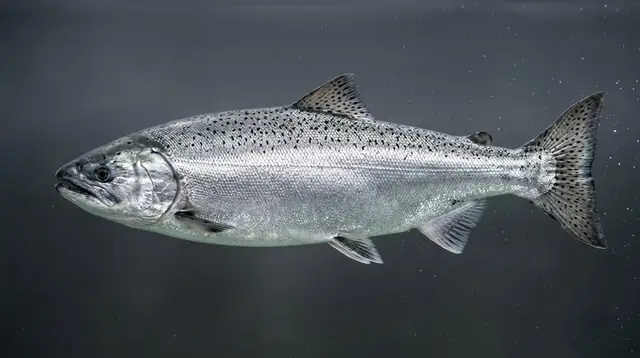
Chinook Salmon
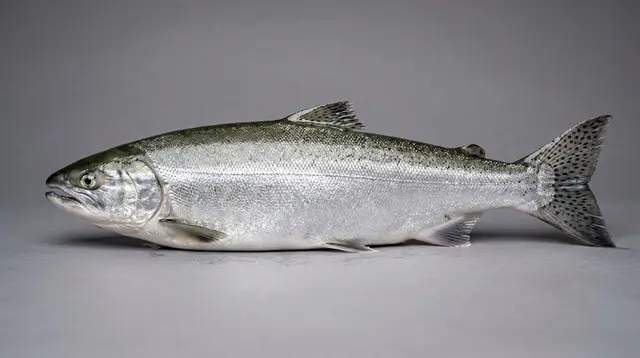
Coho Salmon
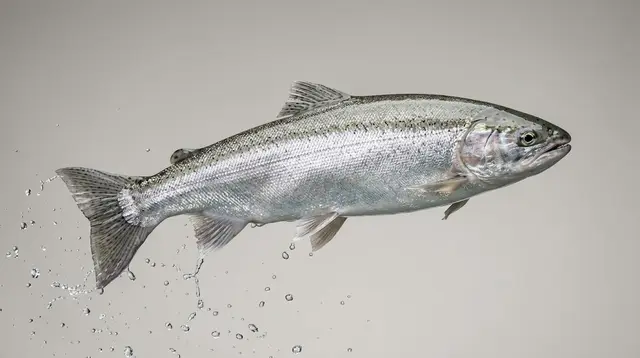
Steelhead
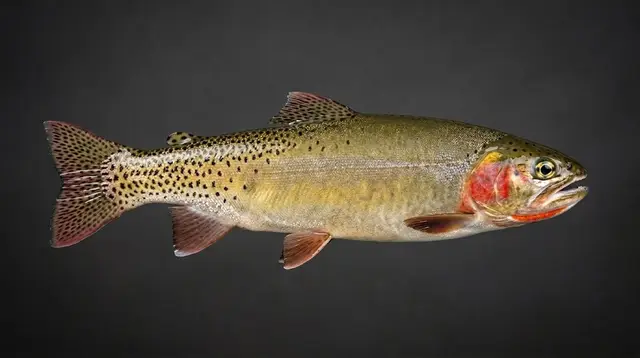
Cutthroat Trout
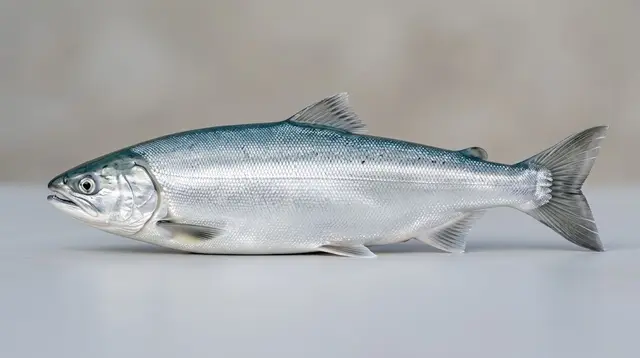
Kokanee Salmon
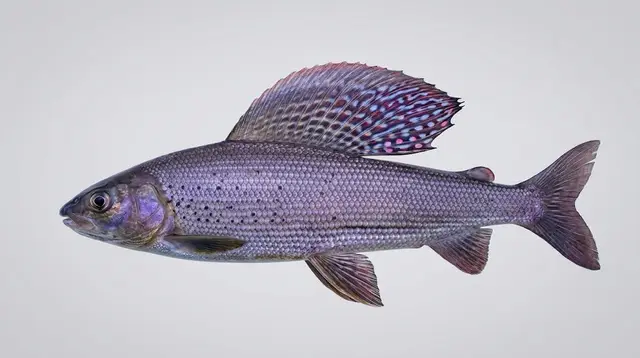
Arctic Grayling
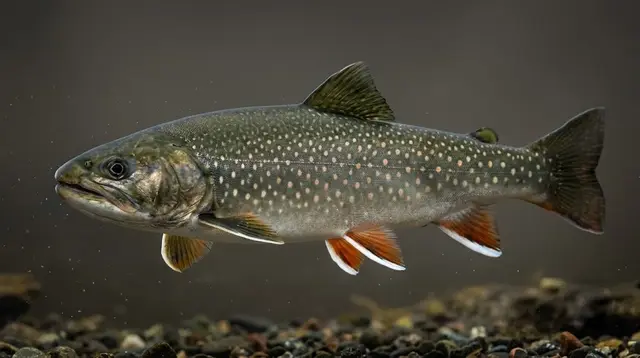
Bull Trout
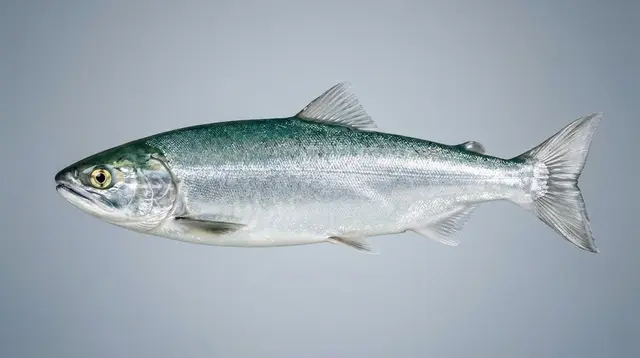
Sockeye Salmon
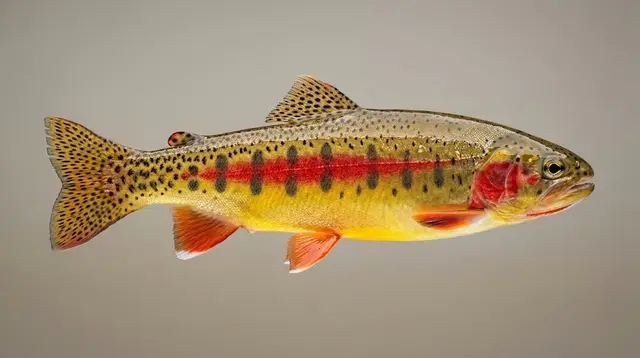
Golden Trout
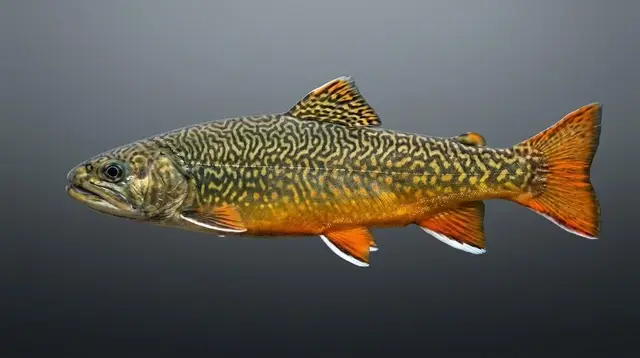
Tiger Trout
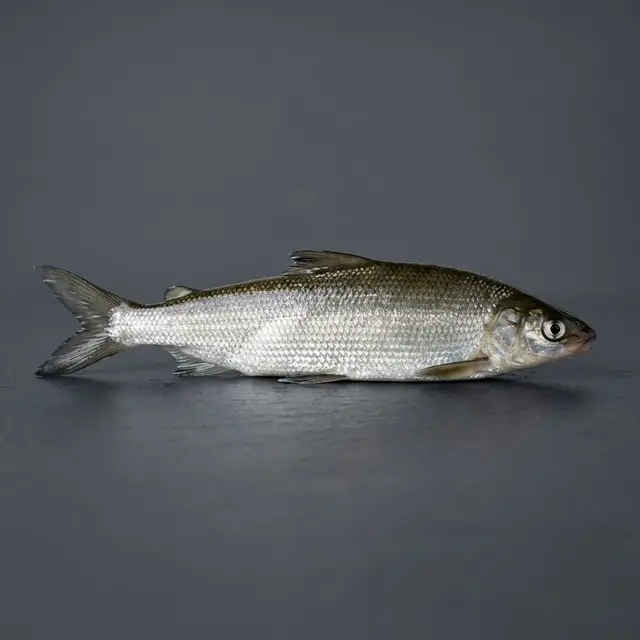
Lake Whitefish
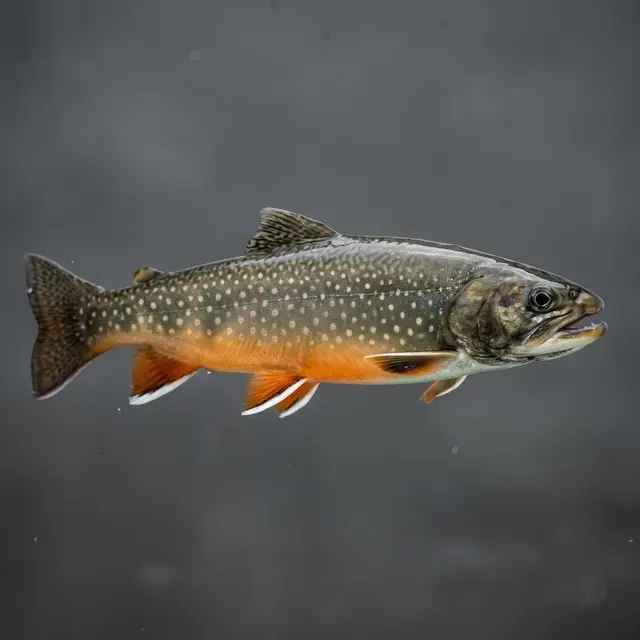
Dolly Varden
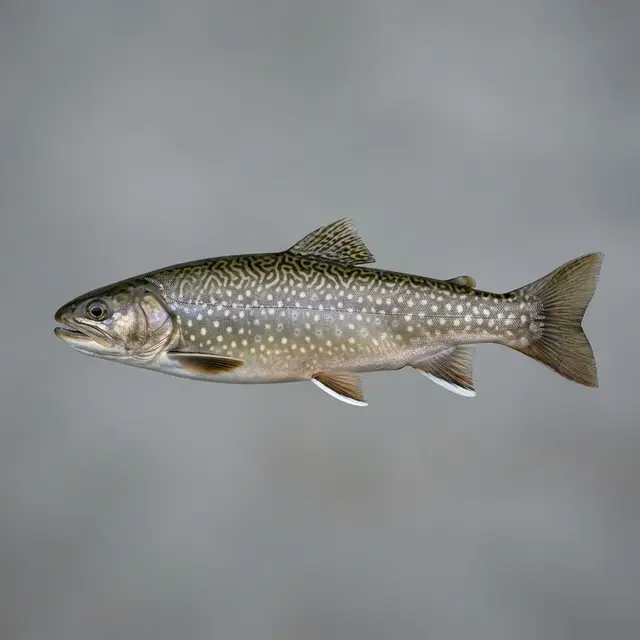
Splake
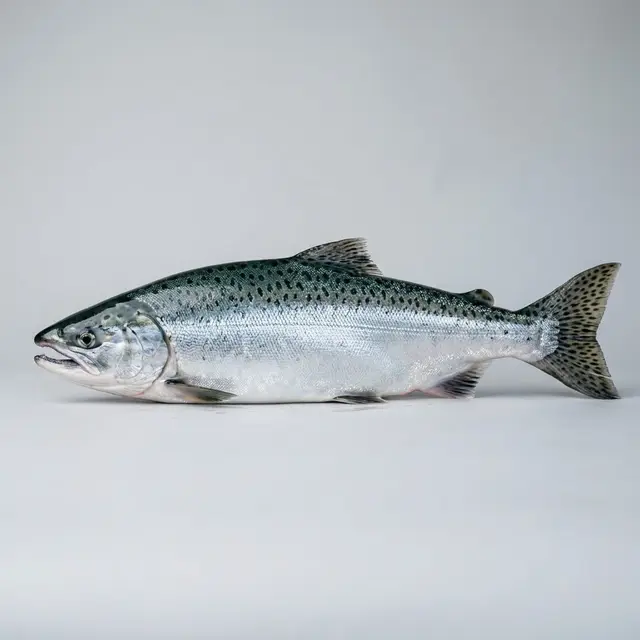
Pink Salmon
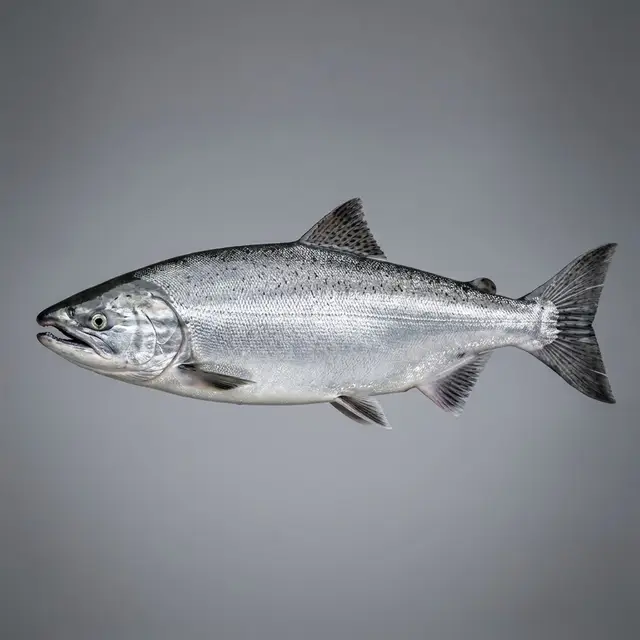
Chum Salmon
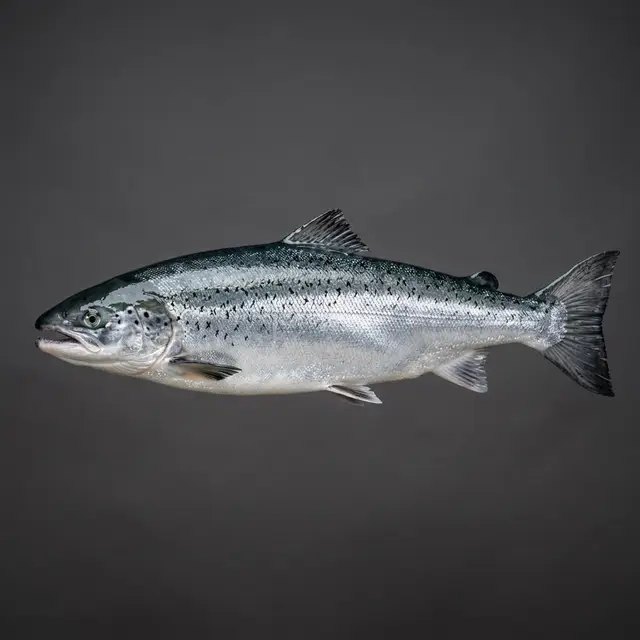
Atlantic Salmon
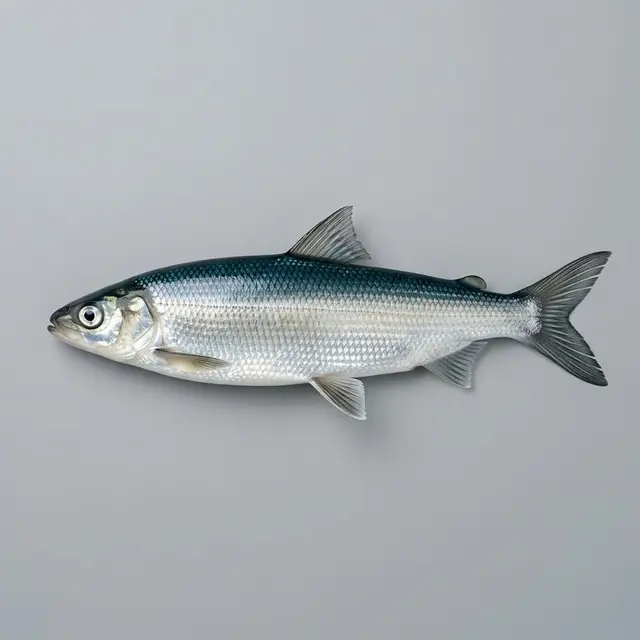
Cisco
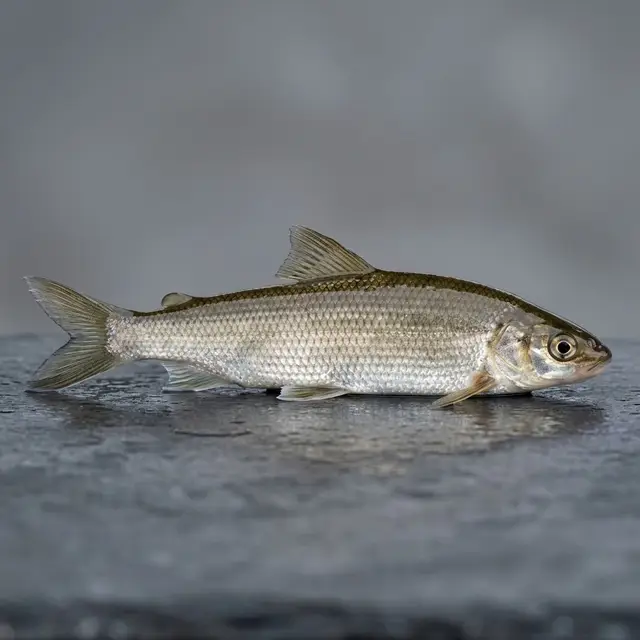
Mountain Whitefish
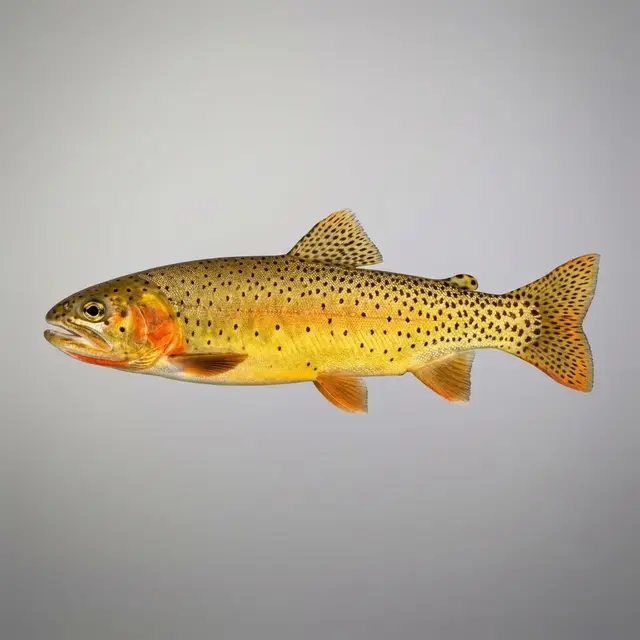
Apache Trout
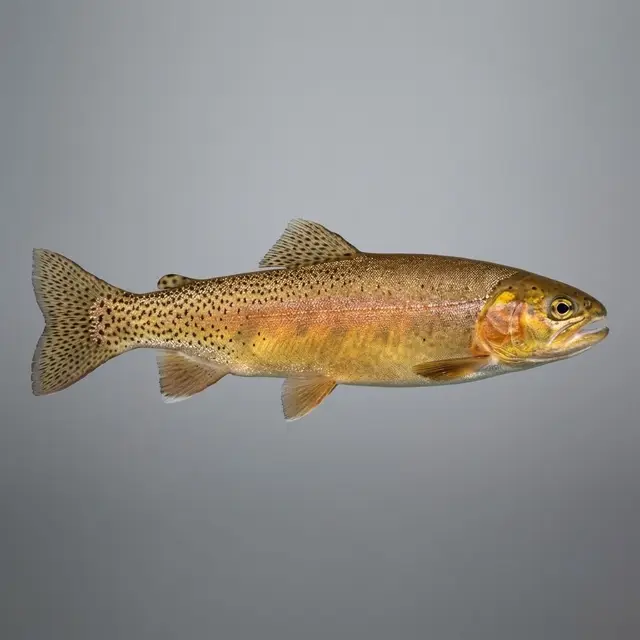
Gila Trout
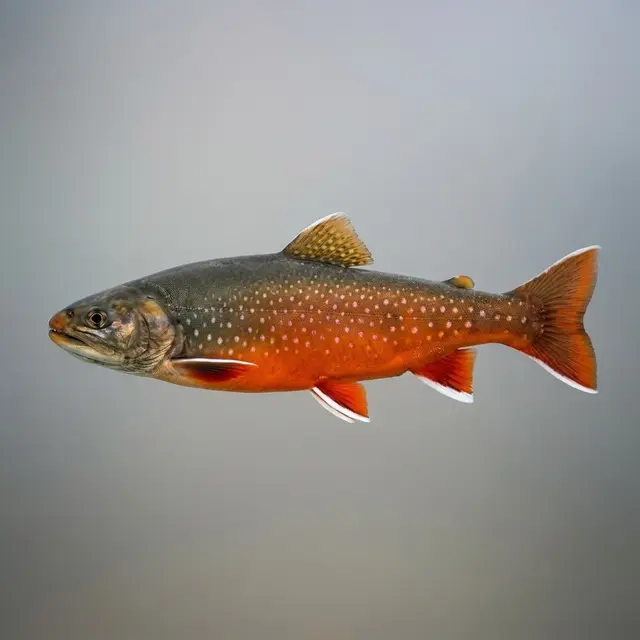
Arctic Char
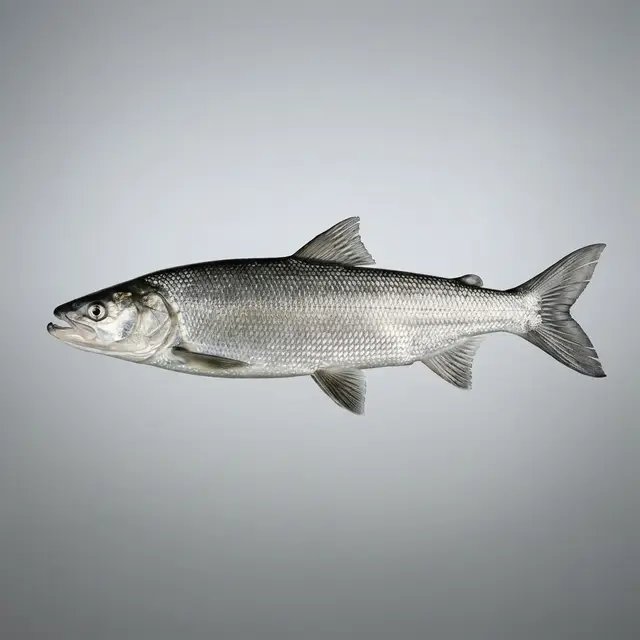
Inconnu (Sheefish)
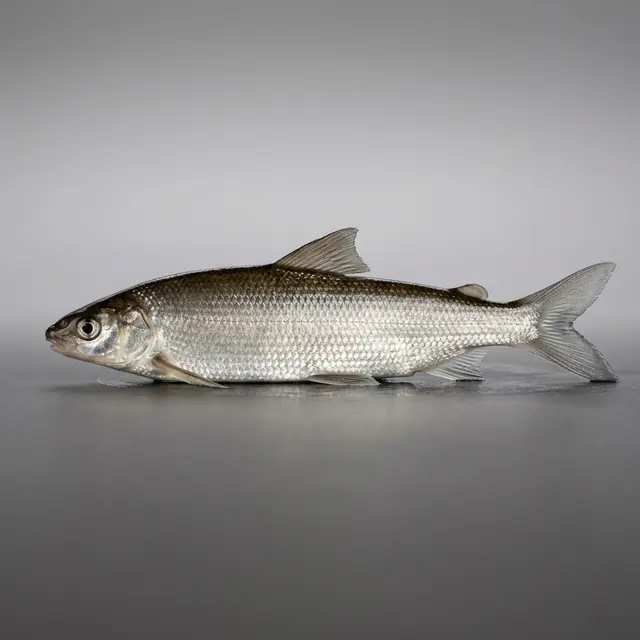
Round Whitefish
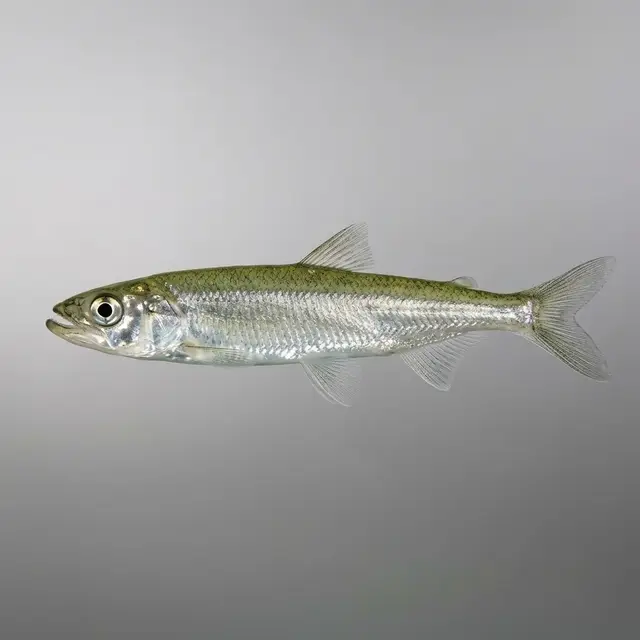
Rainbow Smelt
No species match that search. Clear search
How to tell them apart
One identification cue for each species, from its profile. Open a profile for the full description, size and range.
- Rainbow Trout
- The rainbow is unmistakable when in good color: a silvery to greenish body with a broad band of pink, red, or rose running along the lateral line from gill to tail, giving the fish its name.
- Brown Trout
- Unlike rainbow trout, the brown trout has very few or no spots on its squarish tail.
- Brook Trout
- The brook trout is one of the most beautiful freshwater fish in North America. Its dark olive-green back is overlaid with a distinctive pale, worm-like marbled pattern called vermiculation, which extends onto the dorsal fin and the squarish tail.
- Lahontan Cutthroat Trout
- Lahontan cutthroat are coppery to olive with profuse dark spots and the orange-red slash under the jaw that names all cutthroats.
- Taimen
- Its sheer length and thick, muscular build separate it from any trout or char you have caught.
- Lake Trout
- The lake trout is, despite its name, a char - closely related to the brook trout. It has a long, somewhat torpedo-shaped body colored gray to greenish or brownish, covered with a dense scattering of pale, irregular spots over the back, sides, head, and fins.
- Chinook Salmon
- This black mouth distinguishes the Chinook from the similar coho salmon, which has a lighter gum line.
- Coho Salmon
- The identification features that separate it from a Chinook are precise and important.
- Steelhead
- A fresh steelhead straight from salt or a lake is unmistakable: bright silver, almost mirror-chrome on the flanks, with a clean white belly and a dark blue-green back.
- Cutthroat Trout
- Most have a moderately spotted body, a rounded snout, small teeth on the back of the tongue (the basibranchial teeth used to distinguish them from rainbows), and no white leading edges on the lower fins.
- Kokanee Salmon
- In its primary lake phase, the kokanee is a sleek, streamlined, bright-silver fish with a deep blue or greenish back, fine speckling, and no large black spots on the body or tail - a key feature separating it from trout and other salmon.
- Arctic Grayling
- The Arctic grayling is unmistakable. Its body is slender and trout-like, silvery-gray with a wash of iridescent purple, blue, and bronze that shifts in the light, scattered along the flanks with small dark spots concentrated toward the front of the body.
- Bull Trout
- Because it is a char, the bull trout shows light spots on a dark background, never the dark spots or wormlike vermiculations a true trout or a brook trout displays.
- Sockeye Salmon
- The single best field mark is what is missing: sockeye have very fine or essentially absent spotting on the back and tail, far fewer spots than other Pacific salmon, which is the quickest way to tell them apart.
- Golden Trout
- The golden trout is one of the most vividly colored freshwater fish in North America. Its flanks are a brilliant gold to brassy yellow that deepens to red-orange low on the body and along the belly, and a bold crimson or rosy stripe runs the length of the lateral line.
- Tiger Trout
- Unlike a rainbow or brown trout, a tiger trout has no clear spots over most of its body; instead the whole side is covered in those bold squiggling stripes.
- Lake Whitefish
- Its small mouth, silvery color, and adipose fin distinguish it from suckers and from the closely related but more slender ciscoes, which have an upturned rather than downturned mouth.
- Dolly Varden
- The Dolly Varden has the classic char body plan: a long, streamlined shape, a slightly forked tail, and small scales that give the skin a smooth look.
- Splake
- The splake looks like an intermediate blend of its two char parents, which can make it tricky to identify.
- Pink Salmon
- The small size, tiny scales, and boldly spotted tail together make the pink salmon easy to tell apart from its larger cousins.
- Chum Salmon
- The chum salmon is a large, deep-bodied Pacific salmon, bright silver in the ocean with a slender tail base and, unlike the pink, only faint speckling rather than heavy spots.
- Atlantic Salmon
- The Atlantic salmon is a streamlined, powerful fish with a slightly forked tail and a small adipose fin.
- Cisco
- The lower jaw typically projects slightly beyond the upper, distinguishing it from close whitefish relatives.
- Mountain Whitefish
- The mountain whitefish has a slender, cylindrical, silvery body that is rounder in cross-section than a trout's.
- Apache Trout
- They closely resemble the Gila trout but occupy a separate range.
- Gila Trout
- Gila trout are copper-gold with fine, profuse dark spots concentrated toward the back and tail, and a faint yellow cutthroat-like coloring.
- Arctic Char
- Char are silvery in the sea and deep orange to brilliant red when spawning, with pale pink or cream spots on a darker body and white-edged lower fins.
- Inconnu (Sheefish)
- Sheefish are big and silvery with a large mouth, a projecting lower jaw, and the deeply forked tail of a whitefish.
- Round Whitefish
- Round whitefish are cylindrical and bronze to olive above with silver sides, a small mouth, dark-edged scales on the back that form a fine net-like pattern, and the forked tail of a whitefish.
- Rainbow Smelt
- Smelt are slim and silvery with a translucent greenish back, a large mouth with tiny teeth, an adipose fin, and a faint iridescent side stripe.
Browse all freshwater fish, or explore other groups: Bass Sunfish & Crappie Walleye, Perch & Pike Catfish & Bullhead Carp, Gar & Rough Fish
Tackle for trout
Trout lures Lure styles anglers actually throw for this species - size to your water. Check price Spinning combo One balanced combo covers most freshwater work. Check price Tackle organizer Trays by species beat one big junk drawer. Check price Braid + fluoro leader Braid for feel, a fluorocarbon leader for stealth. Check price
As an Amazon Associate we may earn from qualifying purchases - at no extra cost to you. We link gear types, not sponsors' picks: you choose the exact product.