Carp, Gar & Rough Fish
34 freshwater species in this group - identification, habitat, seasons, tackle, baits and technique for each.
34 shown
Gizzard Shad
Threadfin Shad
Flannelmouth Sucker
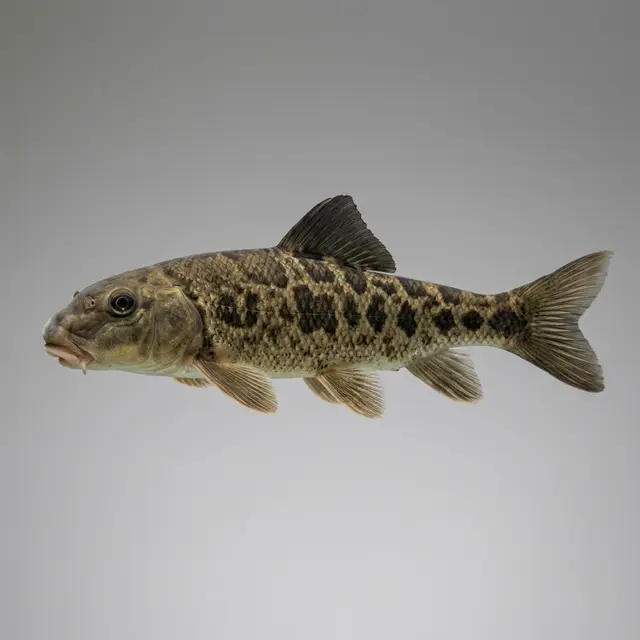
Northern Hog Sucker
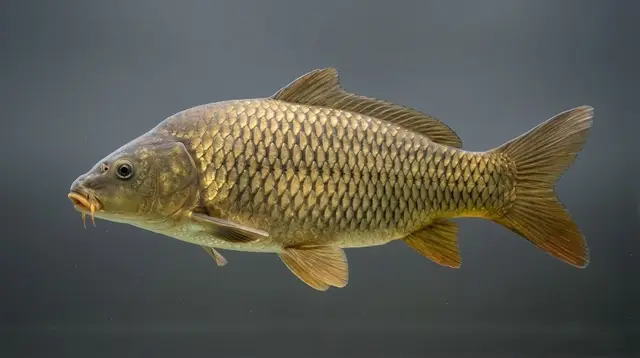
Common Carp
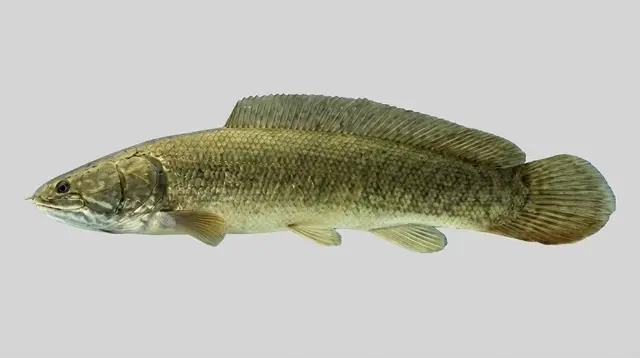
Bowfin
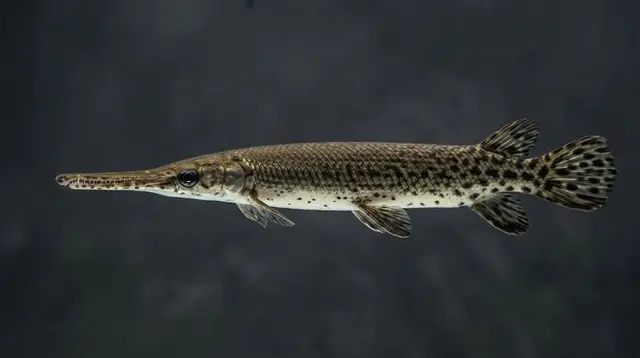
Longnose Gar
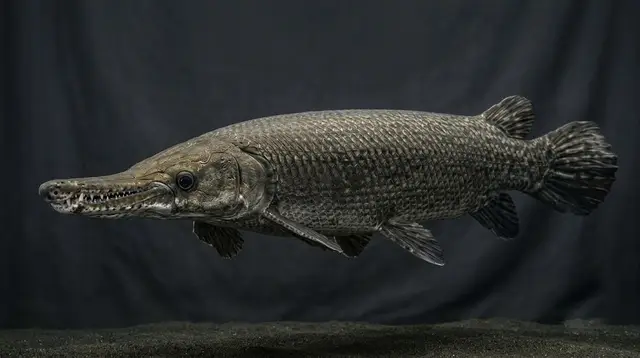
Alligator Gar
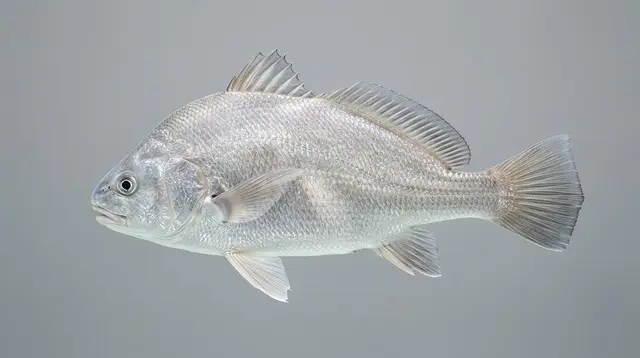
Freshwater Drum
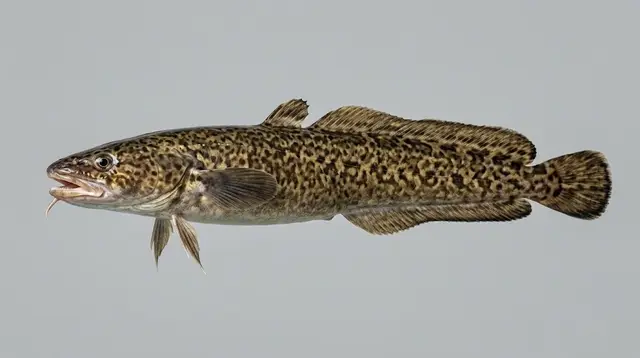
Burbot
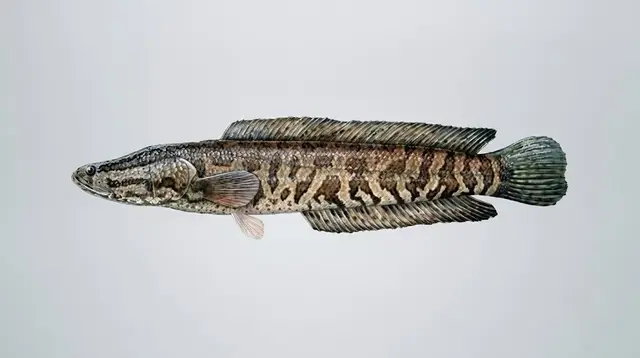
Northern Snakehead
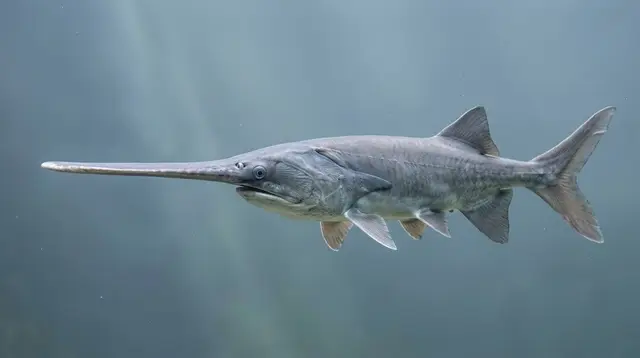
American Paddlefish
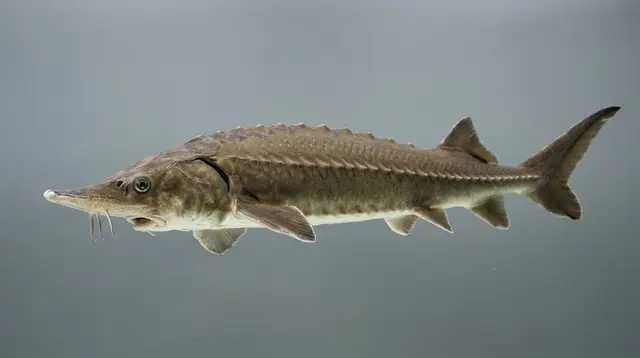
Lake Sturgeon
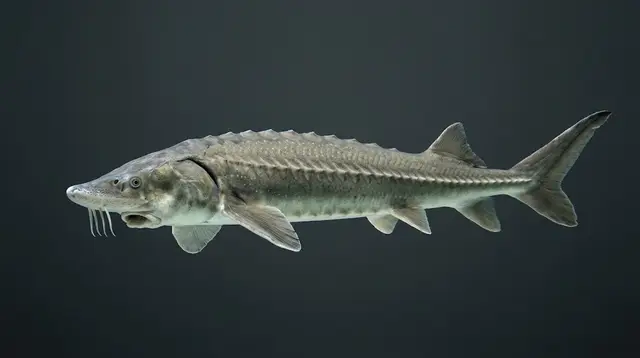
White Sturgeon
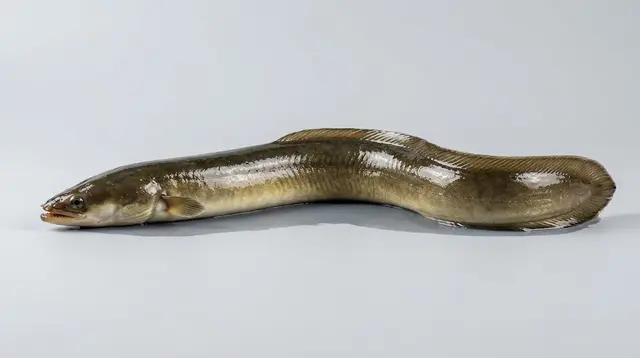
American Eel
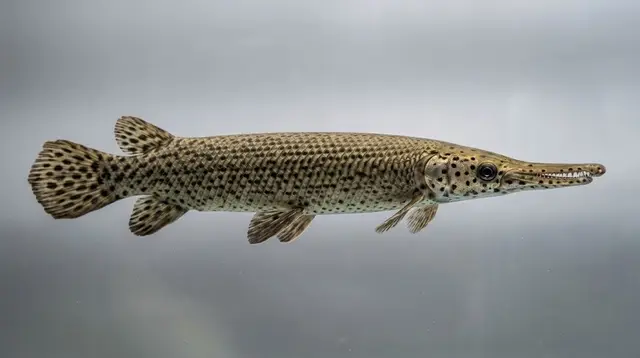
Spotted Gar
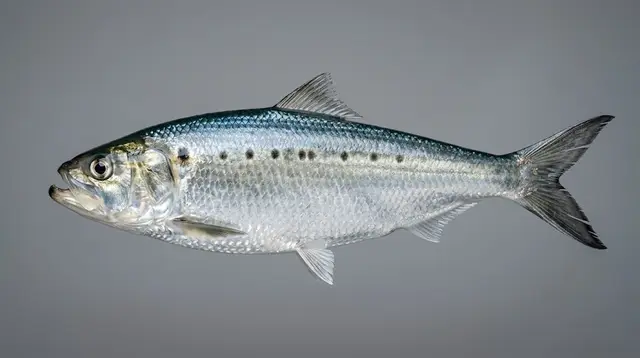
American Shad
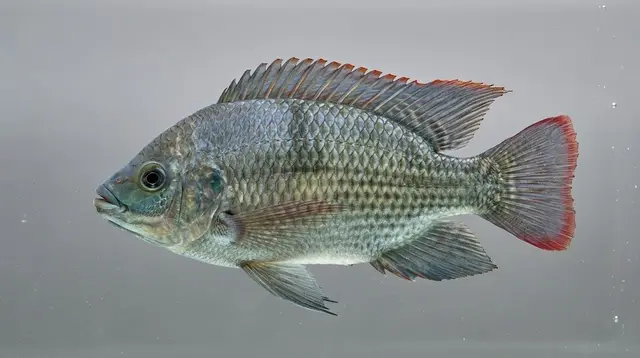
Blue Tilapia
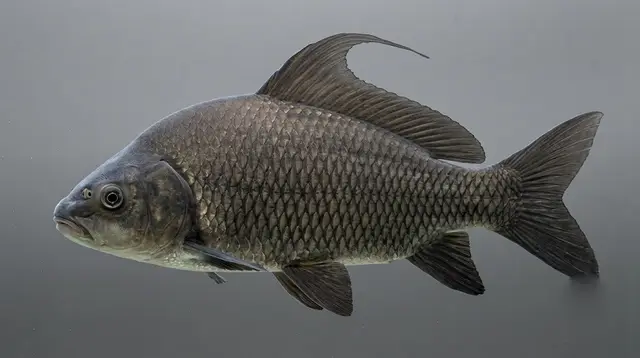
Smallmouth Buffalo
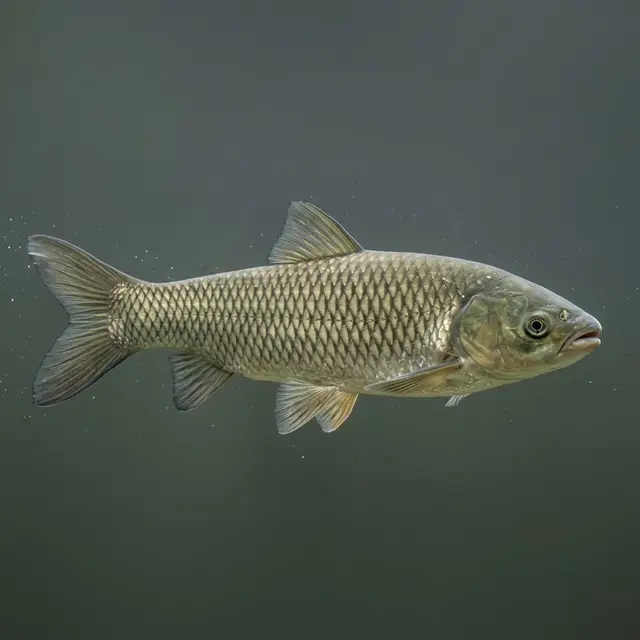
Grass Carp
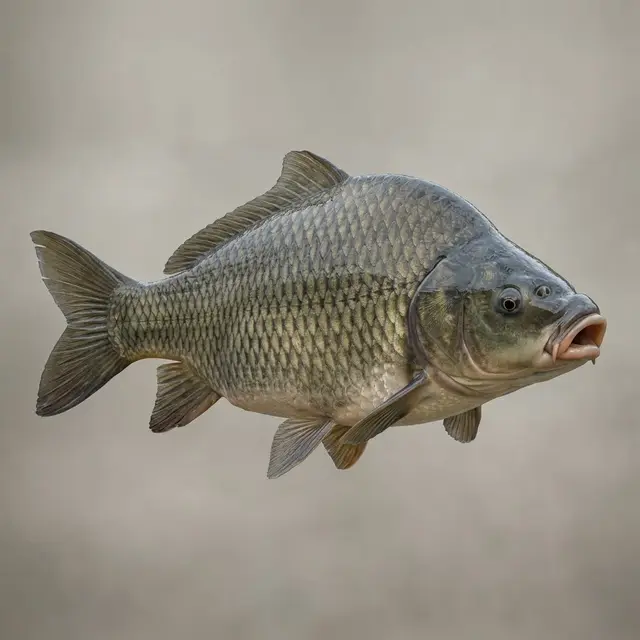
Bigmouth Buffalo
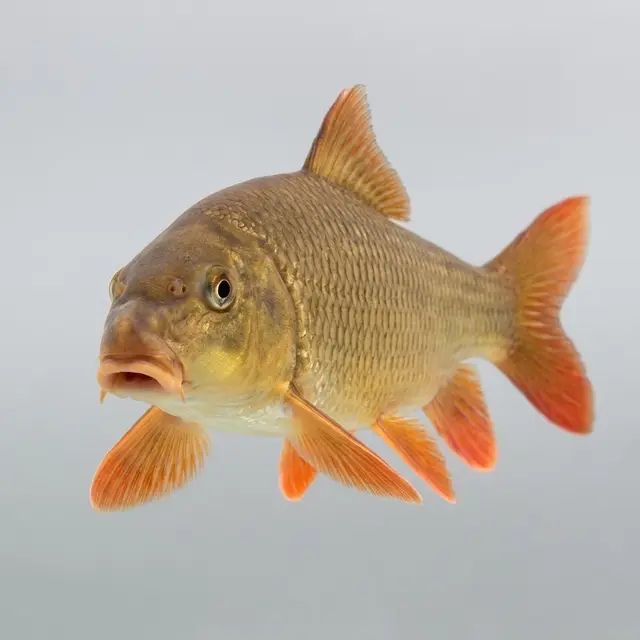
Redhorse Sucker
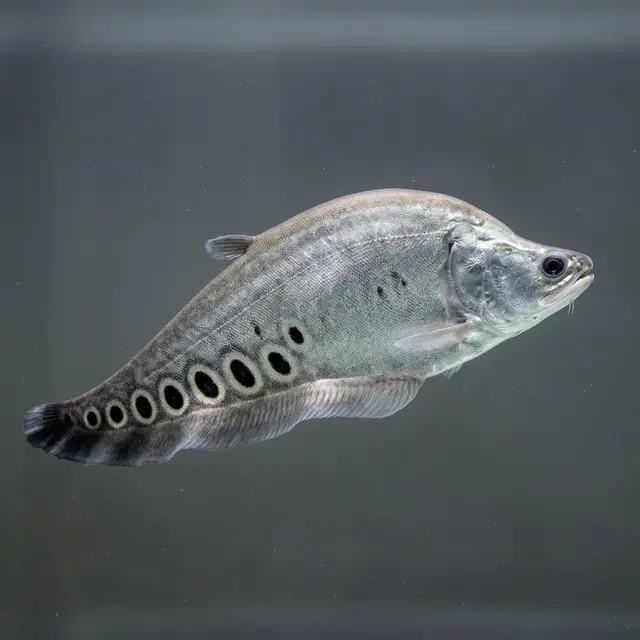
Clown Knifefish
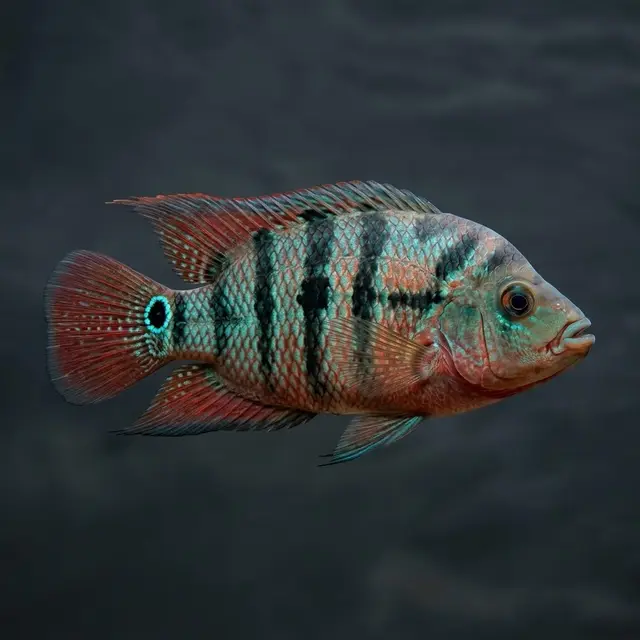
Mayan Cichlid
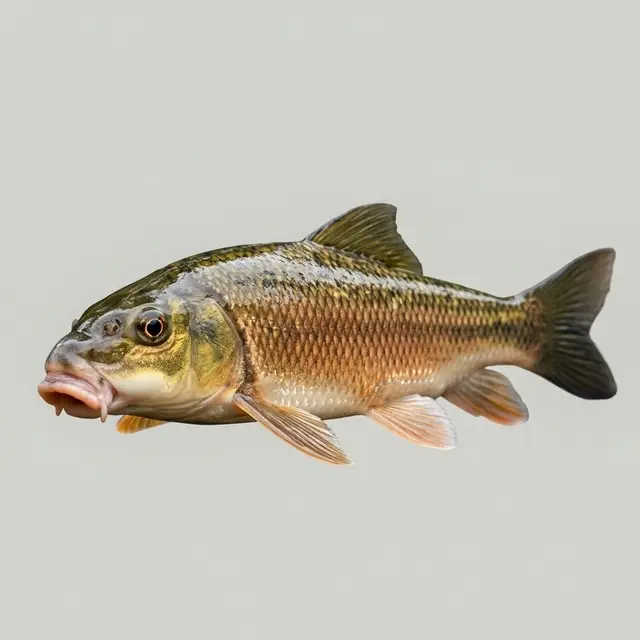
White Sucker
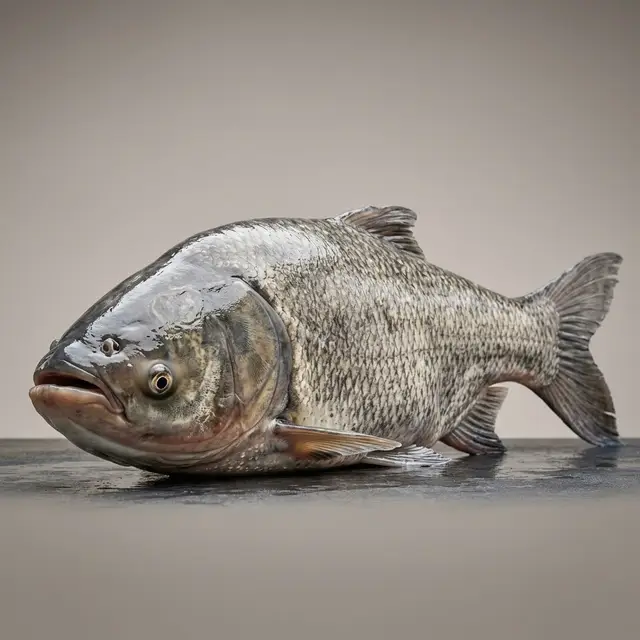
Bighead Carp
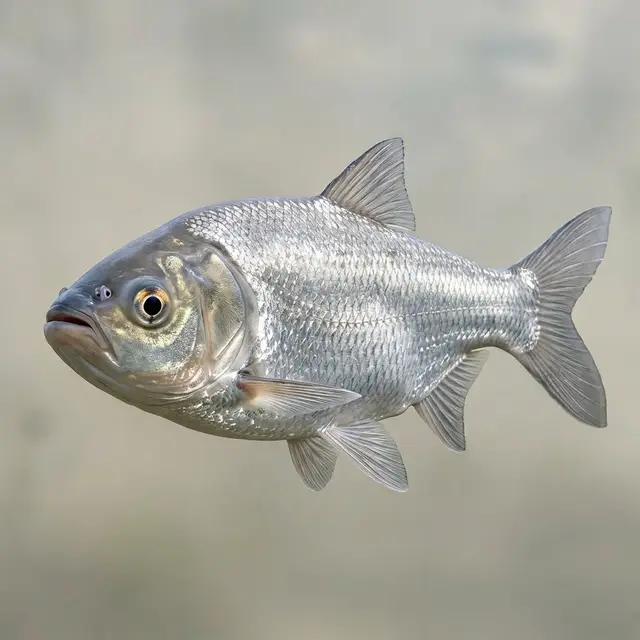
Silver Carp
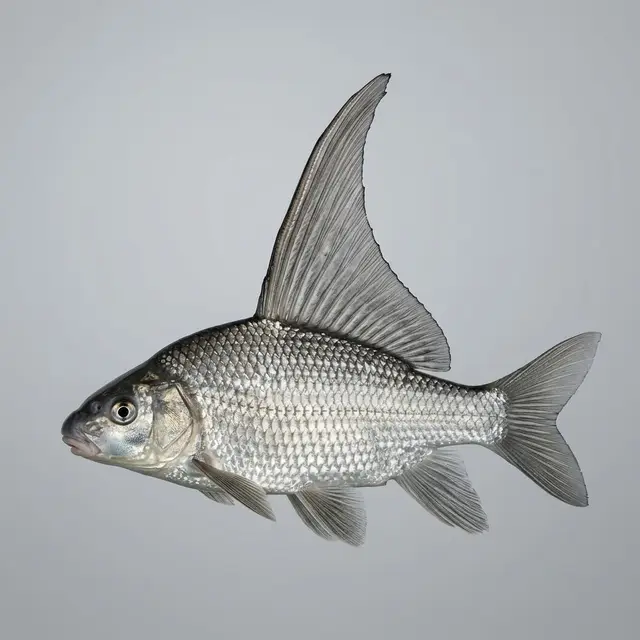
Quillback
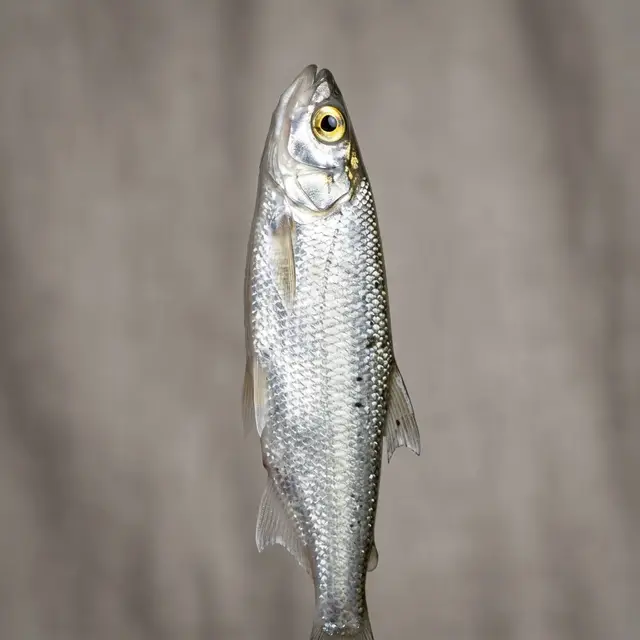
Goldeye
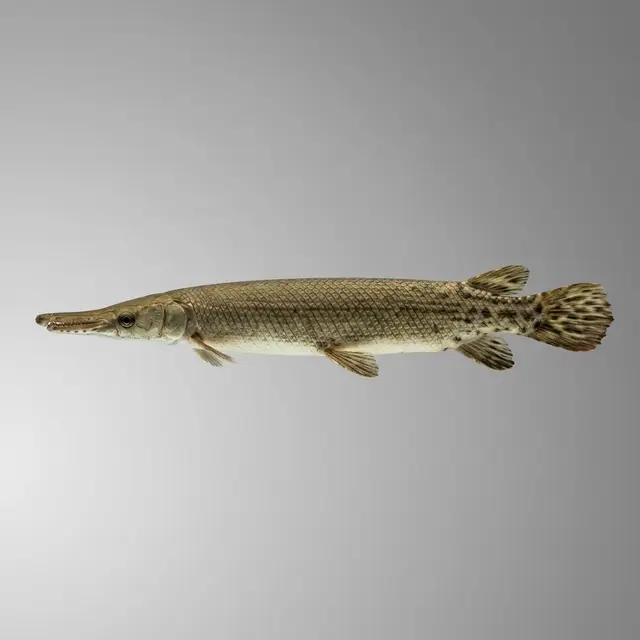
Shortnose Gar
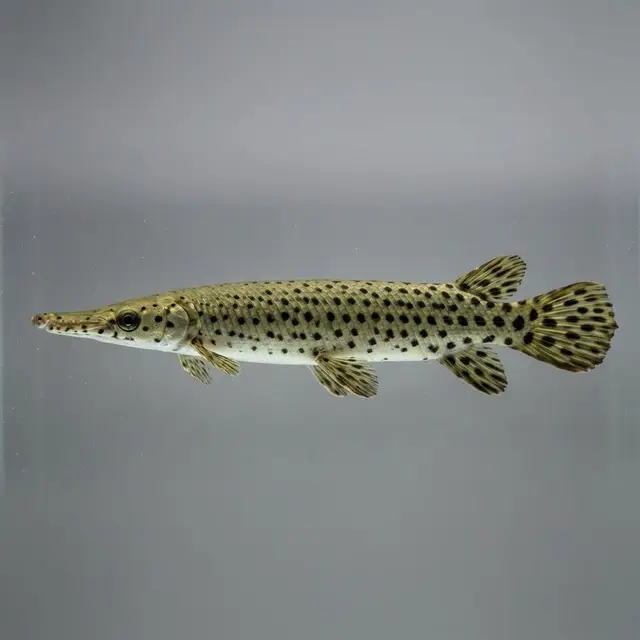
Florida Gar
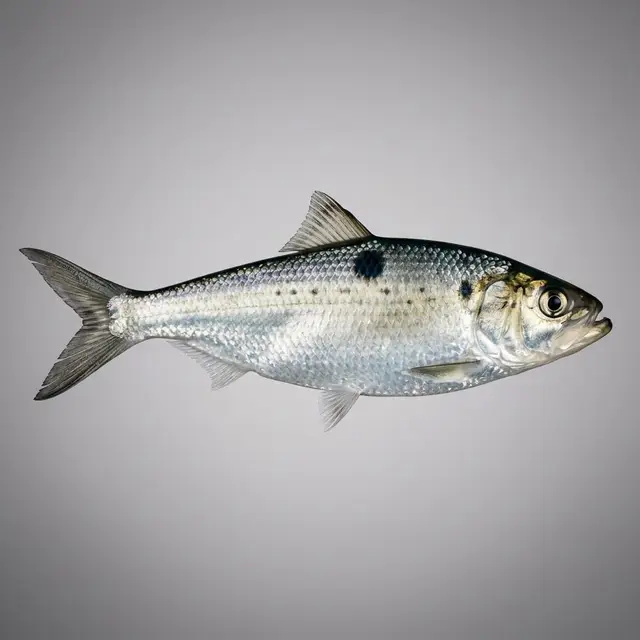
Hickory Shad
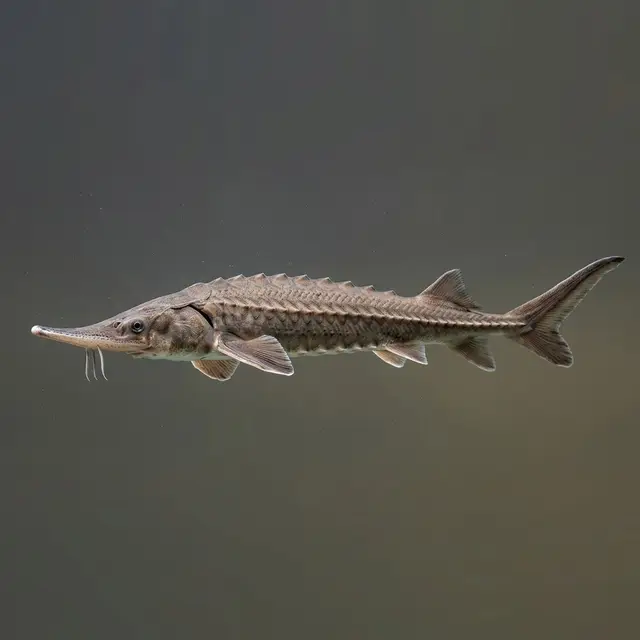
Shovelnose Sturgeon
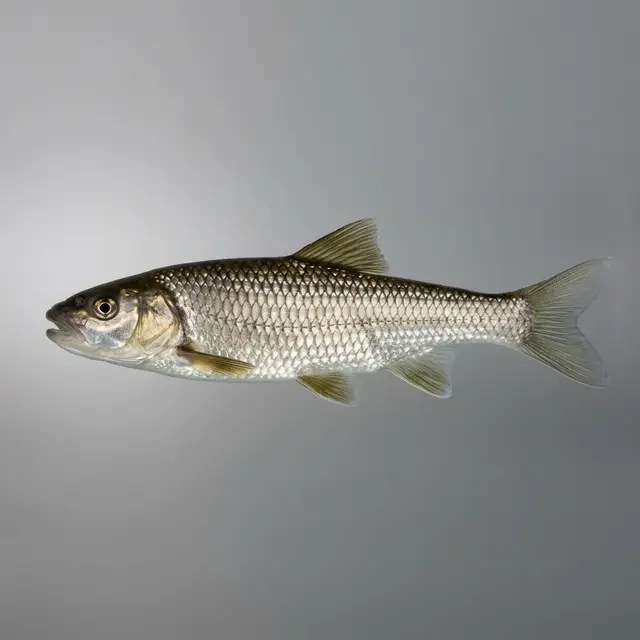
Fallfish
No species match that search. Clear search
How to tell them apart
One identification cue for each species, from its profile. Open a profile for the full description, size and range.
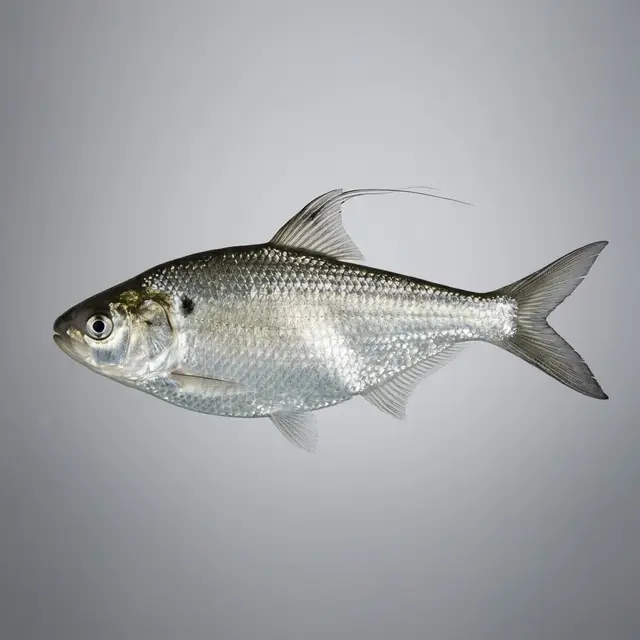
- Gizzard Shad
- Their deep body and dorsal filament set them apart from herring.
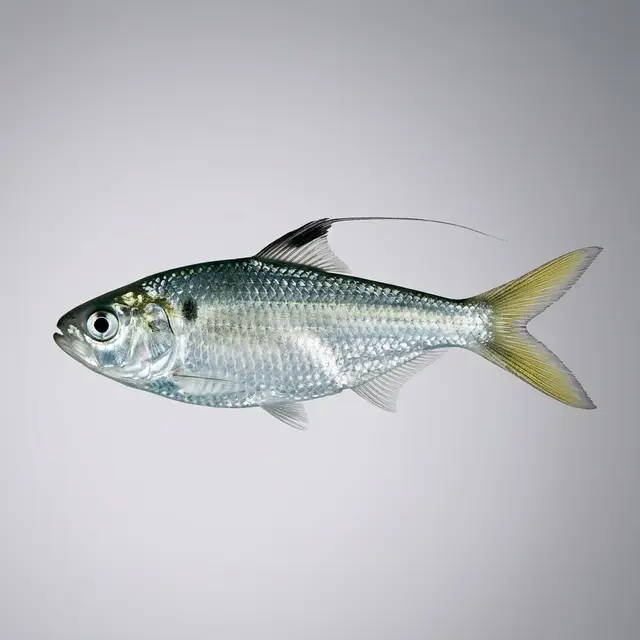
- Threadfin Shad
- Threadfin shad are small and silvery with a yellowish tail, a projecting lower jaw, and a long thread-like filament trailing from the last dorsal ray.
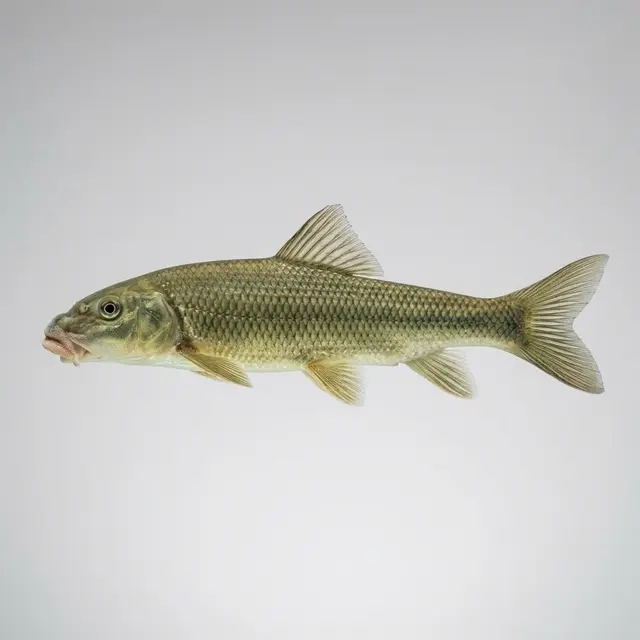
- Flannelmouth Sucker
- Flannelmouth suckers are slender and greenish-bronze with a pale belly and large, thick, fleshy lips built for bottom feeding - the "flannel" mouth of the name.
- Northern Hog Sucker
- Hog suckers are olive-brown with dark saddle blotches, a large squarish head with a concave profile, and thick lips for bottom feeding.
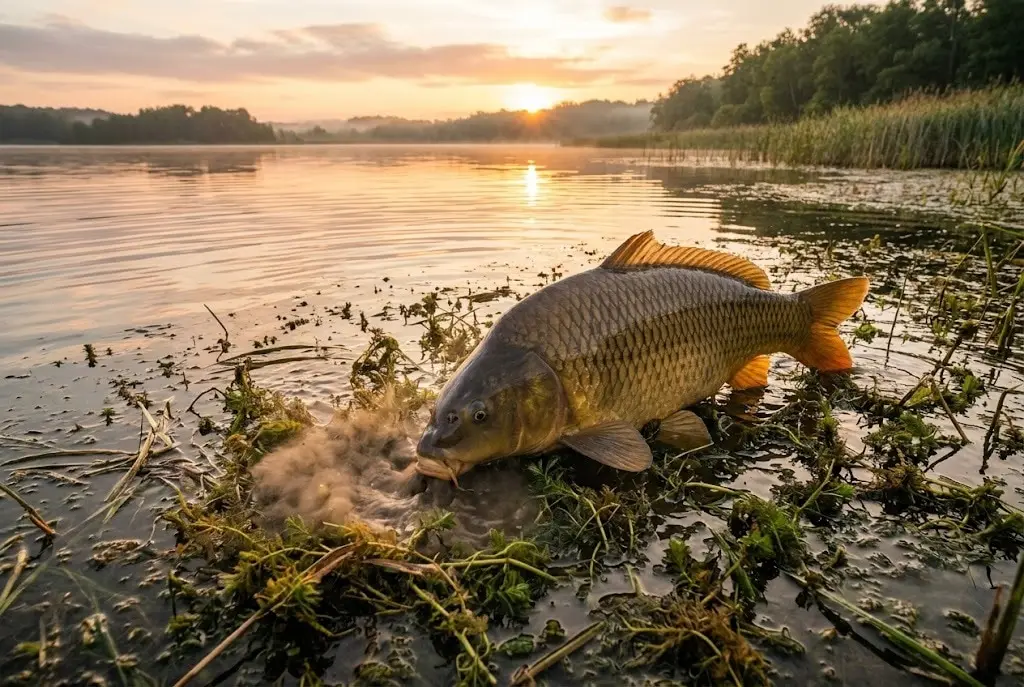
- Common Carp
- The common carp is a large, heavy-bodied, deep fish with big, coarse scales and a thick, muscular build.
- Bowfin
- The bowfin has an unmistakable, archaic look. The body is cylindrical and heavily built, olive to brown-green on the back fading to a pale cream belly, often with mottled or marbled patterning along the flanks.
- Longnose Gar
- This long, slender bill is what separates the longnose from its relatives - the shortnose, spotted, and alligator gars all have proportionally shorter, broader snouts.
- Alligator Gar
- The upper jaw carries two rows of large teeth - a distinctive feature that separates it from other gar species.
- Freshwater Drum
- The freshwater drum has a tall, deep, laterally compressed body with a noticeably humped back and a steep forehead, giving it a hunched, rounded profile.
- Burbot
- The burbot is unmistakable once you have seen one. The body is long and eel-like, rounded toward the front and laterally compressed toward the tail, with smooth skin embedded with tiny scales that gives it a slick, almost slimy feel.
- Northern Snakehead
- It is most often confused with the native bowfin, but the differences are clear: the snakehead has a very long anal fin, while the bowfin's anal fin is short, and the bowfin has a bony gular plate under its jaw that the snakehead lacks.
- American Paddlefish
- The paddlefish is impossible to confuse with anything else once you have seen one. Its defining feature is an enormously long, flat, paddle-like snout, called a rostrum, that can run roughly one-third of the body length and is packed with sensitive electroreceptors used to locate swarms of tiny zooplankton.
- Lake Sturgeon
- The lake sturgeon is unmistakable. It has a long, torpedo-shaped, conical body supported by a cartilaginous skeleton rather than true bone.
- White Sturgeon
- White sturgeon are separated from the similar green sturgeon by their blunter snout, different scute counts and arrangement, and gray rather than olive-green color; the green sturgeon also shows olive striping the white sturgeon lacks.
- American Eel
- The American eel is easily told from any true gamefish by its snake-like form, and it differs from the marine conger eel and from lampreys - a lamprey has a round, jawless sucker mouth and gill holes rather than the eel's hinged jaws and gill covers.
- Spotted Gar
- True to its name, the spotted gar is covered in dark roundish spots scattered over the body, the head, and the fins, and importantly the spots appear on the top of the head and the snout, which helps separate it from look-alike species.
- American Shad
- The American shad has a deep, laterally compressed, silvery body that is the classic herring shape, taller through the middle and tapering to a narrow tail.
- Blue Tilapia
- Blue tilapia can be told from other introduced tilapia, such as the Nile and Mozambique tilapia, by their blue-gray coloration, the reddish fin margins on breeding fish, and details of the head and fin counts, though hybrids and overlapping ranges can make field identification tricky.
- Smallmouth Buffalo
- The smallmouth buffalo has a deep, robust, laterally compressed body that gives it a tall, almost humpbacked profile through the shoulders, tapering to a narrow tail.
- Grass Carp
- The head is broad and blunt with a wide, downturned mouth suited to tearing and swallowing vegetation, and unlike the common carp it has no barbels around the mouth.
- Bigmouth Buffalo
- It lacks the barbels of a true carp, another key way to tell it apart.
- Redhorse Sucker
- Different redhorse species can be tricky to separate and often require looking at lip shape and scale counts, but as a group they are easy to recognize by the combination of sucker mouth, big scales, torpedo body, and reddish fins.
- Clown Knifefish
- The clown knifefish is unmistakable. Its body is tall, laterally compressed, and tapers to a long, knife-like rear that ends in a single continuous ribbon fin running along the underside - the fish swims by rippling this fin, allowing it to move forward and backward with eerie grace.
- Mayan Cichlid
- The Mayan cichlid is a compact, deep-bodied fish with a single long dorsal fin running most of the length of its back.
- White Sucker
- The white sucker has a torpedo-shaped, slightly rounded body that is thick through the middle and tapers toward the tail.
- Bighead Carp
- Unlike common carp, it has no barbels around the mouth, and the mouth is large and upturned for surface and mid-water filter feeding.
- Silver Carp
- Like the bighead, it has an oversized head with no scales, a large upturned mouth, and no barbels, which distinguishes it from the common carp.
- Quillback
- This trailing quill separates it clearly from a common carp.
- Goldeye
- The goldeye is a slim, laterally compressed, bright silver fish with a deep body for its length and a distinctly rounded profile.
- Shortnose Gar
- Shortnose gar have a long cylindrical body clad in tough diamond-shaped ganoid scales and a short, broad snout, distinguishing them from the needle-nosed longnose gar.
- Florida Gar
- They are told from the similar spotted gar by the shorter distance from eye to gill and their limited range.
- Hickory Shad
- Hickory shad are silvery and slab-sided with a projecting lower jaw, a row of dark spots behind the gill, and a deeply forked tail.
- Shovelnose Sturgeon
- Shovelnose sturgeon are slender and brownish with a flat, shovel-shaped snout, four fringed barbels, bony plates instead of scales, and a long upper tail lobe.
- Fallfish
- Fallfish are streamlined and silvery with large scales that give a chain-mail look, a big mouth for a minnow, and can reach well over a foot.
Browse all freshwater fish, or explore other groups: Bass Trout, Salmon & Whitefish Sunfish & Crappie Walleye, Perch & Pike Catfish & Bullhead
Carp session gear
Bite alarms A run at three in the morning should wake you, not pass you by. Check price Rod pod Rods level and still on gravel, mud or a platform. Check price Unhooking mat The fish goes back as it came out. Check price Boilies Pick one flavour and feed it for a week before judging it. Check price
As an Amazon Associate we may earn from qualifying purchases - at no extra cost to you. We link gear types, not sponsors' picks: you choose the exact product.