Bass
15 freshwater species in this group - identification, habitat, seasons, tackle, baits and technique for each.
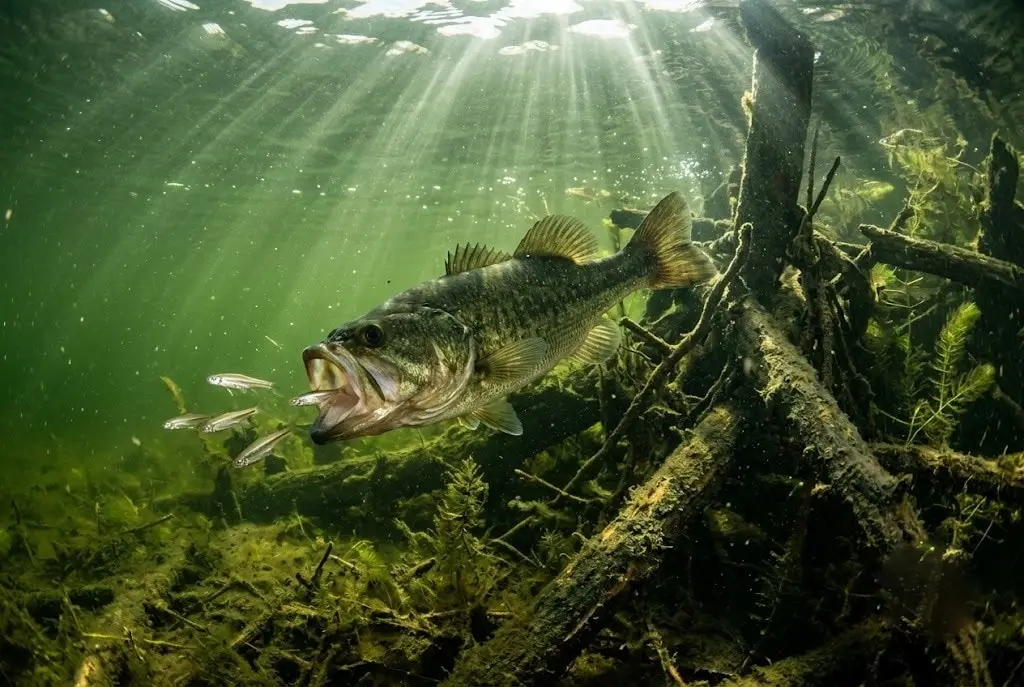
15 shown
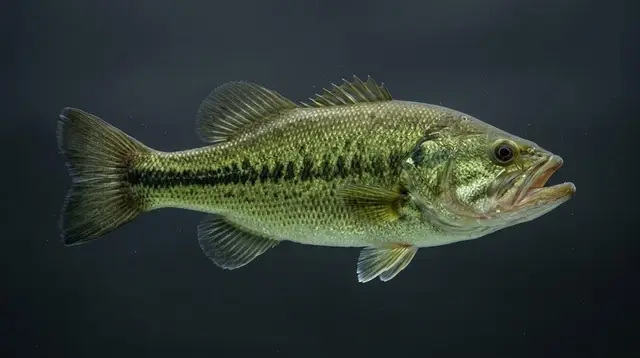
Largemouth Bass
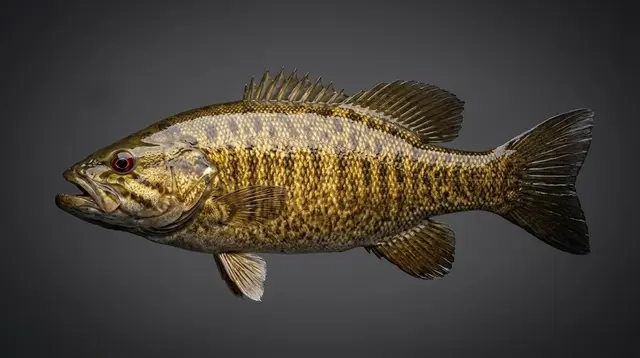
Smallmouth Bass
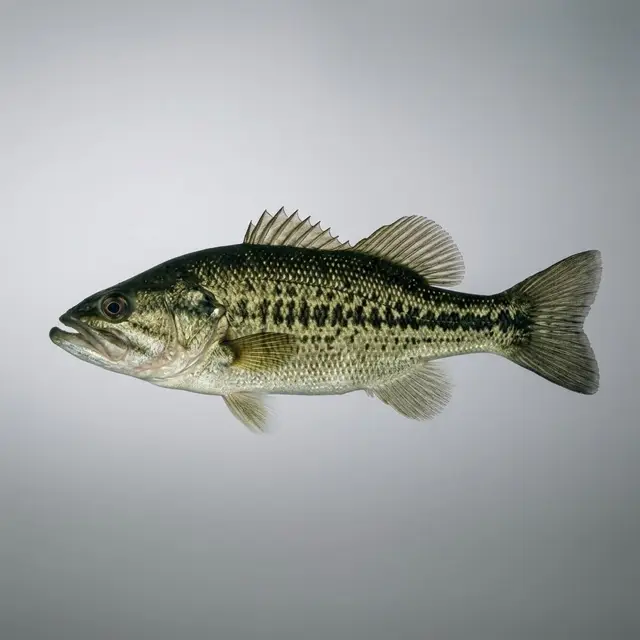
Alabama Bass
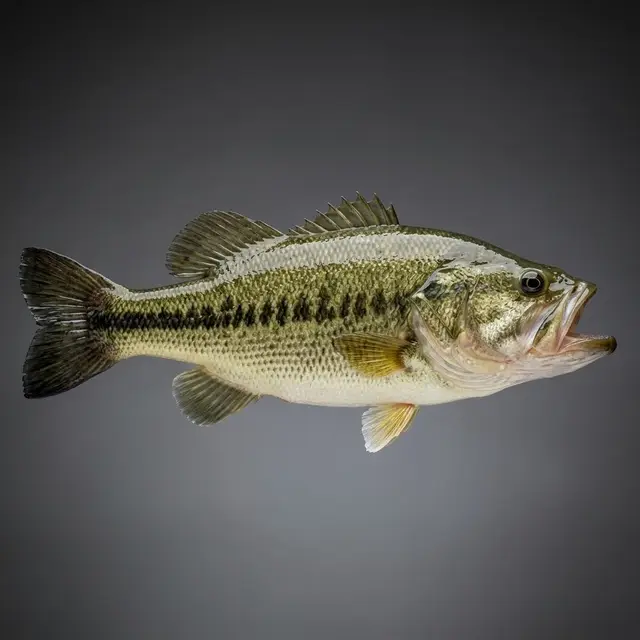
Florida Bass
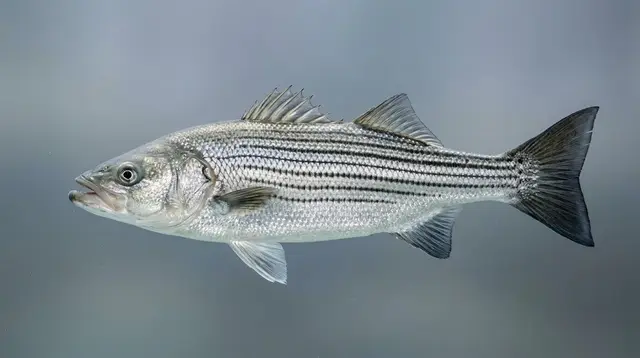
Striped Bass (Morone saxatilis) - Freshwater & Hybrid
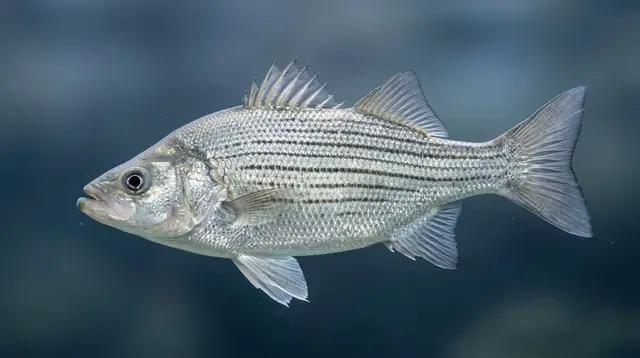
White Bass
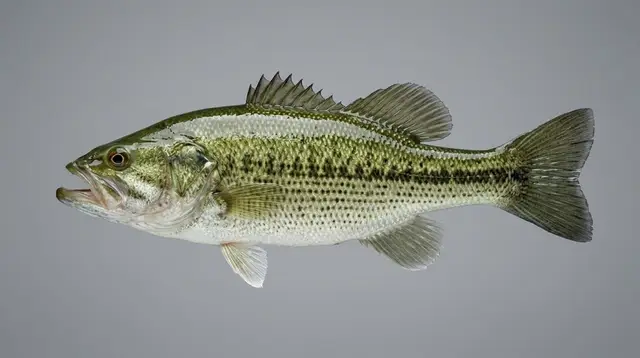
Spotted Bass
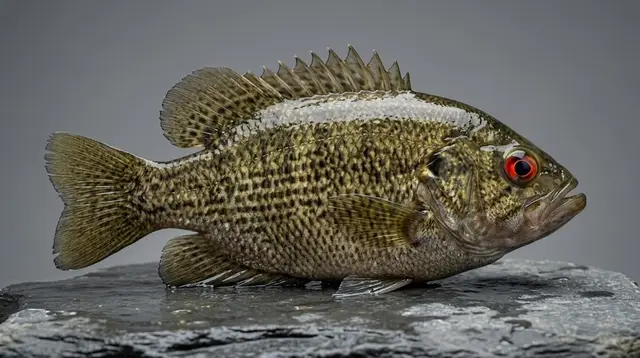
Rock Bass
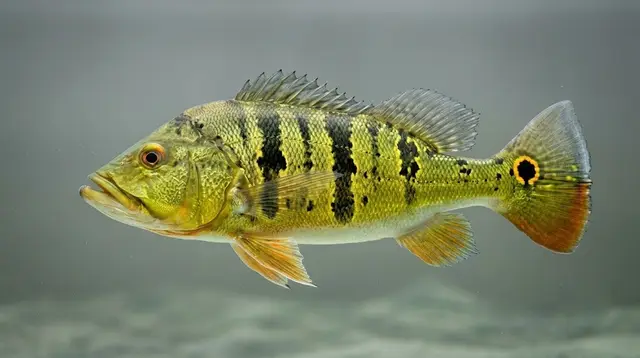
Peacock Bass
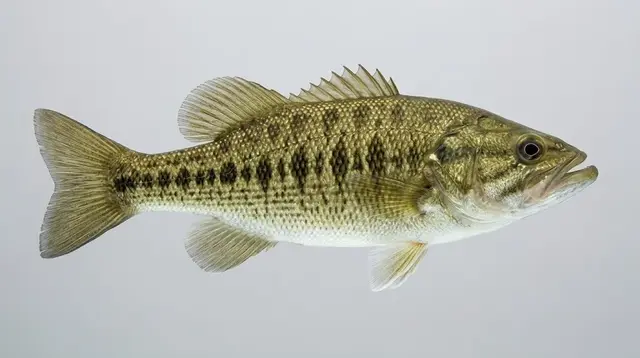
Guadalupe Bass
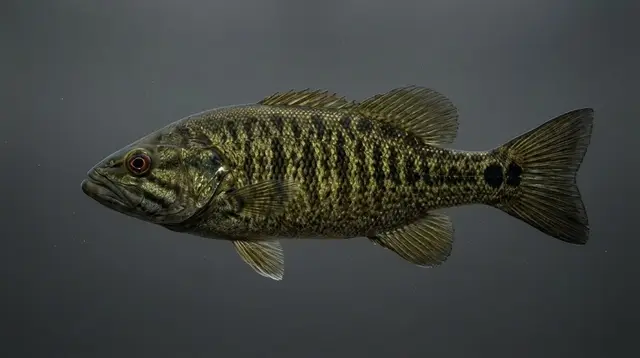
Shoal Bass
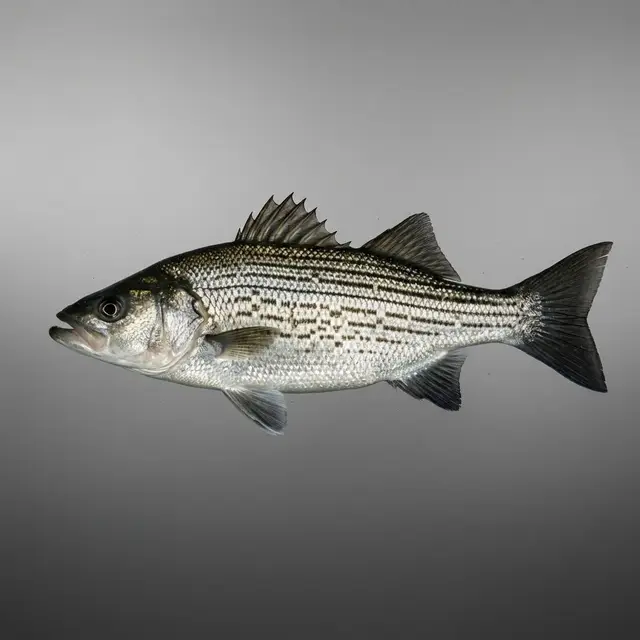
Hybrid Striped Bass
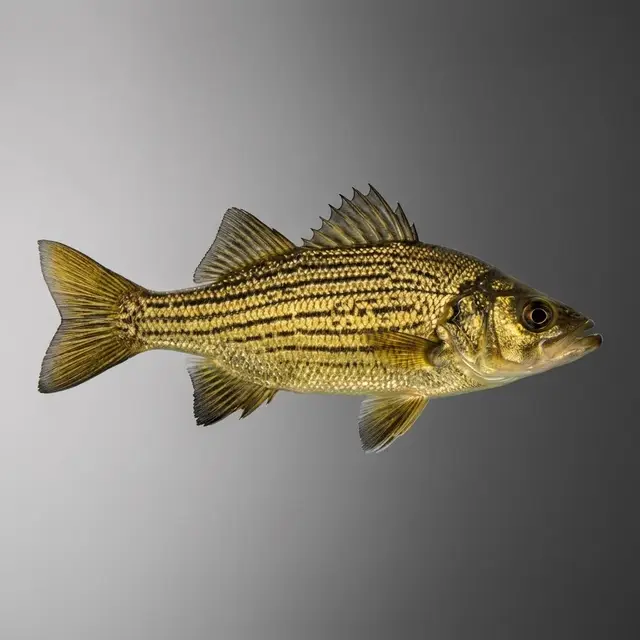
Yellow Bass
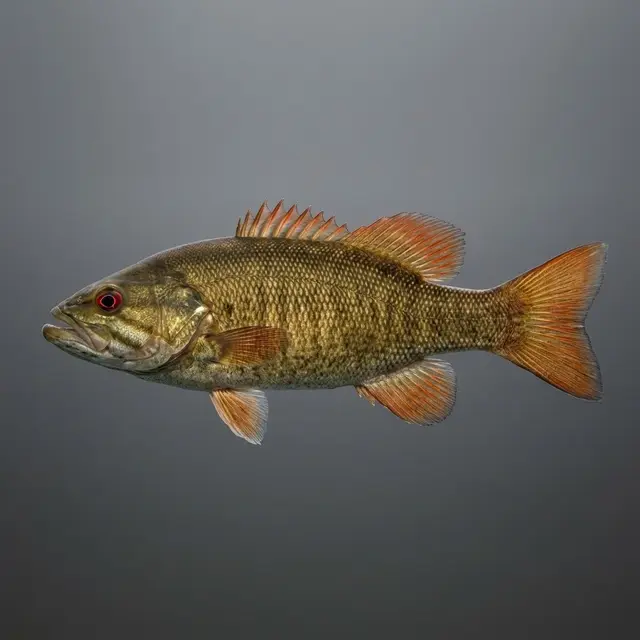
Redeye Bass
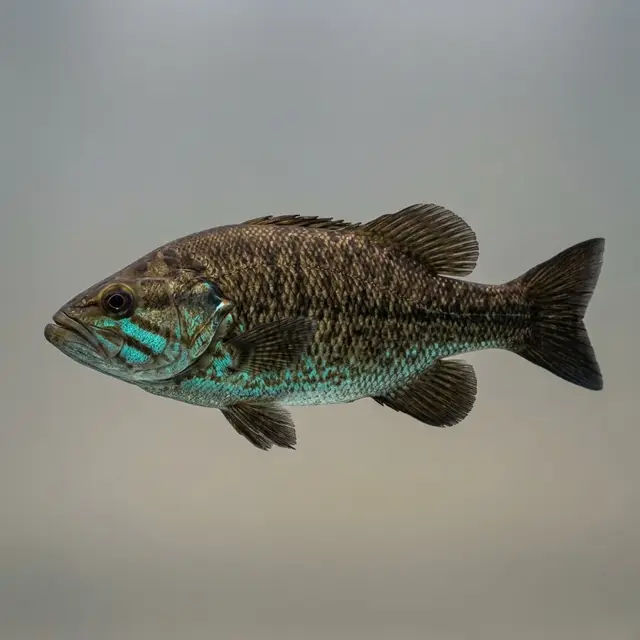
Suwannee Bass
No species match that search. Clear search
How to tell them apart
One identification cue for each species, from its profile. Open a profile for the full description, size and range.
- Largemouth Bass
- The two best ways to separate it from the similar smallmouth bass: first, the upper jaw (maxilla) of a largemouth extends well past the rear edge of the eye; second, the spiny front dorsal fin and the soft rear dorsal fin are nearly separated by a deep notch.
- Smallmouth Bass
- Its color ranges from brassy bronze to olive-brown, and unlike the largemouth it shows dark vertical bars or blotches along the flank rather than a horizontal stripe.
- Alabama Bass
- They are told from largemouth by the shorter jaw and connected dorsal fins.
- Florida Bass
- Florida bass look like largemouth - green with a bold dark lateral stripe and a jaw extending past the eye - but grow far larger, with subtle scale-count differences.
- Striped Bass (Morone saxatilis) - Freshwater & Hybrid
- The hybrid striped bass is deeper-bodied and stockier, with stripes that are usually broken or offset rather than perfectly continuous: a key way to tell the two apart.
- White Bass
- The white bass is a deep, somewhat compressed, silvery fish with a humped back behind the head.
- Spotted Bass
- The spotted bass looks like a cross between a largemouth and a smallmouth, and telling them apart takes attention.
- Rock Bass
- The rock bass has a deep, robust, slightly elongated body, generally olive to brassy or golden-brown, mottled and blotched so it blends with a rocky bottom.
- Peacock Bass
- As a cichlid, it has a single nostril on each side of the head, unlike the true bass.
- Guadalupe Bass
- The dark side markings extend lower, closer to the belly, than they do on a spotted bass, and unlike the largemouth the jaw does not extend past the back of the eye.
- Shoal Bass
- Unlike the largemouth, the shoal bass's upper jaw does not extend well past the eye, and unlike the spotted bass it lacks the neat rows of spots forming stripes low on the belly and shows that bolder, blotchy tiger-striped pattern instead.
- Hybrid Striped Bass
- Wipers look like a stocky striped bass with broken, offset lateral stripes rather than the clean unbroken lines of a true striper.
- Yellow Bass
- Yellow bass are golden-yellow with dark horizontal stripes that are broken and offset toward the tail, and unlike white bass they have no tooth patch on the tongue.
- Redeye Bass
- Redeye bass are olive-bronze with a red eye, red-tinged fins, and rows of dark spots, staying smaller than largemouth or smallmouth.
- Suwannee Bass
- Suwannee bass are brownish with dark blotches and, on breeding males, brilliant turquoise-blue cheeks, throat and belly.
Browse all freshwater fish, or explore other groups: Trout, Salmon & Whitefish Sunfish & Crappie Walleye, Perch & Pike Catfish & Bullhead Carp, Gar & Rough Fish
Tackle for bass
Bass lures Lure styles anglers actually throw for this species - size to your water. Check price Spinning combo One balanced combo covers most freshwater work. Check price Tackle organizer Trays by species beat one big junk drawer. Check price Braid + fluoro leader Braid for feel, a fluorocarbon leader for stealth. Check price
As an Amazon Associate we may earn from qualifying purchases - at no extra cost to you. We link gear types, not sponsors' picks: you choose the exact product.