Reef & Bottom
38 saltwater species in this group - identification, habitat, seasons, tackle, baits and technique for each.
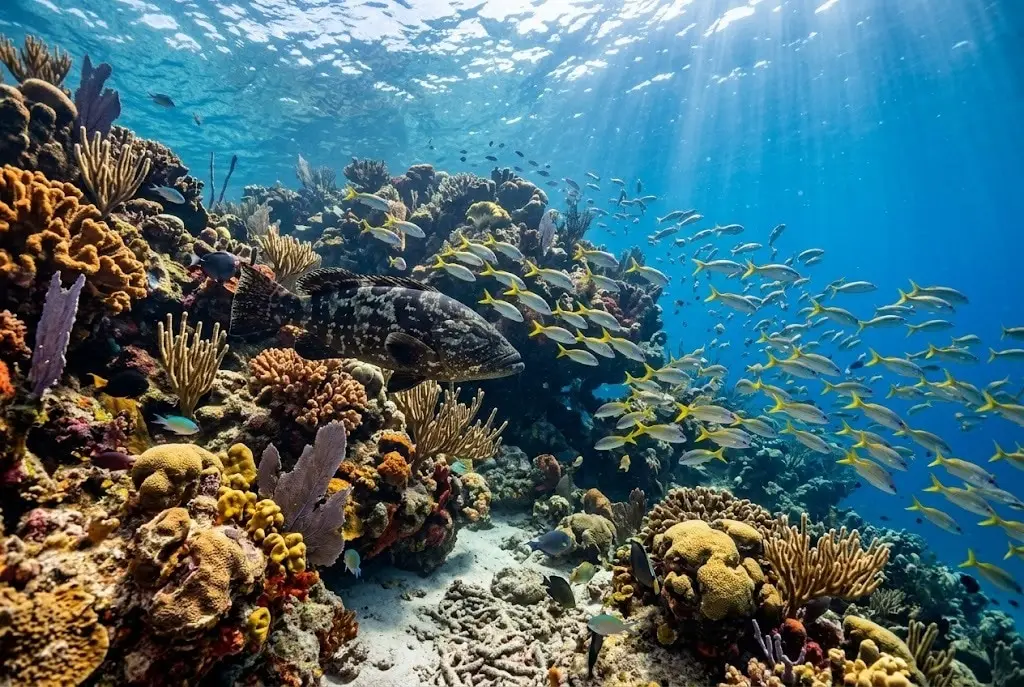
38 shown
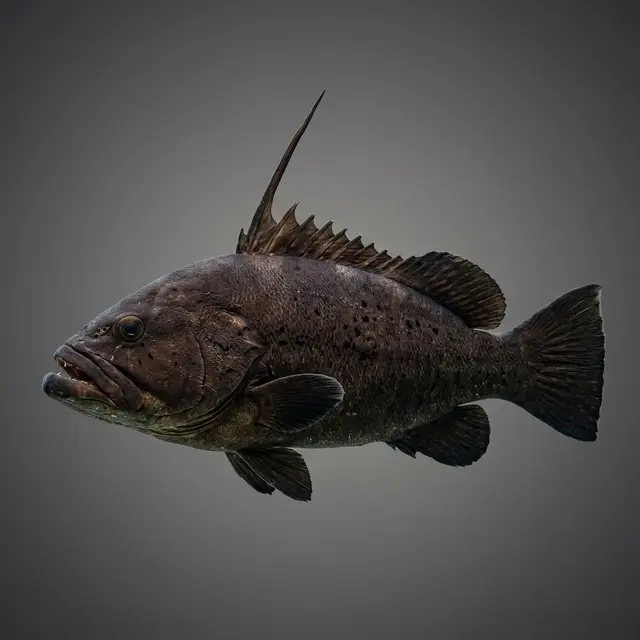
Warsaw Grouper
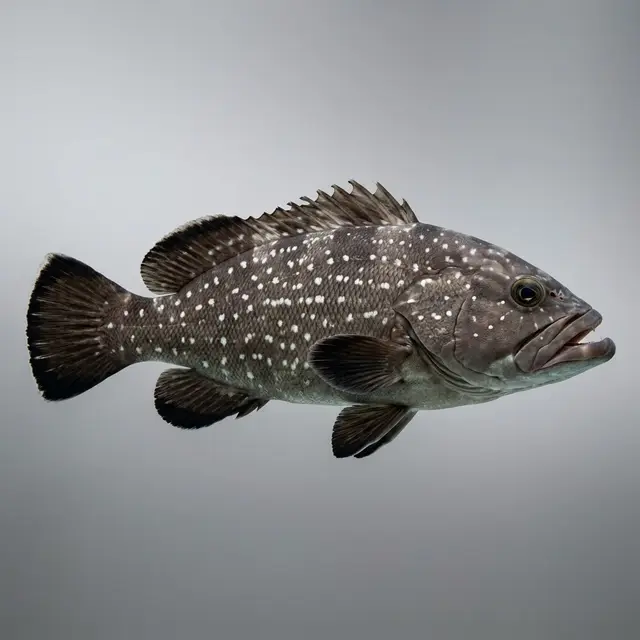
Snowy Grouper
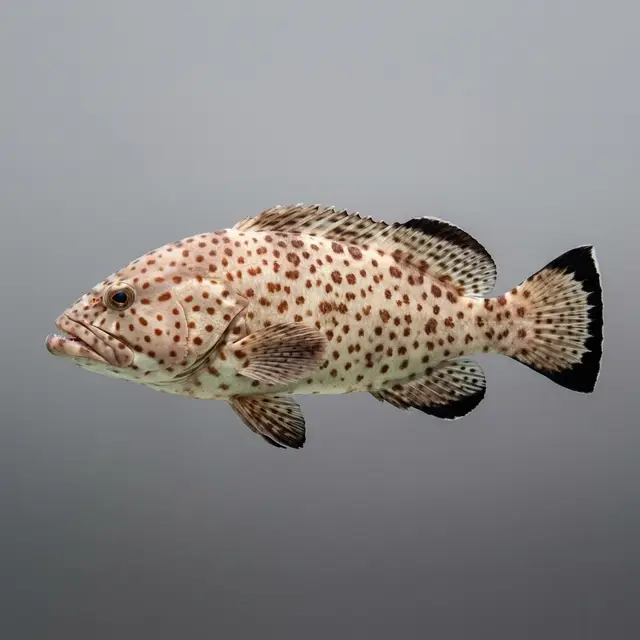
Red Hind
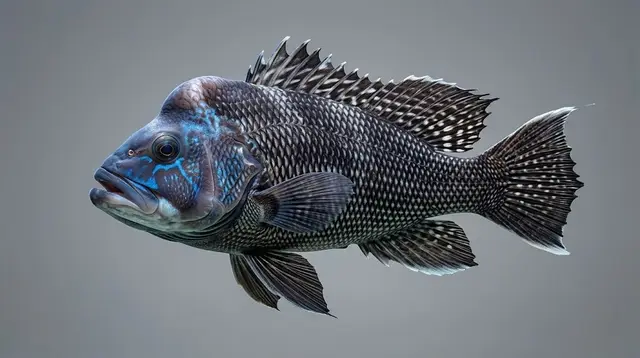
Black Sea Bass
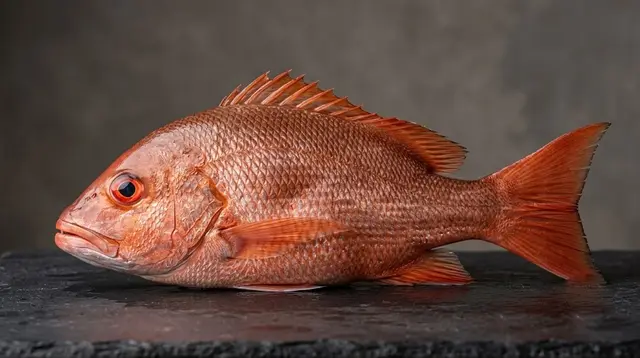
Red Snapper
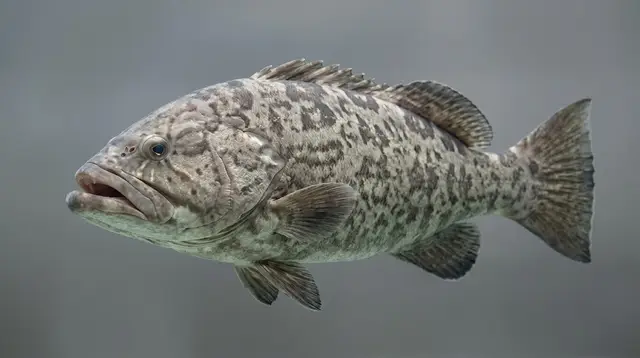
Grouper
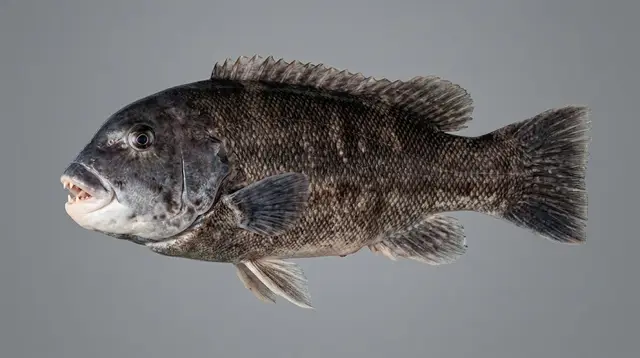
Tautog
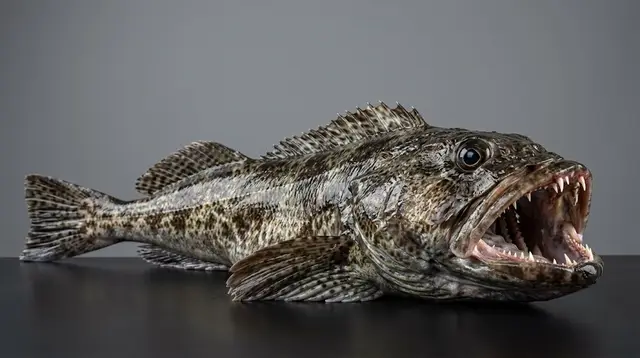
Lingcod
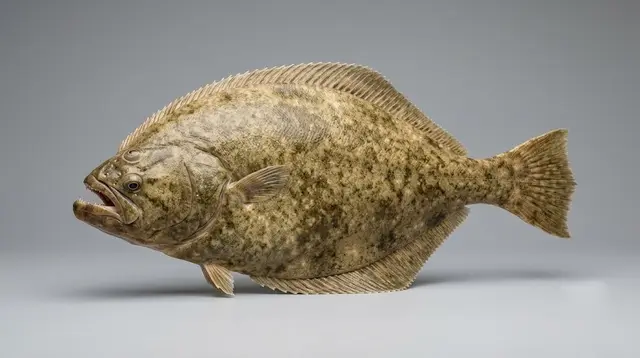
California Halibut
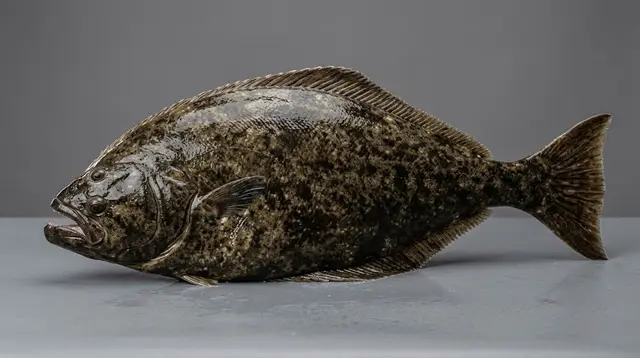
Pacific Halibut
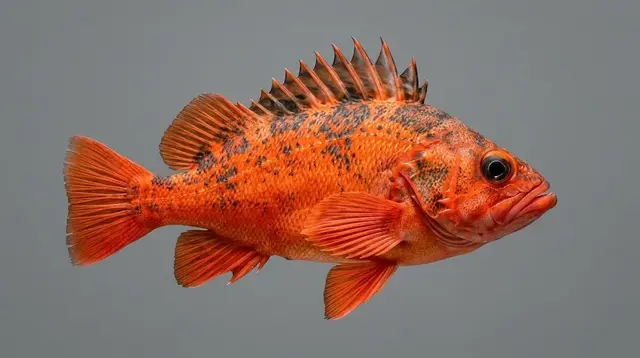
Vermilion Rockfish
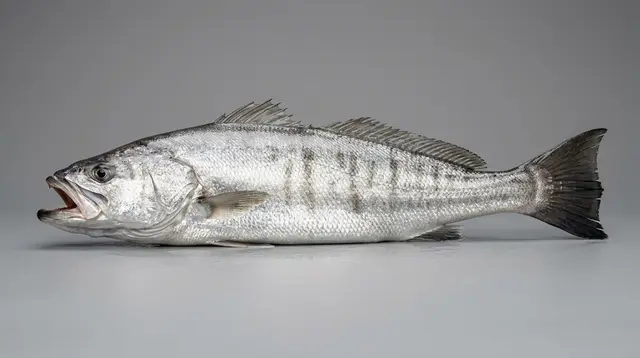
White Seabass
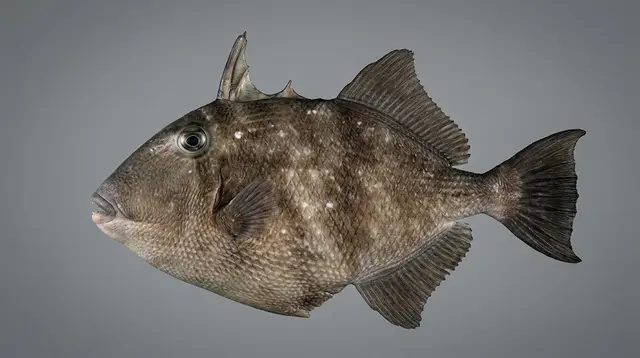
Gray Triggerfish
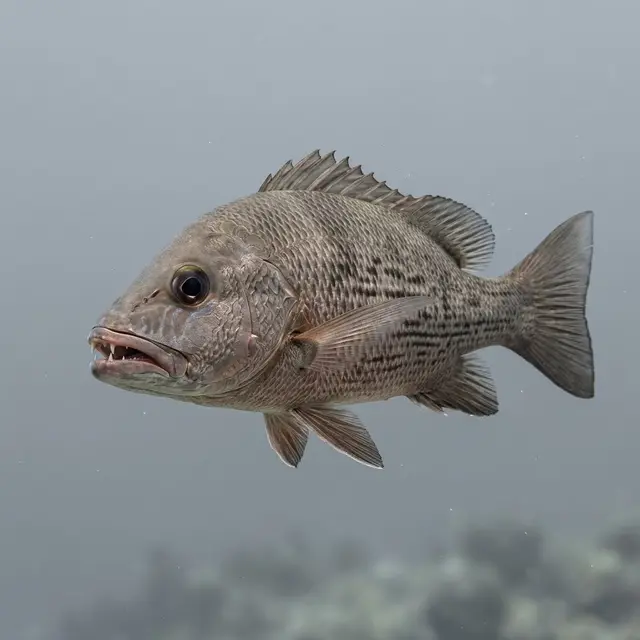
Mangrove Snapper
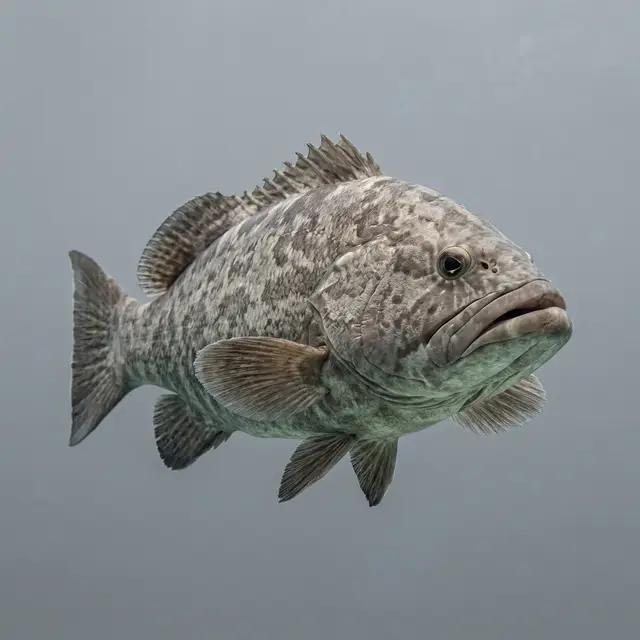
Gag Grouper
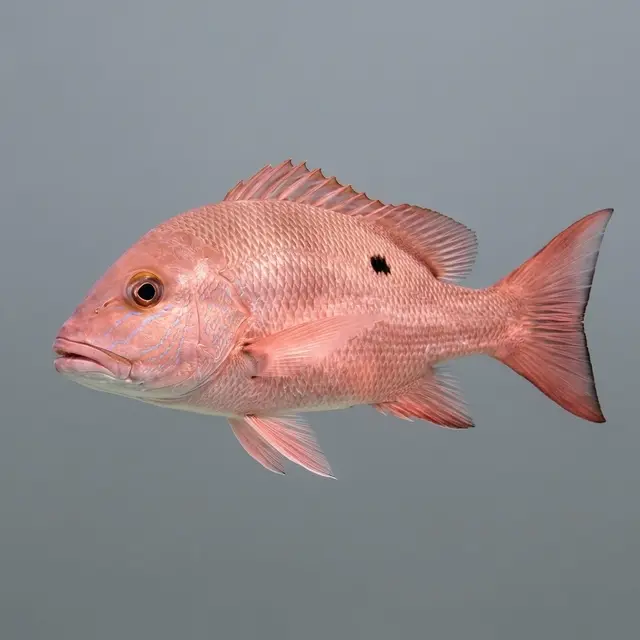
Mutton Snapper
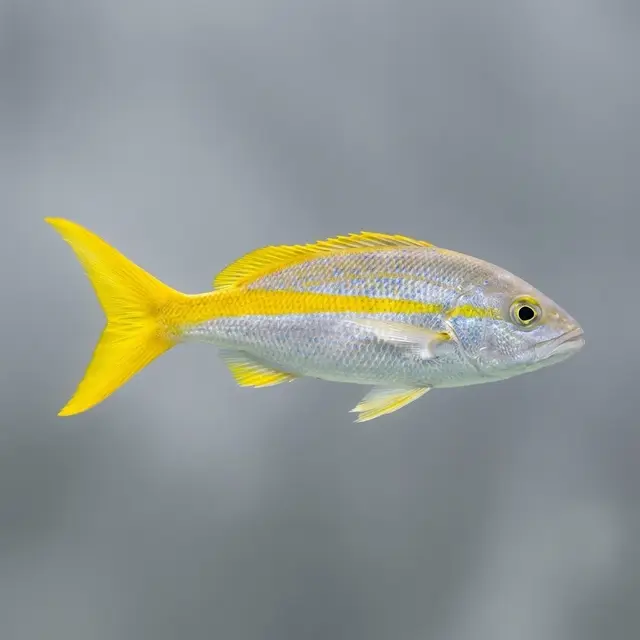
Yellowtail Snapper
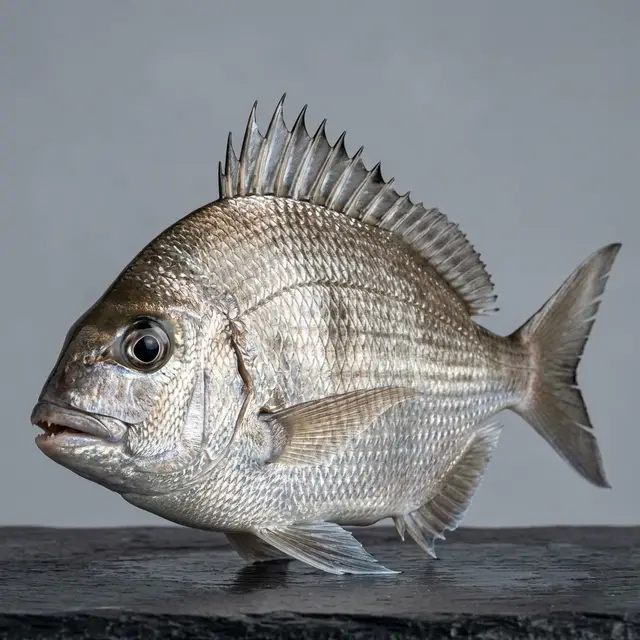
Scup / Porgy
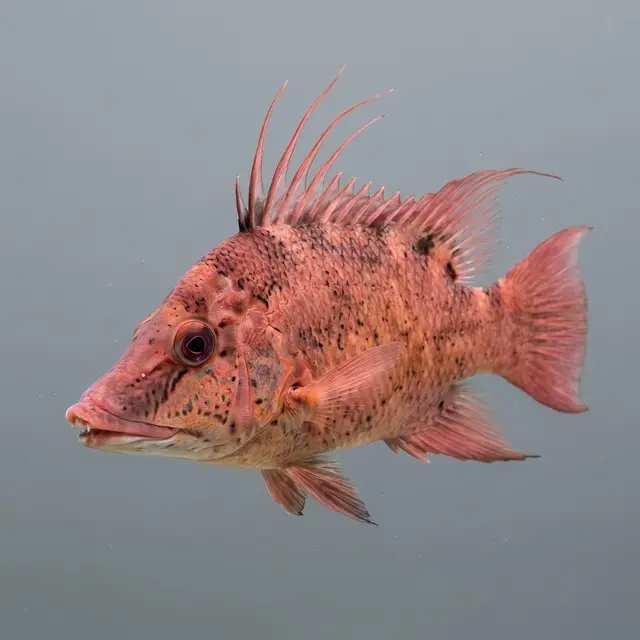
Hogfish
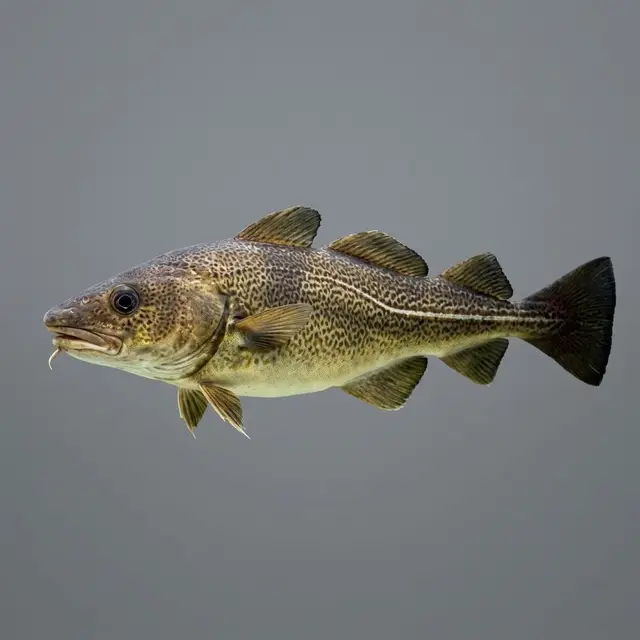
Atlantic Cod
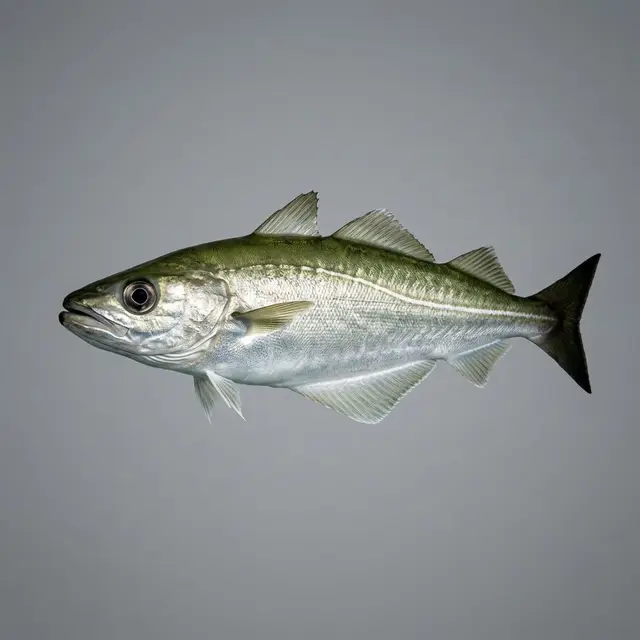
Pollock
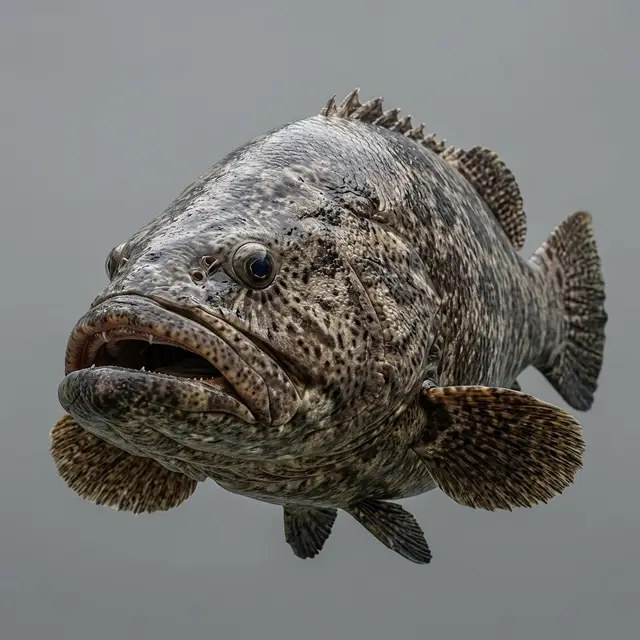
Goliath Grouper
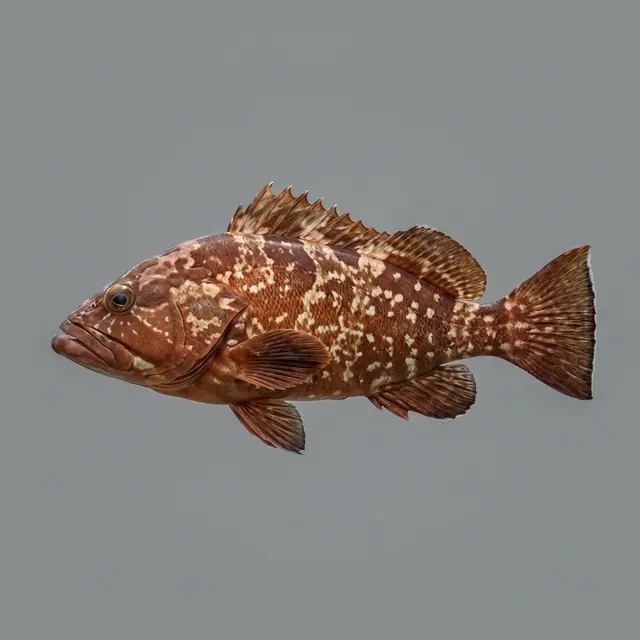
Red Grouper
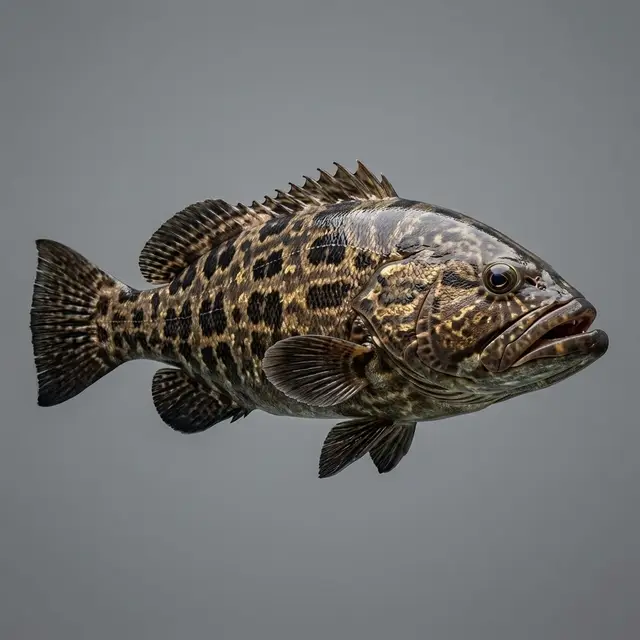
Black Grouper
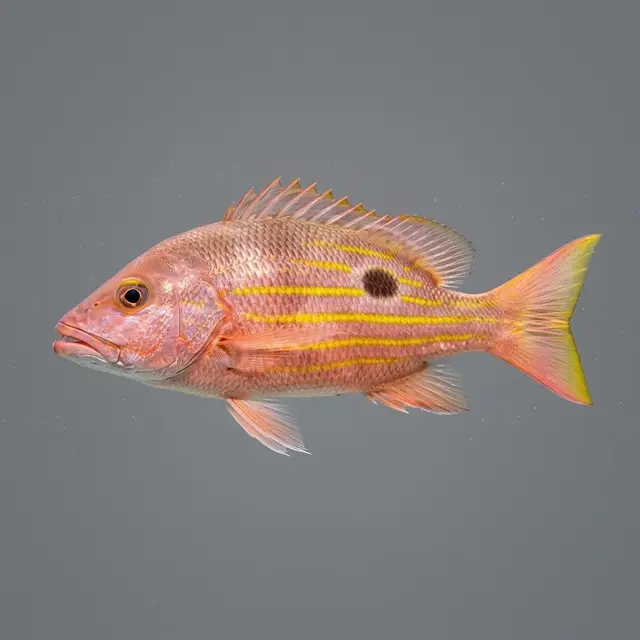
Lane Snapper
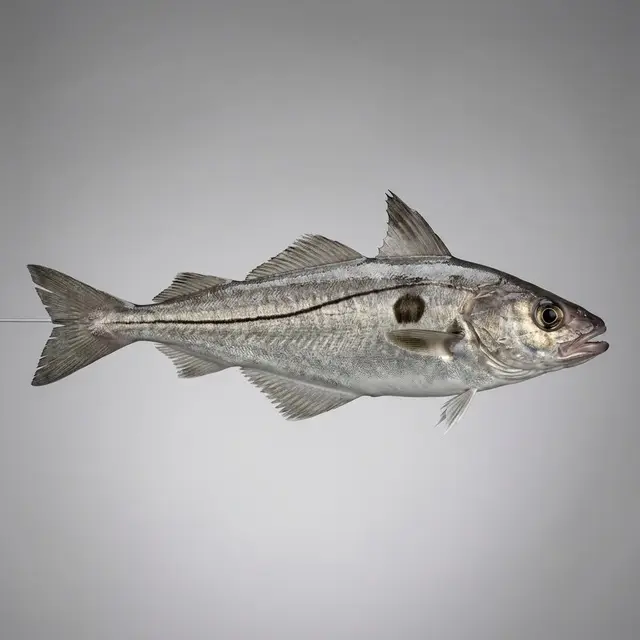
Haddock
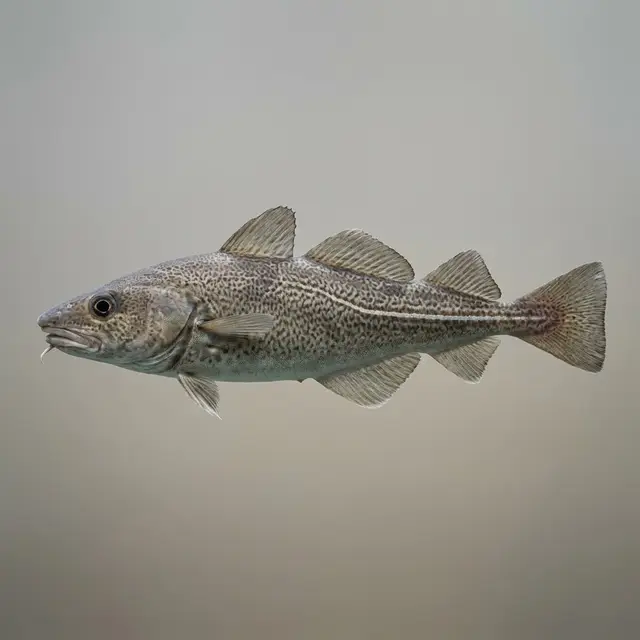
Pacific Cod
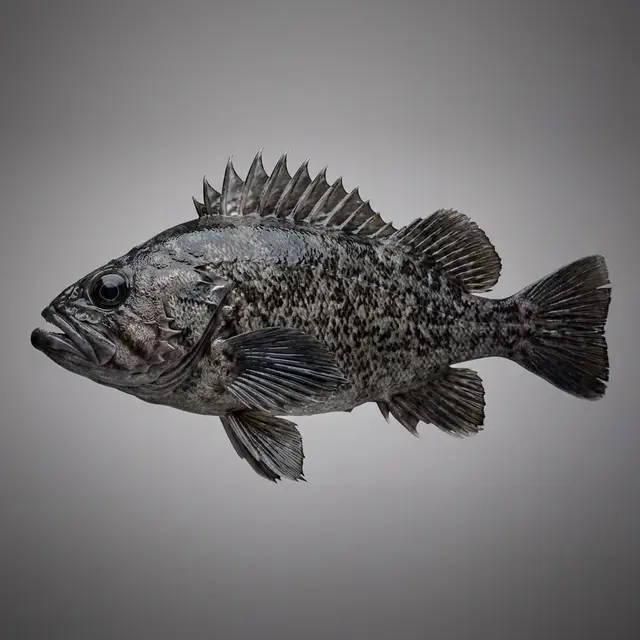
Black Rockfish
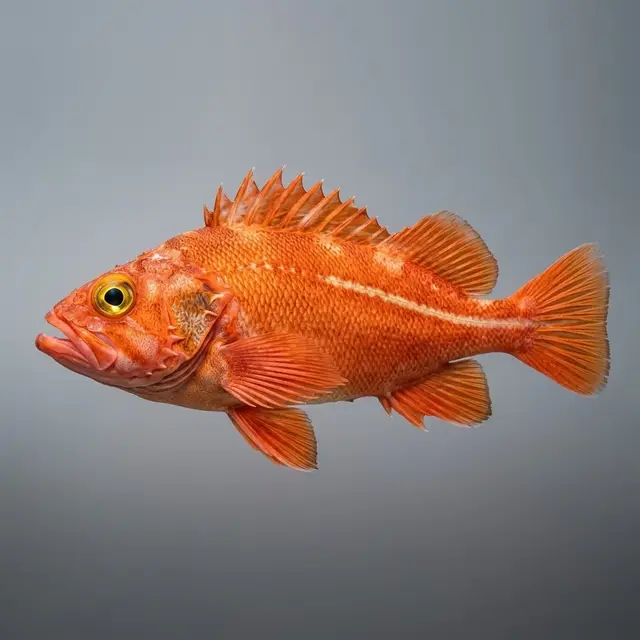
Yelloweye Rockfish
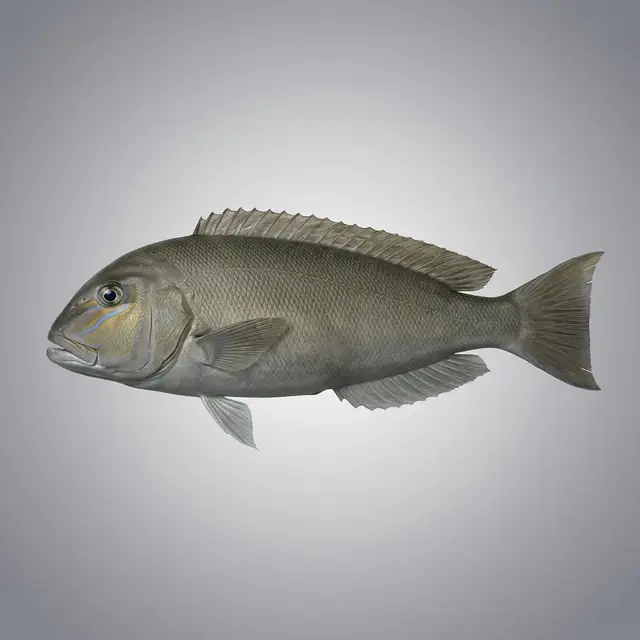
Blueline Tilefish
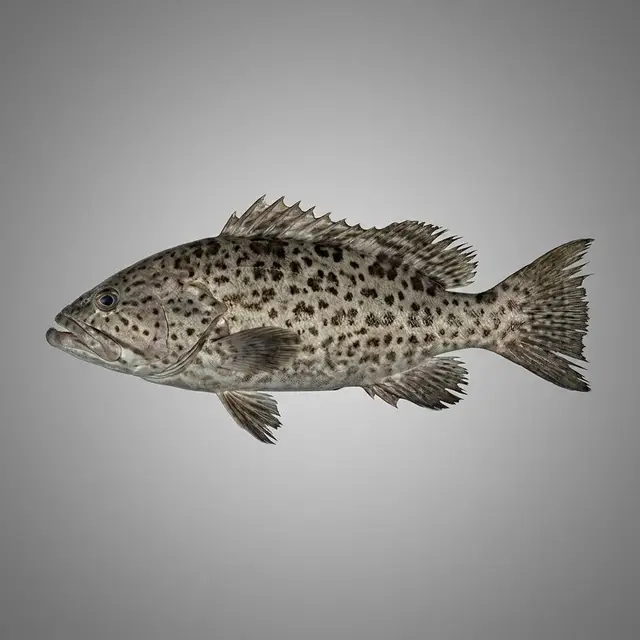
Scamp Grouper
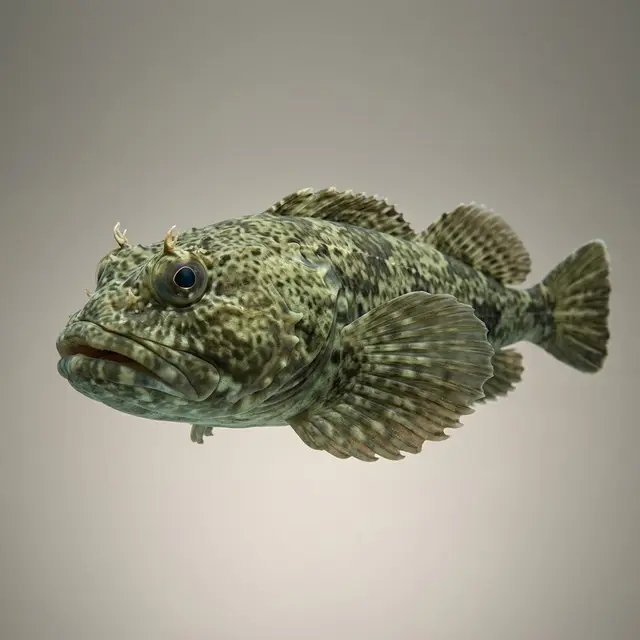
Cabezon
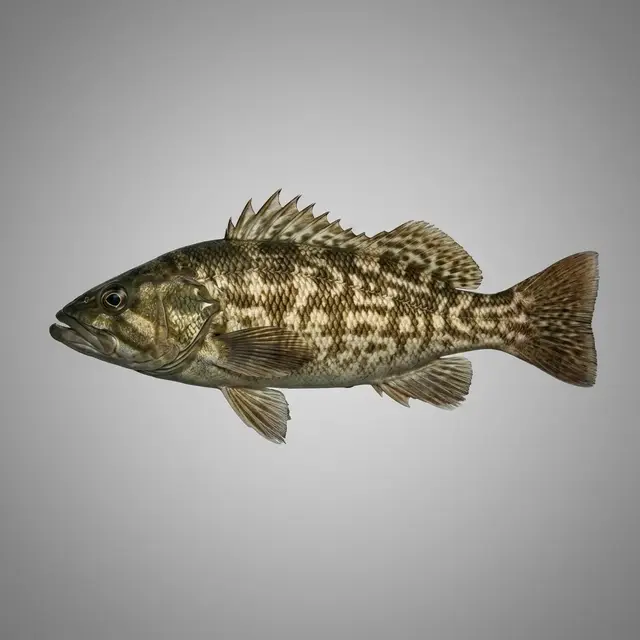
Kelp Bass
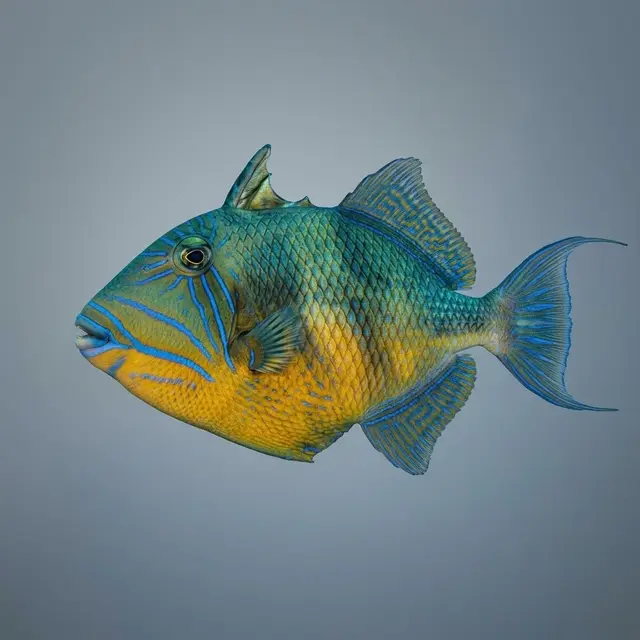
Queen Triggerfish
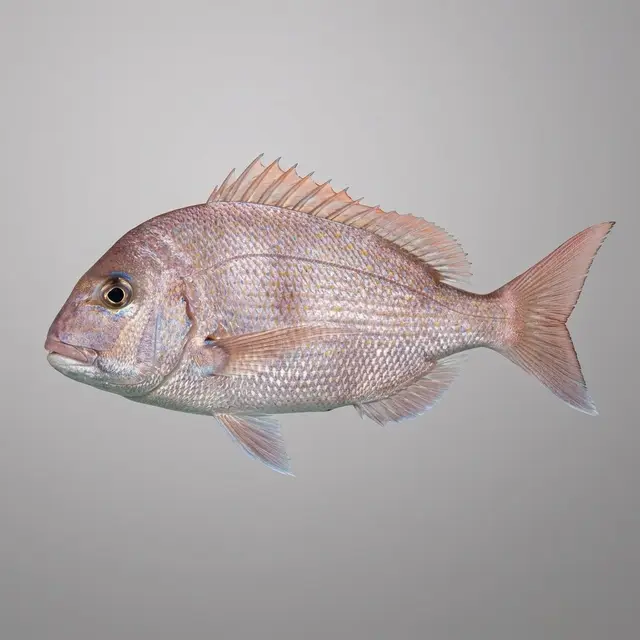
Red Porgy
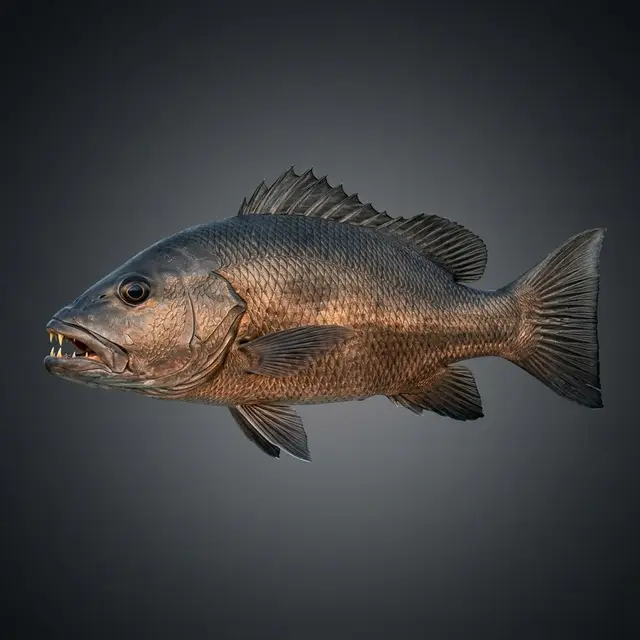
Cubera Snapper
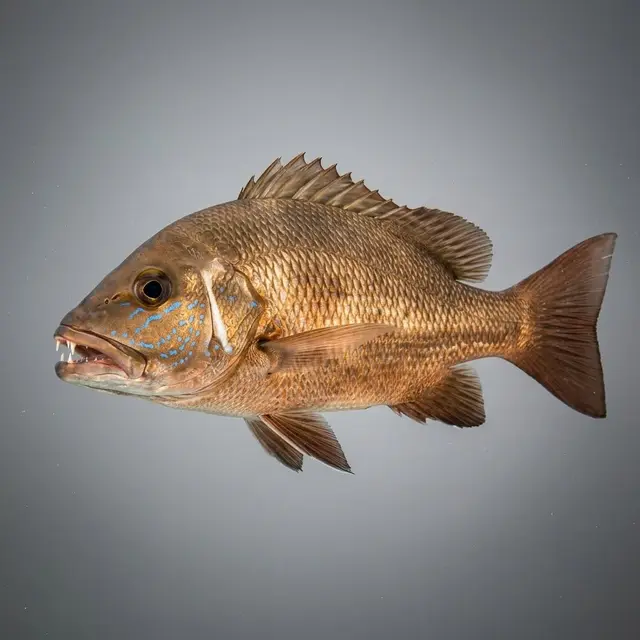
Dog Snapper
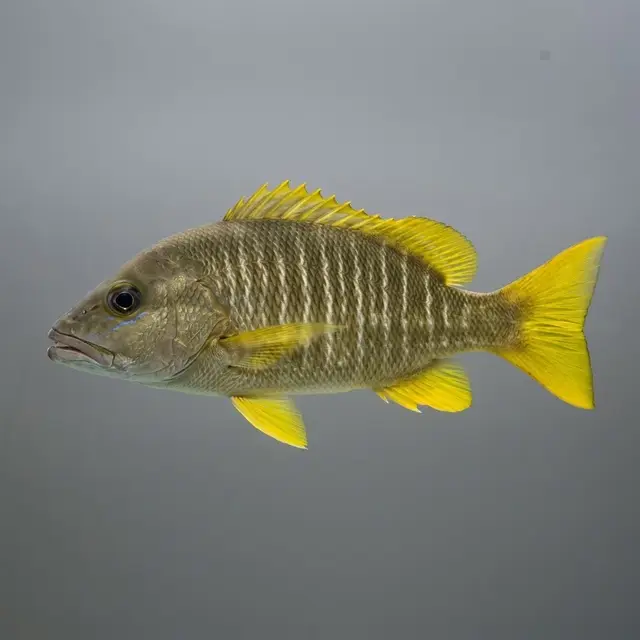
Schoolmaster Snapper
No species match that search. Clear search
How to tell them apart
One identification cue for each species, from its profile. Open a profile for the full description, size and range.
- Warsaw Grouper
- The standout feature is the second dorsal spine, which is greatly elongated and much longer than the others, unlike any other Atlantic grouper.
- Snowy Grouper
- Juveniles are dark brown to nearly black, covered in evenly spaced pearly-white spots arranged in neat rows, with a dark saddle blotch on top of the caudal peduncle (the base of the tail).
- Red Hind
- A stout-bodied grouper, pale cream to reddish, densely peppered with reddish-brown to orange-red spots across the head, body, and fins.
- Black Sea Bass
- Black sea bass are robust, deep-bodied fish with a rounded head and a continuous spiny-and-soft dorsal fin.
- Red Snapper
- The body has a sloping forehead and the anal fin is angular, coming to a point - distinguishing it from similar snappers with rounded anal fins.
- Grouper
- Groupers are stout, big-headed fish with a large mouth, a protruding lower jaw, and a heavy, muscular body built for short, brutal bursts of power.
- Tautog
- Tautog are stout, deep-bodied fish with a steep forehead, thick rubbery lips, and a powerful set of jaws built for crushing shellfish.
- Lingcod
- Lingcod are long, stout fish with a large, broad head, an oversized mouth, and an impressive set of sharp, irregular teeth that give them a fearsome, prehistoric look.
- California Halibut
- The California halibut is a large, diamond-shaped flatfish with both eyes on one side of its head - and unlike most flatfish, it is often "left-eyed," with the eyes on the left side and the mouth opening to the right, though a significant portion of the population is right-eyed, making it one of the more variable flatfish in this respect.
- Pacific Halibut
- Anglers distinguish them from the smaller arrowtooth flounder and other flatfish by their size, their relatively symmetrical diamond shape, and their lunate (crescent) tail.
- Vermilion Rockfish
- Vermilion rockfish are deep-bodied, robust rockfish with the spiny dorsal fin, large head, and big mouth typical of the genus Sebastes.
- White Seabass
- White seabass are long, streamlined, silvery fish with an elongated body, a slightly humped back, and a large mouth set in a pointed head.
- Gray Triggerfish
- Gray triggerfish are deep, laterally compressed, oval-bodied fish with a tough, leathery, scaleless-looking hide and a small mouth set with strong jaws and tiny, sharp incisor-like teeth.
- Mangrove Snapper
- Mangrove snapper are typically gray to grayish-brown or reddish, often with a coppery cast, and can shift shade with mood and habitat - fish over reefs tend to run redder, while dock and mangrove fish are grayer.
- Gag Grouper
- Gags are frequently confused with black grouper, and telling the two apart takes attention to fin and tail markings - an identification challenge that matters because regulations can differ between grouper species.
- Mutton Snapper
- Two reliable field marks set them apart: a small black spot high on the back below the rear of the dorsal fin, and faint blue lines across the cheek and gill cover.
- Yellowtail Snapper
- The yellowtail snapper is unmistakable: a slim, streamlined snapper with a bluish to olive back scattered with yellow spots, silvery sides, and a bold yellow stripe that runs from the snout through the eye and widens as it sweeps back to a deeply forked, brilliant yellow tail.
- Scup / Porgy
- Scup are a deep-bodied, laterally compressed panfish with a silvery, faintly iridescent body that can show soft blue, tan, or coppery tones depending on the light.
- Hogfish
- Hogfish are unmistakable once you know them. They have a deep, laterally compressed body and, most distinctively, a long, tapering, pig-like snout with a protrusible mouth built for rooting in the bottom.
- Atlantic Cod
- Atlantic cod are a heavy-bodied, elongated groundfish with a large head, a blunt snout, and a distinctive single barbel dangling from the chin - a key identifying feature.
- Pollock
- Unlike the cod, pollock have little or no chin barbel - it is tiny or absent - and they lack the heavy dark speckling of cod, giving them a cleaner, more silvery look.
- Goliath Grouper
- Unlike most groupers, the goliath has a broad, rounded profile that looks blocky and tank-like.
- Red Grouper
- Red groupers are a warm reddish-brown to rusty orange over the back and sides, often with pale blotches and scattered small spots, fading to a lighter belly.
- Black Grouper
- Black grouper are stout, heavy-bodied fish with a large mouth and broad tail. Coloration ranges from olive to dark gray with rectangular black blotches and brassy spots arranged in loose rows along the flanks, giving a chain-link or tile-like look.
- Lane Snapper
- That combination of pink body, yellow stripes, and side spot makes the lane snapper easy to tell apart from its larger relatives.
- Haddock
- Haddock are silvery-gray with a black lateral line and a distinctive dark "thumbprint" or St. Peter's mark above the pectoral fin.
- Pacific Cod
- Pacific cod are mottled brown to gray with a pale lateral line, three dorsal fins, and a long chin barbel like their Atlantic relative.
- Black Rockfish
- They are told from similar species by their dark coloring and rounded anal fin.
- Yelloweye Rockfish
- Yelloweye are bright orange to red with a pale line along the body, raspy ridges over the eyes, and the bright yellow eye that gives them their name.
- Blueline Tilefish
- Blueline tilefish are grayish-olive above and pale below with a golden line and a distinctive blue streak beneath the eye, and a stout body with a small dorsal crest.
- Scamp Grouper
- Scamp are grayish-brown with dark spots and, on larger fish, broom-like trailing tips on the tail and fins.
- Cabezon
- Cabezon are broad-headed, scaleless and mottled in green, red or brown, with a fleshy flap over each eye, big pectoral fins and a wide mouth.
- Kelp Bass
- The mottled pattern and kelp habitat distinguish them from the barred sand bass.
- Queen Triggerfish
- Queen triggerfish are vivid blue-green and yellow with bright blue lines radiating from the eyes and blue bands on the fins, a deep compressed body, and the trigger-like locking dorsal spine of the family.
- Red Porgy
- The rosy color and blue-flecked back distinguish them from the smaller scup.
- Cubera Snapper
- A heavy, deep-bodied snapper colored slate gray to dark reddish-brown, often with a coppery or purplish cast (the name cyanopterus means "blue fin").
- Dog Snapper
- Look for a robust, coppery to olive-brown body that often shows a bronze or reddish cast, with a distinctive pale, triangular or crescent-shaped bar below the eye and a pale blue broken line of spots under the eye in adults.
- Schoolmaster Snapper
- Look for an olive to brownish-gray body, often marked with about eight pale, narrow vertical bars that come and go with mood.
Browse all saltwater fish, or explore other groups: Inshore & Surf Offshore & Bluewater Sharks & Dogfish
Bottom-fishing tackle
Bottom rigs Pre-tied dropper loops for reef fish. Check price Bank sinkers Weight to hold bottom in current. Check price Venting tool Where rules call for it, helps deep-water fish go back down. Check price Saltwater combo Sealed drags shrug off spray and rinse-downs. Check price
As an Amazon Associate we may earn from qualifying purchases - at no extra cost to you. We link gear types, not sponsors' picks: you choose the exact product.