How to Raise Common Carp at Home
Common carp are one of the toughest pond fish you can raise, thriving in warm, murky, low-oxygen water that would kill most food fish.
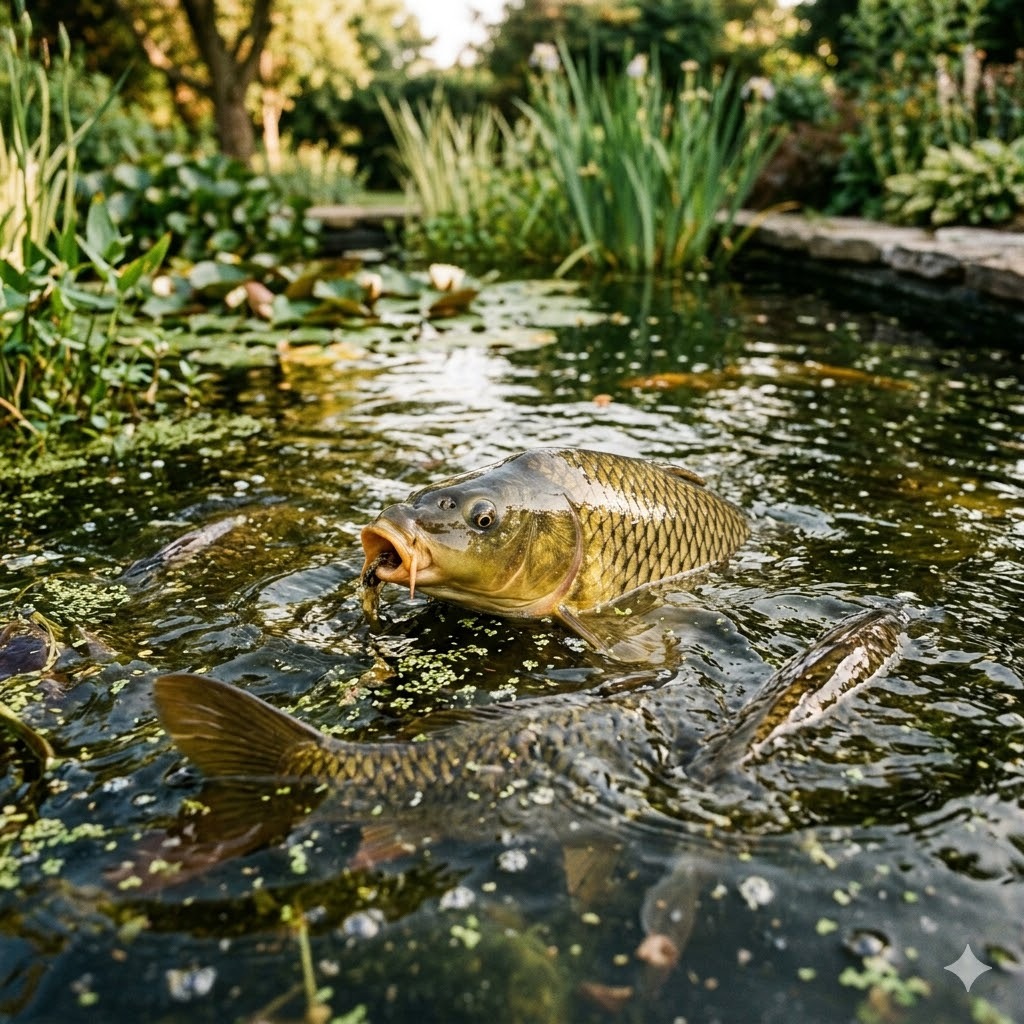
Common carp have been farmed for thousands of years across Europe and Asia, and they earned that history by being nearly indestructible. They thrive in murky, warm, low-oxygen water that would kill trout, bass, or catfish, which makes them one of the most forgiving fish you can put in a backyard pond. If you have a pond and want a hardy, low-maintenance food fish that tolerates conditions other species cannot, carp are hard to beat.
This suits the pond owner who wants a fish they can largely leave alone, the grower in a temperate climate without perfect water, and anyone drawn to a traditional, resilient food fish. It is a beginner-friendly project - the main skill is setting up the right kind of pond rather than fussing over the fish.
Why raise common carp
Carp give you a hardy pond fish that keeps producing with minimal intervention. They grow steadily on natural pond food supplemented with feed, reaching a useful eating size of a kilogram or more over a couple of seasons, and larger if you leave them. They are a staple food fish across much of the world, prized in many cuisines even though they are underrated in others.
What you get:
- A tough, low-maintenance fish that survives conditions that would kill most food species.
- Steady growth partly on natural pond food, which lowers your feed cost.
- A traditional table fish that keeps and cooks well, especially in soups, roasts, and smoked forms.
The honest downsides are worth naming. Carp are bony compared to catfish or trout, so they take more work to eat. They also stir up the bottom and cloud the water, which shapes how you set up the pond. And in many places they are a regulated or unwelcome species, so the legal side matters more than with most fish.
The system and space
Carp are pond fish through and through. They want a pond rather than a bare tank, because a pond gives them the settled bottom, natural food, and volume they are built for. A tank works poorly for carp - they root, cloud the water, and outgrow small systems.
A good carp pond includes:
- A decent volume of water with a settled, ideally muddy or planted bottom.
- Plants around the margins to shelter fish, support natural food, and help buffer the water.
- Enough depth that the pond stays cool and stable and does not freeze solid or overheat.
- Modest aeration as backup, even though carp tolerate low oxygen better than most.
Carp root through the bottom and cloud the water as they feed - that is normal behaviour, not a problem to fight. Plan for it with a settled, well-planted pond rather than trying to keep the water gin-clear. And do not overstock a small system: even a hardy fish will stunt or foul the water if there are too many. A larger, more natural pond is far more forgiving than a small bare one.
This rooting behaviour has knock-on effects worth planning for. Carp uproot soft plants and keep fine sediment suspended, so a pond with delicate ornamental planting is a poor match - use robust marginal plants around the edges rather than expecting a lush planted bottom to survive. The cloudy water they create is not a sign of a problem; it is simply what a carp pond looks like, and it does no harm to the fish. If you want any clear water at all, a settling area or a margin the carp cannot reach helps, but the simplest approach is to accept the murk as part of keeping this particular fish.
Water and temperature
Carp are a temperate fish and remarkably flexible. They do well across a wide range and grow fastest in warm water, feeding hard through summer and slowing right down as the water cools toward winter. In a temperate climate they can overwinter in a pond that is deep enough not to freeze through, going dormant in the cold and picking back up in spring.
Their headline trait is tolerance of poor conditions. Carp handle warm, murky, low-oxygen water that would suffocate most food fish, which is exactly why they suit imperfect backyard ponds. That said, tolerance is not immunity - a badly overstocked or fouled pond will still cause losses. Keep modest aeration available for the hottest, stillest nights.
The nitrogen cycle works the same as in any system: fish produce ammonia, beneficial bacteria convert it to nitrite and then to safer nitrate, and a mature, planted pond does much of this naturally. Give a new pond time to establish before stocking heavily, and if you use any tank stage, cycle it first. Test the water occasionally, especially if the pond is small or heavily stocked. Our systems and water quality guide covers cycling and pond balance in more detail.
Stocking and feeding
Buy carp fingerlings from a fish farm or aquaculture supplier. Carp will breed in a warm, well-planted pond, which can be a bonus or a problem: an unmanaged pond can fill with young fish that compete and stunt, so keep an eye on numbers.
Stock lightly, especially in a small pond. Carp reward patience and space, and overstocking is the main way to get stunted fish and fouled water. Fewer fish grown larger beats a crowded pond of small ones.
Carp are omnivores and forage naturally on insects, plants, and bottom life, so a healthy pond feeds them partly for free. Supplement with a pond-fish or carp pellet to speed growth, feeding small amounts they clean up rather than dumping feed that rots. They will also take grains and vegetable scraps. Feeding tapers off as the water cools in autumn and stops over winter dormancy, which is normal - do not force-feed dormant fish.
Health and the common mistakes
Carp are hardy, so trouble usually comes from the pond, not the fish. The real mistakes:
- Overstocking a small pond, which stunts the fish and fouls the water despite their toughness.
- Expecting clear water and fighting the natural clouding carp cause, instead of planning a settled, planted pond.
- Letting an unmanaged population breed out of control until the fish stunt.
- Ignoring the hottest, stillest nights, when even a tolerant fish can run short of oxygen in a crowded pond.
- Treating a bare tank like a pond - carp do poorly in it.
When disease appears it usually follows overcrowding or fouled water. Watch for fish off their feed, gasping, or showing sores, spots, or ragged fins. The fix is almost always to reduce the load and improve the water rather than to reach for a treatment. A well-planted, lightly stocked pond keeps carp healthy with very little intervention.
Harvesting common carp
Carp reach a useful eating size of a kilogram or more over a couple of seasons, and you can leave them to grow larger. Harvest by netting or draining the pond, or take fish selectively as you want them.
Processing takes a little more work than smoother fish because carp are bony. Dispatch the fish quickly and humanely, then scale and gut it. Carp have a row of intermuscular bones, so many cooks score, fillet carefully, or use methods like soups, roasting whole, or smoking that suit the flesh. Holding fish in clean, well-aerated water for several days before processing clears the muddy taste that bottom-feeding fish can pick up - this step makes a real difference with carp, so do not skip it if flavour matters to you.
Is common carp right for you?
Common carp are right for you if you have a pond, want a genuinely tough low-maintenance fish, and do not mind a bonier fish on the plate. They are one of the most resilient food fish you can raise and ideal for imperfect water where fussier species fail.
They are the wrong fish if you want boneless fillets with little effort - catfish or trout suit that better - or if you only have a small tank rather than a pond. They are also a poor choice if you are not prepared to manage the legal side, because carp carry more regulation than most.
This last point is serious. Common carp are non-native and considered invasive in many regions, and stocking them is regulated or banned in a lot of places precisely because escaped carp have damaged native waters worldwide. Check your local regulations carefully before you buy or stock any, and never release fish into the wild under any circumstances. Keep them contained in a secure pond and enjoy them on the table.