How to Raise Hybrid Striped Bass at Home
An advanced guide to raising fast-growing, market-value hybrid striped bass in a home recirculating system for serious growers.
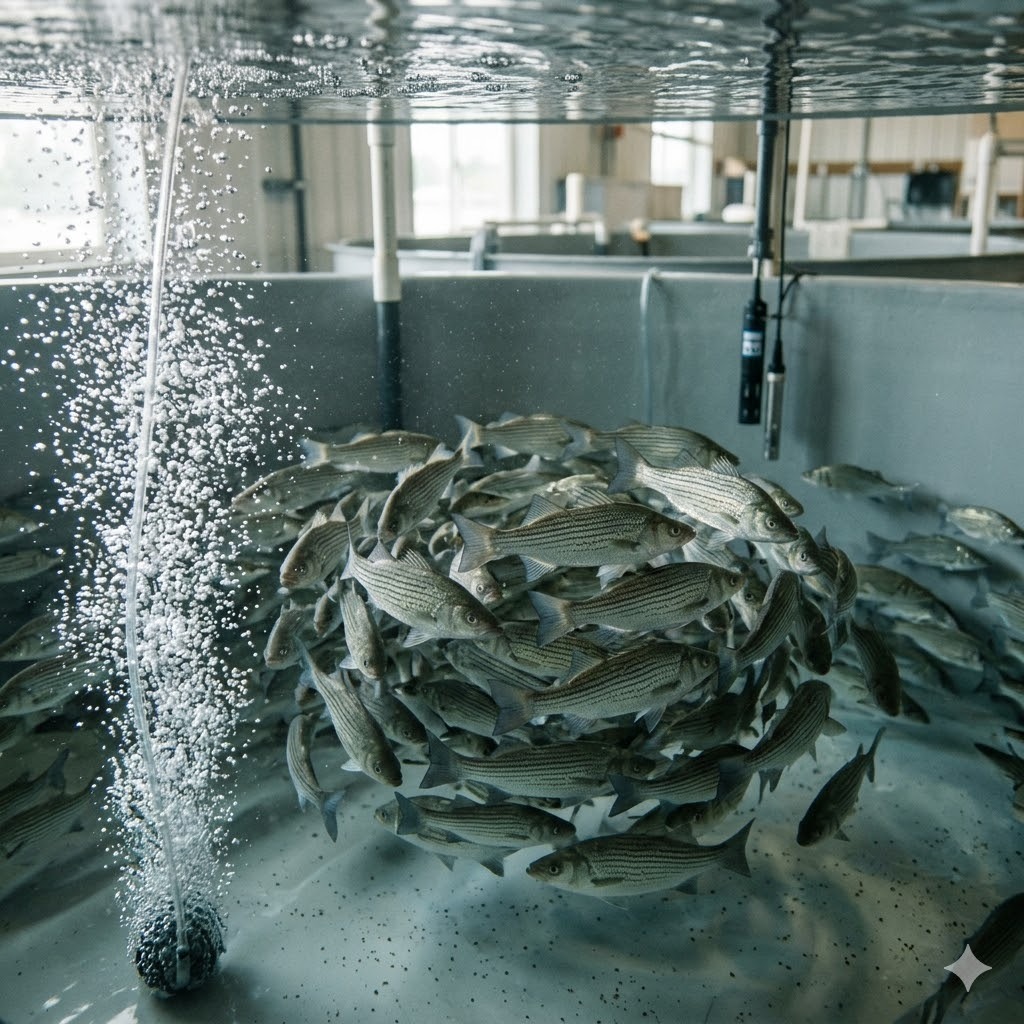
Hybrid striped bass are a fish bred specifically for farming, and it shows. They grow fast, handle tank life and a range of temperatures well, and command a strong market price, which makes them the go-to species for a serious home recirculating system. If you want a tank fish that turns into money or premium fillets and you are ready to run a real controlled system, this is one of the best choices available.
The honest framing matters here: this is an advanced project. Hybrid striped bass reward tight water quality and good feed, and they punish neglect. This is not a beginner's first fish. It is the step up you take once you already have a simpler tilapia or catfish system running smoothly and you understand how to keep a recirculating tank stable. Come to it with that experience and it is genuinely rewarding.
Why raise hybrid striped bass
The appeal is fast growth plus market value. This hybrid was created by crossing two bass species specifically to grow quickly and thrive in captivity, so it puts on size faster than many freshwater fish and reaches harvest in a reasonable window for a serious grower. That speed, combined with a firm, mild, well-regarded fillet, is why it commands a strong price and why growers who sell fish often build a system around it.
It is also a true tank fish. Unlike largemouth bass, which want a pond and live forage, hybrid striped bass adapt well to a recirculating tank, eat prepared pellet feed readily, and tolerate a range of temperatures and reasonable crowding. That makes them well suited to a controlled indoor or covered system where you manage every variable, which is exactly what a serious home aquaculturist wants.
What you get, then, is a fast, feed-efficient, high-value fish for a controlled system - the closest thing home aquaculture offers to a commercial-style crop. The price of that upside is that the fish expects a well-run system in return.
The system and space
Hybrid striped bass are a recirculating aquaculture system fish first and foremost. This is a tank or RAS species, and getting the system right is most of the job. A serious setup means one or more grow-out tanks paired with real filtration and water treatment, not a simple pond you can leave to its own biology.
A capable beginner-level RAS for these fish includes: a grow-out tank sized to your target harvest; strong aeration or oxygenation, because a dense, fast-growing, actively feeding fish demands a lot of oxygen; solids removal to pull waste out of the water; a biological filter to process dissolved waste; and reliable pumps to keep the whole loop circulating. Because the fish are valuable and the density is high, you also want backup - a spare aerator or generator - since a pump or power failure can wipe out a tank quickly. Our systems and water quality guide covers RAS components in detail.
The reason this sits at the advanced level is that everything depends on the system holding steady. A tilapia or catfish setup is more forgiving of a beginner's mistakes; hybrid striped bass, stocked densely and fed hard, leave less margin. Build and test your system, get it stable, and ideally cut your teeth on an easier fish before you commit a valuable crop to it.
Water and temperature
Hybrid striped bass tolerate a range of temperatures, which is part of what makes them adaptable, but they grow best within a comfortable band and slow down at the cold and hot extremes. In a controlled system you manage temperature to keep them in their productive range, and their temperate tolerance means you are not fighting the water as hard as you would with a strictly warm-water fish.
Oxygen is the number one concern. A dense tank of fast-growing fish that are eating heavily consumes oxygen rapidly, and warm water holds less of it, so strong, reliable aeration or supplemental oxygen is non-negotiable. An oxygen crash in a stocked RAS can kill a tank in hours. This is why backup aeration matters so much for a valuable crop.
The nitrogen cycle is the heart of the system and you must respect it. Fish waste and uneaten feed release ammonia, which is toxic; your biological filter's bacteria convert ammonia to nitrite, then to nitrate, which you dilute with water exchanges. A dense, heavily fed tank produces a lot of ammonia, so your biofilter must be fully established and sized for the load before you push feeding. Cycle the system fully before stocking, stock and ramp feeding gradually so the biofilter keeps up, and test water constantly. This constant vigilance is the real work of raising these fish, and it is why the species suits an experienced grower.
Stocking and feeding
Buy fingerlings from a reputable aquaculture supplier that produces this hybrid - you cannot reliably breed it yourself at home, since it is a deliberate cross, so you will restock from a hatchery each cycle. Get healthy, uniform, disease-free fingerlings and quarantine or observe them before adding them to a valuable grow-out tank.
Stocking density can be fairly high for a RAS, which is part of the economic appeal, but density is entirely dependent on your system's oxygen and biofiltration capacity. Do not stock to the maximum the fish will physically tolerate; stock to what your filtration and aeration can safely support, and give yourself margin. Overstocking a RAS is one of the fastest ways to lose a crop.
Feeding is straightforward in that these fish take a quality pellet feed readily and grow efficiently on it. Feed a good sinking or floating pellet suited to their size, in measured amounts they finish quickly, several times a day during active growth. The discipline is not to overfeed - excess feed fouls the water, spikes ammonia, and loads your biofilter for no gain. Match feeding to appetite and water quality, and back off if the system shows any strain.
Because these fish are valuable and grow fast, feeding is also where you read the health of the whole system. A tank of hungry, actively feeding fish that clean up their pellets quickly tells you oxygen and water quality are good. Fish that go off their feed are almost always telling you something is wrong upstream - low oxygen, rising ammonia, or a temperature swing - so treat a drop in appetite as an early warning to check the water rather than a reason to keep offering more food.
Harvesting hybrid striped bass
Hybrid striped bass grow fast for a freshwater-style fish, and in a well-run warm system they reach market fillet size faster than slower species like perch, though the exact timeline depends on temperature, feeding, and how hard you push the system. Because they grow evenly and predictably in a controlled tank, harvest is more scheduled and less of a guessing game than with an uneven grower.
Process them like any quality food fish: dispatch quickly and humanely, bleed and chill the fish immediately, and fillet. The flesh is firm, white, and mild, and it presents well, which is a big part of why the fish sells. Clean water quality shows up directly in flavor, so a well-run system produces a better product on the plate and in the market.
If you are selling, the combination of fast even growth and strong market value is the whole point - you can plan harvests and turn over crops on a predictable cycle. Then you restock fingerlings from your supplier and run the next batch.
Is hybrid striped bass right for you?
Hybrid striped bass are right for the serious, experienced home grower who already runs a recirculating system competently and wants a fast, high-value crop. If you have had a tilapia or catfish RAS running smoothly, you understand the nitrogen cycle in your bones, you can keep water quality tight, and you have backup for your aeration, this fish will reward that competence with fast growth and a genuine market fish.
It is the wrong choice for a beginner or for anyone without a controlled, reliable system. The advanced label is real: dense stocking, heavy feeding, high oxygen demand, and a valuable crop mean small mistakes get expensive fast, and you cannot fall back on a forgiving pond. If you are just starting out, build your skills on an easier fish first and come back to hybrid striped bass when your system and your habits are solid. For the grower who is ready, it is one of the best fish home aquaculture has to offer.