How to Raise Largemouth Bass at Home
A practical guide to stocking largemouth bass in a backyard pond for sport and the table, and why they need forage first.
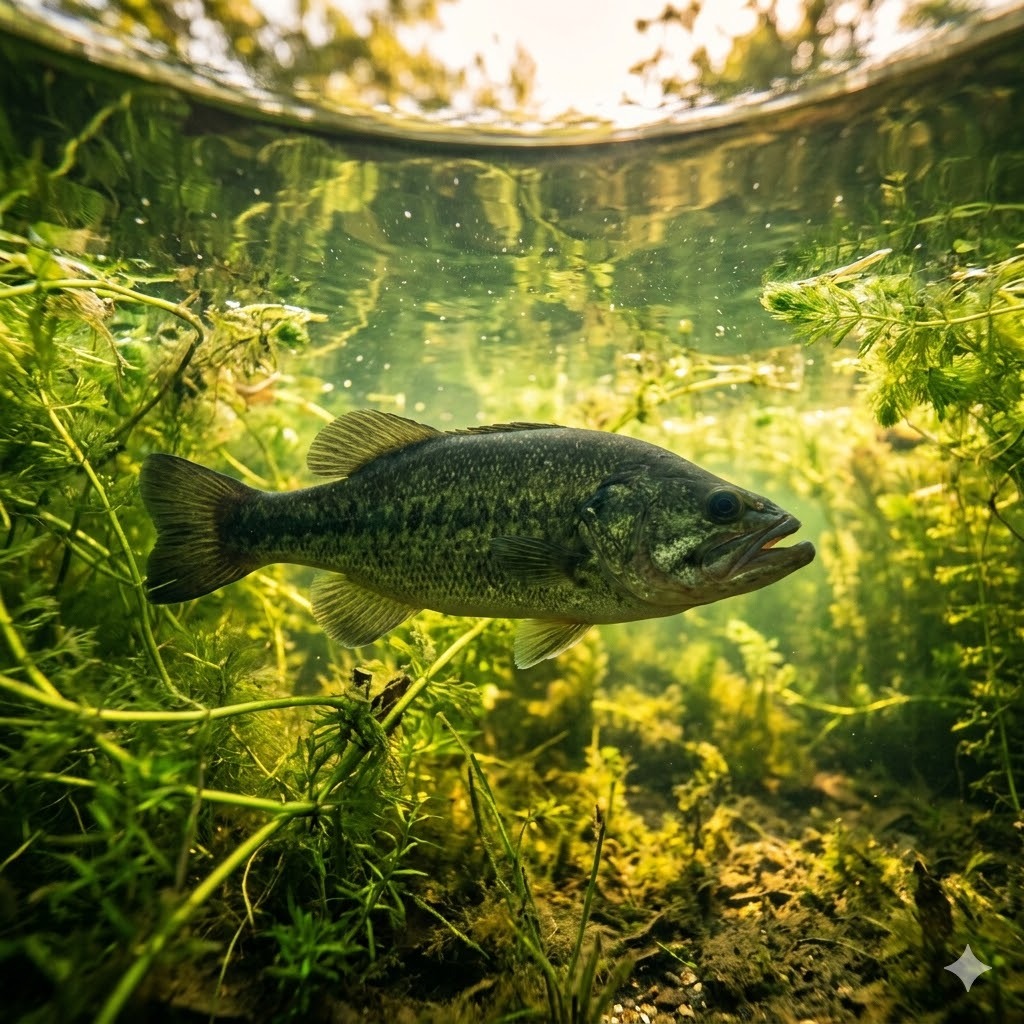
Largemouth bass are the classic choice for a backyard pond, and for good reason - they give you a genuine sportfish to catch on a summer evening and a top predator that keeps a bluegill population from running wild. The honest catch is that they are not a fast food fish. Bass grow slower than something like tilapia or catfish, they need a living supply of smaller fish to eat, and they suit a pond rather than a tank. If you want a pond you can fish for years and eat from occasionally, bass are a great fit. If you want quick, high-volume fillets, look elsewhere.
This guide assumes you have or can build a warm-water pond and are comfortable managing it over seasons rather than weeks. It is an intermediate project, mostly because success depends on getting the food chain right before you add many predators.
Why raise largemouth bass
Bass earn their place through a mix of sport and table value. A well-managed pond gives you fish in the one to three pound range that fight hard on light tackle, and larger fish over the years if you let some grow. The fillets are mild and firm, and while bass are not a fish most people raise purely for volume of meat, a healthy pond will supply the occasional dinner without denting the population.
The other job bass do is control. In a pond stocked with bluegill or other panfish, an unchecked prey population overbreeds and stunts, leaving you with hundreds of tiny fish. Bass eat the smaller ones and keep the survivors growing to a good size. This is the paired-pond idea that most backyard pond owners use: bluegill as the forage and panfish base, bass as the predator that keeps them in balance. Neither species does as well alone.
Be realistic on timeline. From a small stocked fingerling, a bass takes roughly two to three years to reach a satisfying catch-and-eat size, and it depends heavily on how much forage is available and how warm your growing season is. This is a project for someone who enjoys the pond itself, not just the harvest.
The system and space
Largemouth bass want a pond, not a tank. They are territorial, roam widely, and need surface area and depth to behave and grow normally. A cramped tank stresses them and stunts growth, so this is not a fish for a garage recirculating setup.
A workable beginner pond is a fraction of an acre and up, with a deeper section of at least eight feet or so that stays cool and holds oxygen through summer and does not freeze solid in winter. Shallower margins and some structure - submerged brush, rocks, weed beds - give both the forage fish and the bass places to hide, ambush, and spawn. A pond that is a featureless bowl grows fewer, warier fish.
You do not need pumps and filters the way a tank does. A healthy pond runs on its own biology, with plants and natural processes doing the filtering. What you do need is good water depth, some shade or aeration to fight summer heat, and a plan to manage the plant and algae balance so the pond does not choke or crash. Our systems and water quality guide covers pond aeration and plant control in more detail.
Water and temperature
Largemouth bass are a warm-water fish. They feed and grow most actively when the water sits in the comfortable warm range of a temperate summer, slow down as it cools, and go largely dormant in cold water. In a pond that freezes over, they overwinter fine as long as the deep water holds enough oxygen.
The two things that kill pond fish are low oxygen and fouled water, and both usually trace back to the same causes: too many fish, too much feed or waste, and warm still water in the height of summer. Warm water holds less oxygen, and a hot, calm, weedy pond can crash overnight - often at dawn, when plants have used oxygen all night. Aeration or a fountain, and not overstocking, are your main defenses.
In a pond you are not running a filter, but the nitrogen cycle still matters. Fish waste and uneaten feed release ammonia, which pond bacteria convert to nitrite and then to nitrate, which plants take up. A young or overloaded pond has not built the bacterial and plant capacity to handle a heavy load, so add fish and feed gradually and let the system mature. Test occasionally, watch for stressed fish gulping at the surface, and hold back on feeding when the water is very warm.
Stocking and feeding
Get your stock from a reputable fish hatchery or pond-stocking supplier as healthy fingerlings, not from a random wild lake, both for disease reasons and because you want fish suited to your climate. The single most important rule: stock the forage first. Bass need something to eat, so put in bluegill or fathead minnows and let that population build and start breeding before you add many bass. Adding lots of predators to an empty pantry just starves them.
Sensible ratios favor far more prey than predators. A common approach is to stock bluegill and minnows in the first season, then add a modest number of bass the following season once the forage is reproducing. Resist the urge to dump in a lot of bass at once. A few predators in a well-fed pond grow faster and healthier than a crowd of hungry ones.
Bass are ambush predators and mostly eat living prey - small fish, insects, crayfish. Unlike tilapia or catfish, they do not reliably switch to pellet feed, so your feeding strategy is really a forage strategy: keep the bluegill and minnow base healthy so the bass feed themselves. You can feed the forage fish a pond pellet to boost the whole system, which indirectly feeds your bass.
Think of the pond as a small food chain you are tending rather than a bucket of fish you are feeding directly. The pellets grow the minnows and bluegill, the smaller forage fish grow the bass, and your job is to keep every link healthy. If the forage base gets thin, the bass stop growing and may even start eating their own young, so watching the health of the prey population is really watching the health of your bass.
A brief honest note on the law. Largemouth bass are non-native or regulated in some regions, and stocking rules vary widely. Check your local regulations before stocking any pond, make sure your source fish are legal and disease-tested for your area, and never release bass or any stocked fish into wild lakes, rivers, or streams. Introduced predators do real damage to native waters.
Harvesting largemouth bass
Bass reach a fair eating size, around one to two pounds, in roughly two to three years in a decent pond, with warmer climates and stronger forage speeding that up. Rather than harvesting on a fixed schedule, you manage the pond: take some fish each year to keep the population balanced and the survivors growing, and let a few grow on as larger sportfish.
Process bass like any freshwater fish. Dispatch the fish quickly and humanely, bleed it, and keep it cold. Bass yield two boneless fillets; skin them and trim the darker lateral meat if you prefer a milder taste. The flesh is white, firm, and mild. Fish from clean, well-managed water taste far better than fish from a warm, muddy, overloaded pond, which is one more reason to keep the water in good shape.
Because bass are slow-growing and double as your predator, do not harvest them heavily. Overharvesting the bass lets the bluegill explode and stunt, undoing the balance. Take panfish freely and bass sparingly.
Is largemouth bass right for you?
Largemouth bass suit someone who has a real pond, or the space and will to build one, and who values a fishery to enjoy over years rather than a quick crop of meat. If you like the idea of walking down to your own pond with a rod, keeping the odd fish for dinner, and managing a small ecosystem, bass are deeply rewarding.
They are not the right choice if you have only a tank or small space, if you want fast, high-volume protein, or if you are not prepared to manage a forage base and pond biology over multiple seasons. In those cases a tank species like tilapia, catfish, or hybrid striped bass makes far more sense. Bass are also the wrong first project if you are unsure about local stocking rules - sort that out before you dig or stock anything. Get the pond and the forage right, be patient, and largemouth bass will reward you for years.