How to Raise Marron at Home
A guide to raising marron at home - the prize freshwater crayfish that demands cool, clean, well-oxygenated water and careful stocking to reach table size.
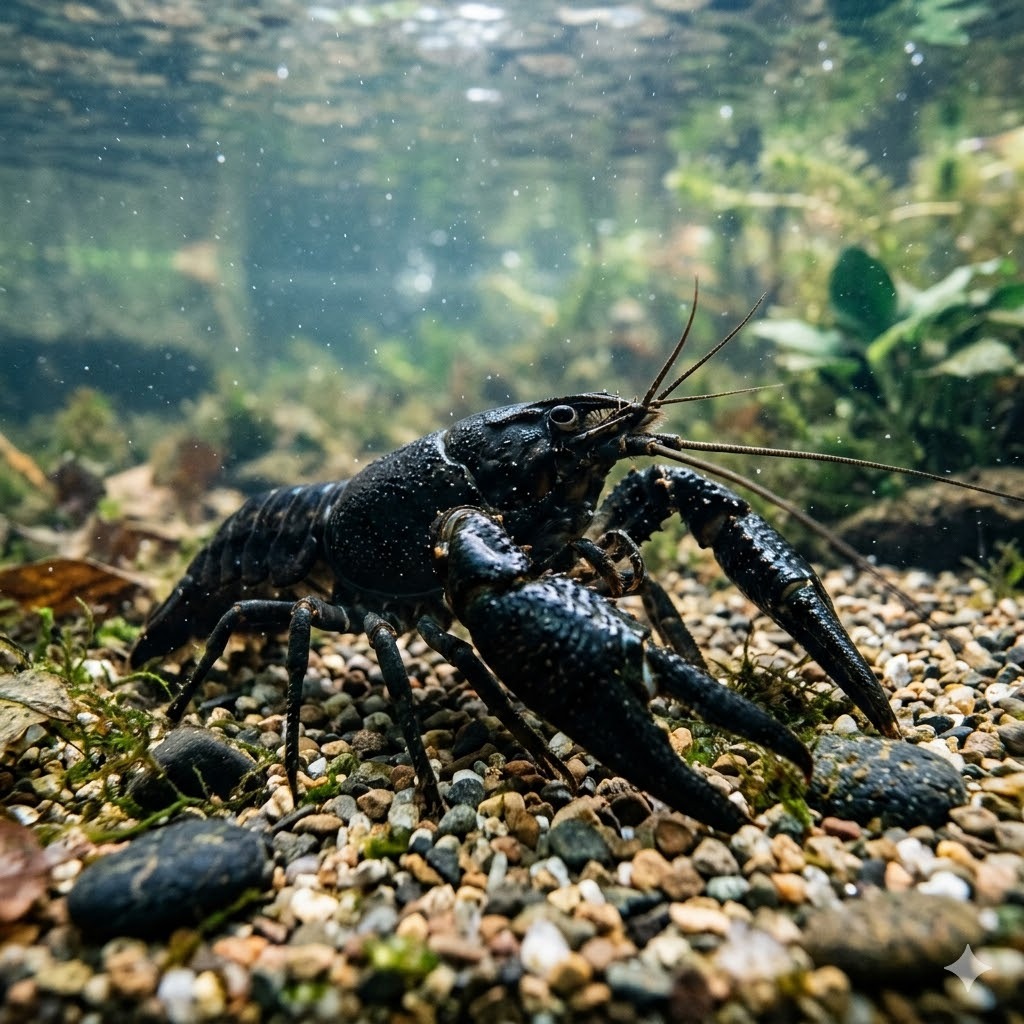
Marron are the prize of freshwater crayfish - large, clean-tasting, and genuinely premium on the plate. If you get them to size, few home-raised foods feel as worthwhile. But marron are not a beginner animal. Where a yabby forgives murky, warm, low-oxygen water, a marron will not, and pushing density or letting your water quality slip is how home growers lose a whole batch.
This is an advanced project. It rewards patience, good gear, and attention to water quality far more than it rewards enthusiasm. Best suited to someone who has already raised a hardier cray, has cool clean water to work with, and wants a high-value crop they are willing to work for.
Why raise marron
The reason is quality. Marron grow large and produce firm, clean, sweet meat that stands well above the average freshwater cray. For a grower who values the eating over the ease, that is the entire appeal - this is the connoisseur's crayfish.
Realistically, marron are slow. Reaching a good table size takes longer than a yabby, often well over a year and sometimes closer to two depending on temperature, water quality, and how disciplined you are about density. There are no shortcuts - crowding them to speed things up only stunts and stresses the lot.
Treat it as a considered, long-term project rather than a quick feed. As a hobby it is deeply satisfying; as an income stream it demands scale and skill most home setups will not have.
Be honest with yourself about why you want them. If the goal is simply a feed of crayfish with minimal effort, a yabby delivers that far more easily. Marron are worth it specifically when the eating quality matters to you and the slow, careful process is part of the appeal rather than a chore. Growers who come to marron expecting yabby-level ease are the ones who get frustrated and lose batches. Come to them expecting to work for a superior result, and they reward you.
The system and space
Marron do best in a pond - lined or earthen - with clean, cool, well-oxygenated water and low stocking density. Large tanks work too, but only if you can keep the water pristine and the animals uncrowded. Whatever you use, plan for fewer animals in more space than you would with a yabby.
Cover is essential, as with every crayfish, because a freshly moulted marron is soft and defenceless:
- Pipe offcuts, tiles, and mesh tubes
- Rock and rubble stacks
- Bundled netting and pots
But cover alone is not enough for marron. The two things that make or break them are oxygen and density. Give them room, give them clean cool water, and give every animal somewhere to hide during its vulnerable moult.
Keep a barrier lip or lid. Marron are less inclined to wander than yabbies, but any crayfish in failing water will try to climb out.
Depth and shade deserve real thought for marron. Because they need cool water, a deeper pond that holds a cool bottom layer, ideally with shade over part of the surface, buffers them against the summer heat that would otherwise stress or kill them. In a tank system, that same logic means siting it away from heat and being ready to cool the water if your climate runs warm. Build the system around keeping the water cool and oxygenated from the start, rather than trying to rescue an overheating pond after the fact - with marron, prevention is far easier than recovery.
Water and temperature
This is where marron earn their advanced rating. They need cool, clean, well-oxygenated water and will not tolerate the murky, warm, low-oxygen conditions a yabby shrugs off. Warm, still, or dirty water stresses them, stalls their growth, and kills them.
Aeration is not optional. Run strong aeration or good water movement so oxygen stays high, and watch the temperature - marron prefer it on the cooler side and suffer as water warms and its oxygen-carrying capacity falls. If your climate runs hot, shade, depth, and serious aeration become essential rather than nice to have.
Moulting drives growth and depends on your water. To grow, a marron sheds its shell and rebuilds a larger one, drawing calcium from the water. Keep the water hard enough, with adequate calcium, so new shells set hard and fast - a marron that cannot harden its shell stays vulnerable far too long. Hold ammonia and nitrite near zero and keep everything stable, exactly the discipline our systems and water quality guide is built around. With marron, water quality is the whole job.
Stocking and feeding
Buy juveniles from a licensed aquaculture supplier or an established breeder. Read the legal note below before you source anything, because marron are non-native and heavily restricted in most places.
Stock low - lower than feels productive. This is the single most important marron rule after oxygen. High density spikes aggression, fouls the water, and causes exactly the moulting cannibalism that thins out a batch. Fewer animals in clean, cool, well-aerated water will outgrow a crowded pond every time.
Feeding is straightforward for an omnivore:
- Sinking pellets formulated for crayfish or shrimp
- Vegetable matter such as carrot, pumpkin, and greens
- Occasional protein like earthworms or a little fish
- Natural food and algae in an established pond
Feed measured amounts and remove leftovers the next day - decaying food is doubly dangerous for marron because it drops the oxygen they cannot spare. Underfeed slightly rather than overfeed.
Grade by size as they grow. Separating larger from smaller animals reduces cannibalism during moults and stops big marron outcompeting the little ones. Grading is a core part of getting the big table crays that make marron worth the effort.
Health and the common mistakes
Most marron failures come down to water and crowding.
- Low oxygen. The classic killer. Warm, still, or overstocked water starves them of oxygen. Aerate hard, keep it cool, stock light.
- Overstocking. Speeds nothing up and causes stress, poor growth, and cannibalism. Restraint here is the difference between success and a lost batch.
- Moulting deaths. Soft-shelled marron with no cover, in soft or poor water, get eaten or fail to harden. Fix with cover, calcium, and clean water.
- Water-quality slips. Marron have no tolerance for it. Test regularly and change water before problems build.
Handle them rarely and never move a soft, freshly moulted animal. Remove any dead marron immediately - fouling hits a low-oxygen system hard.
Have a plan for heatwaves and power cuts before they happen, because both hit marron harder than any other cray here. A hot spell can push a pond past what the animals tolerate within a day, and a failed aerator overnight can suffocate a whole batch in water that was fine at dusk. Backup aeration, shade you can deploy quickly, and a way to add cool water are not luxuries for marron - they are the difference between a bad afternoon and a total loss. The growers who succeed with marron are the ones who assume something will go wrong and prepare for it.
Harvesting or breeding marron
Marron breed without a brackish larval stage, which is a real advantage over prawns. The female carries the eggs, then the tiny marron, under her tail and releases fully formed miniature crayfish. In practice, though, marron are slower and more demanding to breed well than a yabby - the young need clean, cool, oxygen-rich water and plenty of cover to survive, and getting good numbers to grow-out size takes patience and space.
To encourage it, keep mature males and females together in excellent water with abundant hides, and leave berried females undisturbed. Give the released juveniles their own cover so they can scatter and hide through their vulnerable early moults.
Harvest the largest animals by trap or by draining, and leave mid-sized crays and breeders to carry the cycle on. Grade as you go - big ones out, smaller ones and breeders back - to keep a marron system producing over the long term.
Is marron right for you?
Marron are right for you if you want the best-eating freshwater cray and you have - or can build - cool, clean, well-oxygenated water and the discipline to stock light and wait. They suit growers who already understand water quality and enjoy a demanding, high-value project.
They are wrong for you if you want something forgiving, fast, or cheap to run, or if your only water is warm and murky. In that case start with a yabby and come back to marron once you have the fundamentals down.
Finally, the firm rule: marron are non-native and a serious invasive risk, and are strictly regulated or banned in many regions. Check your local law before you buy or keep them, obtain any permit required, and never release them into wild waterways, drains, or natural ponds. A high-value crop is no excuse for an ecological one.