Raising Murray Cod: A Premium Native Fish for Temperate Aquaculture
How to grow Murray cod in a backyard recirculating system - a hardy, slower-growing native prized for flavor, with a strong appetite and a habit of eating anything smaller than itself.
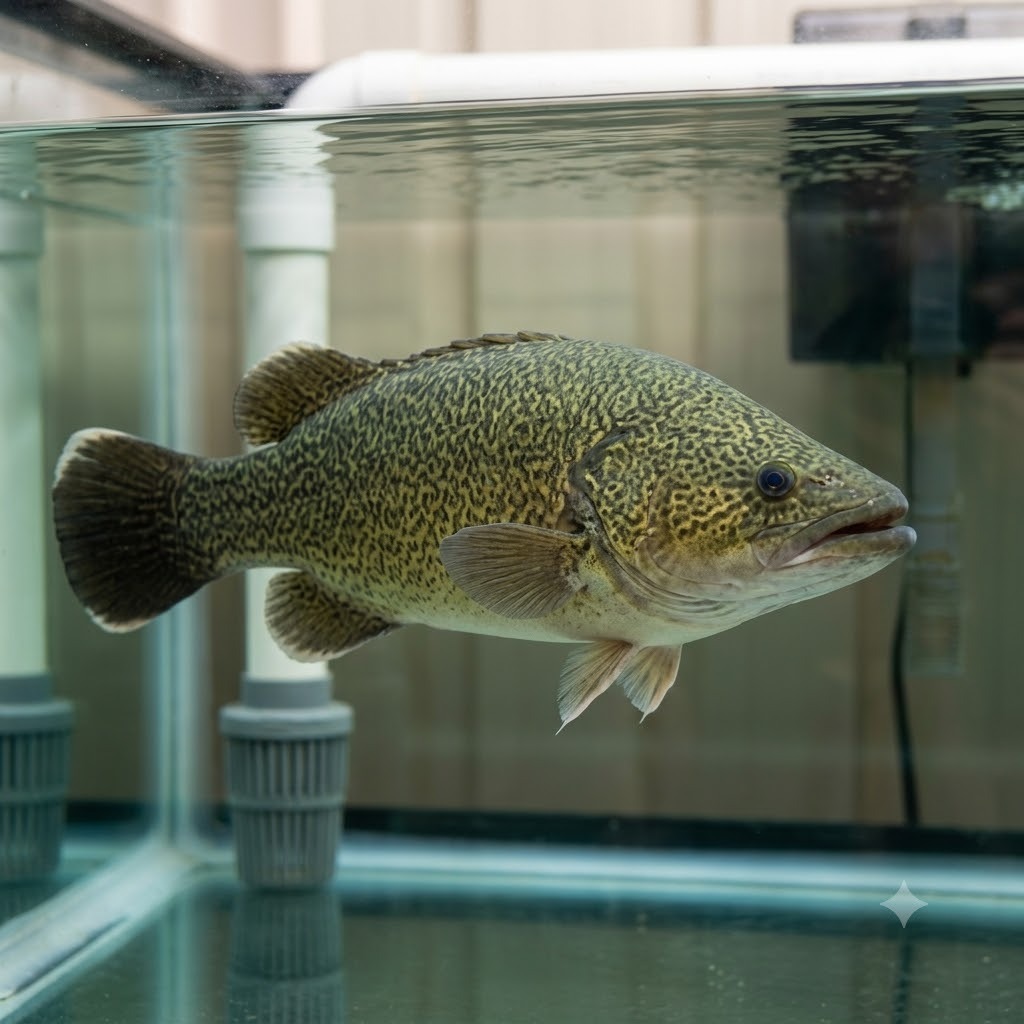
Murray cod are Australia's most famous native fish and a genuine premium aquaculture species. They are hardier in cooler water than tropical species like barramundi, but they grow more slowly and, as ambush predators, must be size-graded constantly or they will simply eat each other.
Is it right for you?
Murray cod suit a patient grower who values flavor over speed and can manage a predatory fish. They tolerate temperate conditions better than tropical species but need clean water and careful grading.
System & Space
Grow them in a large recirculating tank or lined pond of several hundred gallons or more, with plenty of biological filtration. They are usually raised under cover to steady the temperature.
Water & Temperature
They do best in temperate water, roughly 18-24C, tolerating a wider range than tropical fish. Strong filtration and regular water changes are essential under heavy feeding.
Stocking & Feeding
Stock size-graded fingerlings and feed a high-protein pellet; they take to pellets well. Grade frequently - a larger cod will happily eat a smaller one.
Health & Care
Clean water prevents most issues; watch for stress and skin problems from poor conditions. Avoid overcrowding and keep sizes even to prevent cannibalism and injury.
Harvest & Enjoying Them
Murray cod grow slower than tilapia, taking a year or more to plate size, but reward the wait with firm, white, sweet flesh considered among the best of freshwater fish.
Getting Started
Begin with a cycled tank or pond, source healthy fingerlings from a licensed hatchery, and plan for slower growth and diligent grading.
Common Mistakes
The classic mistakes are mixing sizes (cannibalism), underfiltering, and expecting tilapia-fast growth from a slower premium fish.
FAQ
Are they hard to raise? More demanding than tilapia, mostly because of grading and slower growth.
Worth it? For the flavor, many growers say yes.