How to Raise Tench at Home
Tench are a hardy European pond fish that thrive in warm, low-oxygen, muddy planted ponds - slow to grow but close to indestructible.
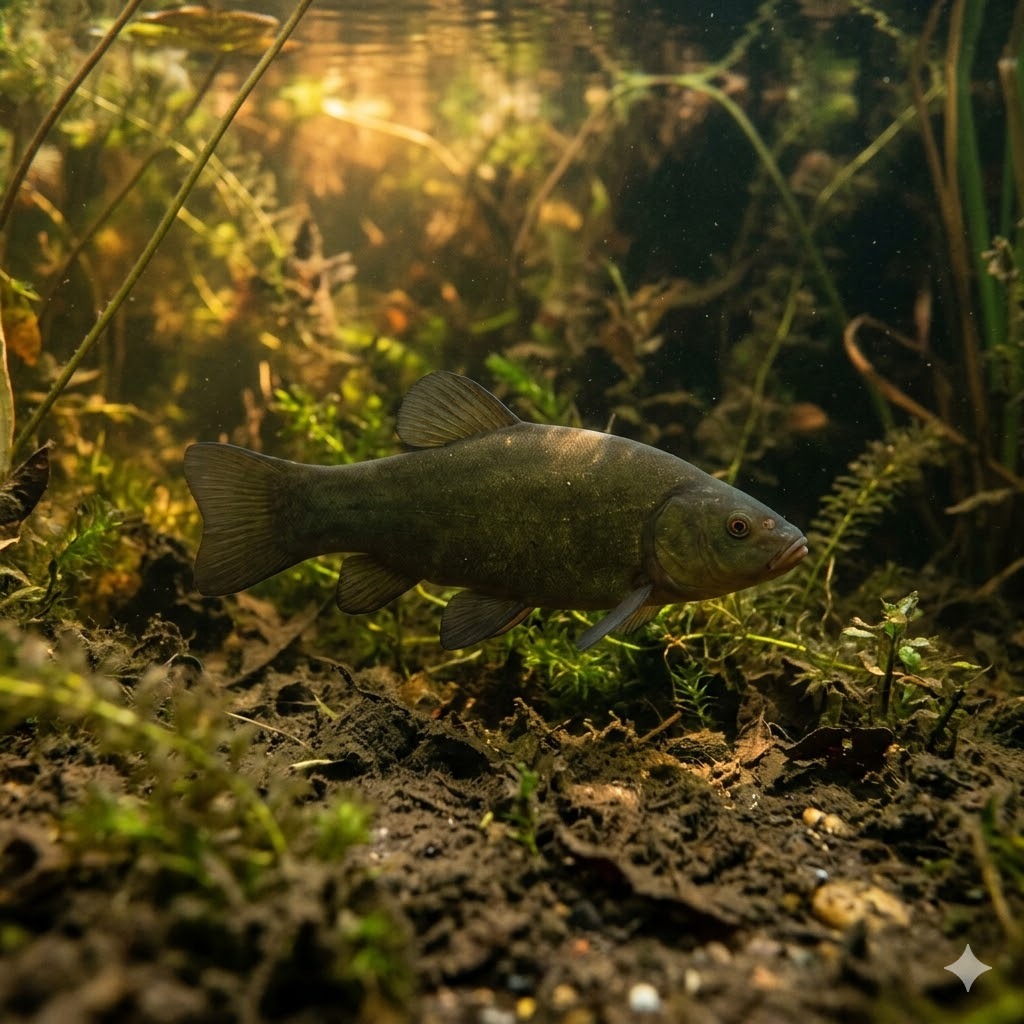
Tench are the fish for the grower who wants something close to indestructible. Where trout demand cold, clean, oxygen-rich water and tilapia demand heat, tench ask for almost nothing. They are a hardy European bottom fish that thrives in the exact conditions that would kill fussier species - warm, still, low-oxygen, muddy, planted ponds. They root around the bottom, tolerate poor water, survive winter under ice, and shrug off crowding. The catch is that they grow slowly, so tench are a patience fish, not a fast-turnaround food source.
This suits the grower who wants a low-maintenance pond fish, who has a warm still pond rather than a cold flowing one, and who values resilience over speed. It also suits anyone building a naturalistic garden pond who wants a hardy, handsome fish that mostly looks after itself. It is not the fish for someone who wants fillets in a single season.
Why raise tench
Tench are the toughest pond fish most home growers will ever keep. They tolerate warm water, low oxygen, and muddy, murky conditions that would stress or kill trout and even test tilapia. They are a bottom-dwelling European fish long kept in farm and estate ponds precisely because they survive neglect and keep going year after year.
What you get out of it:
- A near-indestructible pond fish that tolerates warm, low-oxygen, muddy water.
- A hardy species that overwinters in a temperate pond without heating.
- A handsome, olive-green fish that suits a naturalistic planted pond as much as the table.
Do not expect speed or big harvests. Tench grow slowly and reach a modest size, so they are a long-term, low-effort fish rather than a production crop. The flesh is edible and was historically valued, though it is not to everyone's taste. The real payoff is resilience - a fish you can keep in a simple pond with minimal fuss.
The system and space
Tench are a pond fish through and through, and they suit exactly the kind of warm, still, planted pond that trout cannot use. The ideal is an earthen or lined pond with a soft, muddy bottom, plenty of aquatic plants, and enough depth to stay stable through summer heat and winter cold.
A workable setup is simple:
- A pond with a good volume of water and a soft, muddy or planted bottom for the fish to root in.
- Aquatic plants, which oxygenate the water, provide cover, and suit the fish's natural habits.
- Enough depth - ideally a metre or more in part of the pond - so it does not overheat in summer or freeze solid in winter.
- Minimal equipment. Tench tolerate low oxygen, so heavy aeration is not essential, though gentle aeration or a fountain never hurts in a hot spell.
You can keep tench in a large tank, but they are happiest and healthiest in a planted pond where they can behave naturally. Give thought to depth and planting before you stock, because a shallow, bare pond overheats and offers the fish nothing. A well-planted, reasonably deep pond mostly runs itself, which is the whole appeal of the species.
Water and temperature
Tench are wonderfully undemanding about water, which is their defining feature. They thrive in warm water, feed actively in the warmer months, and tolerate low oxygen far better than almost any other pond fish. They cope with murky, muddy, planted-pond water that would alarm a trout keeper, and they overwinter happily in a temperate pond, going dormant and barely feeding once the water turns cold.
That tolerance does not mean water quality is irrelevant. Tench still need liveable water, and a heavily overstocked or badly fouled pond will still harm them. In a natural planted pond the plants and the volume of water do much of the work, keeping oxygen and waste in balance without much intervention. In a smaller or tank-based system, keep an eye on ammonia, nitrite, nitrate, and pH, cycle a closed system before stocking, and do partial water changes if readings climb. The point is not that tench need pristine water - they do not - but that even a tough fish has limits.
Their low-oxygen tolerance is a genuine safety margin: on a hot, still night that might suffocate other fish, tench are the ones still breathing. That resilience is exactly why they earn their place in a simple pond.
Stocking and feeding
Get your first fish from a pond fish supplier or fish farm as small stock - buying young tench is far simpler than starting from breeding. Stock conservatively at first, since even a hardy fish suffers in an overcrowded pond, and a lightly stocked pond stays healthier with less work. Tench will breed in a warm, well-planted pond once mature, which can slowly build your numbers.
Feeding is easy. Tench are omnivorous bottom feeders that graze on insect larvae, small invertebrates, plant matter, and detritus in a natural pond, so a well-established planted pond feeds them largely on its own. You can supplement with a sinking pellet or pond fish feed, offered in small amounts and only what they clear, since uneaten feed rots and fouls the water. Because they feed on the bottom, use a sinking feed rather than a floating one.
Feed less as the water cools and stop through winter, when tench go dormant and barely eat - food they cannot digest just fouls the pond. In a warm, planted pond you may barely need to feed at all, which is part of why tench are so low-effort.
Health and the common mistakes
Tench are so hardy that most failures come from treating them like a fussier fish or from letting even their generous limits be exceeded. The common mistakes, in order:
- Overstocking. Even a tough fish suffers in a crowded, fouled pond. Keep density low.
- A pond that is too shallow. A shallow pond overheats in summer and can freeze solid in winter, and depth is the fix for both.
- Overfeeding. Excess feed rots and fouls the water, and a still pond is slow to recover.
- Bare, unplanted ponds. Plants oxygenate the water, provide cover, and suit the fish's natural habits - a bare pond gives them nothing.
- Skipping the cycle in a closed tank system, which lets ammonia spike.
When problems appear, they usually trace back to fouled or overcrowded water rather than to disease. Watch for fish hanging listless at the surface or off their feed in warm weather. The response is almost always to freshen the water, ease the stocking, and check parameters. With tench, the honest truth is that most of the job is not overloading a naturally resilient fish.
Harvesting tench
Tench grow slowly, so harvesting is a patient business - a fish may take several years to reach a good size. You harvest selectively, netting the larger fish as you want them and leaving the rest to grow on, which fits the slow, low-key rhythm of a tench pond.
Processing is like any pond fish. Chill or dispatch the fish quickly and humanely, then scale, gut, and cook whole or fillet. The flesh is edible and was historically prized in parts of Europe, though tench are often kept as much for the pond as for the plate. Stop feeding for a day or two before harvest so the gut is empty. Tench come from muddy ponds and can carry a muddy taste, so holding a fish for several days in clean, fresh water before harvest noticeably improves the flavour.
Is tench right for you?
Tench are right for you if you want a hardy, low-maintenance pond fish and you have a warm, still, planted pond rather than a cold flowing one. They are ideal for a naturalistic garden pond, for a grower who values resilience over speed, and for anyone who wants a fish that mostly looks after itself.
They are the wrong fish if you want fast growth or big harvests, since they are slow and modest in size, or if you specifically want a delicate cold-water table fish, in which case look at trout. They are also a poor fit if you cannot provide a reasonably deep, planted pond.
One honest and important note: tench are native to Europe and much of Asia and are a non-native, sometimes invasive species elsewhere, where introduced fish have disturbed native ponds and lakes. Check your local regulations before you buy or stock any, and never release fish into the wild. Keep them contained, and enjoy the pond.