How to Raise Yabbies at Home
A beginner-friendly guide to farming yabbies at home - the toughest freshwater crayfish, which breeds freely in a simple pond with little fuss.
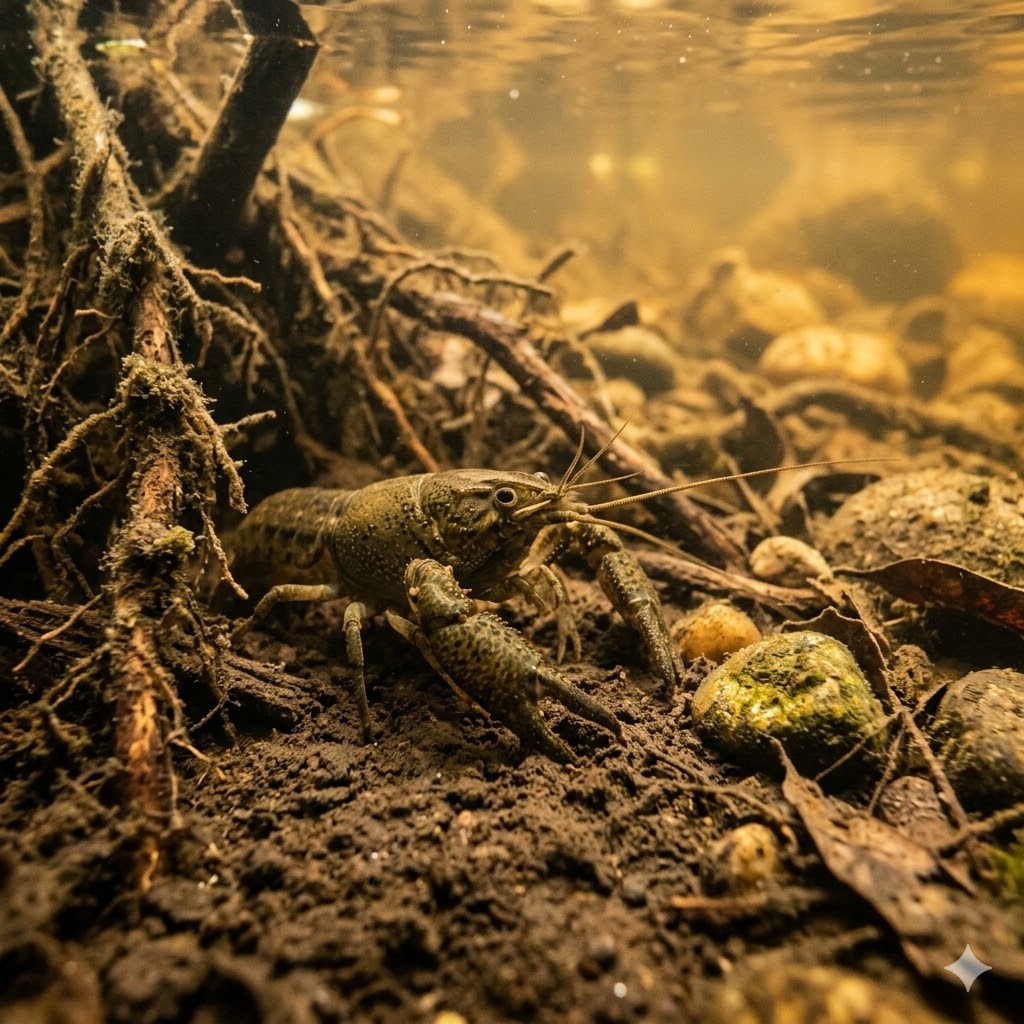
If you want the easiest freshwater crayfish to raise at home, the yabby is it. This hardy Australian cray survives drought by burrowing, shrugs off a wide temperature range, and breeds on its own in a plain earthen pond with almost no help from you. For a beginner who wants a low-effort food crop, nothing else in freshwater aquaculture comes close for toughness.
The honest trade-off is that this same toughness is why yabbies are a menace where they do not belong. They dig, they walk overland on wet nights, and they can take over waterways. Raised responsibly in a contained pond, they are a fantastic starter project. Best suited to anyone with a bit of outdoor space and a preference for a system that mostly runs itself.
Why raise yabbies
The appeal is simplicity plus a real feed of crayfish. A modest backyard pond, once stocked and left to breed, can produce a steady supply of table yabbies year after year with only occasional feeding and topping up. Grow-out to a decent eating size usually takes several months to a year or so depending on temperature, food, and how crowded the pond gets.
Because yabbies breed freely, your pond becomes self-seeding. You harvest the big ones, the smaller ones and the breeders carry on, and the cycle repeats without you buying more stock. That is the real draw for a home grower - low input, ongoing yield.
Do not expect a business from a backyard pond. As a hobby, though, few aquaculture animals give you this much food for this little effort.
What makes yabbies stand out is how little can go wrong day to day. Once the pond is set up and stocked, weeks can pass with nothing more than a scoop of feed and an eye on the water level. They tolerate neglect that would wipe out a fussier species, which is exactly why they are the crayfish most people should start with. If you later want to move up to a marron, the skills you build keeping yabbies - reading the water, managing cover, timing a harvest - carry straight across.
The system and space
Yabbies do best in a pond - lined or earthen - but they will also live in large tanks or totes if you keep the water clean and give them room. An earthen pond suits them because they can burrow, which is natural behaviour and helps them ride out cold or dry spells.
Cover is critical, as with any crayfish. A soft, freshly moulted yabby is easy prey for its neighbours, so the more hiding places, the more survive:
- Pipe offcuts, tiles, bricks with holes
- Rock and rubble piles
- Bundled mesh or netting
Containment is the other half of the job, and it is where beginners get caught out. Yabbies burrow into banks and can climb out and walk across wet ground on rainy nights. To keep them in:
- Give the pond firm, well-packed banks they cannot easily tunnel through
- Fit a smooth barrier lip or overhang around the edge so climbers slip back
- Keep the surrounds tidy so a wanderer has nowhere to go
Think about depth as well. A pond deep enough to hold a stable, cooler layer at the bottom gives yabbies somewhere to retreat during heatwaves and cold snaps alike, and it makes the whole system more forgiving. Shallow water swings temperature fast and loses oxygen quickly in summer. If you are digging an earthen pond, err toward more depth in at least part of it, and you will lean on the yabby's natural toughness less often.
Water and temperature
Yabbies are famously forgiving. They handle a wide temperature range and tolerate murky, warmish, lower-oxygen water that would kill a fussier cray like a marron. They grow fastest in warm conditions and slow down when it turns cold, going quiet or burrowing through winter rather than dying off.
Even so, forgiving is not indestructible. Keep some water movement or aeration in a stocked pond, especially in summer heat when warm water holds little oxygen and a dense population can gasp. Yabbies climbing out or crowding the shallows is often a sign the oxygen has dropped.
Moulting still governs growth. Each yabby sheds its shell to grow, drawing calcium from the water to harden the new one. If your water is very soft, add hardness and calcium so shells set properly and quickly. Keep the basics - ammonia and nitrite low, sensible stocking - in line with our systems and water quality guide, and yabbies will largely look after themselves.
Stocking and feeding
Get your starter stock from a licensed aquaculture supplier or a local hobbyist breeder. Check the legal note below first, because yabbies are tightly controlled or banned in many places outside their home range.
Stock lightly to begin with. It is tempting to load a pond up, but overcrowding fouls the water, stunts growth, and multiplies cannibalism during moults. Start modest and let the population build itself through breeding.
Feeding yabbies is genuinely easy - they are omnivorous scavengers:
- Sinking pellets for crayfish or shrimp
- Vegetable scraps such as carrot, pumpkin, and greens
- Occasional protein like earthworms or a little fish
- Natural pond life and algae, which supplements them in an earthen pond
Feed small and often, and pull out anything left over the next day so it does not rot and pollute. In a well-established earthen pond, yabbies find a lot of their own food, so you may need to feed less than you would in a bare tank.
Cannibalism happens mostly around moulting and when animals are hungry or crowded. Good cover, steady feeding, and not overstocking are the whole defence.
Health and the common mistakes
Yabbies are hard to kill, but people still manage it in a few predictable ways.
- Escapes. The number one beginner failure. Weak banks and no barrier lip, plus a rainy night, and your stock walks off. Sort containment before you stock.
- Moulting losses. Soft-shelled yabbies with nowhere to hide get eaten. Cover and calcium fix most of this.
- Cannibalism. A symptom of crowding or hunger more than anything else. Thin them out, feed steadily, add hides.
- Summer oxygen crashes. Hot, still, overstocked water goes low on oxygen fast. Add aeration or water movement in heat.
Handle them as little as possible and never move a soft, just-moulted yabby. Remove any dead ones quickly.
One quieter mistake is stocking a pond and then never checking on it at all. Yabbies are self-sufficient, but a pond that is never observed can slowly overpopulate, stunt, and foul without you noticing until harvests shrink and the animals come up small. A few minutes now and then - watching them feed, checking the water is not going green and stagnant, thinning the population by harvesting - keeps a yabby pond healthy for years rather than letting it quietly decline into a crowded, undersized mess.
Harvesting or breeding yabbies
Breeding is the easy part - it is basically automatic. Yabbies pair up and reproduce in a healthy pond without any intervention, and there is no complicated larval stage. The female carries the eggs, then the tiny yabbies, under her tail, releasing fully formed miniature crayfish that scatter into the cover. Give them plenty of hiding spots and enough of them will survive to keep the pond stocked.
To keep production steady, leave mature breeders and mid-sized animals in place and harvest only the largest. Trapping with baited traps is the usual method, or you can drain the pond periodically to grade and sort. Big ones for the table, small ones and breeders back in - that keeps a backyard pond going for years.
Is a yabby right for you?
Yabbies are the right choice if you want the toughest, lowest-effort freshwater cray, have a bit of outdoor space, and like the idea of a self-sustaining pond that quietly feeds you. They forgive beginner mistakes better than any other crayfish here.
They are the wrong choice if you have no way to contain them, or if you cannot commit to secure banks and a barrier - because a yabby that escapes is not just lost stock, it is a real environmental hazard.
That is the firm rule to end on: yabbies are non-native and invasive outside their home range, and are strictly regulated or banned in many regions. Check your local law before buying or keeping them, secure any permit required, and never release them into wild waterways, drains, or natural ponds. Their whole strength - toughness and the will to wander - is exactly what makes an escaped yabby such a problem.