How to Raise Yellow Perch at Home
A practical guide to raising yellow perch in a cool-climate tank or pond for firm, sweet, market-quality fillets.
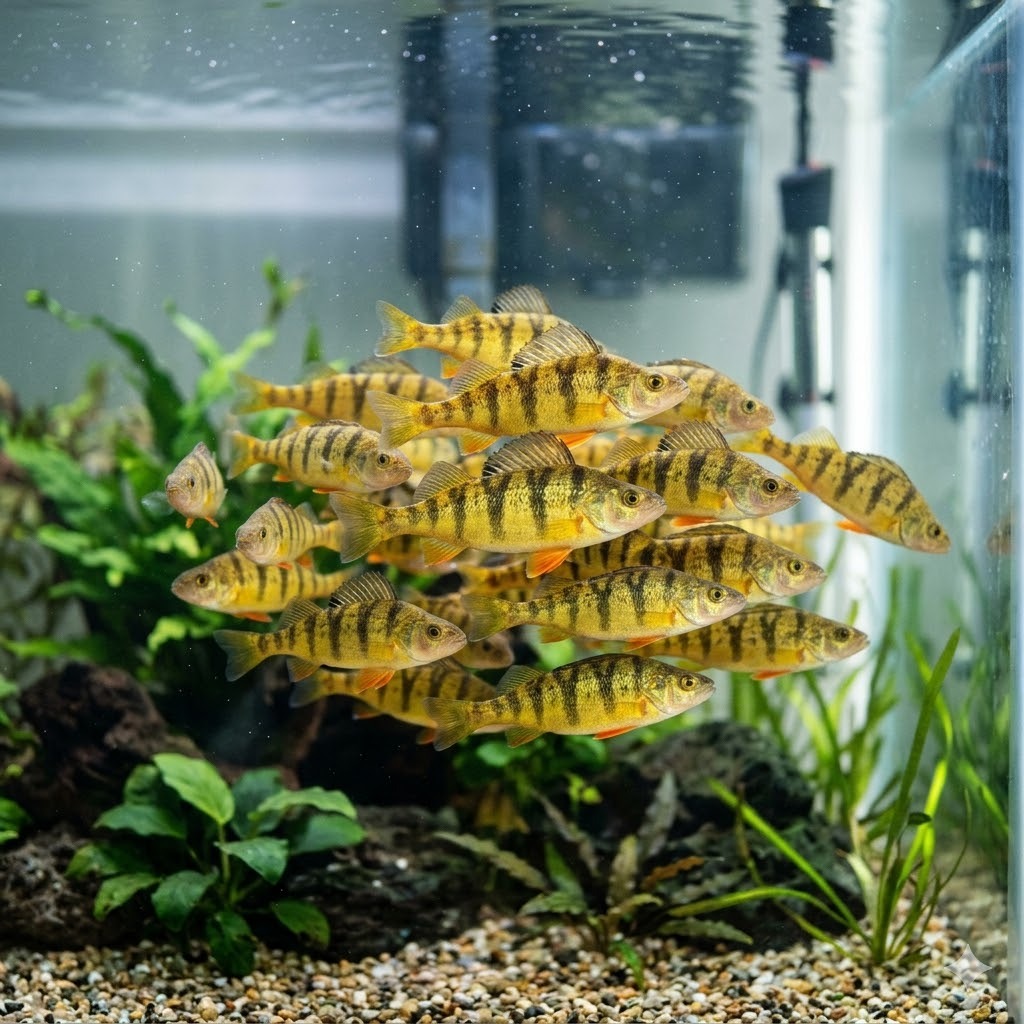
Yellow perch are one of the best-eating freshwater fish you can raise at home, and they are a natural fit if you live somewhere with cool water and cold winters. They tolerate crowding in a tank better than most species, they handle temperate conditions that would stress a warm-water fish, and they grow into firm, sweet fillets that are genuinely sought after - perch sells about as fast as anyone can produce it. If you want a fish that eats beautifully and suits a cool climate, perch are a strong choice.
The honest trade-off is patience. Perch grow slowly and unevenly, which means this is not a quick crop and it demands some active management to keep the fish growing well. That puts it at an intermediate level - not hard, but not hands-off either.
Why raise yellow perch
The first reason is the plate. Yellow perch produce firm, white, sweet fillets that many people rank among the best of any freshwater fish. They have a strong reputation and, in many regions, a strong market - people who sell what they raise often find perch moves quickly. Even if you only ever eat your own harvest, you are raising a genuinely premium table fish.
The second reason is climate fit. Perch are a temperate, cool-water species, so they thrive in conditions that stress warm-water fish like tilapia or bass. If you live somewhere with cold winters and cool water much of the year, perch let you raise a quality fish without heating a tank all the time, which is a real practical advantage.
The third reason is that perch tolerate tank life and crowding relatively well, so a modest recirculating tank or a small pond can carry a decent number of fish. The catch, as always, is time: perch grow slowly, so plan on a longer timeline than you would for fast warm-water species, and expect to manage the fish's uneven growth along the way.
The system and space
Yellow perch adapt to either a tank or a pond, which gives you flexibility. Because they handle crowding, a recirculating tank is a very workable option and is often how people raise perch for the table or for sale in a controlled, space-efficient way.
A beginner tank setup is a tank of a few hundred gallons or more with strong aeration, mechanical filtration to remove solids, and biological filtration to process waste. Because perch tolerate density, you can carry a reasonable number of fish per tank, but that density puts more load on your filtration and oxygen, so the system has to keep up. Our systems and water quality guide covers sizing a recirculating setup.
A pond also works well, particularly in a cool climate, and takes less equipment since the pond's own biology does the filtering. A pond with a deep section that stays cool and holds oxygen, and that does not freeze solid, will overwinter perch fine. The trade-off is less control: in a tank you can grade, feed, and manage the fish closely, which matters for a species that grows unevenly. Many home growers choose a tank for exactly that control.
Water and temperature
Yellow perch are a temperate, cool-water fish, and this is central to raising them well. They grow best in cool to moderate water and are comfortable in conditions that would be too cold for warm-water species. In a cold climate they overwinter well, and you generally do not need to run a heater constantly the way you would for tilapia, which saves energy and effort.
As with any system, oxygen and clean water are the priorities. Cool water holds oxygen better than warm water, which works in perch's favor, but a crowded tank still needs steady aeration because the fish density is high. In a pond, watch for the usual summer risks of warm, still, low-oxygen water, and aerate if needed.
The nitrogen cycle governs a perch tank. Fish waste releases ammonia, which is toxic; beneficial bacteria in your biological filter convert it to nitrite and then to less harmful nitrate. A new tank has no established bacteria, so it must be cycled before you add many fish, and you stock gradually to let the filter's bacterial capacity catch up to the load. Test the water regularly, especially with a dense stocking, and never trust a fresh system to handle a full load right away. In a pond the same cycle runs through plants and bacteria at a gentler pace.
Stocking and feeding
Source your perch as fingerlings from a reputable hatchery or aquaculture supplier. Getting healthy, disease-free stock suited to your climate matters, and it also solves a real perch problem: they can be finicky about starting on prepared feed, so buying fingerlings that are already trained to pellets saves you a frustrating hurdle.
Because perch tolerate crowding, you can stock at a fairly generous density for the tank size, but density is only safe if your filtration and aeration keep pace, so match your stocking to your system's capacity rather than cramming in as many fish as they will physically tolerate. In a pond, stock more conservatively.
Feed a quality sinking or floating pellet suited to perch, offered in small amounts the fish clean up quickly, a couple of times a day in the active growing season and less when the water is cold and the fish slow down. Do not overfeed - uneaten pellets foul the water and load your filter for no benefit.
The single most important management task with perch is grading. Perch grow slowly and unevenly, so a batch of fingerlings soon splits into bigger and smaller fish, and the larger ones will bully and out-compete the smaller ones for food, widening the gap. Grading them by size as they grow - sorting the big from the small into separate tanks or sections - keeps the smaller fish feeding and growing instead of falling behind. This is normal, expected work with perch, and skipping it wastes a big share of your crop.
Plan for grading from the start rather than treating it as a chore you might get to. Ideally you have more than one tank or a divided tank so you can separate size classes, and you handle the fish gently and briefly when you sort them to avoid stressing them. Grading a few times over the grow-out is usually enough. Growers who skip it end up with a handful of big fish and a crowd of stunted ones that never catch up, which turns a slow crop into a disappointing one.
Harvesting yellow perch
Be honest with yourself about the timeline: perch are slow growers, and reaching a good fillet size takes longer than for fast warm-water species, often well over a year depending on temperature, feeding, and how well you manage their growth. Grading and steady feeding shorten that; neglect lengthens it. This is a patience fish.
When they reach eating size, process them like any freshwater fish - dispatch quickly, keep cold, and fillet. Perch are not large, so you get modest fillets, but they are firm, white, and sweet, and considered a premium eating fish. Because of the uneven growth, you will often harvest the largest fish first and leave the smaller ones to grow on, which fits naturally with grading.
If you sell what you raise, perch's reputation works in your favor, and processed fillets from clean, cool water present very well. Fish raised in good water quality simply taste better, so keeping the system clean pays off on the plate and in the sale.
Is yellow perch right for you?
Yellow perch suit someone in a cool or cold climate who wants a genuinely excellent eating fish and is willing to work for it. If you have cold winters, do not want to heat a tank year-round, and are patient enough to manage a slow, uneven-growing fish, perch are a rewarding and marketable choice - and their ability to handle crowding makes a modest tank surprisingly productive.
They are a poor fit if you want fast results or a hands-off setup. The slow growth tests your patience, and the need to grade the fish by size is real, ongoing work you cannot skip without losing part of your crop. If you want speed and a paycheck fish, hybrid striped bass or catfish suit better; if you are in a warm climate, tilapia makes more sense. But for a cool-climate grower who values quality and does not mind the wait, yellow perch are one of the most satisfying fish you can raise.