White Catfish
The white catfish is the middle child of the American catfish family, sitting neatly between the small bullheads and the big channel and blue cats.
🗓️ Last reviewed: July 2026
Overview
The white catfish is the middle child of the American catfish family, sitting neatly between the small bullheads and the big channel and blue cats. It is a stout, whiskered, hard-pulling fish that thrives in tidal rivers, coastal ponds, and slow streams along the East Coast. Anglers love the white catfish because it is willing, easy to catch on simple bottom baits, and it makes excellent eating. It is a fish that a family can catch off a dock in the evening, yet it fights hard enough on light tackle to keep an experienced angler grinning. For many East Coast anglers, a summer evening soaking bait for whites is the definition of relaxed, productive fishing.
Identification & Appearance
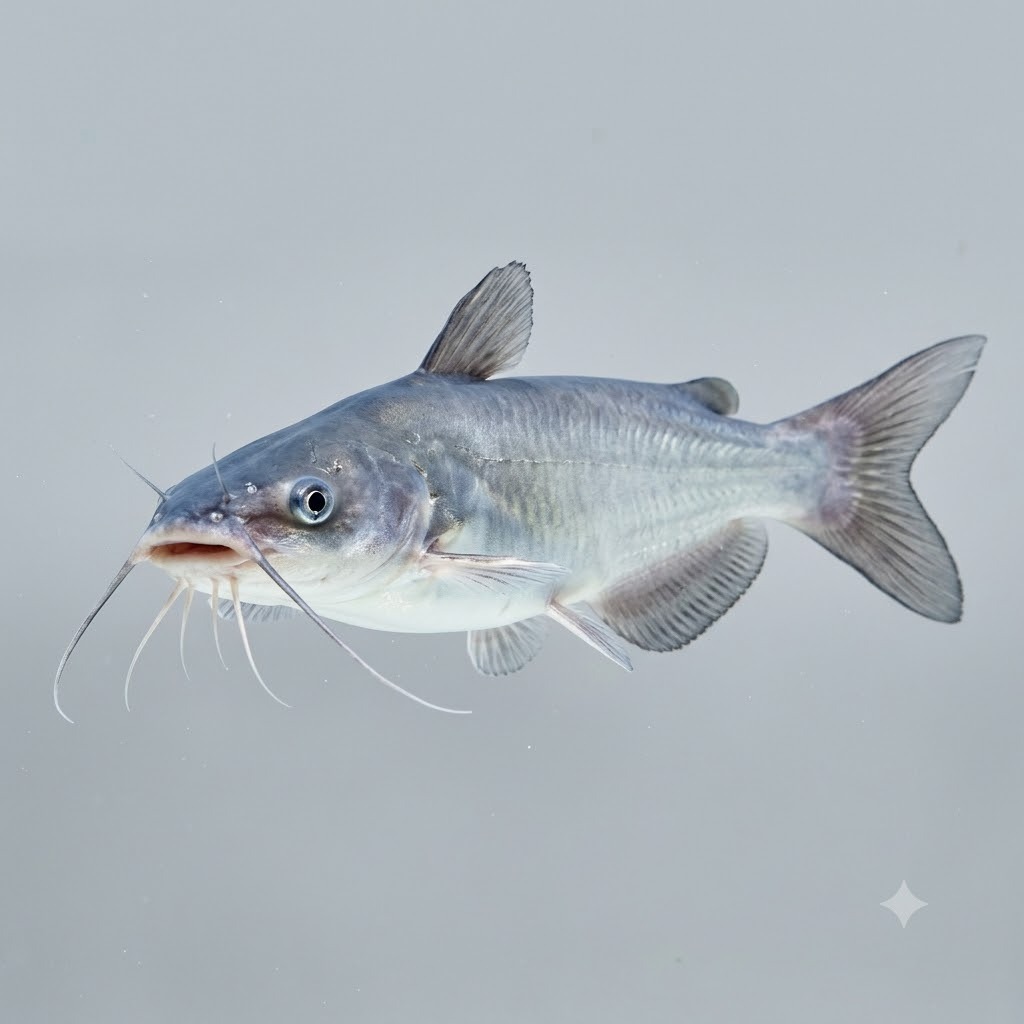
The white catfish has a broad head, a slightly forked tail, and the smooth, scaleless skin common to all catfish. Its back is blue-gray to slate, its sides are pale gray or silvery, and its belly is white to cream. The eight whisker-like barbels around the mouth are its trademark, used to taste and feel for food along the bottom. The tail is moderately forked, which separates it from the square or rounded tails of the bullheads, while its smaller size and pale chin barbels separate it from the much larger channel catfish. The chin barbels of a white catfish are white or pale, not dark, another handy field mark. Its body is thicker and blockier than a channel cat of the same length.
Range & Habitat (US waters)
The white catfish is native to the Atlantic and Gulf coastal drainages, from New York south to Florida and around into the Gulf. It has also been stocked well beyond that range, including in California, where it thrives in the delta and coastal rivers. Whites favor slow, warm water: tidal rivers, brackish estuaries, coastal ponds, reservoirs, and the sluggish lower reaches of streams. They tolerate brackish water better than most catfish, which is why they flourish in tidal systems where fresh and salt water mix. Muddy or sandy bottoms with deeper holes and channel edges hold the most fish.
Behavior & Feeding
White catfish are opportunistic bottom feeders that use smell and taste far more than sight. They cruise the bottom at night and during low light, hunting by scent for anything edible. Their diet includes worms, insect larvae, small fish, crayfish, clams, snails, and plenty of scavenged material. They feed most actively as water warms through spring and summer, and they often move shallower and become more aggressive after dark. Unlike the more strictly nocturnal bullheads, white catfish will feed in daylight too, especially in stained or moving tidal water where visibility is low.
Best Seasons & Times to Catch
Late spring through early fall is the prime stretch, when warm water has the fish feeding hard. Summer is the classic white catfish season, with the best action in the evening and into the night. In tidal rivers the moving water of an incoming or outgoing tide often triggers the bite, so timing your trip to a tide change can matter as much as the time of day. Spring warming pulls fish shallow to feed and spawn, and a good bite can last well into a mild autumn. Winter slows them down, though a warm spell in a deeper hole can still produce.
Where to Find Them - Reading the Water
Look for the deeper, slower parts of a river or pond. White catfish hold in channel edges, the outsides of bends, deep holes below riffles or bridges, and the drop-offs near flats where they feed. In tidal rivers, fish the deeper cuts and holes that hold water and current through the tide. Docks, submerged timber, and any structure that breaks the current will concentrate fish. In ponds and reservoirs, target the deepest basins and the mouths of feeder creeks. A simple rule: find deeper, softer-bottomed water near a food-rich flat, and you will find white catfish.
Tackle & Rigs
A medium spinning or baitcasting rod around 7 feet with 12-20 lb monofilament covers the white catfish nicely. These are not giant fish, so heavy gear is unnecessary, but enough backbone to pull a hooked fish out of timber helps. The workhorse rig is a simple sliding sinker (fish-finder) rig: an egg or bank sinker sliding on the main line above a swivel, then a short leader to a single bait hook. A basic bottom rig with a bank sinker and a dropper hook also works well. Use hooks in the medium range, sized to the bait and the fish, and keep the terminal tackle simple and strong.
Best Baits & Lures
White catfish are a bait fish through and through. Nightcrawlers and garden worms are the classic all-around choice and rarely fail. Cut bait, such as chunks of shad, herring, or other oily fish, is deadly, especially for larger whites. Chicken liver, shrimp, clam, and prepared stink baits all produce. In tidal water, a piece of fresh cut bait fished on the bottom is hard to beat. Because these fish hunt by scent, fresh, strong-smelling bait outfishes stale offerings. Lures are not the tool for whites; this is a bait-soaking game built on scent trails drifting through the current.
Techniques - How to Fish for It
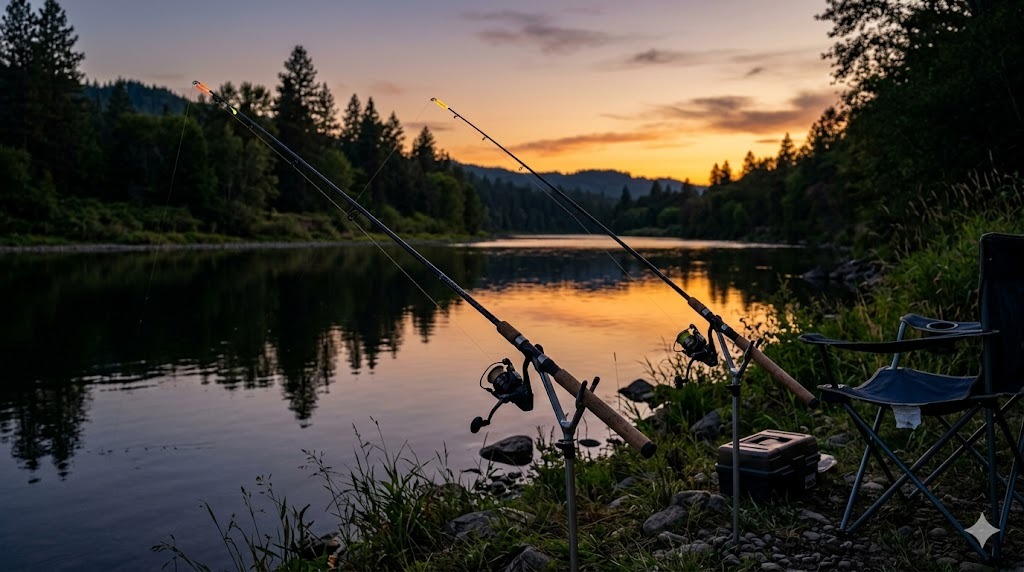
The method is patient bottom fishing. Cast the baited rig into a hole or channel edge, let the sinker settle, and keep a semi-tight line so you can feel the bite. Whites often take the bait with a firm thump or a steady pull rather than a sharp strike. Give the fish a moment to take it, then set with a firm sweep and keep steady pressure, as these thick fish pull hard for their size. Fishing two rods on holders lets you cover different depths. At night, a bell or a lighted tip helps signal the take. Move and search until you find the holding fish, then stay put and let the scent work.
Common Mistakes
The most common mistake is fishing water that is too shallow or too fast; whites want the deeper, softer holes. Other errors: using stale or weak-smelling bait, striking too soon before the fish has the bait, and using tackle so heavy that you never feel the bite. Anglers new to tidal water often ignore the tide entirely and fish a dead slack period, missing the feeding window that the moving water creates. Handling is another one: the pectoral and dorsal spines can jab a careless hand, so grip the fish behind the fins.
Size, Records & Eating Quality
A typical white catfish runs from about a foot to a foot and a half long and a couple of pounds, with larger specimens reaching several pounds in the best waters. They are bigger than bullheads but smaller than a grown channel or blue cat. Their real appeal is on the table: the flesh is firm, mild, and white, and many anglers rate white catfish among the very best-eating panfish-sized catfish. Fresh from clean water, filleted and fried, they are outstanding. Their willingness to bite and their fine eating make them a favorite for a fish fry.
Pros & Cons (as a target species)
Pros: willing biters that are easy to catch on simple gear, excellent eating, tolerant of brackish and warm water, available through the warm months, and a great family and beginner target. They pull hard for their size and are widely distributed on the East Coast. Cons: they are not a large trophy fish, they do not chase lures, the bite is scent-driven and slower-paced than lure casting, and their spines demand careful handling. Fishing at night to catch the best bite is not for everyone.
Best Suited For
The white catfish is ideal for families, beginners, and anyone who enjoys relaxed bottom fishing with the reward of a great meal. It is perfect for dock and bank anglers, kids learning to feel a bite, and small-boat fishers working tidal rivers and coastal ponds. It also suits the angler who likes to fish into the evening and cook the catch. Anyone chasing hard-fighting lure fish will look elsewhere, but for straightforward, productive, tasty fishing, the white catfish is a gem.
FAQ
What is the best bait for white catfish? Nightcrawlers and fresh cut bait are the two top choices. Worms catch numbers, while a chunk of oily cut fish like shad or herring often tempts the bigger whites. Fresh, strong-smelling bait always outfishes stale bait.
Where should I fish for white catfish? Target the deeper, slower holes: channel edges, outside bends, holes below bridges, and deep cuts in tidal rivers. In ponds and reservoirs, fish the deepest basins and creek mouths near feeding flats.
Are white catfish good to eat? Yes, they are among the best-eating small catfish. The flesh is firm, white, and mild. From clean water, filleted and fried, they make an excellent meal, which is a big part of their popularity.
When is the best time to catch them? Late spring through early fall, especially evening and into the night. In tidal rivers, fishing a moving tide, incoming or outgoing, often turns the bite on more than the clock does.
How big do white catfish get? Most run about a foot to a foot and a half and a couple of pounds, larger than bullheads but well short of channel or blue cats. A few reach several pounds in the best water.