White Sucker
The white sucker is one of the most common native fish in North America, yet it is often overlooked or dismissed as a "trash fish." That is a shame, because it is a genuinely worthy target for the angler who values a hard, dogged fight and a quiet morning on a moving river.
🗓️ Last reviewed: July 2026

Overview
The white sucker is one of the most common native fish in North America, yet it is often overlooked or dismissed as a "trash fish." That is a shame, because it is a genuinely worthy target for the angler who values a hard, dogged fight and a quiet morning on a moving river. A bottom-feeding member of the sucker family, it pulls with surprising strength for its size, feeds reliably when game fish sulk, and rewards a simple, patient approach. It teaches beginners to read a bottom bite, and it is prized by anglers who smoke their catch. Underrated and abundant, the white sucker deserves a second look.
Identification & Appearance
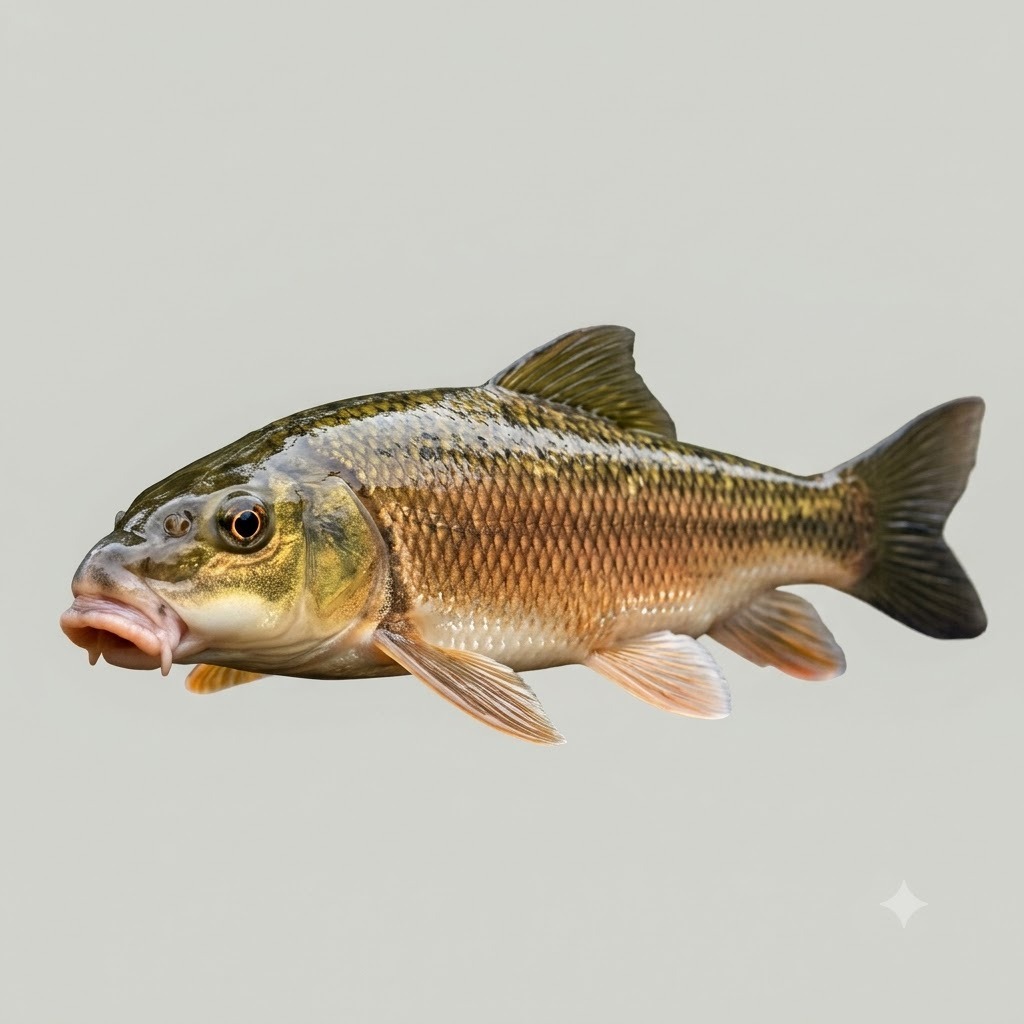
The white sucker has a torpedo-shaped, slightly rounded body that is thick through the middle and tapers toward the tail. Its coloration is muted - olive to brassy brown on the back, fading to a coppery or silvery flank and a clean white belly, which gives the fish its name. The defining feature is the mouth: set well back on the underside of the head, with thick, fleshy, sucker-like lips built for vacuuming food off the bottom. The scales are large and the body is smooth and firm. Spawning males often develop a rosy stripe along the flank and small tubercles on the head and fins.
Range & Habitat (US waters)
The white sucker ranges across the northern and eastern United States, from New England and the Great Lakes region south through the Appalachians and west into parts of the Midwest and Rocky Mountain drainages. It is a highly adaptable fish. Look for it in cool-to-moderate rivers and streams with steady current, as well as in lakes, ponds, and reservoirs. It tolerates a broad range of water clarity and quality, part of why it is so widespread. It favors gravel, sand, and rubble bottoms where it can forage, and holds in slower pools, runs, and eddies adjacent to current.
Behavior & Feeding
The white sucker is a bottom-oriented feeder that works methodically along the substrate, using its protrusible sucker mouth to draw in food from gravel and sand. Its diet is made up of aquatic insect larvae, small crustaceans, worms, snails, algae, and organic material. It feeds by touch and taste as much as sight, which makes it a reliable target in stained or low-light water. White suckers school in loose groups, so where you catch one you can usually catch several. They feed most actively in cooler water and are famous for their spring spawning runs, when large numbers move up into tributaries.
Best Seasons & Times to Catch
Spring is the marquee season. As water warms and lengthening days trigger the spawn, white suckers gather and run up rivers and creeks in large numbers, concentrating fish and making them easy to target below riffles and in the mouths of tributaries. This spring run is the classic time to catch them in quantity. Summer fishing is steady in cooler rivers and deeper lake areas, best during the low light of early morning and evening. Fall offers reliable bottom fishing as the fish feed ahead of winter. Because they feed by scent and touch, white suckers bite well in overcast, murky conditions that shut down sight-feeding predators.
Where to Find Them - Reading the Water
Think bottom and think current seams. In rivers, target the slower water directly below riffles and rapids, the tail-outs of pools, deep runs, and eddies where current slows and deposits food. In spring, focus on the lower ends of spawning tributaries and gravel runs where fish stage. In lakes and reservoirs, look for gently sloping gravel or sand flats, the mouths of inlet streams, and drop-offs adjacent to feeding shallows. The key is a firm bottom of gravel, rubble, or sand combined with nearby current or a food-delivering edge. Find one school and you have usually found many fish.
Tackle & Rigs
Keep it simple and light. A medium or medium-light spinning rod of 6 to 7 feet, paired with a spinning reel spooled with 6 to 10 lb line, is ideal. The white sucker feeds on the bottom, so the classic approach is a simple bottom rig: a small hook baited and pinned to the bottom with just enough weight to hold in the current. A basic sliding-sinker rig works well, letting the fish take line without feeling resistance, as does a simple split-shot rig in gentler current. Use small hooks sized to match the sucker's modest mouth. In moving water, add just enough weight to keep the bait pinned and no more.
Best Baits & Lures
The white sucker is overwhelmingly a bait fish rather than a lure fish. The number-one bait is the humble worm or nightcrawler, fished on the bottom - it is hard to beat. Other productive baits include garden worms, small pieces of nightcrawler, aquatic larvae, and dough-style baits. Because the fish feeds by scent and taste on the bottom, natural, aromatic baits presented right on the substrate consistently outfish artificial lures. Present the bait so it rests on or just above the bottom where a cruising sucker will find it. Keep offerings small to suit the fish's downturned, modest-sized mouth.
Techniques - How to Fish for It
The core technique is patient bottom fishing. Cast your baited rig into a likely run, pool tail, or eddy, let the weight settle the bait onto the substrate, and keep a semi-tight line so you can feel the bite. White suckers often take with a series of soft taps or a slow, steady pull rather than a hard strike, so watch the rod tip closely. Give the fish a moment to take the bait fully, then set with a smooth, firm lift rather than a violent jerk. Once hooked, be ready for a surprisingly strong, dogged battle as the fish uses the current against you.
Common Mistakes
The most common mistake is dismissing the white sucker as not worth fishing for and missing a reliable, hard-pulling target. On the water, anglers err by using too much weight, which kills the natural presentation and masks the subtle bite. Others set too early on the first light tap before the fish has the bait, or fish off the bottom where suckers rarely feed. Hooks too large for the small mouth cost fish, as does fast water where the bait will not hold. Impatience is the biggest enemy - this is a slow, methodical game.
Size, Records & Eating Quality
A typical white sucker runs roughly 12 to 18 inches, with larger individuals in prime waters, making it a solidly sized fish that fights above its weight. On the plate it is far better than its reputation suggests. The flesh is firm and mild but carries small bones, which is why the fish shines when smoked - smoking dissolves fine bones and brings out a rich, satisfying flavor. Spring-run fish from cool, clean water are best for the table. Many anglers who try smoked sucker become converts to a fish they once ignored.
Pros & Cons (as a target species)
Pros: extremely widespread and abundant, willing to bite when game fish are off, a surprisingly strong and dogged fighter, simple and inexpensive to target with basic bottom gear, excellent smoked, and a great species for teaching beginners to detect a bottom bite. Cons: an unglamorous reputation that scares off some anglers, small bones that complicate cooking unless smoked, subtle bites that demand patience, and no interest in lures for those who prefer casting hardware. It is also a slower, more contemplative style of fishing than chasing predators.
Best Suited For
The white sucker suits the patient, hands-on angler who enjoys a quiet river morning and the challenge of reading a bottom bite. It is a perfect species for beginners learning to feel subtle takes and for families looking for reliable action during the spring run. It rewards anglers who value the process over glamour and appreciate a hard-fighting, table-worthy fish that costs little to pursue. Anyone who smokes their catch will find it a genuine prize.
FAQ
Are white suckers good to eat? Yes, especially smoked. The flesh is firm and mild but has small bones, so smoking is the preferred method - it dissolves the fine bones and produces a rich, flavorful result. Spring fish from cool, clean water are best.
What is the best bait for white suckers? A worm or nightcrawler fished on the bottom is the top choice by a wide margin. The white sucker feeds by scent and taste on the substrate, so natural, aromatic baits presented right on the bottom work best.
When is the best time to catch white suckers? Spring, during the spawning run, when large numbers move up into tributaries and concentrate below riffles and at creek mouths. This is the classic time to catch them in quantity.
Do white suckers put up a good fight? Yes. For their size they pull hard, using a dogged, bulldogging style and the current to their advantage. Many anglers are surprised by how strong they are on light tackle.
Where should I fish for white suckers in a river? Target the slower water below riffles and rapids, the tails of pools, deep runs, and eddies where current slows over gravel or sand and deposits food. Find one school and you will usually find many.