Splake
The splake is a fascinating fish: a man-made hybrid between a male brook trout and a female lake trout.
🗓️ Last reviewed: July 2026
Overview
The splake is a fascinating fish: a man-made hybrid between a male brook trout and a female lake trout. Its name is a blend of "speckled trout" and "lake trout," the two parents that create it. Fisheries managers produce splake in hatcheries and stock them because they combine the best traits of both parents: the aggressive, willing nature and good eating quality of the brook trout with the larger size and lake-dwelling toughness of the lake trout. They also grow faster than brook trout and mature quickly, which makes them an excellent put-and-take and put-grow-take stocking option in lakes across the northern states. For anglers, the splake is a hard-hitting, cold-water target that provides fast action through open water and hard water alike.
Identification & Appearance
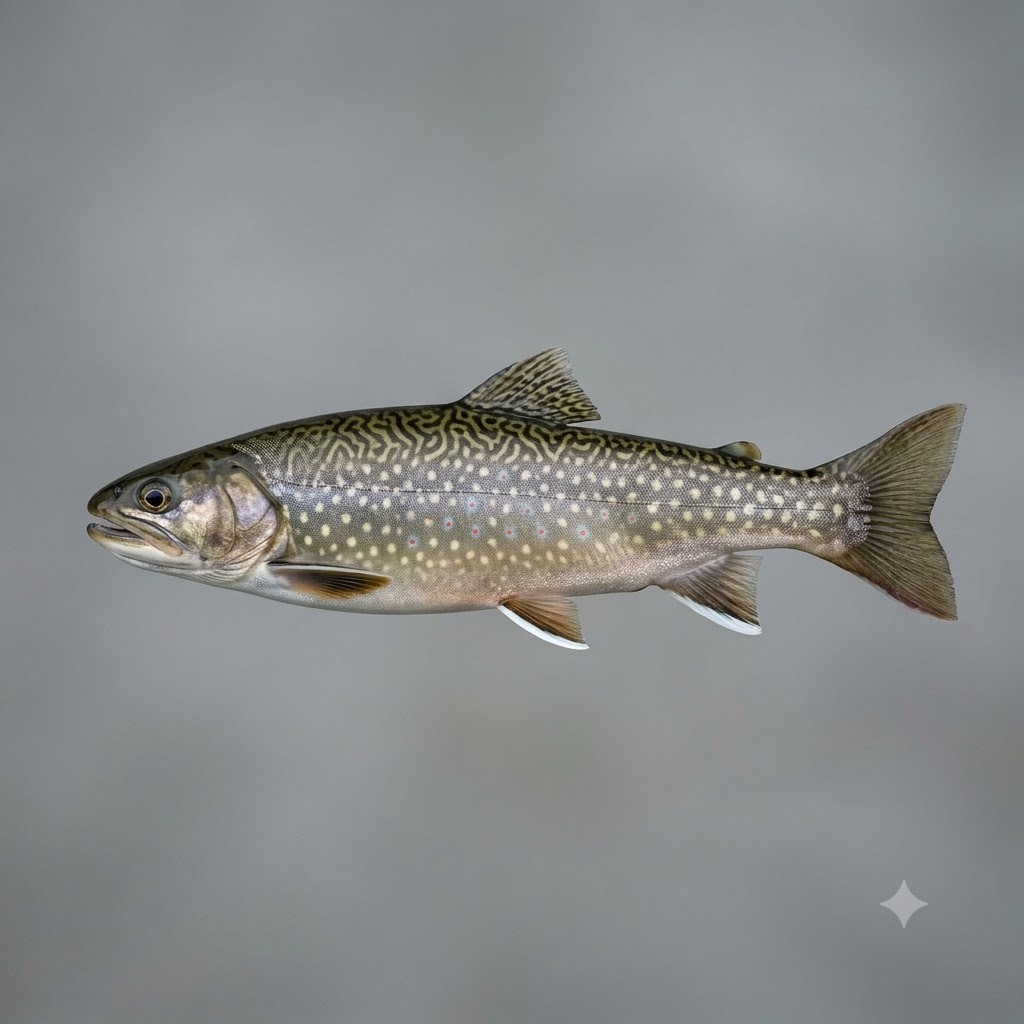
The splake looks like an intermediate blend of its two char parents, which can make it tricky to identify. It has the wormlike vermiculations, or squiggly light markings, on the back that come from the brook trout, but its tail is more moderately forked, showing the lake trout influence, whereas a pure brook trout has a nearly square tail and a pure lake trout has a deeply forked one. The body is stout and the coloring is olive to gray-green with pale spots and often reddish or pinkish tones on the lower flanks. Because splake are a hybrid, appearance can vary, and the forked-but-not-deeply-forked tail combined with brook-trout-style back markings is the best clue.
Range & Habitat (US waters)
Splake exist almost entirely because of stocking, so their range follows where fisheries agencies choose to plant them. They are found in cold northern lakes across the upper Midwest, the Northeast, and other regions with suitable deep, cold, well-oxygenated water. They are frequently stocked in lakes where lake trout struggle or where managers want a fast-growing cold-water fish that anglers can harvest. They favor the cool depths in summer and move shallower in the cold months. Because they rarely reproduce successfully in the wild, splake populations are maintained by ongoing stocking programs, and the best waters are those an agency actively manages.
Behavior & Feeding
Splake inherit an aggressive, predatory temperament from both parents, and they feed actively and willingly, which is a big part of their appeal. They eat baitfish, insects, crustaceans, and other small aquatic prey, and larger splake become strongly fish-eating predators that chase schools of forage in open water. They follow cold water through the seasons, holding deep during summer warmth and moving up into shallower, more accessible zones as the water cools in fall and under the winter ice. Their willingness to chase and strike moving lures, combined with fast growth, makes them a responsive and rewarding fish to pursue.
Best Seasons & Times to Catch
Splake are a cold-water specialist, so the best fishing comes in the cold months. Fall is excellent as cooling water pulls the fish shallow and triggers heavy feeding. Winter ice fishing is a marquee season for splake in many northern lakes, with fish willing to chase spoons and jigs beneath the ice. Early spring, just after ice-out, is another strong window when fish are shallow and active in cold water. Summer fishing is possible but requires going deep to find the cold water the fish need. On a daily basis, low-light periods around dawn and dusk tend to bring the most active feeding.
Where to Find Them - Reading the Water
In cold water, splake roam and can be found relatively shallow, cruising over drop-offs, points, and structure while hunting baitfish. As the water warms in summer, they retreat to the cool depths and relate to the deeper basins and thermocline. Rocky points, humps, sharp drop-offs, and the edges where shallow flats fall into deep water are all reliable places to search. Baitfish location is key, since splake follow their forage. Under the ice, target the same structure, drop-offs and points near deeper water, and use electronics to locate roaming fish, because splake often cover water rather than sitting in one spot.
Tackle & Rigs
A medium spinning or casting outfit suited to trout and light lake fishing works well for splake, matched with line in a moderate range that balances sensitivity and strength. For trolling, many anglers use spoons and small plugs run behind the boat at the right depth to reach the fish. For casting and jigging, a sensitive rod helps detect the sometimes-subtle take. Under the ice, a short jigging rod with a spoon or jig tipped with bait is the standard rig. Keep terminal tackle simple and let flashy spoons and jigging lures do the work, since splake are drawn to movement and flash in cold, clear water.
Best Baits & Lures
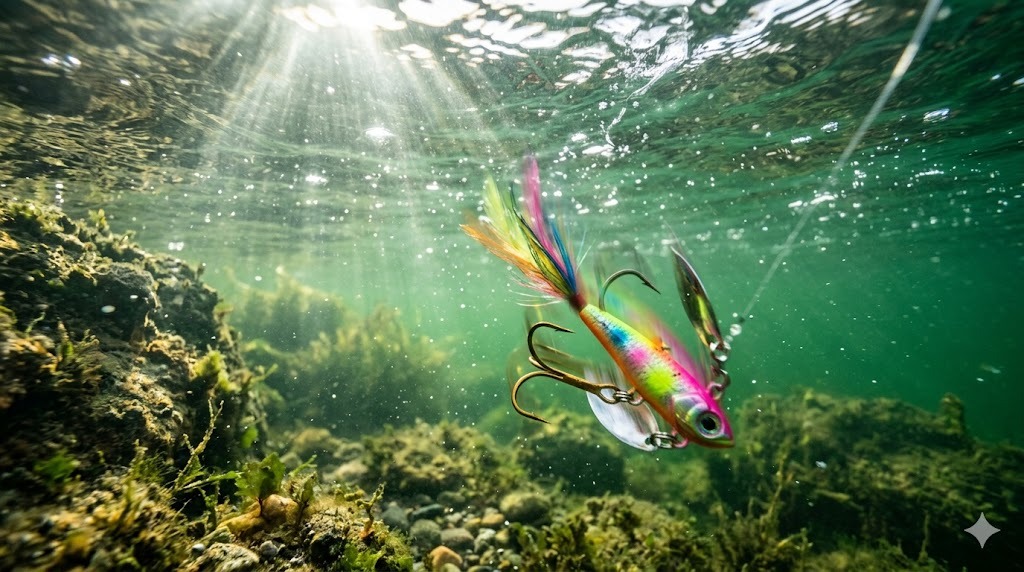
Splake respond strongly to flashy, active lures. Spoons in silver, gold, and other bright finishes are top producers for both trolling and jigging, imitating the baitfish splake love to chase. Small plugs and minnow-style crankbaits work well when trolling. For ice fishing, jigging spoons and jigs tipped with a minnow or minnow head are deadly. Where bait is allowed, live or cut minnows draw fish that are keyed on baitfish. Match lure size to the forage in the lake, and lean toward bright, reflective finishes in the low light and stained water common to the cold-season fishing when splake are most active.
Techniques - How to Fish for It
Trolling is a highly effective open-water technique: run spoons and plugs at the depth where fish are holding and cover water until you find them. When you locate a school or roaming fish, casting and jigging spoons can be very productive. In winter, jigging a spoon aggressively to create flash and then pausing to let it flutter down triggers reaction strikes, and tipping the hook with bait sweetens the deal. Because splake roam, keep moving and searching rather than sitting on one spot too long. When a fish strikes, set the hook firmly and expect a strong, willing fight from an aggressive hybrid.
Common Mistakes
A common mistake is fishing warm, shallow water in summer when the splake have gone deep to find the cold water they require. Another is sitting in one place too long, since splake roam and reward anglers who cover water. Other errors include using dull, lifeless presentations when flash and movement trigger these aggressive fish; overlooking the value of electronics for finding roaming schools; and ignoring which lakes are actively stocked, because splake fishing depends on managed, stocked populations rather than natural reproduction. Always check local regulations and stocking information before you go.
Size, Records & Eating Quality
Splake grow faster than brook trout and can reach a solid size, commonly running from roughly the length of your forearm to a couple of feet in well-fed waters, with the larger fish being genuine trophies. They are strong fighters that pull hard in cold water. Splake are also excellent on the table, with firm, mild flesh inherited from both parents, which is a major reason they are stocked as a harvestable fish. Because they are maintained by stocking, harvest within the regulations is often encouraged, though anglers should always follow local limits.
Pros & Cons (as a target species)
Pros: splake are aggressive and willing to strike, they grow fast and reach a satisfying size, they are excellent eating, and they provide great action in both open water and through the ice. Cons: they depend almost entirely on stocking, so they are only found where agencies plant them, and they require cold, deep water, which pushes them deep and out of easy reach in summer. Their hybrid identity can also confuse anglers trying to identify their catch or apply the correct regulations.
Best Suited For
Splake suit the cold-water angler who enjoys trolling, jigging, and especially ice fishing on northern lakes. They are a rewarding target for anyone who likes an aggressive, hard-fighting fish that is also excellent to eat. Because they are stocked as a manageable, harvestable species, they are ideal for anglers who enjoy put-and-take fishing and dependable action, and their willingness to chase lures makes them a fine choice for those learning to troll or jig for cold-water fish.
FAQ
What exactly is a splake? A splake is a hatchery hybrid of a male brook trout and a female lake trout. It blends the aggressive nature and eating quality of the brook trout with the larger size and lake-dwelling ability of the lake trout.
Can splake reproduce in the wild? Splake rarely reproduce successfully on their own, so populations are maintained by ongoing stocking. This is why splake fishing is tied to lakes that fisheries agencies actively manage and stock.
Are splake good to eat? Yes, splake are considered excellent table fare, with firm, mild flesh. Their eating quality, combined with fast growth, is one of the main reasons they are stocked as a harvestable fish.
When is the best time to catch splake? The cold months are best. Fall, winter ice fishing, and just after ice-out in spring all offer strong action, since splake are a cold-water fish that moves shallow and feeds hard when the water is cold.
How do I tell a splake from a brook trout or lake trout? Look at the tail and the back. Splake have the brook trout's wormlike back markings but a moderately forked tail, in between the brook trout's nearly square tail and the lake trout's deeply forked one.