Spotted Gar
The spotted gar is one of the most ancient fish an American angler can catch, a living relic that has changed little over millions of years.
🗓️ Last reviewed: June 2026
Overview
The spotted gar is one of the most ancient fish an American angler can catch, a living relic that has changed little over millions of years. It is an armored, long-bodied ambush predator built for the warm, sluggish backwaters of the southern and central United States, and it hunts by hanging motionless near the surface before lunging sideways at a passing fish. For anglers, the spotted gar offers something very different from bass or panfish: a hard-pulling, toothy oddity that lives in oxbows, weedy lakes, and slow river sloughs, often in water too warm and oxygen-poor for other gamefish. They can be caught on cut bait, on live bait drifted under a float, and famously on frayed-rope "no-hook" lures that tangle in their many teeth. The fight is tough and the fish is a survivor, but it has to be handled with real care - the teeth are sharp, and the eggs are toxic to humans, so a gar is mostly a catch-and-release fish or, at best, a rough-fish meal where the fillets, never the roe, are eaten.
Identification & Appearance
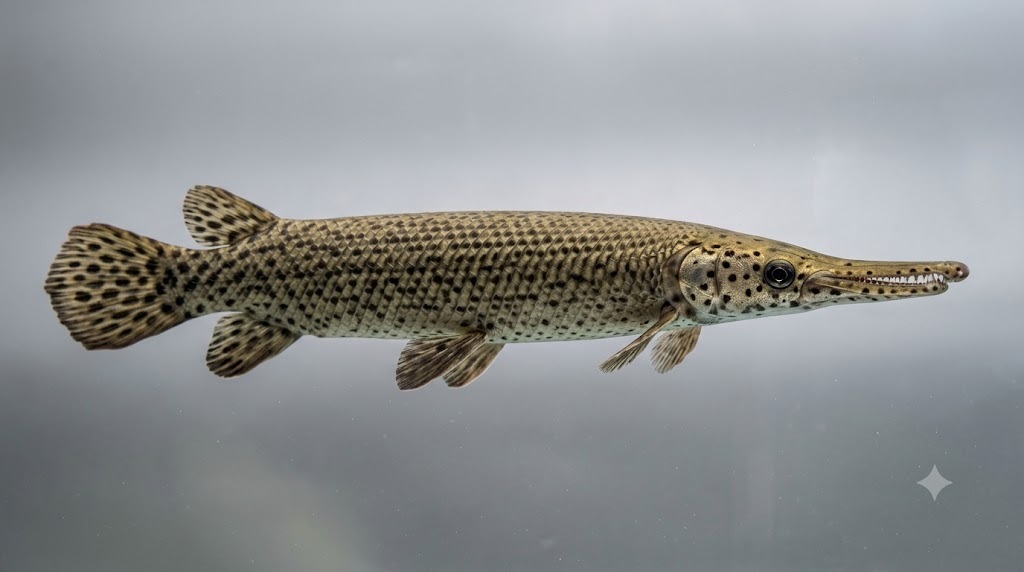
The spotted gar has a long, slender, cylindrical body sheathed in tough, interlocking diamond-shaped ganoid scales - hard, enamel-like plates that act as living armor and feel almost like a coat of mail. The most obvious feature is the long, narrow snout, or beak, lined with sharp needle-like teeth and shorter than the snout of the closely related longnose gar. True to its name, the spotted gar is covered in dark roundish spots scattered over the body, the head, and the fins, and importantly the spots appear on the top of the head and the snout, which helps separate it from look-alike species. The back is olive to brown, the sides are lighter, and the belly is pale to white. The dorsal and anal fins are set far back near the tail, close to the rounded tail fin, an arrangement that lets the fish lunge forward in a sudden burst. The spotted gar is separated from the longnose gar by its shorter, broader snout and from the larger alligator gar by its much smaller size, single row of teeth, and slimmer build; the bony-armor plating and the spots on the head are the quick tells.
Range & Habitat (US waters)
The spotted gar is a fish of the southern and central United States. It is widespread through the Mississippi River basin and the Gulf Coast drainages, common from Texas and the lower Mississippi Valley east across the Gulf states to Florida, and ranging north up the Mississippi system into parts of the Midwest and the southern Great Lakes drainage. It favors warm, quiet, weedy water: oxbow lakes, backwaters and sloughs off larger rivers, sluggish lowland streams, swamps, bayous, and the shallow weedy margins of lakes and reservoirs. Spotted gar like clear to slightly stained water with heavy aquatic vegetation, which gives them cover to ambush prey and habitat for the small fish they eat. One of the gar's great advantages is a specialized swim bladder it can use as a primitive lung, gulping air at the surface, which lets it survive in warm, stagnant, low-oxygen backwaters where most other predatory fish cannot live.
Behavior & Feeding
Spotted gar are ambush predators that hunt mostly by sight in the warm upper layers of the water. A gar will hang nearly motionless near the surface or alongside weed edges and submerged wood, looking like a floating stick, then strike sideways with a fast lunge to grab prey crossways in its long, tooth-lined jaws. After seizing a fish it typically turns it and works it head-first down the throat, which is exactly why anglers so often miss strikes and why patience before setting the hook matters. The diet is built around small fish - shad, minnows, sunfish, and other forage - along with crayfish, large insects, and whatever small prey moves through the shallows. Gar are most active in warm conditions and are frequently seen finning at the surface and rolling up to gulp air, a behavior that not only helps them breathe but also tells an observant angler exactly where the fish are holding.
Best Seasons & Times to Catch
The spotted gar is a warm-water fish, so the prime season is the warm months from late spring through summer and into early fall, when water temperatures are high and the gar are active, surface-oriented, and feeding hard. Hot, calm summer days that push other anglers off the water are often excellent for gar, because the fish thrive in the very warmth and low oxygen that slow everything else down. They are commonly caught from late morning through the heat of the day when they are basking and air-gulping near the surface, though early morning and evening can also be productive in the shallows. As the water cools in fall the bite tapers, and in winter, especially in the northern parts of the range, the fish become sluggish and far harder to catch. Spring spawning, when gar move into shallow weedy flats in warm water, also concentrates fish and can mean fast action, but it is also when the toxic eggs are present, a point worth remembering for anyone tempted to keep a fish.
Where to Find Them - Reading the Water
Finding spotted gar means thinking warm, slow, and weedy. Look first to oxbow lakes and the still backwaters, sloughs, and cuts off a main river, where current is minimal and aquatic vegetation is thick. In lakes and reservoirs, target the shallow weedy bays, the edges of lily pads and grass, and quiet pockets around laydowns and timber. The single best way to locate them is simply to watch the surface: gar give themselves away by finning lazily on top and by rolling up to gulp air, so a few minutes of looking will often show you where they are. Once you spot fish, fish to them directly - cast a bait near a basking gar or drift one along the weed edge where they ambush. The rule of thumb is to find the warmest, calmest, most vegetated water in the system, then let the gar's surface habits tell you exactly where to put your bait.
Tackle & Rigs
You do not need giant tackle for spotted gar, but you do need gear that can handle sharp teeth and a hard-pulling fish. A medium to medium-heavy spinning or baitcasting rod with a reel holding 15 to 30 pound line is a sensible all-around choice. The most important detail is the leader and the way you connect to the fish, because a gar's tooth-filled jaws will shred ordinary monofilament. Many anglers use a tough abrasion-resistant leader, and some use a short wire leader, though wire is not always necessary if the bait setup keeps line away from the teeth. Two rigs dominate. The first is a simple cut-bait or live-bait rig: a single strong hook, sometimes under a float to drift the bait at the right depth in the shallows. The second is the famous frayed-rope lure - a length of soft nylon rope teased out into a tangle of fibers with no hook at all - which catches gar when their backward-pointing teeth snag and hold in the fibers. A long-nosed pliers or a hook-out tool and a sturdy glove are essential parts of the kit for dealing with the teeth.
Best Baits & Lures
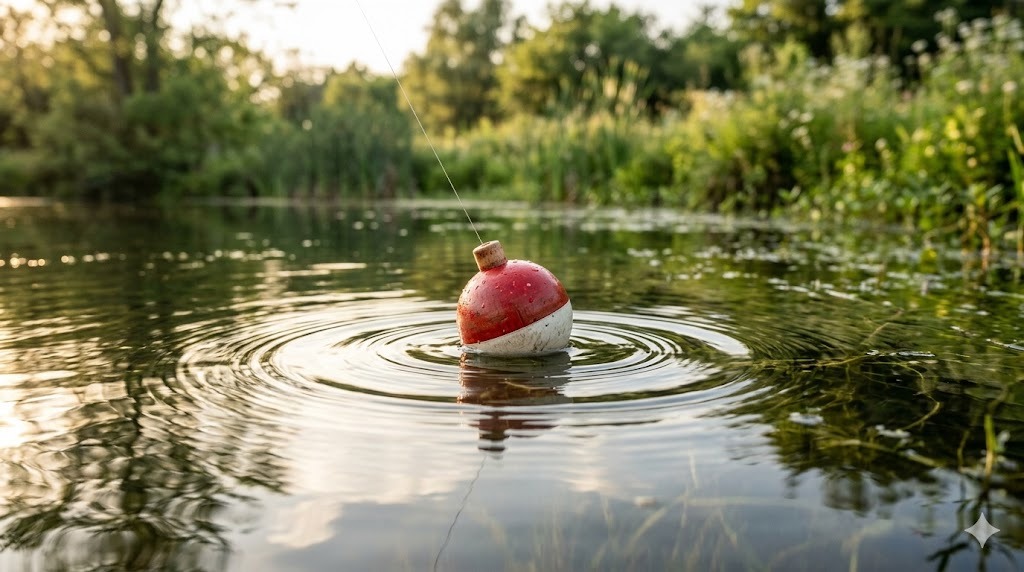
Because spotted gar feed heavily on small fish, the best baits are fish-based. Fresh cut bait - strips or chunks of shad, mullet, or other oily fish - works very well, as does live bait such as shiners or other small fish drifted under a float through the shallows where gar are basking. The presentation that gives gar the most trouble, though, is the no-hook frayed-rope lure: a hookless tassel of unraveled nylon rope that the gar grabs and cannot let go of as its needle teeth tangle in the fibers, which lets the angler land the fish without ever sinking a hook. This rope approach also makes for cleaner releases, since there is no hook to remove from a hard, bony mouth. Conventional lures will draw strikes too - slow-moving soft plastics, spinnerbaits, and topwater baits worked near surfacing fish can all get hit - but the bony, tooth-lined jaw makes hooking gar on standard lures frustrating, which is exactly why cut bait, live bait under a float, and the frayed-rope trick remain the go-to methods.
Techniques - How to Fish for It
The core of spotted gar fishing is sight-fishing the shallows. Find a basking or rolling gar, then put your bait where the fish can see it - drift a live bait or cut bait under a float past a holding fish, or cast a frayed-rope lure right to it. The single hardest part is the hookset, and the secret is patience. A gar grabs prey sideways in its long jaws and needs time to turn and swallow it head-first, so striking the instant you feel the take usually just pulls the bait out of those bony jaws. With cut or live bait on a hook, many anglers let the gar take the bait and move off, giving it several seconds to work the bait around before tightening up and setting the hook firmly into the corner of the mouth. With the frayed-rope lure there is no hookset at all: you let the gar mouth and chew the rope until its teeth are thoroughly tangled, then simply keep tension and ease the fish in. Once hooked or tangled, a spotted gar pulls hard and may thrash, roll, and even break the surface, so steady pressure and a careful landing are the order of the day.
Common Mistakes
The most common mistake by far is setting the hook too soon. Gar mouth a bait sideways and need time to swallow, so an instant hookset on a hard, bony jaw simply rips the bait free - patience before the set is everything. Another frequent error is using line or a leader that the gar's teeth shred on contact, which costs fish and leaves hooks in them; a tough abrasion-resistant or wire leader prevents it. Careless handling is both a mistake and a hazard: a gar's jaws are lined with sharp teeth, and a thrashing fish can cut an unprotected hand, so a glove, pliers, and a firm but safe grip behind the head are a must. The single most serious mistake, however, is eating the eggs. Spotted gar roe is toxic to humans and can cause serious illness, so the eggs must never be eaten under any circumstances - only the flesh is edible. Finally, anglers often overlook gar entirely by fishing the wrong water; cool, fast, or barren areas hold few gar, while the warm, weedy, slow backwaters they ignore are full of them.
Size, Records & Eating Quality
The spotted gar is a modestly sized member of the gar family, far smaller than its giant cousin the alligator gar. Most spotted gar run roughly 1 to 2.5 feet long and a few pounds in weight, with larger individuals reaching around 3 feet, and the IGFA all-tackle world record stands near 9 to 10 pounds. They are long-lived for their size and grow slowly, which is one reason a thoughtful angler treats even common gar with some respect. As table fare, gar are best described as a rough-fish food: the flesh is firm and white and is genuinely eaten in parts of the South, often fried, but cleaning a gar is a chore because the hard ganoid-scale armor must be cut through, and the yield is modest. The one absolute rule is that the eggs are toxic to humans and must never be eaten - only the fillets are safe. For most anglers the spotted gar is primarily a catch-and-release fish or an occasional rough-fish meal rather than a target for the table, and where any harvest is considered it is worth checking state regulations, since gar rules and any limits vary by state.
Pros & Cons (as a target species)
Pros: spotted gar are a hard-fighting, prehistoric-looking fish that give anglers a genuinely different experience, and they thrive in warm, weedy, low-oxygen backwaters where little else swims, so they offer action in the heat of summer when other fishing slows. They can be sight-fished in the shallows, which is exciting and visual, and they are willing biters that can be caught on inexpensive cut bait and on the simple no-hook frayed-rope trick. Cons: they are difficult to hook because of their hard, bony, tooth-lined jaws and their sideways grab-and-swallow feeding, which demands real patience. They require tooth-proof leaders and careful handling, the armor-plated body is a chore to clean, the flesh is only a modest rough-fish food, and the toxic eggs must never be eaten - a serious safety point. They are also a non-traditional target that some anglers simply do not value, and harvest rules vary by state.
Best Suited For
The spotted gar suits the adventurous, open-minded angler who enjoys catching something unusual and ancient rather than chasing classic gamefish. It is ideal for warm-water fishing in summer, for anyone who likes sight-fishing visible fish in shallow weedy backwaters, and for budget-minded anglers happy to use cut bait and the clever no-hook rope lure. It rewards patience above all, because the slow hookset is central to success. It is best approached as a catch-and-release or occasional rough-fish target by anglers who will handle the fish carefully around its teeth and who understand and respect the one firm rule of gar fishing - that the roe is toxic and only the flesh is ever eaten.
FAQ
What is the best bait for spotted gar? Fish-based baits work best. Fresh cut bait such as strips of shad or mullet, and live bait like shiners drifted under a float through the shallows, both produce well. The standout method, though, is the no-hook frayed-rope lure - a tangle of unraveled nylon rope that snags in the gar's many teeth - which hooks fish that are otherwise very hard to land and makes for clean releases.
Can I eat a spotted gar? The flesh is edible and is fried and eaten in parts of the South, but the eggs are toxic to humans and must never be eaten. Cleaning a gar is also hard work because of its tough armor-like scales, so most anglers treat it as a catch-and-release fish or an occasional rough-fish meal. Where you do consider keeping one, check your state regulations first.
Why do I keep missing the bite when fishing for gar? Because gar grab prey sideways and need time to turn and swallow it head-first. If you set the hook the instant you feel the take, you usually just pull the bait out of those hard, bony jaws. Give the fish several seconds to work the bait around, then tighten up and set firmly - or use a frayed-rope lure, which needs no hookset at all.
Do I need a wire leader for spotted gar? You need something tooth-proof. A gar's needle-lined jaws will shred ordinary monofilament, so use a tough abrasion-resistant leader at minimum, and a short wire leader is a safe choice. The frayed-rope method also keeps your main line away from the teeth, which helps protect it.
Where do spotted gar live? They live in warm, slow, weedy water across the southern and central US - oxbow lakes, river backwaters and sloughs, swamps and bayous, and the shallow weedy margins of lakes. They favor heavy vegetation and can survive in stagnant, low-oxygen water by gulping air at the surface, so look for the warmest, quietest, most weed-choked water in the system and watch for fish finning or rolling on top.