Spotted Sunfish
The spotted sunfish is a small, hardy panfish of the southern United States, affectionately known in many places as the "stumpknocker" for its habit of hanging tight to submerged wood and knocking snails and insects from stumps and logs.
🗓️ Last reviewed: July 2026
Overview
The spotted sunfish is a small, hardy panfish of the southern United States, affectionately known in many places as the "stumpknocker" for its habit of hanging tight to submerged wood and knocking snails and insects from stumps and logs. It is a member of the sunfish family, related to bluegill and other bream, but it favors the tannin-stained rivers, swamps, and creeks of the Southeast. What it lacks in size it makes up for in willingness: the stumpknocker is a scrappy, cooperative fish that a kid with a cane pole and a cricket can catch all day. For anglers who love working wood cover with light tackle, it is one of the most engaging little fish in the South.
Identification & Appearance
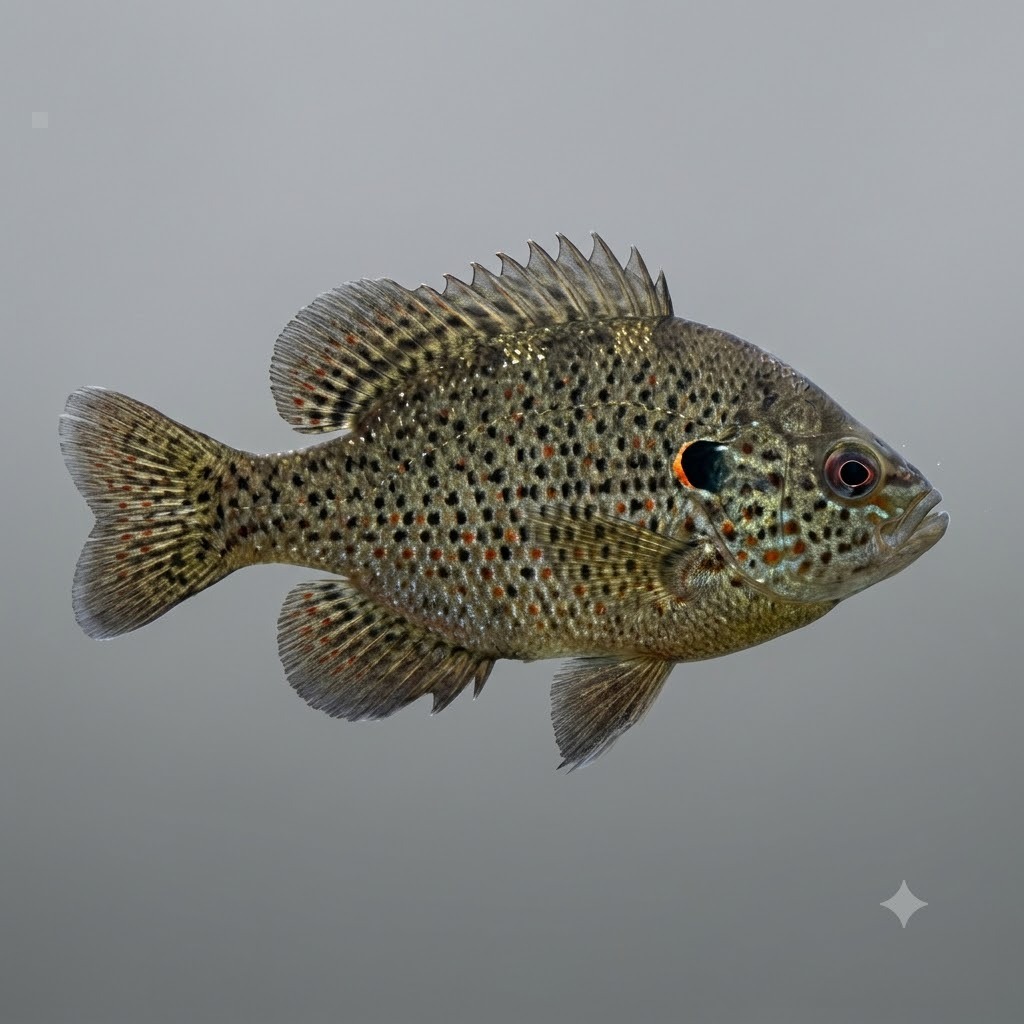
The spotted sunfish is a compact, deep-bodied panfish, usually olive to dusky brown or greenish, with rows of small dark or reddish spots scattered along the flanks - each scale often bearing a spot, giving the fish a finely speckled look that inspires the name. It has the typical rounded sunfish body and a small mouth, with a short, dark gill flap (the "ear"). Compared with a bluegill, it is smaller, darker, and more heavily peppered with spots rather than showing bold vertical bars, and it lacks the long, pointed ear flap of some other sunfish. Breeding males can show richer, warmer coloration.
Range & Habitat (US waters)
The spotted sunfish is native to the southeastern United States, ranging through the coastal plain from the Carolinas across the Gulf states and throughout Florida. It thrives in warm, slow, often tannin-stained water: swamps, sloughs, cypress-lined rivers, spring runs, blackwater creeks, and the vegetated backwaters of lowland streams. It is strongly associated with cover, especially submerged wood such as logs, stumps, roots, and brush, and it also uses undercut banks and aquatic vegetation. It tolerates the warm, low-oxygen conditions of southern swamps well, making it abundant in habitats that many other fish avoid.
Behavior & Feeding
The stumpknocker earns its name by feeding tight to wood, picking snails, aquatic insects, small crustaceans, and larvae from submerged logs, stumps, and roots. It is an opportunistic bottom- and cover-oriented feeder that stays close to structure and darts out to grab passing food. Because it holds so tight to cover, presentations must be placed right against the wood to draw a strike. Spotted sunfish are active in warm water and feed steadily through the warm months. Like other sunfish, they build nests in the shallows during the spawning season, when males guard the beds and strike readily at anything that intrudes.
Best Seasons & Times to Catch
The warm months, from spring through early fall, are prime, with the fish most active and cooperative when water is warm. The spawning period in late spring and early summer is especially productive, as males hold on shallow beds near cover and aggressively defend them. Warm, stable weather brings steady action, and because these fish inhabit warm southern waters, the season is long. On a daily basis, morning and evening are reliable, though stumpknockers will bite through the day in shaded, cover-rich water where the light is filtered by overhanging trees and tannin-stained water.
Where to Find Them - Reading the Water
Find the wood, find the fish. Spotted sunfish hold tight to submerged logs, stumps, root wads, fallen trees, and brush along the edges of slow rivers, creeks, and swamps. Undercut banks, cypress knees, and pockets in aquatic vegetation also hold them. Look for shaded, structure-rich water with a slow current or none at all, especially in tannin-stained backwaters and spring runs. The tighter your bait sits to the wood, the more likely a strike - these fish rarely stray far from cover, so target every log and stump you can reach.
Tackle & Rigs
Light and simple is the rule. An ultralight or light spinning outfit with 4-6 lb line, or a classic cane pole, is perfect for stumpknockers. The most effective rig is a small hook with a light split shot and a small float, set so the bait hangs just off the bottom right beside the wood. A simple bobber-and-cricket setup is hard to beat. Small hooks are essential given the fish's small mouth. Because the fish live in wood-choked cover, a setup you can drop precisely into pockets and alongside logs matters more than casting distance.
Best Baits & Lures
Live bait shines for spotted sunfish. Crickets are a classic and deadly choice, along with small worms, red wigglers, grubs, and mealworms, all fished small to suit the little mouth. On the artificial side, tiny jigs, small soft-plastic grubs, and small flies such as poppers, nymphs, and wet flies work well, especially when placed tight to cover. A small popping bug fished on a fly rod against a log can draw eager surface strikes. Keep everything small and present it right against the wood where the fish are holding.
Techniques - How to Fish for It
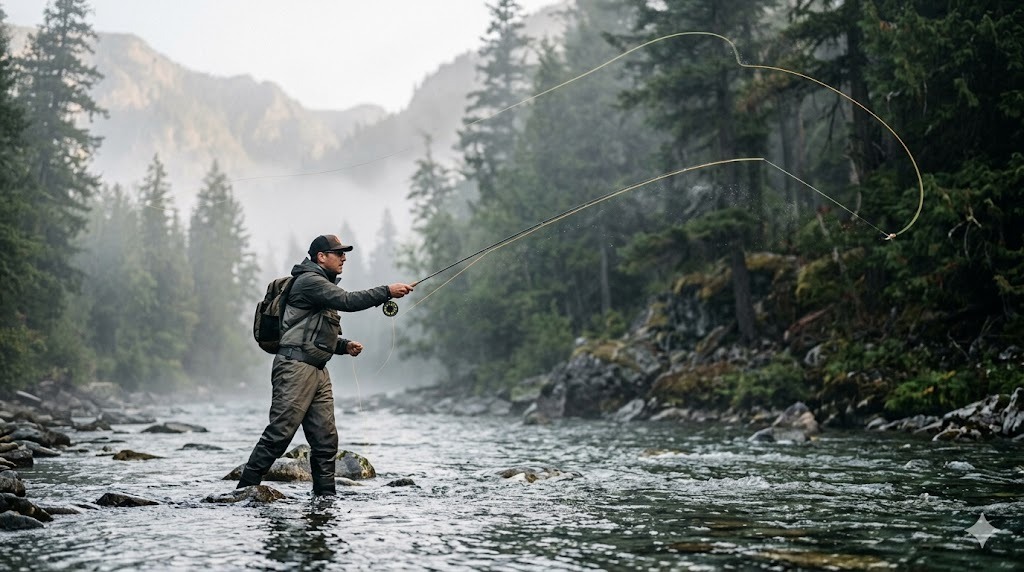
The defining technique is precise, close-quarters presentation to wood. Drop or flip a cricket under a small float right beside a log or stump and let it sit in the strike zone; a stumpknocker will usually hit quickly if one is home. Work methodically along a fallen tree or a row of cypress knees, hitting every pocket. With a fly rod, drop a small popper or wet fly tight to cover and give it a twitch. Tight-lined jigs worked slowly along wood are also effective. The key is patience and accuracy - put the bait in the fish's face against the cover.
Common Mistakes
The biggest mistake is not fishing tight enough to cover - a bait even a foot off the wood often goes ignored, so accuracy is everything. Using hooks and baits that are too large for the fish's small mouth leads to missed bites. Fishing open water instead of hunting down submerged wood wastes time, since stumpknockers rarely leave cover. Anglers also sometimes use tackle that is too heavy, which robs these small fish of their fun and reduces sensitivity. Finally, moving too fast and skipping pieces of cover means passing up fish that hold on nearly every log.
Size, Records & Eating Quality
The spotted sunfish is a small panfish, with most fish running just a few inches to hand-sized and a good one being a modest but respectable panfish by sunfish standards. Despite the small size, the flesh is white, sweet, and firm - excellent eating, like most sunfish - and a mess of stumpknockers makes a fine traditional southern fish fry. Because they are abundant and prolific in their swampy habitats, they can be harvested for the table within local limits without concern, and they are a favorite of anglers who enjoy panfish cuisine.
Pros & Cons (as a target species)
Pros: spotted sunfish are abundant, willing, and easy to catch on simple gear, making them ideal for kids and casual anglers; they offer engaging close-quarters cover fishing; and they are excellent eating. Cons: they are small, so they are not a trophy or a hard fight; they demand accurate presentations to wood, which can frustrate anglers used to open water; and they inhabit swampy, sometimes bug-heavy and hard-to-access southern habitats.
Best Suited For
Spotted sunfish suit casual anglers, families, and kids looking for steady action on simple tackle, as well as fly and light-tackle enthusiasts who enjoy the precision of fishing tight to wood. They are perfect for a relaxed day of bank or small-boat fishing in southern swamps, creeks, and rivers, and they reward anglers who love hunting cover and filling a stringer for a fish fry. For anyone exploring the blackwater fisheries of the Southeast, the stumpknocker is a friendly and rewarding introduction.
FAQ
Why is the spotted sunfish called a stumpknocker? Because it feeds tight to submerged wood, knocking snails and insects from stumps, logs, and roots. It rarely strays far from cover, so it seems to live right on the stumps.
What is the best bait for spotted sunfish? A cricket under a small float is a classic and deadly choice. Small worms, grubs, and tiny jigs or flies also work well. Keep baits small to match the fish's small mouth.
Where do I find spotted sunfish? Look for submerged wood - logs, stumps, root wads, and brush - in slow, warm, often tannin-stained rivers, creeks, and swamps across the southeastern United States. Fish tight to the cover.
Are spotted sunfish good to eat? Yes. Like most sunfish, they have sweet, firm, white flesh and make excellent panfish for a fish fry, though their small size means you need a good number for a meal.
What tackle should I use for spotted sunfish? Keep it light: an ultralight spinning outfit or a cane pole with 4-6 lb line, small hooks, a light split shot, and a small float. Precise presentation to cover matters more than casting distance.