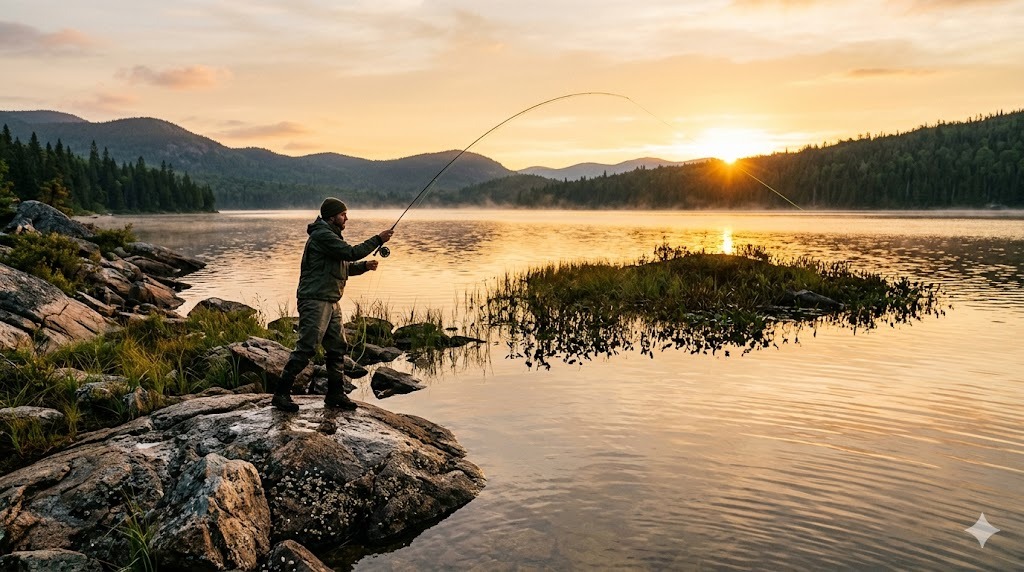
Bag Limits and Slot Limits, Explained
What bag limits and slot limits are, why they exist, how to measure a fish correctly, how to release over- and under-slot fish unharmed, and how to find your local regs.
Every angler runs into bag limits and slot limits, and a surprising number aren’t sure what they actually mean or how to follow them correctly. They’re not red tape; they’re the rules that keep fisheries productive year after year. Here’s a plain-English explanation of what they are, why they exist, and how to measure and release fish the right way.
New to the rules? Knowing the regs isn’t optional - it’s part of being an angler. Getting it wrong can cost you a fine and, worse, harm the fishery everyone shares.
What a bag limit is
A bag limit (sometimes called a creel or possession limit) is the maximum number of a given species you’re allowed to keep in a day, or to have in your possession.
- It’s usually set per species: for example, six walleye or fifteen panfish per angler per day. The exact numbers vary widely by water and region.
- “Daily” and “possession” can differ. A daily limit caps what you take in one day; a possession limit caps the total you can have on hand, including fish in your freezer from previous trips.
- Limits are per angler, not per group, and you generally can’t pool or transfer your catch to dodge an individual limit.
- The purpose is simple: stop a fishery from being stripped faster than it can replace itself.
What a slot limit is
A slot limit controls the size of fish you may keep, not just the number. It’s a more refined tool aimed at protecting specific parts of the population.
- A protected slot means you must release fish that fall within a size range and may only keep fish below or above it. For example, “release all largemouth bass between 12 and 16 inches” protects the prime mid-size spawners while letting you keep smaller and the occasional larger fish.
- A harvest slot is the opposite: you may only keep fish within a window and must release everything outside it.
- A minimum length limit means you must release anything under a set size, giving fish a chance to spawn at least once before they can be harvested.
- A maximum length limit protects the big, old, highly fertile fish that do a disproportionate share of the breeding.
The logic is biological: in many species, mid-size and large fish are the most valuable spawners, so protecting them keeps the whole population healthy.
Why these rules exist
It helps to see limits as the long game rather than an inconvenience on the day.
- Sustainable harvest. Bag limits keep total take within what a fishery can naturally replace, so there are still fish next season.
- Protecting spawners. Slot and length limits shelter the fish that produce the next generation, which keeps the population self-sustaining.
- Better fishing for everyone. Well-managed waters with sensible limits produce more and bigger fish over time. The rules aren’t against anglers; they’re how good fishing lasts.
- They also spread the resource fairly, so no single angler can take an outsized share.
How to measure a fish correctly
Measuring sounds obvious, but it’s done wrong constantly, and an inch can be the difference between legal and not.
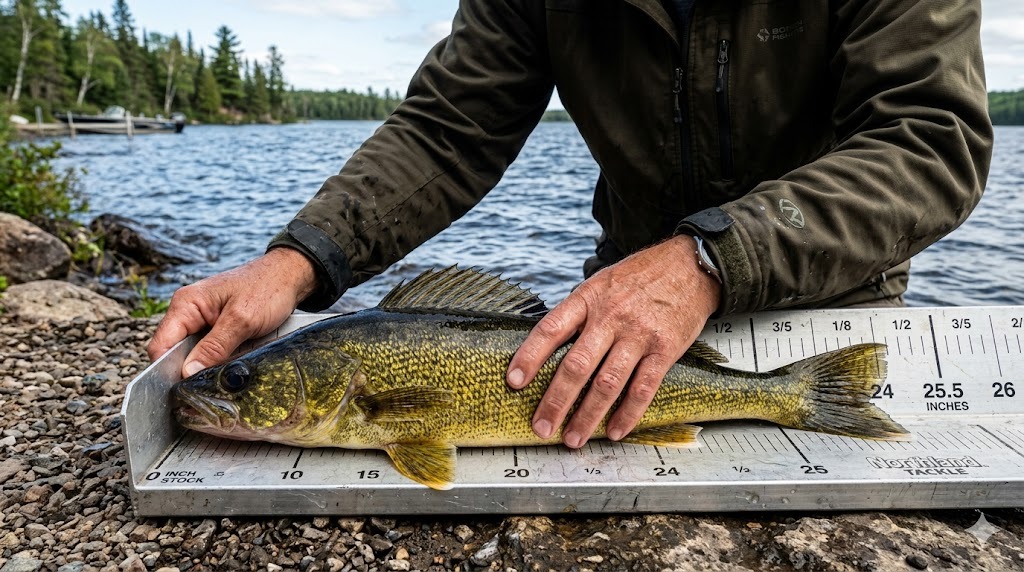
- Lay the fish flat on a measuring board or a tape, nose against the stop or the zero mark.
- Know which length your regulations specify, because they differ:
- Total length - tip of the closed mouth to the tip of the tail, with the tail lobes squeezed together to their longest point.
- Fork length - tip of the mouth to the fork (the notch) of the tail.
- Measure with the mouth closed and the fish lying naturally straight, not stretched. If you also need to estimate weight from a length measurement, our fish weight calculator does the math.
- When a fish is right at the line, give the fish the benefit of the doubt and release it. A borderline keeper isn’t worth a violation or the harm to a fish you’ll likely release anyway.
- Carry a measuring tool. Guessing by eye is how honest anglers end up over the line.
Releasing over- and under-slot fish unharmed
A fish you have to release only helps the fishery if it actually survives, so handle protected fish with care.
- Decide fast. If a quick look tells you it’s protected, get it back without a long photo session.
- Wet your hands before touching it. Dry hands strip the protective slime coat that guards against infection.
- Keep it in or over the water and minimise air time. Support its weight horizontally; never hold a heavy fish vertically by the jaw alone.
- Use barbless or pinched-barb hooks where you can, and back the hook out with pliers or forceps. If it’s hooked deep, cut the line close rather than digging.
- If the fish is tired, revive it: hold it upright in the water, facing into any current, until it kicks free under its own power.
- Avoid keeping protected fish on a stringer or in a hot livewell while you “decide.” That decision should already be made.
Our guide on catch and release goes deeper on doing this well.
Finding your local regulations
The single most important habit: check the current rules for the exact water you’re fishing, every season.
- Start with your state, provincial or national fisheries agency. They publish the official regulations, usually free online and in a printed summary.
- Many agencies now have apps that show species limits, slot sizes and seasons by waterbody. Our roundup of fishing licenses explained points you toward licensing and where the rules live.
- Watch for water-specific rules. Limits and slots often differ from one lake or river to the next, and special-regulation waters can have their own slot, gear or season rules posted at the access point.
- Note seasons and closures too. Some species are off-limits during spawning, and some waters close entirely for part of the year.
- Regulations change. Last year’s numbers may be wrong this year, so re-check annually, and keep a copy on your phone.
When in doubt, the safe and ethical default is to keep less, release borderline and protected fish, and only harvest what you’re certain is legal and what you’ll actually eat. If you do keep a legal fish for the table, our catch and cook guide takes it from there.