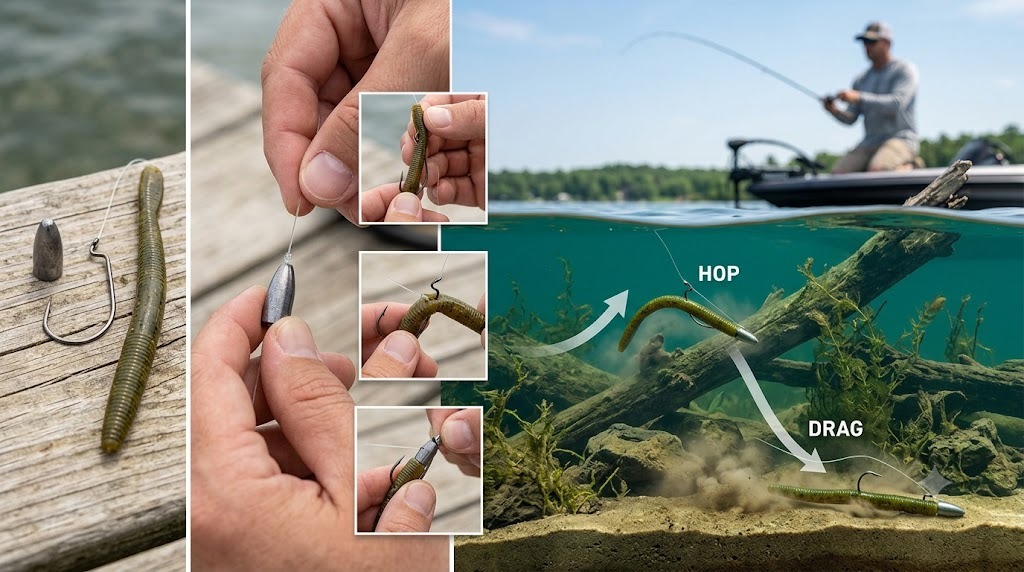
Catch More Fish from Shore
You don't need a boat to catch fish. A practical guide to reading bank structure, fan-casting effectively, staying mobile and quiet, and finding the best shore spots.
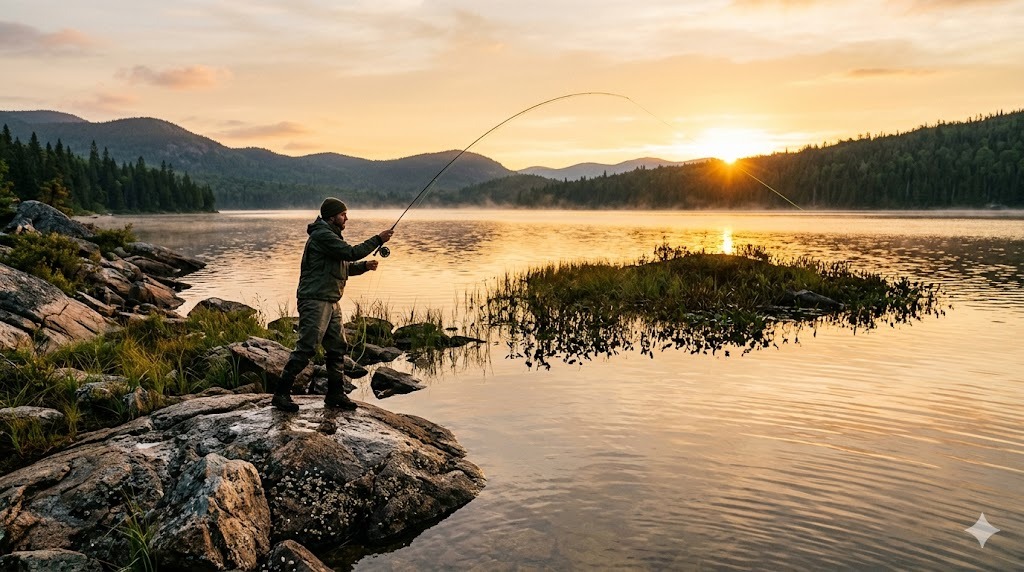
A boat opens water up, but it isn’t what catches fish - reading water and putting your bait in the right place does, and you can do both from the bank. Plenty of the best fishing happens within a cast of dry land, especially early and late in the day. Here’s how to catch more from shore without owning a thing that floats.
New to fishing from the bank? This is a technique guide, not a gear list. Master these habits and cheap tackle will out-fish expensive gear used carelessly. For other approaches once you have the basics down, browse our fishing techniques.
Read the bank before you cast
Fish relate to structure and cover, and a lot of it sits right against the shoreline. Before you make a cast, spend two minutes reading the water.
- Edges and transitions: where rock meets sand, weed meets open water, or shallow drops into deep. Fish patrol these lines.
- Cover: laydown timber, overhanging trees, dock pilings, weed beds, reeds. Anything that breaks up open water holds fish.
- Points and inside turns: a point sticking into the water funnels fish past it; the bank’s contour tells you where deeper water swings close.
- Inflows and outflows: a creek mouth, a culvert, or current pinch brings food and oxygen, and fish stack near it.
- Depth clues: clear water lets you see drop-offs and weed lines; in stained water, watch for colour changes and current seams.
For a deeper treatment of this skill, our guide on how to read water goes further.
Fan-cast to cover water
From a fixed spot you can’t move the boat over the fish, so you move your casts instead. Fan-casting is how you find them efficiently.
- Picture a fan spreading out from where you stand. Make a cast to the far left, retrieve, then step your next cast a little to the right, and work methodically across the whole arc.
- Vary your distance too: cover close water before long bombs, because fish often hold tight to the bank you’re standing on, and a careless angler walks right past them.
- Count your lure down in deeper spots (“one-one-thousand, two…”), so when you get a bite you can repeat the depth.
- Once you get a hit, work that angle and depth hard before moving on. Fish are rarely alone.
Mind your casting angles
From shore, the angle of your retrieve matters as much as where it lands. You want your bait to spend the most time in the productive zone.
- Cast parallel to the bank along weed lines, drop-offs and dock edges. A parallel retrieve keeps the lure in the strike zone the whole way back; a cast straight out crosses it for only a second.
- Fish the near edge of cover first, then cast beyond and bring the bait back through it, so you don’t spook fish by hooking one in the middle of the school.
- Use the wind. A breeze blowing into your bank pushes bait and warmer surface water toward you and concentrates feeding fish along it.
Stay mobile and stay quiet
The two biggest shore-fishing mistakes are sitting too long in a dead spot and announcing your arrival.
- Keep moving. If a likely spot produces nothing after a thorough fan-cast, move on. Covering ground beats waiting for fish to find you. Travel light so moving is easy.
- Approach quietly. Fish in shallow water near shore are spooky. Heavy footfalls transmit through the ground and water, and a shadow falling across clear shallows sends fish bolting.
- Walk softly on the last few steps to the water, and avoid stomping on docks or banks.
- Keep your silhouette low and off the skyline where you can. Crouching or staying back from the edge on clear, calm days makes a real difference.
- Wear drab clothing on bright days; bright colours and sudden movement spook wary fish in clear water.
Find the best shore spots
Some shoreline simply fishes better. Knowing what to look for saves you hours.
- Public access points, piers and jetties are built where there’s deeper water close in, and that’s exactly what you want from the bank.
- Bridges and culverts create current, shade and structure, and fish gather around them.
- Points and rocky banks give you access to depth changes without a long cast.
- Inlets, outlets and feeder creeks are reliable food magnets.
- Steep banks mean deep water is within reach; flat, gradually shelving banks often require a long cast to reach fish.
- Fish the low-light edges of the day. Dawn and dusk pull fish into shallow shoreline water to feed, putting them squarely in shore-angler range. Knowing the habits of the species in your water tells you which shoreline they will use.
A few practical notes to round it out: make sure you have the right licence and that the spot is open to public fishing before you set up, our fishing licenses explained covers that. Mind your back-cast around people and trees, watch your footing on wet rock and steep banks, and don’t wade beyond your confidence.
Catch more from shore and you’ll soon be keeping a few for the table. When that day comes, our catch and cook guide takes it from there.