Brown Bullhead
The brown bullhead is the small, tough, whiskered catfish that has introduced more American kids to fishing than almost any other species.
🗓️ Last reviewed: July 2026
Overview
The brown bullhead is the small, tough, whiskered catfish that has introduced more American kids to fishing than almost any other species. It is hardy, abundant, willing to bite almost anything, and it lives in warm, muddy ponds that would suffocate most other fish. For a beginner, a brown bullhead on a worm is often the first fish ever landed, and the memory sticks. It is not a big fish or a trophy fighter, but it is dependable, widely available, and surprisingly good on the table. On a warm summer evening, a simple worm on the bottom of a farm pond will almost always find a bullhead ready to bite.
Identification & Appearance
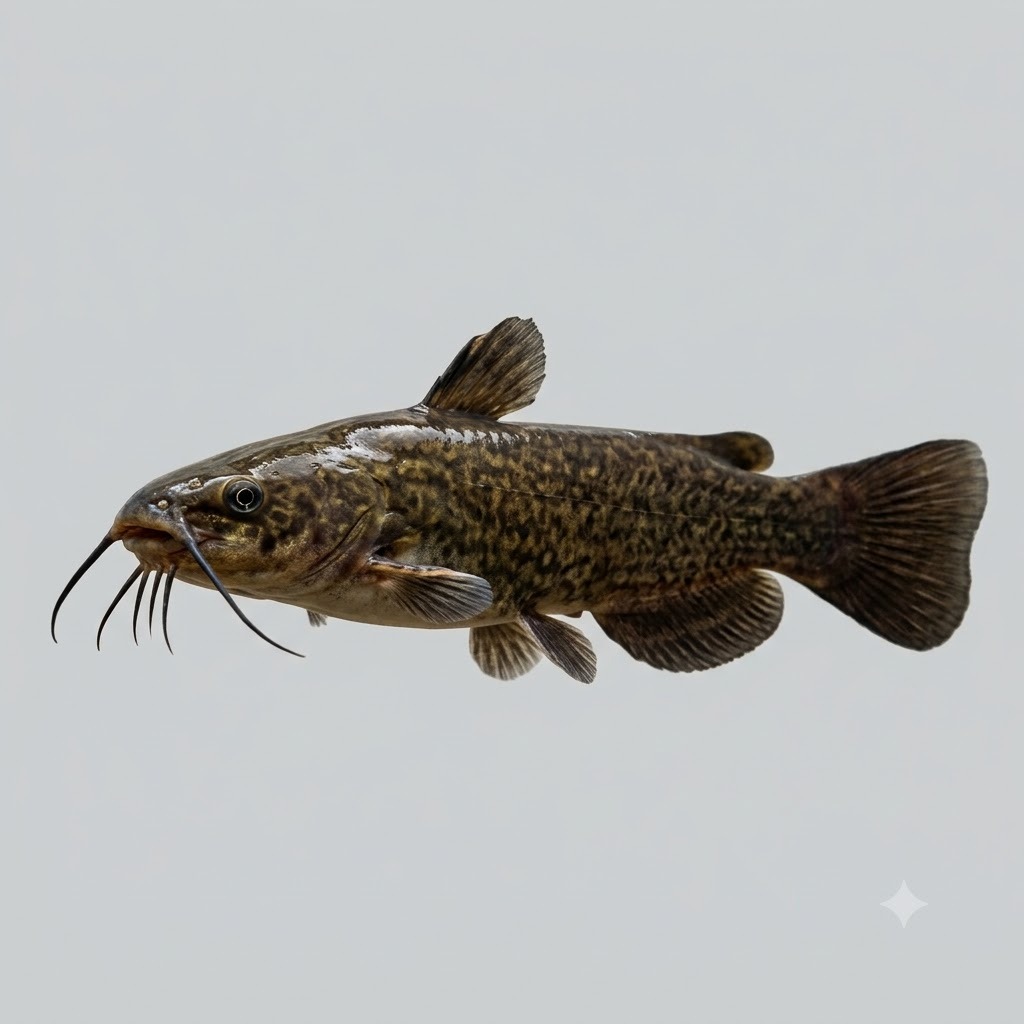
The brown bullhead is a small, chunky catfish with smooth, scaleless skin, a broad flat head, and a rounded, square-ish tail with no fork. Its coloring is mottled brown to yellow-brown, often with dark blotches over a lighter background, and a pale to yellowish belly. The eight barbels around the mouth are the classic catfish whiskers; on a brown bullhead the chin barbels are dark, which helps separate it from the pale-barbeled white catfish. The rounded, unforked tail distinguishes it from the forked-tailed white, channel, and blue catfish. Sharp, saw-edged spines in the pectoral and dorsal fins can deliver a painful jab, so handle these fish with care.
Range & Habitat (US waters)
The brown bullhead is native to much of the eastern and central United States and has been widely stocked across the country, so it now turns up almost everywhere. It is the ultimate warm, still-water survivor. It thrives in muddy ponds, weedy lakes, slow streams, canals, swamps, and sluggish river backwaters. Its great advantage is toughness: the brown bullhead tolerates warm water, low oxygen, and murky conditions that would kill trout, bass, and even other catfish. Wherever there is a warm, soft-bottomed pond with plenty of organic muck, there are usually brown bullheads, which is why they are so common in small waters near towns.
Behavior & Feeding
Brown bullheads are nocturnal bottom feeders that hunt almost entirely by smell and taste, using their sensitive barbels to find food in the dark, muddy water. They are omnivorous scavengers, eating worms, insect larvae, snails, small fish, fish eggs, crayfish, and decaying plant and animal matter. They feed most heavily at night and in low light, cruising the bottom of the pond in search of anything edible. During bright daylight they often rest in deeper water or thick cover and feed little. Their reliance on scent means a smelly bait on the bottom will draw them from a distance even in water where they cannot see at all.
Best Seasons & Times to Catch
Warm weather is bullhead weather. Late spring through summer and into early fall is the prime season, when warm water has them feeding actively. Evening, night, and the first hour of daylight are by far the best times, matching their nocturnal habits. A warm, calm summer night is close to ideal. Bullheads often bite well after a warm rain that stirs the pond and washes food into the water. Spring warming triggers spawning and heavy feeding, and the bite holds until the water cools in fall. In cold water they become sluggish and feed little, so winter is slow.
Where to Find Them - Reading the Water
Look for the soft, muddy, food-rich bottom of a warm pond or slow backwater. Brown bullheads favor the deeper holes, the edges of weed beds, undercut banks, and areas with plenty of muck and organic debris where they root for food. In a pond, the deepest basin and the mouths of any inflow are good bets. In slow streams and canals, fish the deeper, slower pools. Because they feed by scent along the bottom, exact spot-picking matters less than for sight feeders: put a smelly bait on a soft bottom in warm water and the fish will come to it.
Tackle & Rigs
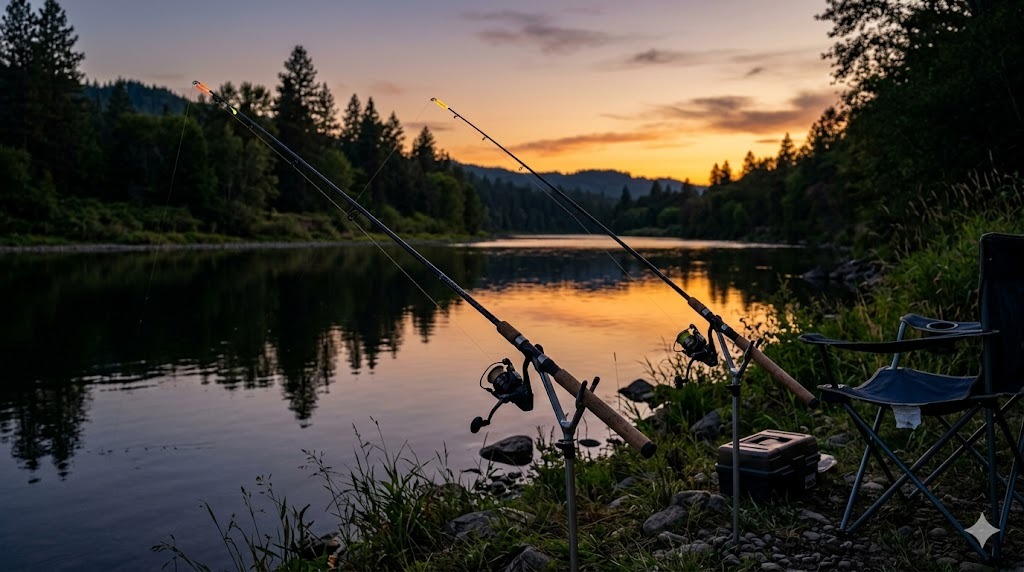
Brown bullheads are small, so light and simple gear is all you need. A light or medium spinning rod around 6 to 7 feet with 6-12 lb monofilament is perfect and keeps the fight fun. The standard setup is a simple bottom rig: a small bank or split-shot sinker and a single bait hook, either fished on the bottom or a few inches up on a dropper. A bobber rig set to hang the bait just off the bottom also works well and is a favorite for kids, since the float signals the bite. Keep hooks modest in size to match the bullhead's smaller mouth, and keep everything uncomplicated.
Best Baits & Lures
This is a bait fish, and it is not fussy. The number-one bait is the humble worm; a nightcrawler or garden worm on the bottom catches bullheads everywhere. Beyond worms, chicken liver, cut bait, shrimp, cheese baits, and commercial stink baits all work well and appeal to the bullhead's scent-driven feeding. The stronger the smell, the better, especially in murky water. Bullheads essentially never take artificial lures; there is no reason to throw hardware at them. A can of worms and a couple of hooks is the entire tackle list for a successful bullhead outing.
Techniques - How to Fish for It
The technique is simple, patient bottom fishing, which is a big part of the appeal. Bait the hook, cast into a likely hole or along a weed edge, let it settle on the bottom, and wait. Bullheads often take the bait with a gentle tapping or a steady pull; give the fish a moment, then set the hook with a smooth lift. They swallow bait readily, so use a hook you can retrieve or pinch the barb for easy release. Fishing at dusk and after dark produces the most bites. Because handling risks a spine jab, grip the fish firmly behind the pectoral fins, and long-nosed pliers make hook removal safe and quick.
Common Mistakes
The biggest mistake is fishing in the heat of a bright day, when bullheads are least active; switch to evening and night for far better results. Other errors: using bait that is too fresh and mild when a stronger scent would draw more fish, and setting the hook too hard on such a small fish. The classic beginner mistake is grabbing a bullhead carelessly and getting stabbed by the pectoral or dorsal spines, which sting sharply. Overcomplicating the rig is another; bullhead fishing rewards simplicity, and a plain worm on the bottom beats any fancy setup.
Size, Records & Eating Quality
The brown bullhead is a small fish; most run from a modest hand-length up to about a foot or so, with a big one reaching a couple of pounds. No one targets them for size. What they lack in bulk they make up for on the table: the flesh is firm, white, and mild, and bullheads taken from clean, cool water are genuinely good eating, especially skinned and fried. Fish from warm, muddy ponds can taste a little muddy, so bullheads from cleaner water eat best. Their abundance means a mess of them for a fish fry is easy to gather.
Pros & Cons (as a target species)
Pros: extremely abundant and widely available, easy to catch on simple cheap gear, hardy and present in warm mucky ponds where little else lives, willing biters that rarely refuse a worm, good eating from clean water, and the perfect first fish for a child. Cons: they are small and not strong fighters, they bite mainly at night, they can taste muddy from poor water, and their sharp spines can injure a careless hand. They offer none of the lure-casting excitement of gamefish.
Best Suited For
The brown bullhead is the ideal beginner and family fish. It is perfect for children catching a first fish, for a relaxed evening on a farm pond, and for anyone who wants near-guaranteed action on simple gear. Bank and dock anglers, campers, and anyone near a warm pond can catch them. It also suits the angler who enjoys quiet, patient bottom fishing and wants a modest catch for the pan. Trophy hunters and lure enthusiasts will pass, but as a dependable, accessible, tasty fish, the bullhead is unbeatable.
FAQ
What is the best bait for brown bullhead? A worm is the top choice and rarely fails. Beyond nightcrawlers, chicken liver, cut bait, and smelly stink baits work well because bullheads hunt by scent. The stronger the smell, the better in murky water.
When is the best time to catch bullheads? Warm months, and especially in the evening and after dark. Brown bullheads are nocturnal feeders, so a warm summer night on a pond is close to ideal, with the first hour of daylight also good.
Are brown bullheads good to eat? Yes, from clean water they are firm, white, mild, and good fried. Fish from warm, muddy ponds can taste a bit muddy, so bullheads from cleaner, cooler water make the best meal.
How do I handle a bullhead without getting hurt? Grip the fish firmly behind the pectoral fins to avoid the sharp pectoral and dorsal spines, which can deliver a painful jab. Long-nosed pliers make removing the hook safe and quick.
Do bullheads take lures? No, they essentially never hit artificial lures. Brown bullheads are pure bait feeders that find food by scent on the bottom, so a simple worm or smelly bait is all you need.