Chum Salmon
The chum salmon is the bruiser of the Pacific salmon runs, a strong, deep-bodied fish that arrives late in the season and pulls with a raw, dogged power that surprises many anglers.
🗓️ Last reviewed: July 2026
Overview
The chum salmon is the bruiser of the Pacific salmon runs, a strong, deep-bodied fish that arrives late in the season and pulls with a raw, dogged power that surprises many anglers. Often called the "dog salmon" for the big canine teeth spawning males grow and for its long history as a dried winter food for sled dogs, the chum is underrated as a sport fish. Fresh from the salt it is a hard, stubborn fighter that hammers bright flies and spoons in tidal rivers, and its roe is among the most prized of all salmon eggs. For the angler who values a tough fight and a late-season run, the chum salmon is a genuine prize.
Identification & Appearance
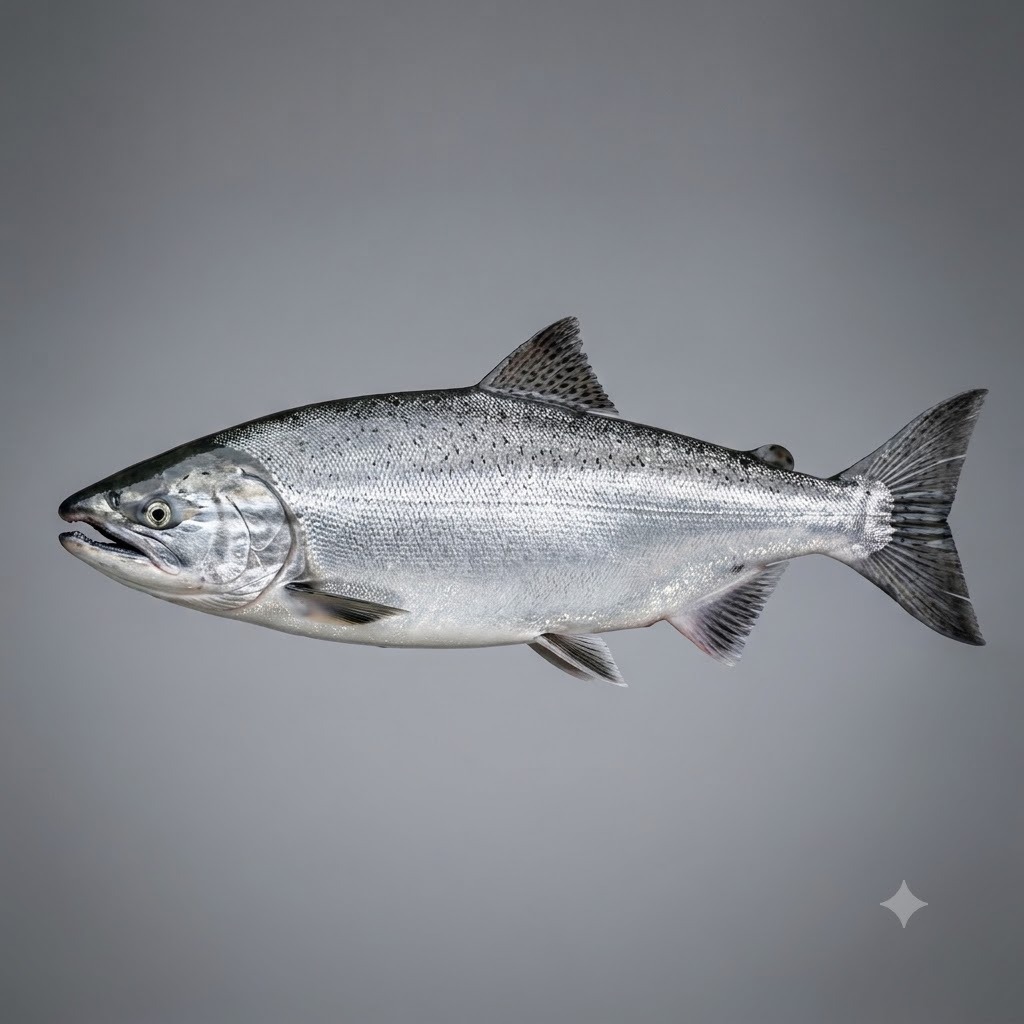
The chum salmon is a large, deep-bodied Pacific salmon, bright silver in the ocean with a slender tail base and, unlike the pink, only faint speckling rather than heavy spots. Its clearest field mark appears as it enters fresh water: spawning fish develop bold vertical bars of purple, green, and maroon along the flanks, giving the chum its "calico" or "tiger-striped" look. Spawning males also grow a hooked jaw and large, dog-like teeth, the source of the "dog salmon" name. The lack of large spots on the tail and body separates the chum from the heavily spotted pink and king, while the striking spawning bars are unmistakable once they appear.
Range & Habitat (US waters)
Chum salmon range along the Pacific coast from Alaska south through Washington and into Oregon, with Alaska again holding the greatest abundance. In the Lower 48, Puget Sound and its rivers host well-known chum runs, and the fish return to many coastal streams. Like all Pacific salmon, chum are ocean fish that come back to natal rivers to spawn. They tend to spawn low in the river system, often in the lower reaches and tidal sections not far above salt water, which keeps the fishery close to tidewater. This lower-river, near-tidal habit makes chum highly accessible to bank and small-boat anglers targeting fresh, bright fish.
Behavior & Feeding
At sea, chum salmon feed on plankton, small fish, squid, and crustaceans and grow into robust, powerful fish. As they return to fresh water they stop feeding, but bright, aggressive fish will readily strike lures and flies out of territorial aggression and reflex, especially when they are chrome-fresh from the ocean. They respond strongly to bright colors, with chartreuse and pink standing out. Chum run in schools and hold in the slower water and tidal reaches of the lower rivers as they stage. They are a late-run fish, often the last major salmon run of the year, pushing in as other runs wind down and cooler weather arrives.
Best Seasons & Times to Catch
Chum are a late-season run, typically arriving from fall into early winter, later than most other Pacific salmon. This late timing is a defining feature; when the coho are finishing, the chum are often just beginning. The best fishing comes when fresh, bright fish are entering the lower rivers and tidal reaches from the salt. Fishing the tide is important in these near-tidal sections, as moving water on the incoming or outgoing tide often triggers the bite and brings new fish in. Low light at dawn and dusk helps, but aggressive fresh chum will strike through the day when a school is holding in front of you.
Where to Find Them - Reading the Water
Chum hold low in the river, in the tidal reaches, estuaries, and slower runs and pools just above the salt. Look for staging schools in the softer water beside the main current, in deeper tidal holes, and at the edges of estuary channels where fish wait for the tide. Rolling and finning fish reveal a holding school. Because chum spawn low in the system, much of the fishing happens close to tidewater, often within sight of the salt. As with all run fish, the schools move with the tide and the run, so today's crowded run may be quieter tomorrow; watch for moving fish and stay near the fresh, bright arrivals.
Tackle & Rigs
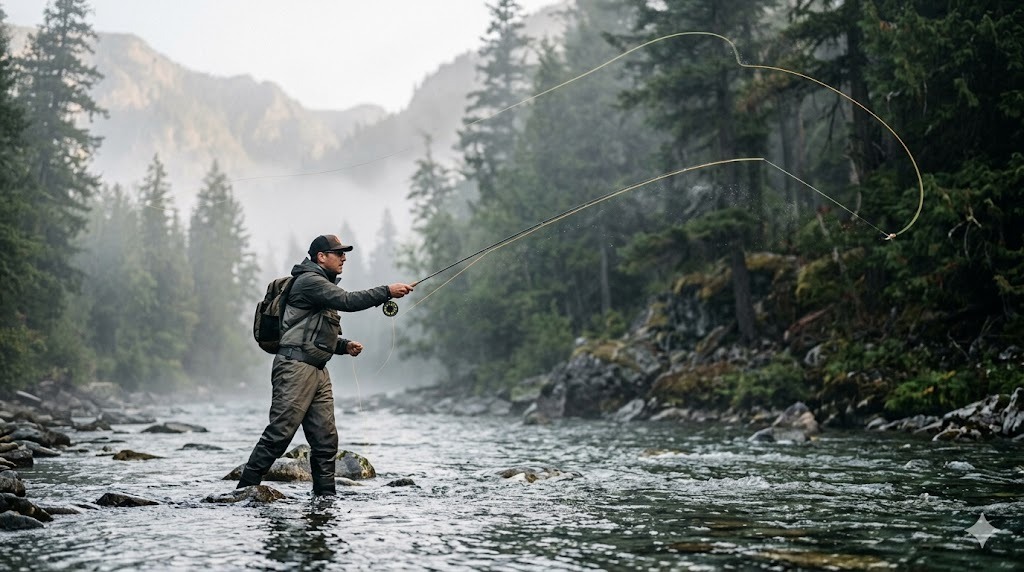
Chum are strong, deep-bodied fish, so tackle should be a step up from what pinks require. A medium to medium-heavy spinning or baitcasting rod with 12-20 lb line, or an 8 to 9 weight fly rod, gives the backbone to control a hard-pulling chum. For gear anglers, casting bright spoons and spinners or drifting a bright jig under a float works well. Fly anglers swing bright streamers on a sink-tip line to get down to holding fish. Use a strong leader and quality hooks; a fresh chum will test light gear, and its stubborn, bulldogging fight rewards tackle with enough strength to turn the fish.
Best Baits & Lures
Bright and flashy is the rule. Chartreuse and pink are the standout colors, and chum respond to them strongly. Bright spoons, spinners, and jigs in those colors are top gear choices, and a bright jig under a float is a simple, effective approach. Fly anglers do very well with bright chartreuse and pink streamers, especially flashy patterns swung in front of holding fish. Because chum are not feeding, the strike is a reaction to color, flash, and movement rather than an imitation of prey. Keep a good supply of chartreuse and pink offerings, and add flash to draw strikes from staging schools.
Techniques - How to Fish for It
The key technique is presenting a bright lure or fly into the holding water where staging schools rest, and provoking a reaction strike. For gear, cast a bright spoon or spinner across the run and retrieve it steadily through the school, or drift a bright jig under a float at the right depth through the seam. Fly anglers swing a bright chartreuse or pink streamer down and across on a sink-tip, letting it swim slowly in front of the fish, with grabs often coming as the fly hangs at the end of the swing. Keep the presentation slow and in the strike zone. When a fresh chum hits, hold on; the fight is powerful and dogged.
Common Mistakes
The most common mistake is missing the late run, either by fishing too early in the season or by not realizing chum arrive after most other salmon. Other errors: using tackle too light to control such a strong fish and getting broken off, and overlooking the tide in the near-tidal reaches where these fish stage. Ignoring the colors chartreuse and pink, which trigger chum far better than natural tones, costs strikes. For the table, keeping dark, near-spawning "calico" fish rather than bright, chrome ones is a classic eating-quality mistake, since chum lose quality quickly once they color up.
Size, Records & Eating Quality
The chum salmon is a large, robust salmon, often among the bigger Pacific salmon by weight and second only to the king in average size in many runs. Its deep body and hard-pulling fight make it feel even larger. On the table, bright, ocean-fresh chum is good, best eaten fresh or smoked; the flesh is a bit lighter and lower in oil than that of sockeye or king, and it deteriorates fast once the fish colors up, so bright fish taken low in the system eat far better than dark ones. The roe of the chum salmon is especially prized and is highly valued as premium salmon caviar.
Pros & Cons (as a target species)
Pros: a strong, dogged fighter that pulls hard for its size, a late run that extends the salmon season after other fish are done, good accessibility in lower rivers and tidal reaches, prized roe, and fine fresh or smoked eating from bright fish. It readily strikes bright lures and flies, making it a fun target on the swing. Cons: it is underrated and sometimes crowded out by higher-profile salmon, its flesh is leaner and drops in quality fast once it colors up, and success depends on catching fresh fish during the run. Cold, late-season weather is part of the deal.
Best Suited For
The chum salmon suits the angler who wants a hard fight late in the season, when other salmon runs have faded. It is excellent for bank and small-boat anglers working lower rivers and tidal water, and for fly anglers who enjoy swinging bright streamers for a strong, reactive fish. It also appeals to those who value the prized roe and fresh or smoked fillets from bright fish. Anglers chasing the richest table fare or the biggest trophy may prefer king or sockeye, but for a tough, accessible, late-run battler, the chum is a rewarding and often overlooked choice.
FAQ
What is the best lure for chum salmon? Bright chartreuse and pink offerings. A bright spoon, spinner, or jig, or a flashy chartreuse or pink streamer fly, works best. Chum strike out of aggression, so color and flash matter far more than natural imitation.
When do chum salmon run? Chum are a late run, typically arriving from fall into early winter, after most other Pacific salmon. This late timing is a signature of the species and a big part of its appeal for extending the season.
Are chum salmon good to eat? Bright, ocean-fresh chum is good, best eaten fresh or smoked. The flesh is leaner than sockeye or king and drops in quality fast once the fish colors up, so keep chrome fish taken low in the system. The roe is especially prized.
Why are they called dog salmon? Spawning males grow large, canine-like teeth, and the fish was long dried as winter food for sled dogs. Both facts gave the chum its common nickname, the dog salmon.
Do chum salmon fight hard? Yes. Fresh chum are strong, deep-bodied fish that pull with a dogged, stubborn power, often surprising anglers. They are underrated as sport fish and reward tackle with enough backbone to turn them.