Cisco
The cisco, also known as lake herring or tullibee, is a slender, silvery member of the whitefish family that schools in the cool, deep water of northern lakes.
🗓️ Last reviewed: July 2026
Overview
The cisco, also known as lake herring or tullibee, is a slender, silvery member of the whitefish family that schools in the cool, deep water of northern lakes. It lives two lives: a beloved forage species that feeds trophy lake trout, walleye, and pike, and a genuine sport and table fish in its own right. Anglers who target cisco discover a hard-hitting, fast-schooling quarry that responds beautifully to light jigging and small spoons, and that shines especially during ice-fishing season. On the plate it is prized, particularly smoked, where its rich, oily flesh comes into its own. Overlooked by many, the cisco rewards those who seek it.
Identification & Appearance
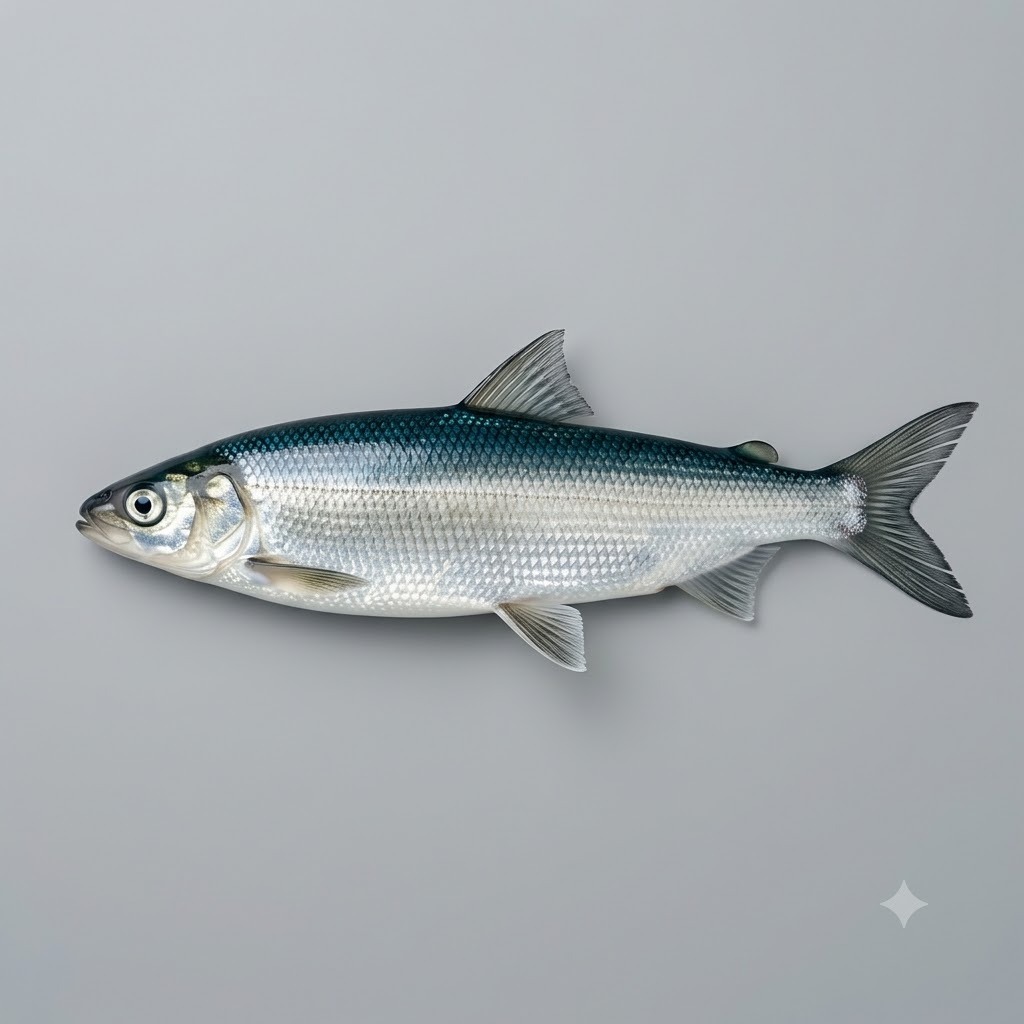
The cisco is a streamlined, herring-like fish with a compressed, silvery body that catches the light. Its back is often a deep blue-green to olive, its flanks are bright silver, and its belly is white. The scales are relatively large and reflective, giving a clean, metallic sheen. Like all whitefish, the cisco has a small adipose fin between the dorsal fin and the tail, a deeply forked tail, and a small, delicate mouth. The lower jaw typically projects slightly beyond the upper, distinguishing it from close whitefish relatives. It is a slender, elegant fish built for open-water schooling in cool depths.
Range & Habitat (US waters)
The cisco is a cold-water fish of the northern United States, most abundant in the Great Lakes region and across the deep, cool lakes of the Upper Midwest and the northern tier of states. It requires cold, well-oxygenated water and is a classic inhabitant of large, deep natural lakes. During much of the year it holds in the deeper, colder layers of the water column, suspending in open water over basins. As surface water cools in fall and through the ice-fishing season, cisco often move shallower and become far more accessible to anglers. Its dependence on cold, clean, deep lakes makes it a bellwether of northern lake health.
Behavior & Feeding
The cisco is a pelagic, open-water schooling fish that feeds primarily on zooplankton, tiny crustaceans, and aquatic insects, filtering the water column for small prey. It uses its small mouth and keen eyesight to pick off individual food items, which is why small, subtle presentations work best. Cisco travel in large, tightly packed schools that roam the open basin chasing plankton, so locating a school is the key to fast action. They are an important forage species, and predators like lake trout key on them heavily. When you find feeding cisco, the bite can be furious, with fish competing to take a small jig or spoon.
Best Seasons & Times to Catch
Fall and the ice-fishing season are prime for cisco. As surface water cools in autumn, cisco move up in the water column and toward shallower water, sometimes spawning over shallow reefs and shorelines late in the season, which concentrates fish and makes them highly catchable. Through winter, ice anglers enjoy some of the best cisco action of the year, jigging small spoons and jigs. In summer, cisco retreat to deep, cold water and require finding the right depth. Low-light periods and the transitional seasons generally produce the most active feeding.
Where to Find Them - Reading the Water
Cisco are an open-water, depth-oriented fish, so reading the water means reading the water column as much as the map. In summer, look deep, over the cool basin of a large lake where fish suspend at a comfortable temperature and oxygen level. In fall and winter, search shallower - over reefs, off points, and along shoreline drop-offs where cooling water and spawning draw fish up. Because cisco roam in schools chasing plankton, mobility pays off. On the ice, drilling several holes across a likely flat or reef and moving until you contact a school is the classic approach.
Tackle & Rigs
Light and finesse is the rule. A light or ultralight spinning rod or a sensitive ice-fishing rod, paired with a small reel and light line in the 4 to 8 lb range, matches the cisco's small mouth and light bite. Open-water anglers use small jigging setups, while ice anglers favor short, sensitive rods for detecting subtle takes. Because the fish has a delicate mouth, avoid heavy hooks and oversized offerings. Small jigging spoons, tiny jigs, and small hooks tipped with bait cover most situations. The emphasis throughout is on small, light, and subtle presentations that a plankton-feeding fish will confidently inhale.
Best Baits & Lures
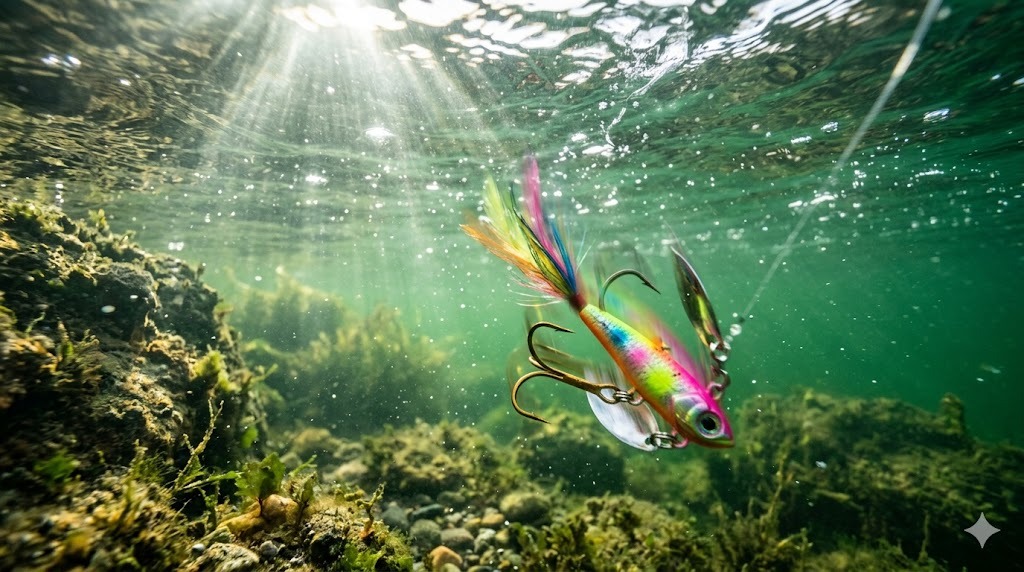
Small is the watchword. The most productive cisco presentations are small jigging spoons and small jigs, worked with a light, fluttering action that imitates the fish's zooplankton and insect prey. Tipping a jig or spoon with a bit of bait, such as a small piece of worm or a larva, adds scent and can trigger reluctant fish. Bright or flashy finishes help draw fish in open or deeper water, while natural, subtle offerings work when fish are finicky. Whatever the choice, keep it small to suit the cisco's delicate mouth.
Techniques - How to Fish for It
The core technique is light jigging, especially effective through the ice. Drop a small spoon or jig to the depth where fish are holding and work it with short, gentle lifts and pauses, imparting a subtle fluttering action on the fall - this often triggers the take. Watch your line or rod tip closely, as cisco frequently hit on the drop and bite lightly. When a school moves through, the action can be nonstop, so stay ready to re-drop. In open water, count the jig down to locate the feeding depth, then repeat that count. If a spot goes quiet, move to relocate the roaming school.
Common Mistakes
The most common mistake is using presentations that are too large and too heavy for a small-mouthed plankton feeder. Oversized spoons and thick hooks lead to missed and refused bites. Another frequent error is fishing the wrong depth - cisco suspend, so failing to find the exact level where the school is holding means casting into empty water. Anglers also err by staying put when the school has moved on; cisco roam, and mobility is essential. Setting the hook too hard on the light bite can tear free of the delicate mouth, and neglecting low-light and cold-season timing costs the best action of the year.
Size, Records & Eating Quality
The cisco is a modest-sized fish, typically running roughly 10 to 15 inches, with larger individuals in prime deep lakes, and it fights spiritedly for its size on light tackle. Where it truly excels is on the table. The flesh is rich and oily, and the cisco is especially prized smoked, where its fat content produces a moist, flavorful result that rivals better-known smoked fish. It is also excellent fresh when handled well. Beyond the plate, its ecological value is immense as a primary forage fish for lake trout and other predators, making healthy cisco populations a sign of a thriving cold-water fishery.
Pros & Cons (as a target species)
Pros: fast, furious action when a school is located, superb eating especially smoked, an excellent and accessible ice-fishing target, light-tackle fun that punches above its size, and an important, abundant fish in healthy northern lakes. Cons: requires cold, deep lakes and is absent from warmer waters, can be hard to locate as it roams and suspends, demands finesse gear and small presentations, and the delicate mouth means gentle handling and hooksets. It is also a seasonal fish, with the best action concentrated in fall and winter.
Best Suited For
The cisco suits the northern angler who loves finesse fishing and cold-weather action, especially the ice-fishing enthusiast. It is ideal for those who enjoy locating roaming schools and working small jigs and spoons with a light touch. Anglers who value fine eating, particularly smoked fish, will find it a top-tier catch. It rewards the mobile, observant angler willing to search the water column and move to stay on the school. For anyone fishing deep, cold northern lakes, the cisco is an underrated prize.
FAQ
What is a cisco, and is it the same as lake herring? Yes. Cisco, lake herring, and tullibee are common names for the same fish, a slender silvery member of the whitefish family that schools in cold, deep northern lakes.
What is the best way to catch cisco? Light jigging with small spoons and jigs, especially through the ice in winter. Work the lure with gentle lifts and pauses at the depth where the school is holding, and watch for light bites on the drop.
Are cisco good to eat? Very. The flesh is rich and oily and is especially prized smoked, producing a moist, flavorful result. They are also excellent fresh when handled well.
When is the best time to fish for cisco? Fall and the ice-fishing season. As water cools, cisco move shallower and become far more accessible, and winter offers some of the best action of the year.
Why are cisco important beyond fishing? They are a key forage fish. Predators such as lake trout, walleye, and pike feed heavily on cisco, so healthy cisco populations support the whole cold-water fishery.