Goldeye
The goldeye is a striking silvery river fish best known for its large, brilliant gold eyes and, on the table, for the famous smoked delicacy known as "Winnipeg goldeye." It is a member of the mooneye family, an ancient group of soft-rayed fishes, and it thrives in the turbid rivers and connected lakes of the central plains of North America.
🗓️ Last reviewed: July 2026
Overview
The goldeye is a striking silvery river fish best known for its large, brilliant gold eyes and, on the table, for the famous smoked delicacy known as "Winnipeg goldeye." It is a member of the mooneye family, an ancient group of soft-rayed fishes, and it thrives in the turbid rivers and connected lakes of the central plains of North America. Unlike most bottom-oriented river fish, the goldeye is an active feeder in the middle and upper water column, willing to take flies, small jigs, and bait, which makes it a genuinely fun light-tackle target. It fights well for its size, feeds aggressively, and offers a change of pace for river anglers looking for something different.
Identification & Appearance
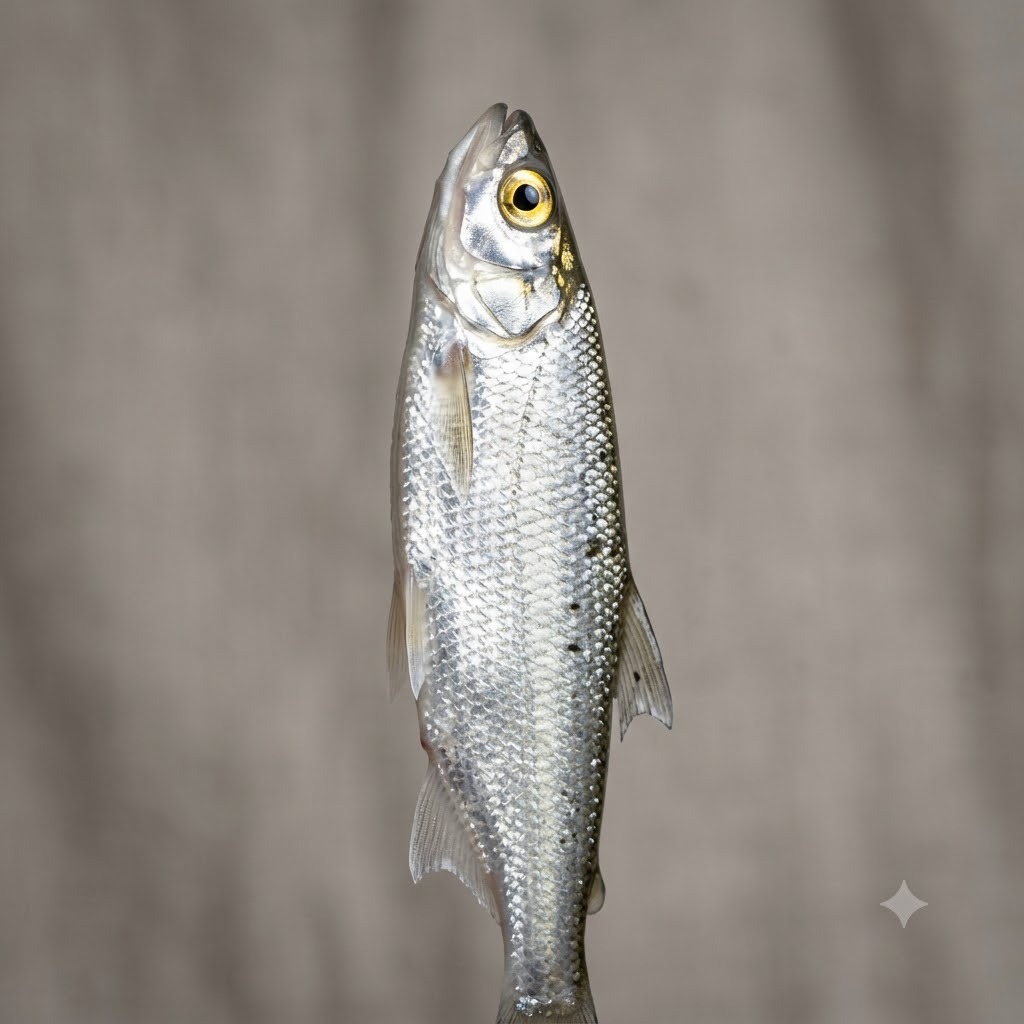
The goldeye is a slim, laterally compressed, bright silver fish with a deep body for its length and a distinctly rounded profile. Its signature feature is the large eye with a vivid gold-colored iris, unmistakable up close and the source of its name. The mouth is fairly large with sharp teeth on the jaws and tongue, reflecting its predatory feeding. A fleshy keel runs along the belly from the throat toward the vent. The goldeye closely resembles its relative the mooneye but can be separated by details of the eye color and the extent of the belly keel, with the goldeye showing its characteristic golden eye.
Range & Habitat (US waters)
Goldeye are fish of the large, silty rivers of the central United States and northward into Canada, common in the Missouri and Mississippi river systems and their major tributaries, as well as connected floodplain lakes and reservoirs. They favor turbid, slow to moderately flowing water and are well adapted to the murky conditions of prairie rivers. They gather in pools, eddies, backwaters, and the slack water below sandbars and current breaks. Their tolerance for turbid water lets them thrive where sight-feeding fish struggle, and they are often abundant in the very rivers that other game fish avoid.
Behavior & Feeding
The goldeye is an active, opportunistic feeder that hunts in the middle and upper water column, often near the surface, which is unusual among river fish and part of what makes it fun to catch. It feeds on aquatic and terrestrial insects, small fish, crustaceans, and other invertebrates, frequently rising to take insects off or just under the surface. Its large gold eye is adapted for feeding in low light and turbid water, and goldeye often bite well at dawn, dusk, and after dark. They travel and feed in schools, so where you catch one, more are usually nearby.
Best Seasons & Times to Catch
Late spring through summer and into early fall is the prime period, when warm water brings goldeye into active surface and mid-water feeding and insect hatches are abundant. Summer evenings can be excellent as fish rise to feed on emerging and falling insects. The low-light hours of dawn and dusk are consistently productive, and goldeye will often continue feeding after dark, taking advantage of their large light-gathering eyes. Stable warm weather and moderate river flows tend to produce the best action.
Where to Find Them - Reading the Water
Look for slack and moderate water in turbid rivers. Goldeye hold in eddies, the slower edges of current, pool tails, backwaters, and the calm water behind sandbars, wing dams, and other current breaks. They often feed near the surface, so watch for rising fish and dimples on the water in the evening. Because they school, working an eddy or seam thoroughly once you locate fish can produce steadily. In lakes and reservoirs connected to river systems, target the mouths of tributaries and current-influenced areas where goldeye gather.
Tackle & Rigs
A light spinning outfit with 4-8 lb line is well suited to goldeye, offering the sensitivity and fun that this modest-sized fish deserves. Fly anglers do very well with light fly tackle, casting small flies to rising fish. Effective rigs include a small jig fished under a light float or on a plain line, a small hook with a split shot and bait fished at mid-depth, and simple fly presentations. Because goldeye feed up in the water column, the key is keeping presentations off the bottom and in the zone where the fish are actively hunting.
Best Baits & Lures
Goldeye respond well to a variety of small offerings. Live and natural baits such as worms, small pieces of cut bait, and insects work well fished at mid-depth or near the surface. Small jigs, tiny spinners, and small spoons draw active strikes, and their willingness to take artificials is a big part of their appeal. Fly anglers score with small nymphs, wet flies, streamers, and dry flies during insect activity. The unifying theme is small, active presentations kept up in the water column rather than dragged along the bottom.
Techniques - How to Fish for It
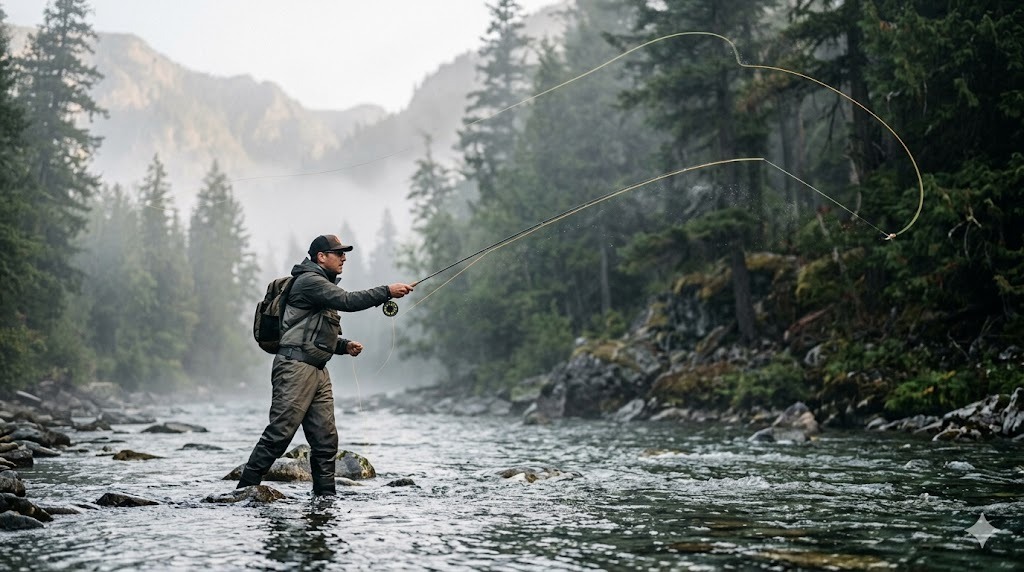
The most enjoyable technique is targeting feeding goldeye in the upper water column. In the evening, watch for rising fish in eddies and along current seams, then cast a small fly, jig, or baited hook into the activity and retrieve or drift it just under the surface. A small jig worked with gentle hops at mid-depth is a reliable searching method. Fly anglers can swing wet flies and streamers through eddies or present dries to risers. Because goldeye school, once you get a bite, keep working that spot and depth to stay on the fish.
Common Mistakes
A common mistake is fishing too deep - goldeye feed up in the water column, so baits dragged along the bottom often miss them. Using tackle that is too heavy is another error, since these are modest fish that are most fun and most catchable on light gear with small presentations. Handling requires care too: the goldeye's flesh is soft and it is a delicate fish, so rough handling damages both the catch and its table quality. Overlooking the evening bite and the low-light periods, when goldeye feed most actively, means missing the best fishing of the day.
Size, Records & Eating Quality
Goldeye are a modest-sized fish, typically running well under a pound to around a pound or so, with larger individuals reaching a respectable size for the species. Despite the small size, they are prized on the table, most famously as smoked "Winnipeg goldeye," a traditional delicacy in which the fish is smoked to firm up its otherwise soft flesh and develop a rich flavor. Fresh, the flesh is soft and must be handled and cooked carefully, but properly smoked goldeye is considered a true regional specialty and is the main reason many anglers keep them.
Pros & Cons (as a target species)
Pros: goldeye are willing biters that take flies, jigs, and bait; they feed near the surface, which makes for visual and engaging fishing; they school, so catches can come steadily; and they are excellent smoked. Cons: they are small, so they are not a fight-of-a-lifetime fish; the flesh is soft and does not keep well fresh, requiring smoking to shine; and they inhabit turbid rivers that some anglers find less appealing than clear water.
Best Suited For
Goldeye suit light-tackle and fly anglers who enjoy active, visual fishing for a willing surface and mid-water feeder, and who appreciate a fish that bites readily and schools. They are ideal for river anglers on the turbid prairie rivers where clearer-water game fish are scarce, and for anyone who values the traditional smoked goldeye on the table. They make a rewarding change of pace and a fine introduction to the underappreciated native fishes of the central river systems.
FAQ
Why is it called a goldeye? Because of its large eye with a brilliant gold-colored iris, an unmistakable feature and the easiest way to identify the fish.
What is the best way to catch goldeye? Fish small presentations - flies, small jigs, or baited hooks - up in the water column, especially near the surface during the evening rise. Goldeye feed high, not on the bottom, and they school.
Where do goldeye live? They inhabit large, turbid, slow to moderately flowing rivers of the central United States and northward, along with connected lakes and reservoirs, thriving in murky prairie-river conditions.
Are goldeye good to eat? Fresh, the flesh is soft and must be handled carefully, but smoked goldeye - the famous "Winnipeg goldeye" - is a prized regional delicacy with rich flavor and firmer texture.
What tackle should I use for goldeye? Light spinning gear with 4-8 lb line or light fly tackle is ideal. Keep presentations small and fish them at mid-depth or near the surface where the fish are feeding.