Grass Pickerel
The grass pickerel is the smallest member of the pike family in North America, a miniature version of the northern pike and muskellunge that tops out at a fraction of their size.
🗓️ Last reviewed: July 2026
Overview
The grass pickerel is the smallest member of the pike family in North America, a miniature version of the northern pike and muskellunge that tops out at a fraction of their size. It is often overlooked by anglers chasing bigger game, yet it delivers all the aggression and toothy attitude of its larger cousins on ultralight tackle. Hooking one on a small spinner in a weedy backwater feels far bigger than the fish actually is - they strike hard, dart, and put a healthy bend in a light rod. For panfish anglers, kids, and anyone who enjoys light-line fun in shallow, tangled water, the grass pickerel is an underrated and entertaining target that lives in places most people walk right past.
Identification & Appearance
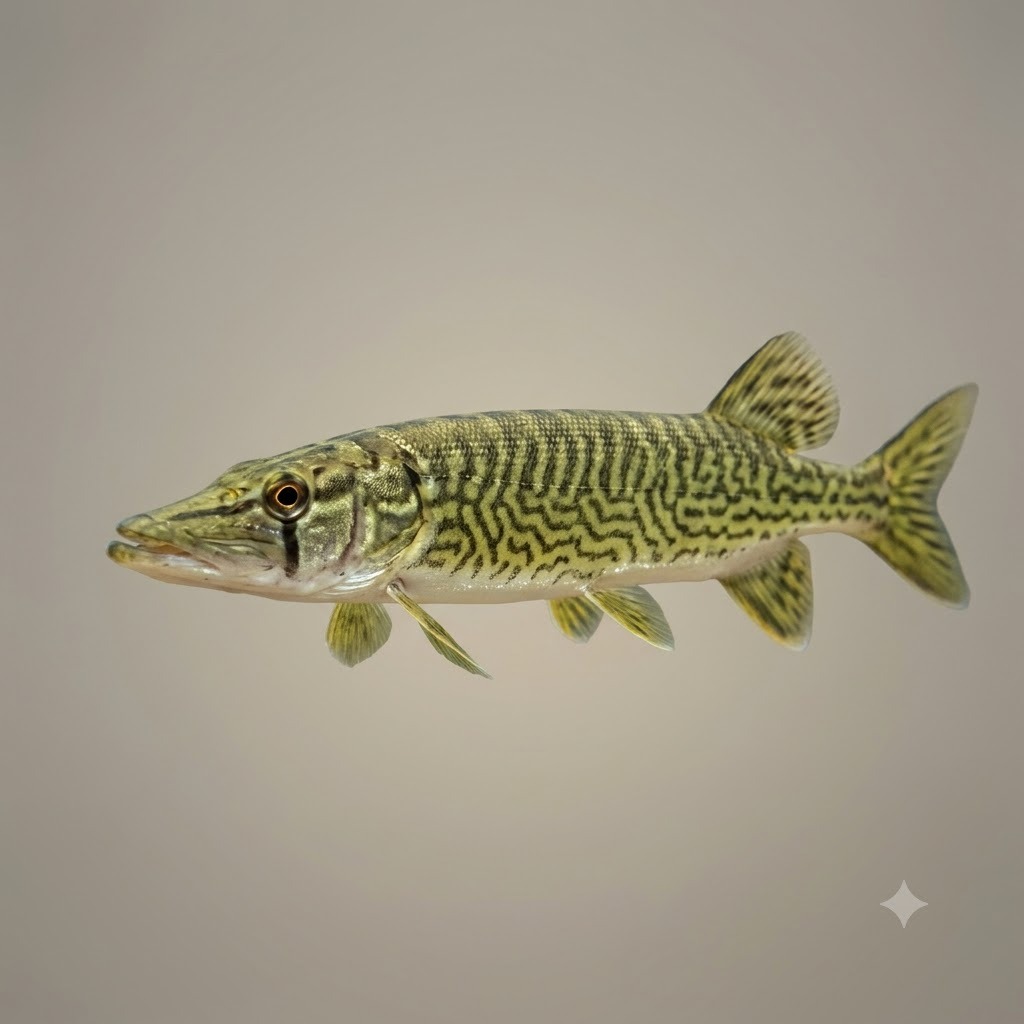
The grass pickerel has the classic pike-family shape: a long, slender, torpedo body with a single soft dorsal fin set far back near the tail, right above the anal fin. The mouth is a duck-bill of small, sharp teeth. Body color is olive to brownish-green along the back fading to a cream or yellow belly, marked with wavy, worm-like dark bars and a chain or net pattern along the flanks. A distinct dark vertical bar runs down through the eye, angled slightly backward - a reliable field mark. The closely related redfin pickerel shares the look; the two are subspecies and can be hard to tell apart. Do not confuse the grass pickerel with the much larger chain pickerel, which grows far bigger and shows a bolder chain-link pattern.
Range & Habitat (US waters)
Grass pickerel range across the central and eastern United States, from the Great Lakes region and the Mississippi drainage down through the South and east toward the Atlantic coast. They favor shallow, quiet, heavily vegetated water: the weedy backwaters and sloughs of slow rivers, the margins of ponds and small lakes, oxbows, ditches, marshes, and swampy creeks. Clear or lightly stained water with thick submerged and emergent vegetation is ideal. Because they are small and thrive in modest habitat, they can live in tiny waters that hold no other predator fish. They tolerate warm, slow water well but always relate closely to weeds and cover.
Behavior & Feeding
Like all pickerel and pike, the grass pickerel is a lie-in-wait ambush predator. It hangs motionless among weed stems and lily stalks, aimed at open lanes, then lunges with a quick burst to grab passing prey. For its size it is a fierce and greedy feeder. The diet is dominated by small fish - minnows, young sunfish, and other small forage - along with aquatic insects, crayfish, tadpoles, and the occasional small frog. It hunts by sight, so it is most active in daylight and low-light periods when it can see prey against the cover. Being cold-blooded and small, it feeds year-round but is most aggressive in the warmer months, still willing to chase a lure even under a thin sheet of ice.
Best Seasons & Times to Catch
Grass pickerel can be caught in every season, which is part of their appeal. Spring and fall are the best windows, when cooler water pushes the fish to feed actively in the shallows. In spring they move into the warmest shallow pockets early; in fall they feed hard before winter. Summer fishing is good in the morning and evening and in shaded, weedy water, though midday heat can slow the bite in the shallowest spots. Winter fishing works too - grass pickerel remain willing to strike small lures and baits through the cold, and are a common incidental catch for ice anglers in the northern part of their range. Overcast days with a light chop over the weeds often fish best.
Where to Find Them - Reading the Water
Think shallow and weedy. Grass pickerel hold in and along vegetation: the edges of weed beds, pockets and lanes within lily pads, submerged grass flats, fallen wood, and the shaded margins of backwater sloughs. Look for the transition where thick cover meets a small opening or a slightly deeper channel - that edge is where a pickerel waits to ambush. In small ponds and ditches, work the entire weed line methodically. In river systems, focus on the slack, weedy backwaters off the main current rather than the flow itself. Any spot that concentrates minnows against cover is likely to hold a grass pickerel.
Tackle & Rigs
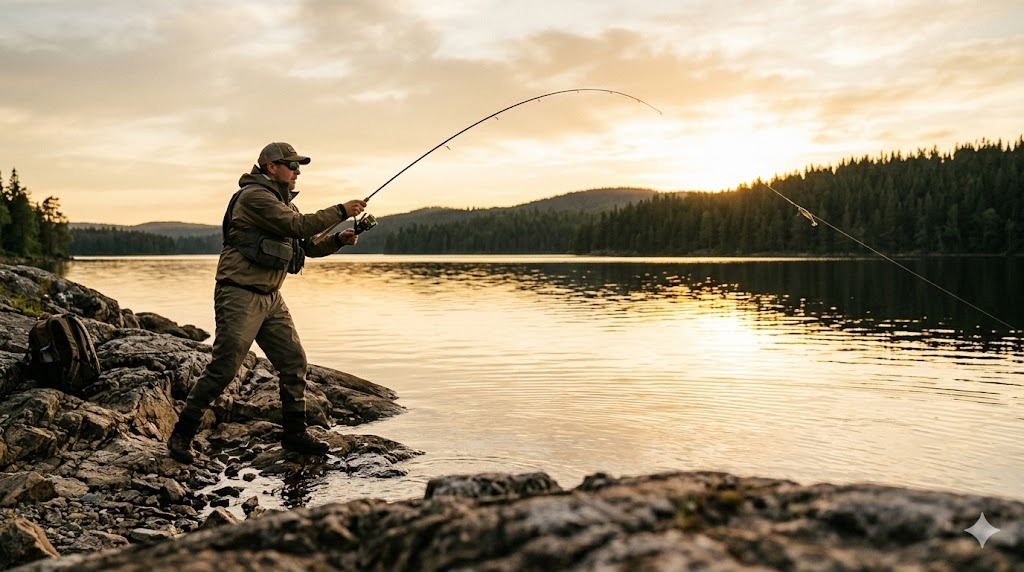
Light and ultralight tackle is the way to enjoy this fish. A light or ultralight spinning rod of 5 to 6.5 feet paired with a small spinning reel and 4 to 8 lb monofilament or braid is ideal and makes the fight fun. Because pickerel have sharp teeth, a short, light wire or heavy fluorocarbon leader of a few inches is smart to prevent bite-offs, though many anglers skip it and simply retie often. For live bait, a small minnow on a size 4 to 8 hook fished under a small float over the weeds is deadly. Keep everything scaled down to match the modest size of the fish and the tight, weedy water they live in.
Best Baits & Lures
Grass pickerel love flash and movement. Small inline spinners are the classic choice and hard to beat, along with tiny spoons, small spinnerbaits, and little minnow-imitating crankbaits and jerkbaits. Small soft-plastic swimbaits and curly-tail grubs on light jigheads also draw strikes. For live bait, small minnows are the top producer, with worms and small crayfish working as well. Because the fish hunt by sight, natural minnow and silver finishes shine in clear water while brighter chartreuse or gold help in stained water. Whatever you throw, keep it small - this is a fish with a modest mouth, and downsizing gets more bites.
Techniques - How to Fish for It
The most effective approach is a steady retrieve of a small spinner or spoon along and through weed edges and openings. Cast past likely cover and work the lure so it passes right along the ambush lane. Vary the speed and add occasional twitches to trigger the reaction strike pickerel are known for. Around thick weeds, a minnow or small swimbait fished under a float and twitched gently along the surface draws explosive hits. When a pickerel follows without committing, a sudden speed-up or pause often seals the deal. Set the hook with a firm but not violent sweep, and use pliers to unhook the fish safely past those small teeth.
Common Mistakes
The biggest mistake is using tackle that is too heavy, which turns a spirited little fish into a dead weight and dulls the fun. Another is fishing too far from cover - grass pickerel live tight to the weeds, so a lure in open water often goes ignored. Anglers also lose fish to bite-offs by skipping a leader entirely and then failing to check line for nicks. Retrieving too slowly through heavy vegetation causes constant snags, while retrieving with no variation fails to trigger reaction strikes. Finally, handling these toothy fish carelessly leads to nicked fingers - always use pliers or a grip to remove the hook.
Size Records & Eating Quality
The grass pickerel is a genuinely small fish. A typical adult runs roughly 6 to 10 inches, and a specimen approaching or passing a foot is a notably large one. Because of its small size, it is generally not sought as a food fish; the flesh is edible but thin and bony, and most anglers release these fish or keep them only incidentally. Their value is as light-tackle sport and as a colorful, willing target in small waters rather than as table fare. Handle them gently and release them to keep small-water fisheries lively for the next outing.
Pros & Cons (as a target species)
Pros: aggressive and willing to strike, great fun on ultralight tackle, available year-round including through the ice, lives in small and accessible waters that others ignore, and offers all the toothy pike-family excitement in miniature. Cons: small size means it is not a food fish and rarely a headline target, sharp teeth cause bite-offs and demand careful handling, they can be so eager they become a nuisance to anglers targeting panfish, and their tight weedy habitat leads to frequent snags.
Best Suited For
The grass pickerel suits ultralight and finesse anglers who enjoy a scrappy fight on light line, and it is a fantastic species for introducing kids to predatory fish because it strikes so readily. Pond and small-water anglers, kayak and bank fishers, and anyone exploring weedy backwaters will find them. Ice anglers in the northern range enjoy them as a spirited bonus catch. It is a species for anglers who value action and character over size.
FAQ
Are grass pickerel and chain pickerel the same fish? No. They are related members of the pike family but different species. The grass pickerel is much smaller, usually under a foot, while the chain pickerel grows far larger and shows a bolder chain-link pattern.
Do I need a wire leader for grass pickerel? It helps. Their small sharp teeth can nick or cut light line and cause bite-offs. A short light wire or heavy fluorocarbon leader prevents lost lures, though some anglers simply retie often on light line.
What is the best lure for grass pickerel? A small inline spinner is the classic and most reliable choice. Tiny spoons, small minnow-imitating crankbaits, and a live minnow under a float are also excellent.
Where should I look for grass pickerel? In shallow, weedy water - the edges and openings of weed beds, lily pads, and grassy backwaters of ponds and slow rivers. They ambush prey tight to cover, so fish along the vegetation.
Are grass pickerel good to eat? They are edible but small and bony, so they are rarely kept for the table. Most anglers treat them as light-tackle sport and release them.