Lake Whitefish
The lake whitefish is a cold-water native of the deep northern lakes, a silvery, streamlined member of the salmon and trout family that is prized far more for the table than for a dramatic fight.
🗓️ Last reviewed: July 2026
Overview
The lake whitefish is a cold-water native of the deep northern lakes, a silvery, streamlined member of the salmon and trout family that is prized far more for the table than for a dramatic fight. It has long supported major commercial fisheries across the Great Lakes and Canada, and among sport anglers it enjoys a devoted following, particularly through the ice, where its willingness to bite small jigs and its outstanding eating quality make it a winter favorite. Catching whitefish rewards patience, finesse, and an understanding of deep, cold water. For anglers who value a delicate hand, deep-water jigging, and one of the finest freshwater fillets there is, the lake whitefish is a quietly excellent target.
Identification & Appearance
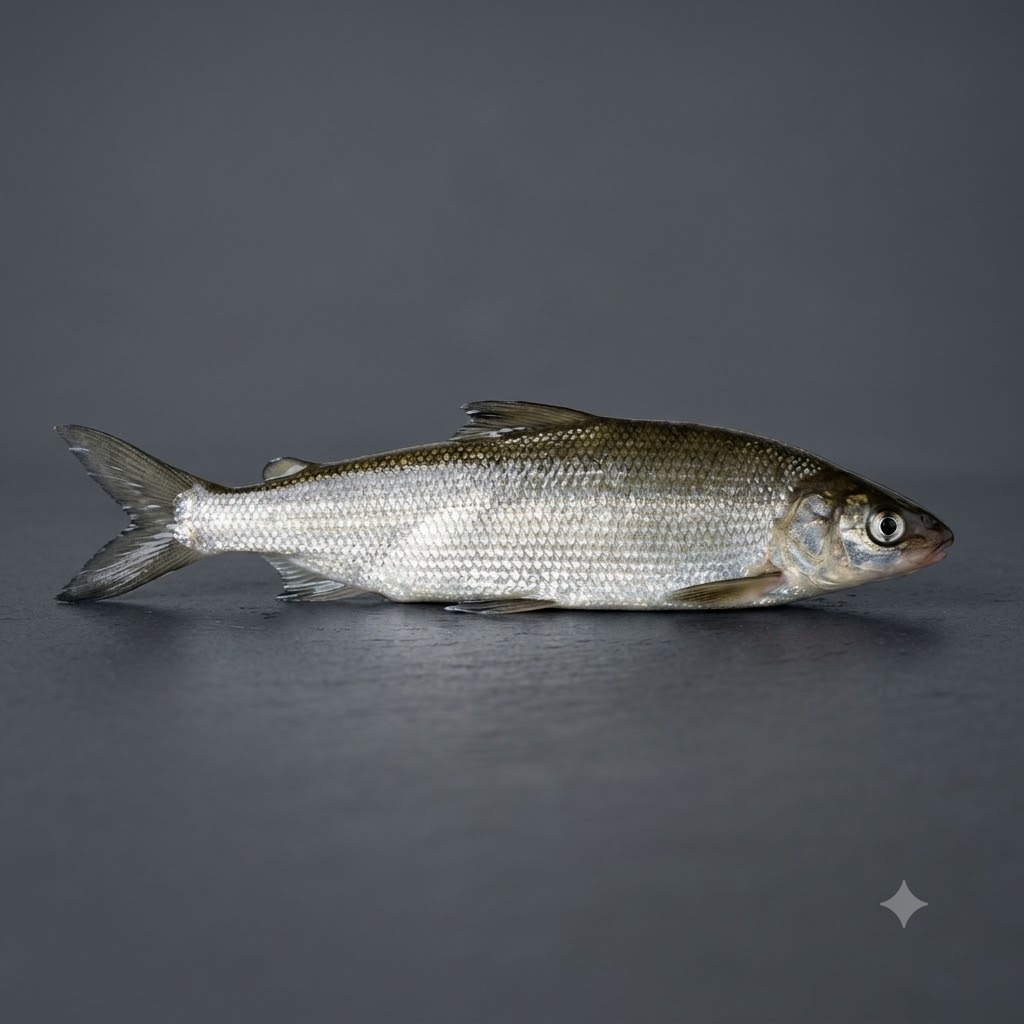
The lake whitefish is a slender, silvery fish with a small head and a distinctly small, somewhat downturned mouth set low on the snout - an adaptation for feeding on the bottom. The back is olive to pale brown or greenish, shading to bright silver sides and a white belly, with large, easily shed scales. Like other members of the salmon family, it has a small fleshy adipose fin between the dorsal fin and the deeply forked tail. The body is compressed from side to side and tapers to a small pointed head. Its small mouth, silvery color, and adipose fin distinguish it from suckers and from the closely related but more slender ciscoes, which have an upturned rather than downturned mouth.
Range & Habitat (US waters)
Lake whitefish are a northern species, native to the cold, deep lakes of the northern United States and across much of Canada. In the US they are most abundant in the Great Lakes, along with deep, cold lakes across the northern tier states such as those in the upper Midwest and the Northeast. They are a coldwater fish that spends most of the year in deep, cool, well-oxygenated water, often near the bottom over sand, gravel, or mud where they feed. They move shallower in late fall to spawn over rocky or gravelly shoals, then return to the depths. Their strong preference for cold, deep water shapes nearly every aspect of how they are caught.
Behavior & Feeding
The lake whitefish is primarily a bottom-oriented feeder, using its small downturned mouth to root out and pick prey from the lake floor. Its diet centers on aquatic insect larvae, small crustaceans, freshwater shrimp, snails, clams, and fish eggs, along with small fish and zooplankton at times. Feeding is deliberate rather than aggressive, and bites are often soft and subtle, which is a defining challenge in catching them. Whitefish frequently travel and feed in loose schools near the bottom, so locating one often means locating several. They remain active in cold water year-round, including under the ice, which makes them a mainstay of winter fishing in the north.
Best Seasons & Times to Catch
Winter is the signature season for lake whitefish, and ice fishing is how most sport anglers pursue them. Under the ice they school over deep flats and basins and take small jigs readily, providing some of the best whitefish action of the year. Late fall is also excellent as fish move toward spawning shoals and feed heavily, and this pre-spawn and spawning period concentrates them in more accessible depths. In open water, spring and early summer can produce fish before the water warms and pushes them deep, and midsummer fishing means going after them in cold deep water. Low-light periods of morning and evening are often the most productive times.
Where to Find Them - Reading the Water
Depth is the first thing to find. For most of the year, lake whitefish hold in deep, cold water near the bottom - the deep flats, basins, and drop-offs of large cold lakes. Electronics are a major help, since locating the right depth and spotting schools near the bottom is central to success. In late fall, look shallower around rocky and gravel shoals where the fish gather to spawn. Under the ice, target deep basins and the edges of deep flats, watching a flasher or graph for fish moving through near bottom. Because whitefish roam in schools, once you mark or catch fish at a certain depth, stay on that depth and that structure.
Tackle & Rigs
Finesse is essential for whitefish, largely because of their soft, delicate mouths and light bites. A light or medium-light rod with a sensitive tip, paired with a light spinning or ice-fishing reel and 4 to 8 lb line, is the standard, letting you detect subtle takes and avoid tearing the hook free from a soft mouth. For ice fishing, a light ice rod with a spring bobber or sensitive tip greatly improves bite detection. The most common and effective setup is a small jig tipped with bait, fished vertically near the bottom. A dropper or a small teardrop jig on light line, worked delicately, matches both the deep habitat and the whitefish's cautious feeding.
Best Baits & Lures
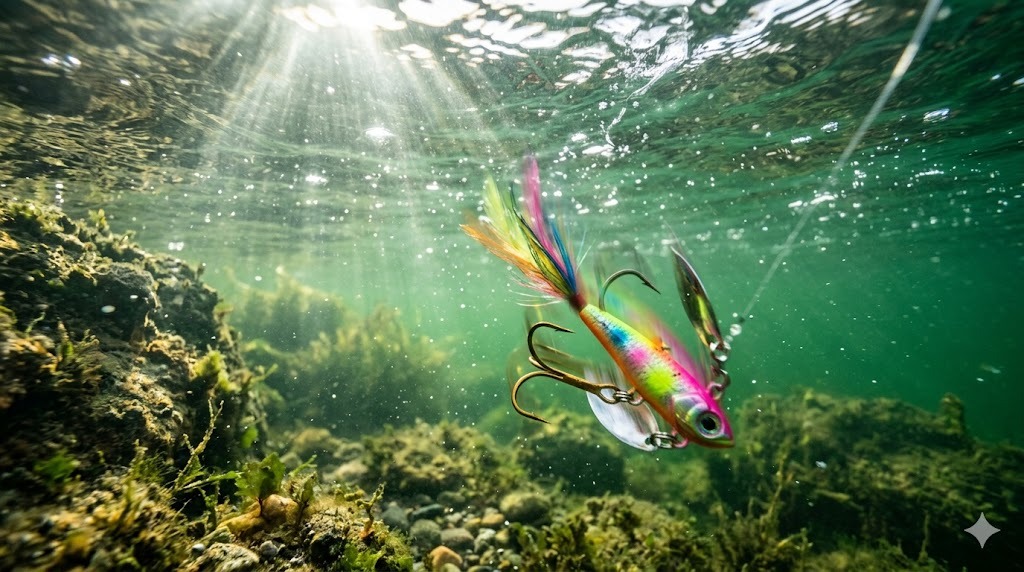
Small jigs are the heart of whitefish fishing, and they are typically tipped with bait to seal the deal. Small jigging spoons, teardrop and horizontal ice jigs, and small soft-plastic or hair jigs all produce when fished near the bottom. Tipping the jig with natural bait is key: waxworms, maggots (often called spikes), small minnows, and pieces of soft bait are all excellent, and fish eggs or gizzard-style soft baits can be very effective where legal. Because whitefish feed on small bottom organisms, subtle, small presentations outfish large flashy lures. Natural and subdued colors work well in the clear deep water they inhabit, with a touch of glow or bright accent helpful in low light and deep water.
Techniques - How to Fish for It
The core technique is vertical jigging near the bottom in deep water, most famously through the ice. Drop a small tipped jig down to the fish, then work it with gentle lifts, subtle shakes, and frequent pauses right in the strike zone, letting it settle back near the bottom where whitefish feed. Watch electronics and lift the lure to draw fish up, but be ready for the softest of takes - often just a slight tick, a lift of the line, or a change in the bite feel. Because the mouth is soft, set the hook with a smooth, firm lift rather than a hard jerk to avoid tearing free, then keep steady pressure while playing the fish up. Patience and attention to subtle strikes make the difference.
Common Mistakes
The most common mistake is fishing too aggressively - a hard, violent hookset tears the hook from the whitefish's soft mouth and loses the fish. Another is missing the subtle bites entirely by using insensitive tackle or not watching the line and electronics closely. Fishing the wrong depth is a frequent error, since whitefish relate tightly to specific deep zones; being even a few feet off the bottom can mean no bites. Using lures too large for their small mouths and modest prey also reduces success. Finally, giving up after one fish wastes the school - whitefish travel together, so staying on the spot and depth keeps the action going.
Size Records & Eating Quality
Lake whitefish are a moderate-sized fish. A typical catch commonly runs in the range of about 1 to 4 pounds, and a fish in the mid to upper single digits of pounds is a large, trophy-class whitefish worth celebrating. Their real fame is at the table: the flesh is white, delicate, mild, and slightly sweet, widely regarded as one of the finest-eating freshwater fish in North America. It is superb baked, pan-fried, and especially smoked, and whitefish supports both commercial food fisheries and a strong keep-for-the-table sport following. Handling the soft-fleshed fish carefully and keeping it cold preserves that excellent quality.
Pros & Cons (as a target species)
Pros: exceptional eating quality among the best in fresh water, willing biters especially through the ice, school up so catches can come in numbers, remain active in cold water year-round, and reward finesse skills and deep-water know-how. Cons: soft, delicate mouths mean many hooked fish are lost, bites are subtle and easy to miss, they require deep cold water and often electronics to locate, they are not strong fighters compared to bass or trout, and access to good whitefish water is limited to cold northern lakes.
Best Suited For
The lake whitefish suits anglers who love ice fishing and deep-water finesse, and who value a fish for the table above a hard fight. It is ideal for northern anglers with access to deep cold lakes, for those comfortable using electronics to find fish, and for patient anglers who enjoy detecting and reacting to subtle bites. Anyone who prizes a superb fillet - baked, fried, or smoked - will find the whitefish especially rewarding. It is a species for the thoughtful, gear-savvy angler who appreciates cold-water fishing and fine eating.
FAQ
Why do I keep losing lake whitefish after hooking them? Whitefish have soft, delicate mouths, so a hard hookset tears the hook free. Set the hook with a smooth, firm lift instead of a sharp jerk, and keep steady, even pressure while playing the fish up.
What is the best way to catch lake whitefish? Vertical jigging with a small jig tipped with bait near the bottom in deep water, especially through the ice in winter, is the most productive method. Sensitive tackle and electronics help greatly.
What do lake whitefish eat? They feed mostly on the bottom on aquatic insect larvae, small crustaceans, freshwater shrimp, snails, clams, and fish eggs, using their small downturned mouth. Small, subtle presentations match this diet best.
Are lake whitefish good to eat? Yes, exceptionally so. Their white, mild, slightly sweet flesh is among the best-eating freshwater fish, prized baked, pan-fried, and especially smoked.
Where do lake whitefish live? In cold, deep northern lakes, including the Great Lakes and deep lakes across the northern US. They spend most of the year in deep cold water near the bottom, moving shallow to spawn over shoals in late fall.