Pink Salmon
The pink salmon is the smallest and most abundant of the Pacific salmon, and in the years it runs it can turn a river into a living conveyor belt of fish.
🗓️ Last reviewed: July 2026
Overview
The pink salmon is the smallest and most abundant of the Pacific salmon, and in the years it runs it can turn a river into a living conveyor belt of fish. Nicknamed the "humpy" for the dramatic hump that spawning males grow, the pink salmon returns in staggering numbers, especially in odd-numbered years across much of its range. Its small size, willingness to bite, and sheer abundance make it one of the most beginner-friendly and family-friendly salmon to catch. When the humpies are in, an angler can hook fish after fish on light gear, and the fresh, mild fillets are fine on the table. It is salmon fishing at its most accessible.
Identification & Appearance
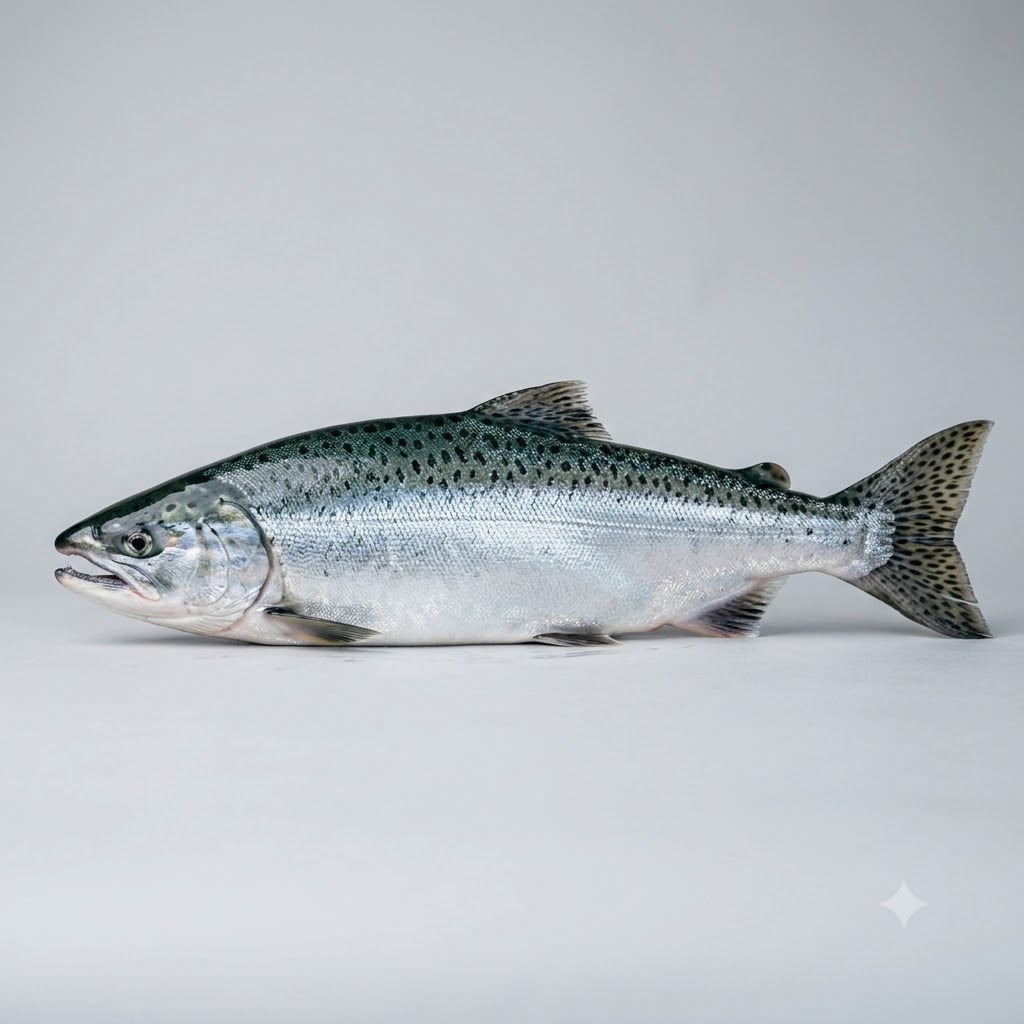
The pink salmon is the smallest Pacific salmon, slim and silvery in the ocean and at the river mouth. Its clearest field mark is the pattern of large, oval black spots on the back and especially all over both lobes of the tail; no other Pacific salmon has such big spots covering the whole tail. In the ocean it is bright silver with a bluish back; as it enters fresh water to spawn, the male develops a pronounced humped back and a hooked jaw, and both sexes darken with a mottled greenish-brown or pinkish color. The small size, tiny scales, and boldly spotted tail together make the pink salmon easy to tell apart from its larger cousins.
Range & Habitat (US waters)
In the United States, pink salmon run along the Pacific coast from Alaska south through Washington, with Puget Sound and its rivers hosting famous odd-year runs. Alaska holds the greatest abundance by far. Pinks are ocean fish that return to natal rivers to spawn, so the fishery follows them from salt water into the lower and middle reaches of coastal rivers and streams. They tend to spawn in the lower parts of rivers, often not far above tidewater, which keeps them accessible to bank and boat anglers alike. The strongest, most reliable runs in the Lower 48 come in odd-numbered years.
Behavior & Feeding
In the ocean, pink salmon feed on plankton, small fish, and crustaceans and grow quickly on a short two-year life cycle. As they return to fresh water to spawn, they stop feeding in earnest, but they will still strike small lures and flies out of aggression, territorial reflex, or leftover feeding instinct. Bright colors, especially pink, seem to trigger them strongly. Pinks travel in large schools and hold in the slower runs, pools, and tailouts of the lower rivers as they stage before moving up to spawn. Because they crowd into rivers in such numbers, hooking a striking fish is more about being where the school is than fooling a wary feeder.
Best Seasons & Times to Catch
The pink salmon run is a distinct, concentrated event, generally arriving from mid to late summer into early fall as the fish push in from the ocean. Timing is everything: when the run is on, the fishing is fast, and when it is not, the fish simply are not there. In much of the Lower 48, the strong runs come in odd-numbered years, so knowing whether it is an odd year matters as much as the calendar month. Within the run, low-light periods at dawn and dusk and the tide changes near river mouths often bring the best bites, though schools of aggressive pinks will strike through the day.
Where to Find Them - Reading the Water
Pinks hold in the softer water of the lower and middle river: the slower runs, deeper pools, seams beside faster current, and the tailouts of pools where staging schools rest. Near the salt, they stack up at river mouths and estuaries as they wait for the right conditions to run up. Look for rolling or porpoising fish that reveal a school, and for the classic staging water just off the main current where fish can hold without fighting the full flow. Because they move in waves with the tide and the run, the best spot today may be full and empty tomorrow, so watch for moving fish and follow the schools.
Tackle & Rigs
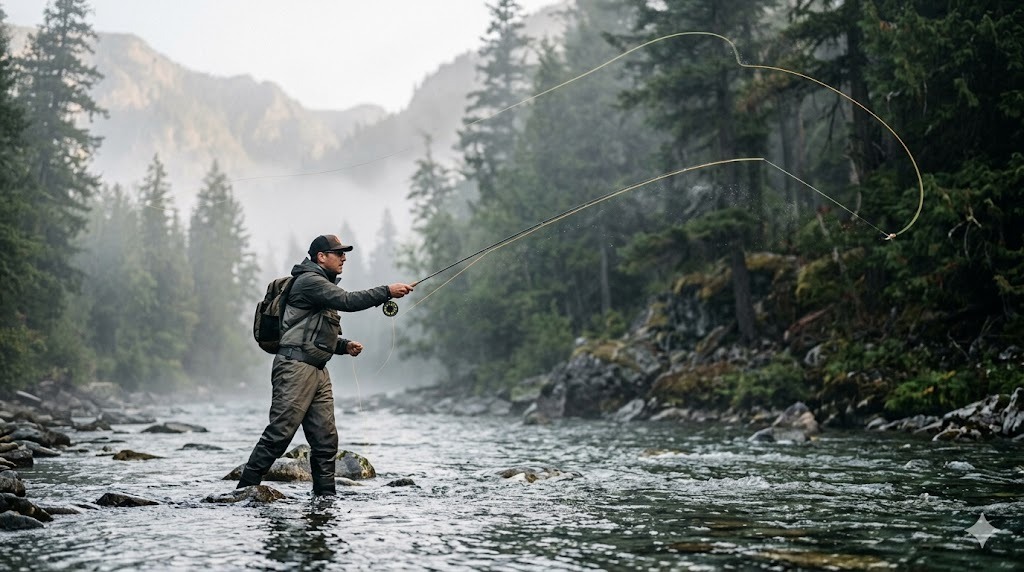
Because pinks are small, light tackle makes them a blast. A light to medium spinning or fly outfit is ideal; a 6 to 8 weight fly rod or a medium spinning rod with 8-12 lb line handles them well and keeps the sport in the fight. For gear anglers, a simple setup casting small spoons and spinners, or drifting a small jig under a float, covers most situations. Fly anglers do well swinging small bright streamers on a floating or light sink-tip line. Keep leaders modest and terminal tackle light; heavy gear is unnecessary for these fish and only dulls the fun.
Best Baits & Lures
Pink is the magic word. Small pink and bright-colored spoons, spinners, and jigs are the top producers, and a small pink jig fished under a float is a deadly and simple approach. Bright pink, chartreuse, and orange flies, especially small streamers and marabou patterns, draw plenty of strikes for fly anglers. Because these are not actively feeding fish, the trigger is color and movement rather than an imitation of natural food. Small lures generally out-produce large ones for pinks. Keep a good selection of pink offerings, and downsize if the fish are following without committing.
Techniques - How to Fish for It
The core technique is to present a small bright lure or fly through the holding water where the schools rest. For gear, cast a small pink spoon or spinner across and slightly upstream and retrieve it steadily through the run, or drift a pink jig under a float at the right depth through the seam and tailout. Fly anglers swing a bright streamer down and across, letting it hang in the current at the end of the swing where following fish often grab. Keep the presentation slow and in the strike zone; pinks will often chase and hit on the pause. When a school moves in, be ready for fast, repeated action.
Common Mistakes
The biggest mistake is fishing outside the run, either at the wrong time of year or, in the Lower 48, in an off year when few fish are present. Other errors: using tackle far too heavy for such a small fish, throwing lures that are too large, and ignoring the color pink, which triggers pinks better than anything else. Fishing too fast or too high in the water column misses fish that hold near the bottom in the seams. And because spawning pinks quickly lose quality, keeping colored, near-spawning fish for the table rather than bright, fresh ones from lower in the system is a common eating-quality mistake.
Size, Records & Eating Quality
The pink salmon is the smallest Pacific salmon, typically running a few pounds, with larger fish still modest compared to kings or coho. Its appeal is numbers, not size. On the table, fresh pink salmon is mild, light, and pleasant, best eaten fresh or lightly smoked; the flesh is softer and less rich than that of the larger salmon, and it deteriorates quickly once the fish colors up for spawning. For the best meal, keep bright, chrome fish taken low in the river or near the salt, and eat or process them promptly. Much of the world's canned salmon is pink salmon.
Pros & Cons (as a target species)
Pros: incredibly abundant in run years, easy to catch and beginner-friendly, great fun on light tackle, and often available from the bank near river mouths. When the run is on, the action is fast and generous, and the fresh fillets are a fine, mild meal. Cons: the run is short and, in much of the Lower 48, tied to odd years, so timing is critical. The fish are small, quality drops fast once they color up, and off-year rivers can be nearly empty of pinks. It is a boom-or-bust fishery driven entirely by the run.
Best Suited For
The pink salmon is perfect for beginners, families, and anyone wanting an accessible, high-action introduction to salmon fishing. Its light-tackle sport, forgiving abundance, and bank access make it ideal for new anglers and kids during a run. Fly anglers enjoy it as a fun, generous swing fishery. It also suits the angler who wants to catch and keep fresh salmon without traveling far or chasing wary trophy fish. Anyone who insists on big fish or year-round consistency will look elsewhere, but for a fast, friendly salmon run, the humpy delivers.
FAQ
What is the best lure for pink salmon? Anything small and pink. A small pink jig fished under a float, or a small pink spoon or spinner, is the top choice. Bright pink and chartreuse colors trigger strikes far better than natural tones.
When do pink salmon run? Generally from mid to late summer into early fall. In much of the Lower 48 the strong runs come in odd-numbered years, so knowing whether it is an odd year is as important as the month.
Are pink salmon good to eat? Yes, when fresh. Bright, chrome fish taken low in the river or near the salt are mild and pleasant, best eaten fresh or lightly smoked. Quality drops quickly once the fish color up for spawning.
Why are they called humpies? Spawning males grow a large, pronounced hump on the back along with a hooked jaw, which gives the pink salmon its common nickname, the humpy. Ocean-bright fish do not yet show the hump.
Do I need heavy gear for pink salmon? No. They are the smallest Pacific salmon, so a light or medium spinning rod or a 6 to 8 weight fly rod is ideal. Light tackle makes these small, willing fish much more fun to catch.