Quillback
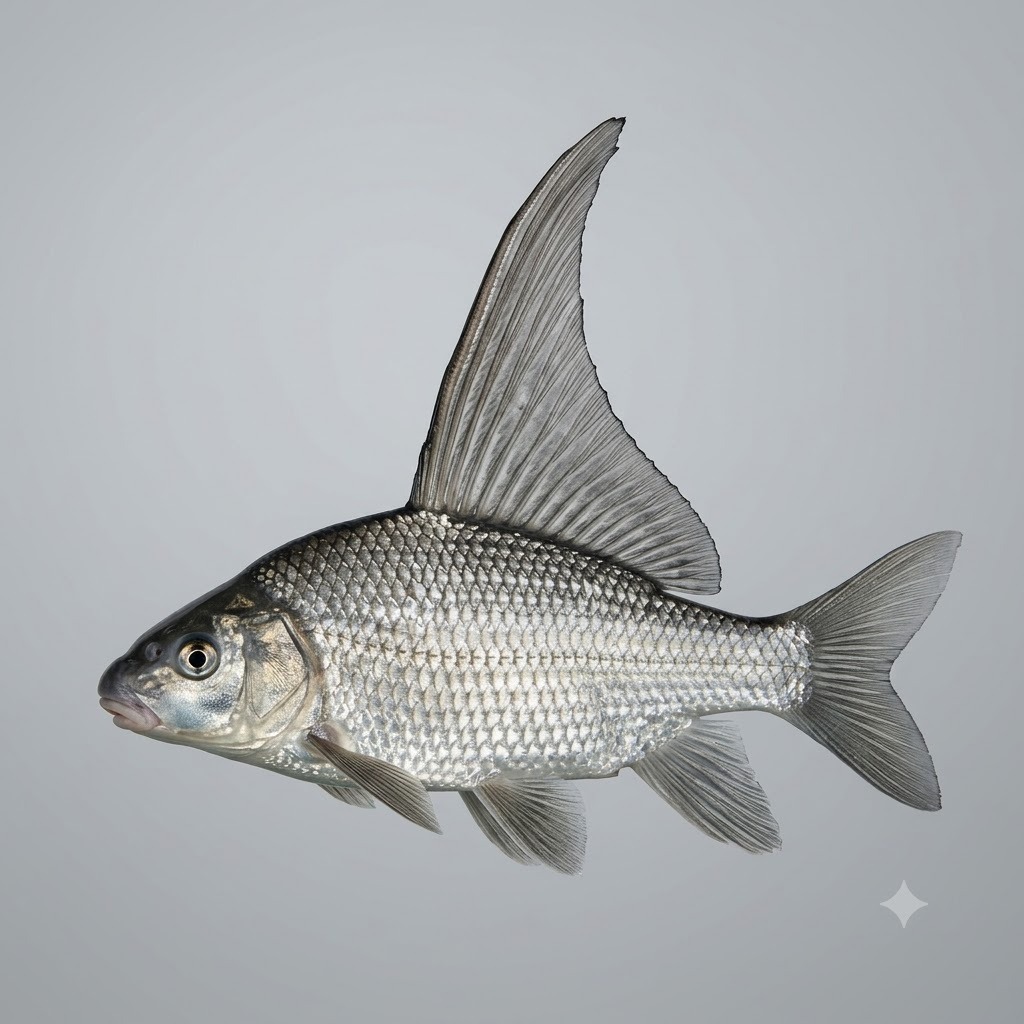
The quillback is a handsome native sucker, a member of the carpsucker group, often mistaken at a glance for a carp because of its silvery, deep-bodied shape.
🗓️ Last reviewed: July 2026
Overview
The quillback is a handsome native sucker, a member of the carpsucker group, often mistaken at a glance for a carp because of its silvery, deep-bodied shape. What sets it apart instantly is the tall, sail-like front of its dorsal fin, whose first rays extend into a long "quill" that gives the fish its name. Quillbacks live in clear to slightly turbid rivers and lakes across much of the eastern and central United States, feeding along the bottom on tiny organisms. They are not a glamour species and are most often caught as bycatch by anglers bottom-fishing for other fish, or taken by bowfishers, but they are a rewarding light-tackle target for anyone who enjoys the challenge of a subtle, bottom-feeding native fish.
Identification & Appearance
The quillback is a deep, laterally compressed, silvery fish with a small, downturned, sucker-type mouth on the underside of a blunt head. Its most distinctive feature is the greatly elongated front rays of the dorsal fin, which stand up like a sail or quill and are much longer than the rest of the fin. This trailing quill separates it clearly from a common carp. Just as important, the quillback has no barbels around its mouth, whereas the common carp has two pairs of fleshy barbels - this is the single most reliable way to tell them apart. The body is bright silver with a slightly darker back and clear-to-dusky fins.
Range & Habitat (US waters)
Quillbacks range widely through the Mississippi, Great Lakes, and many Atlantic and Gulf drainages across the eastern and central United States. They prefer moderate to large rivers with clean, flowing water and firm to sandy bottoms, but they also inhabit clear lakes, reservoirs, and the pools of medium rivers. They tend to avoid heavily silted, sluggish backwaters, favoring cleaner water than many other suckers. Look for them in the deeper runs and pools of rivers, over sand and gravel, and along the current edges where they graze the bottom.
Behavior & Feeding
The quillback is a bottom feeder that uses its downturned, protrusible sucker mouth to vacuum small invertebrates, insect larvae, tiny crustaceans, and organic matter from the substrate. It roots gently along sand and gravel, taking small food items with a soft, deliberate bite rather than an aggressive strike. This delicate feeding style is why anglers rely on small baits fished right on the bottom and why bites can be so subtle. Quillbacks often travel in loose groups over the same productive feeding areas and become more active in the warmer months when invertebrate life is abundant.
Best Seasons & Times to Catch
Spring through fall is the productive window, with the warm months from late spring into summer offering the most consistent bottom feeding as insect and invertebrate activity peaks. Quillbacks often move into and concentrate in river runs and pool tails during spring, which can make them easier to locate. Warm, stable weather and moderate river flows tend to produce the best fishing. On a daily basis, the low-light hours of early morning and evening can be productive, though bottom-feeding suckers will feed through the day when conditions are right.
Where to Find Them - Reading the Water
Focus on clean-bottomed rivers and clear lakes. In rivers, look to the deeper runs, the tails of pools, and current seams over sand and gravel, where quillbacks graze along the bottom. Slack pockets just off the main current, the downstream edges of gravel bars, and the transitions between fast and slow water are all worth a bait. In lakes and reservoirs, target firm-bottomed flats and channels. Because these fish relate so strongly to the bottom and to clean substrate, finding the right bottom type is often more important than anything else.
Tackle & Rigs
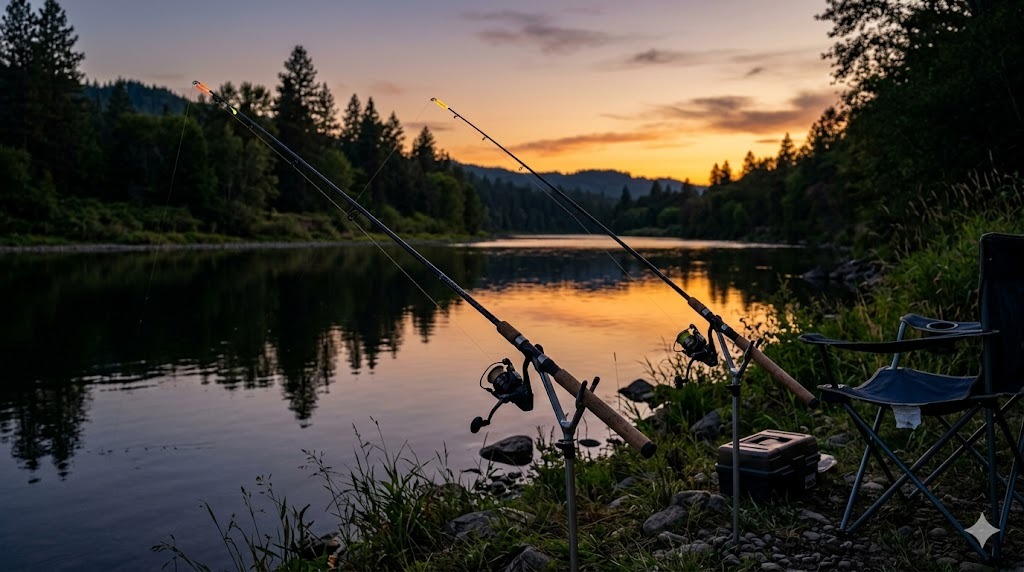
A light or medium-light spinning outfit with 6-10 lb line is ideal for quillbacks, giving enough sensitivity to detect their soft bite. The standard approach is a simple bottom rig: a small hook baited and pinned to the bottom with a light sinker, either on a sliding-sinker setup or a light three-way rig so the fish can take the bait without feeling the weight. Small hooks matter, because the quillback's mouth is modest in size. Where legal, bowfishing gear is used to take quillbacks as well, since they are often visible over clean, shallow substrate.
Best Baits & Lures
Quillbacks are caught on small, natural baits fished on the bottom. Nightcrawlers and red worms are the classic choice, presented as a small piece rather than a big gob to suit the fish's small mouth. Other effective baits include small bits of dough or bread, and occasionally tiny pieces of other natural forage. Lures are generally ineffective because quillbacks feed by grazing invertebrates rather than chasing prey, so a subtle, still-fished bait on the bottom is the reliable approach. Keeping baits small and presentations delicate is the key.
Techniques - How to Fish for It
The core technique is patient bottom fishing. Cast a small worm-baited bottom rig into a likely run or pool tail, let it settle on clean substrate, and keep the line just tight enough to feel a bite. Quillback takes are soft - often just a gentle tap, a slow tightening, or the line easing off to the side - so watch the line and rod tip closely and set the hook with a smooth, deliberate motion rather than a hard yank. Fishing multiple spots along a river to locate feeding groups pays off, as does downsizing baits and hooks when bites are tentative.
Common Mistakes
The most common mistake is confusing a quillback with a common carp and missing the identification - remember, no barbels and a tall quill on the dorsal fin mean quillback. On the fishing side, using hooks and baits that are too large for the fish's small mouth leads to missed bites, as does failing to keep the bait firmly on the bottom where these fish feed. Setting the hook too hard or too early on a soft, tentative bite is another frequent error. Impatience is the enemy - quillback fishing rewards a slow, attentive approach.
Size, Records & Eating Quality
Quillbacks are a modest-sized fish, commonly running from about one to a few pounds, with larger individuals reaching a solidly respectable size for a sucker. The flesh is white and reasonably flavorful but, like many suckers, it is bony with numerous fine intramuscular bones. Traditionally, suckers of this type are often smoked, which softens the small bones, or ground and processed into patties. Many anglers release them, while others harvest them where legal for smoking or the table, appreciating them as a clean-water native species.
Pros & Cons (as a target species)
Pros: quillbacks are a native, clean-water species that offers a subtle light-tackle challenge, they are widespread, they can be caught on simple and inexpensive bottom rigs, and they are handsome fish with a distinctive look. Cons: their bites are soft and easy to miss, they will not chase lures so the fishing is slow-paced, the flesh is bony, and they are often caught only incidentally, meaning few anglers deliberately pursue them.
Best Suited For
Quillbacks suit patient anglers who enjoy light-tackle bottom fishing and the quiet satisfaction of catching a native, clean-water fish that most people overlook. They are a good match for bank anglers and river waders who like a simple, low-cost approach and the challenge of detecting subtle bites. They are also of interest to bowfishers and to anglers who enjoy learning to identify and appreciate the full range of native fish, including the often-ignored suckers.
FAQ
How do I tell a quillback from a common carp? Two quick checks: a quillback has a tall, elongated front dorsal fin ray - the "quill" - and it has no barbels around its mouth. A common carp has short barbels and a normal dorsal fin. No barbels means quillback.
What is the best bait for quillback? A small piece of nightcrawler or red worm fished on the bottom is the top choice. Keep the bait small to match the fish's modest, downturned mouth.
Do quillbacks bite hard? No. Their bite is soft and subtle - often just a gentle tap or a slow tightening of the line. Watch the line closely and set the hook with a smooth, deliberate motion.
Where do quillbacks live? They favor clean, flowing rivers with sand and gravel bottoms, as well as clear lakes and reservoirs, across much of the eastern and central United States. They avoid heavily silted, sluggish water.
Are quillbacks good to eat? The flesh is white and mild but bony. Like other suckers, they are often smoked to soften the fine bones or ground into patties. Many anglers release them.