Redbreast Sunfish
The redbreast sunfish is one of the most beautiful and spirited panfish in North American waters, a river-loving jewel that punches above its size on light tackle.
🗓️ Last reviewed: July 2026
Overview
The redbreast sunfish is one of the most beautiful and spirited panfish in North American waters, a river-loving jewel that punches above its size on light tackle. Where the bluegill rules ponds and lakes, the redbreast is the sunfish of moving water - streams, rivers, and their cover-rich pools and runs. It is instantly recognizable by its brilliant orange breast and the long, black ear flap that flares off the gill cover. For the ultralight and fly angler, few fish are more rewarding: aggressive, willing, and gorgeous, the redbreast delivers nonstop action in accessible flowing water.
Identification & Appearance
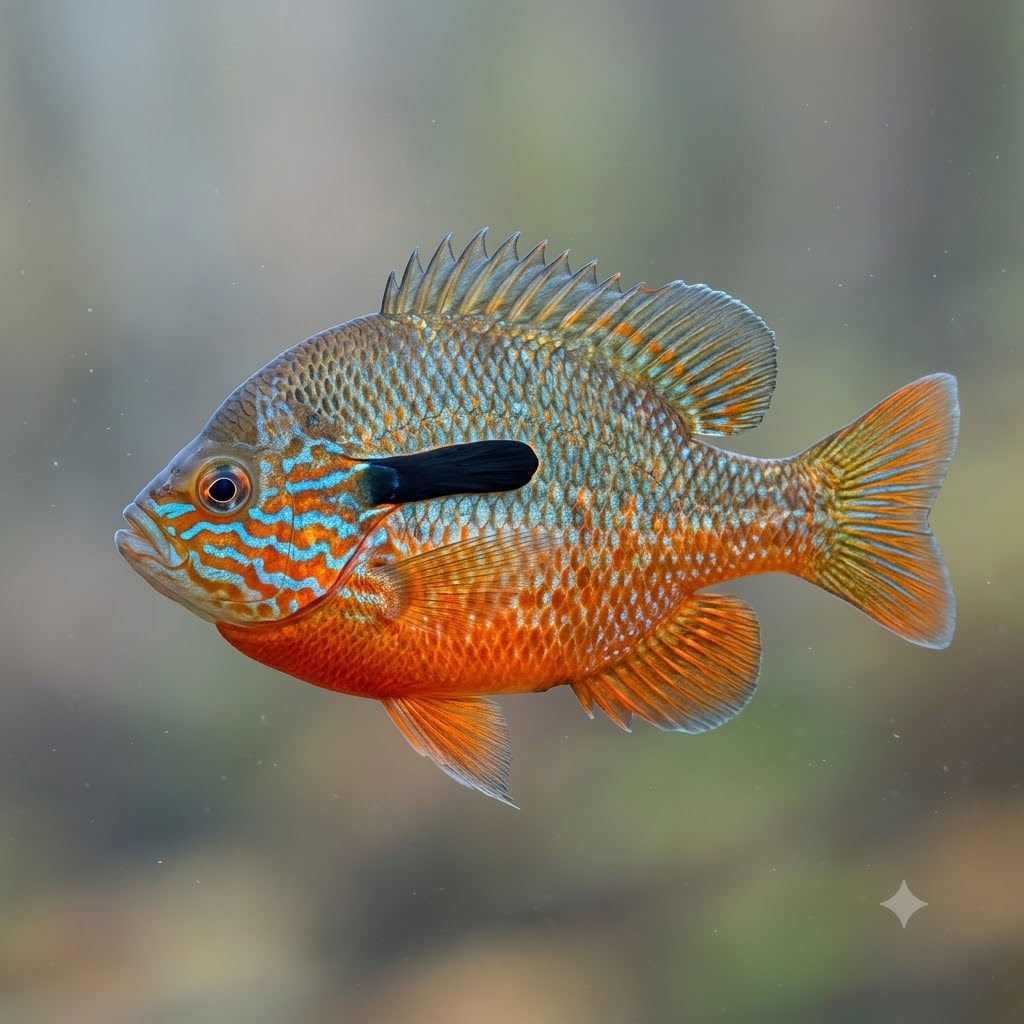
The redbreast sunfish is a stunning fish, especially the breeding male. Its most striking feature is a bright orange to reddish breast and belly that gives the fish its name, set against a body flecked with blue-green and olive and streaked with wavy blue lines on the face. The signature identifier is the ear flap: a long, narrow, entirely black extension of the gill cover, notably longer than that of most other sunfish. The body is the typical compressed, rounded sunfish shape, and the mouth is small. The wavy blue cheek lines, long all-black ear flap, and orange breast make the redbreast easy to distinguish from bluegill and other panfish.
Range & Habitat (US waters)
The redbreast sunfish is native to the streams and rivers of the eastern United States, especially the Atlantic coastal drainages, and has been introduced elsewhere. Unlike many sunfish that favor still water, the redbreast is fundamentally a fish of moving water. It thrives in creeks, streams, and rivers with clear-to-moderate flow, holding in pools, runs, and slower pockets near cover. It relates strongly to structure - undercut banks, submerged logs and roots, rocks, and overhanging vegetation that break the current. It also occupies the slower backwaters and connected ponds of river systems.
Behavior & Feeding
The redbreast sunfish is an aggressive, opportunistic feeder that hunts near cover in moving water. It preys on aquatic and terrestrial insects, small crustaceans, larvae, snails, and small fish, snatching food from the drift and picking it off structure. Living in current, it holds near cover and darts out to intercept food carried by the flow, then returns to shelter. This ambush-from-cover behavior makes it a willing striker for anglers who present a bait or lure near structure. Redbreast are spirited and pull hard for their size, using the current to their advantage. They feed actively and are most aggressive through the warmer months.
Best Seasons & Times to Catch
Late spring and summer are prime for redbreast sunfish. As water warms, the fish become highly active and aggressive, feeding heavily and moving onto spawning areas, which concentrates fish and makes for fast action. The spawn brings colorful males onto their beds in the shallows, where they defend nests fiercely and strike readily. Summer fishing stays excellent, especially during the low-light hours of morning and evening and in shaded, cover-rich water during the heat of the day. Fall offers continued action as fish feed ahead of cooler weather. In the warm season, an overcast day or the cooler edges of the day generally produce the most consistent feeding.
Where to Find Them - Reading the Water
Read the river for cover and current breaks. Redbreast sunfish hold where flowing water meets shelter - along undercut banks, around submerged logs, roots, and brush, near rocks and boulders that break the current, and under overhanging vegetation. Target the slower pockets, pool edges, and eddies adjacent to faster water, where fish wait for the current to deliver food. In spring, look to shallow, protected areas near cover where fish spawn. Work the seams between current and slack water and place casts tight to any piece of structure.
Tackle & Rigs
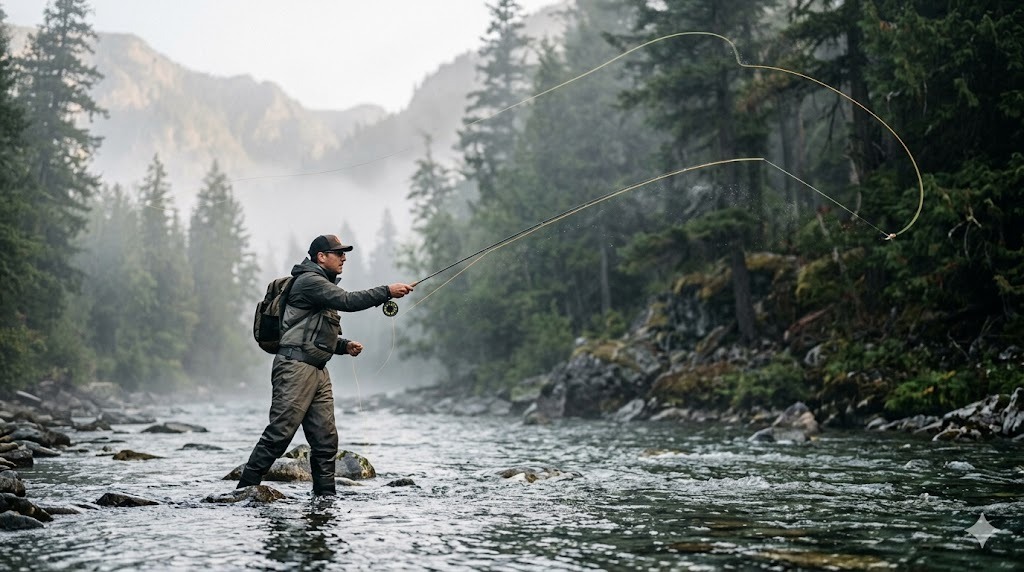
The redbreast sunfish is a light-tackle delight. An ultralight spinning rod with 2 to 6 lb line is ideal, offering both the sensitivity to feel the bite and the sport to enjoy the fish's spirited fight. Fly anglers love the redbreast, and a light fly rod is a superb tool for it. Simple rigs win: a small hook with a light split shot for bait, or a small float rig to drift a bait along a seam and over cover. Small hooks matched to the fish's little mouth are essential. The overall approach is light, sensitive, and simple, letting the angler place small offerings near cover and enjoy the strong pull on downsized gear.
Best Baits & Lures
Redbreast sunfish eat a wide variety of small offerings. For live bait, worms, crickets, grasshoppers, and other insects are excellent, presented near cover. On artificials, small in-line spinners, tiny jigs, and small soft plastics draw aggressive strikes, while fly anglers do especially well with small poppers, foam bugs, and nymphs. Topwater poppers and bugs are a particular thrill, drawing surface strikes from these aggressive fish. Whatever the choice, keep offerings small to match the little mouth, and place them tight to cover and along current seams.
Techniques - How to Fish for It
The core technique is presenting a small bait or lure near cover in moving water and letting the current do the work. Cast tight to a log, undercut bank, or rock, and drift or swing the offering naturally along the seam where slack meets current, keeping it near the structure where fish hold. For fly anglers, drifting a nymph or working a small popper along cover-lined banks is deadly and great fun. With spinners and jigs, cast past the cover and retrieve or swing the lure past the ambush point. The strike is quick and aggressive, so stay alert, then let the ultralight rod absorb the redbreast's strong, darting fight.
Common Mistakes
The most common mistake is using tackle that is too heavy, which robs the angler of the redbreast's spirited fight and dulls the sensitivity needed for its quick bite. Another error is fishing the wrong water - hunting redbreast in still ponds while overlooking the moving water and cover they prefer. Anglers also miss fish by keeping offerings too far from structure; the redbreast holds tight to cover and current breaks, so casts must be placed close. Hooks and lures too large for the small mouth cost strikes, and fishing open water away from seams simply misses the fish's preferred lies.
Size, Records & Eating Quality
The redbreast sunfish is a modest-sized panfish, commonly running several inches to a hand-sized fish, with the larger specimens providing a genuinely satisfying tussle on ultralight gear. What it lacks in size it makes up in spirit and beauty. On the table, redbreast are good eating like other sunfish, with sweet, mild, white flesh, and a mixed stringer of panfish makes an excellent meal. Many anglers, though, prize the redbreast mainly for its color and fight and practice selective harvest. Fish from clean, flowing water are best for eating, and the redbreast's fine flavor rounds out an already rewarding light-tackle species.
Pros & Cons (as a target species)
Pros: a beautiful, aggressive, and spirited fighter on ultralight and fly gear, widely available in accessible streams and rivers, willing to strike a broad range of small baits and lures including topwater, great fun for anglers of all ages, and good eating. Cons: a small size that will not satisfy anglers seeking trophies, a preference for moving water that requires seeking out the right habitat, a small mouth that demands downsized offerings, and best action limited to the warmer months. It is a species valued for fun and beauty rather than size.
Best Suited For
The redbreast sunfish is ideal for the ultralight and fly angler who loves fast, spirited action in accessible flowing water. It is a perfect species for beginners and families thanks to its willingness to bite and the fun it delivers on light gear, and it rewards those who enjoy reading current and placing casts tight to cover. Fly anglers seeking colorful, aggressive fish and surface strikes on small poppers will find it a delight. Anyone who values beauty, spirit, and nonstop action over size will treasure it on a warm summer river.
FAQ
How do I identify a redbreast sunfish? Look for a bright orange to reddish breast, wavy blue lines across the cheek, and above all a long, narrow, entirely black ear flap off the gill cover - longer than on most other sunfish. These marks separate it from bluegill and other panfish.
Where is the best place to catch redbreast sunfish? In moving water - creeks, streams, and rivers - holding near cover such as undercut banks, logs, roots, and rocks, in the slower pockets and seams beside current. They favor flowing water over still ponds.
What is the best tackle for redbreast sunfish? Ultralight spinning gear with light line or a light fly rod. Both let you feel the quick bite and enjoy the fish's strong, spirited fight, and both suit the small offerings the fish prefers.
What baits and lures work best? Worms, crickets, and other insects for bait, and small spinners, tiny jigs, small soft plastics, and small poppers or nymphs on the fly. Topwater poppers draw exciting surface strikes.
Are redbreast sunfish good to eat? Yes. Like other sunfish they have sweet, mild, white flesh and make fine eating, best from clean flowing water. Many anglers also prize them for their color and fight and practice selective harvest.