Redhorse Sucker
The redhorse sucker is one of the most overlooked native game fish in America, and that is a shame - it is a strong-fighting, clean-water fish that will humble anglers who dismiss it as a "trash fish." Several species make up the redhorse group, all belonging to the genus Moxostoma, and they share a torpedo shape, a downturned sucker mouth, and, in many species, striking reddish fins.
🗓️ Last reviewed: July 2026
Overview
The redhorse sucker is one of the most overlooked native game fish in America, and that is a shame - it is a strong-fighting, clean-water fish that will humble anglers who dismiss it as a "trash fish." Several species make up the redhorse group, all belonging to the genus Moxostoma, and they share a torpedo shape, a downturned sucker mouth, and, in many species, striking reddish fins. Redhorse thrive only in clean, flowing water, so catching one is a sign of a healthy river. They pull hard, run in current, and reward the angler who bottom-fishes a simple worm rig in moving water. Bony but flavorful, redhorse have a long tradition of being smoked or canned, and a growing number of anglers now target them on purpose for the sport and the meal.
Identification & Appearance
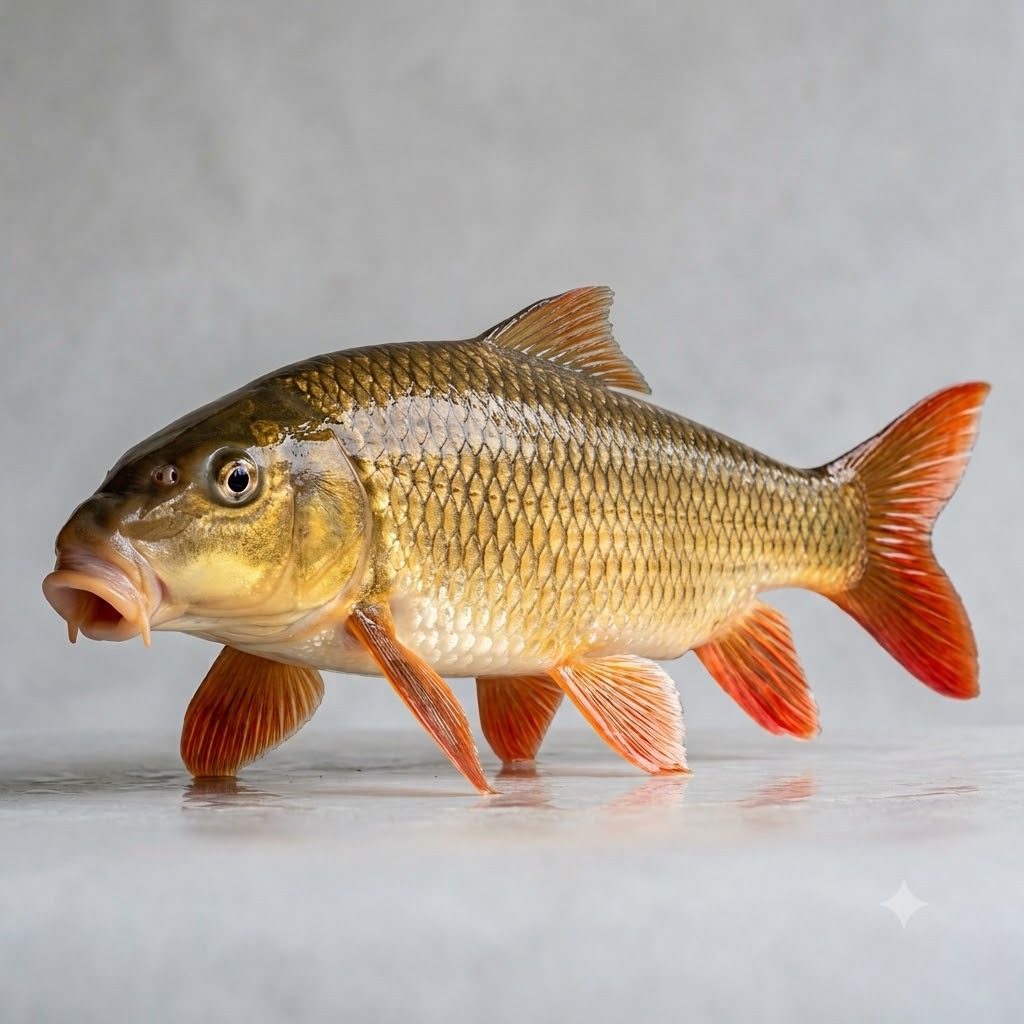
Redhorse are streamlined, medium-sized suckers with a slightly downturned mouth on the underside of the head, adapted for feeding along the bottom. The body is typically bronze, gold, or olive on the back fading to a silvery-white belly, with large, coarse scales that give a chain-mail look. The standout field mark for many species is the fin color - the tail and lower fins range from orange to bright red, which is where the name comes from. Different redhorse species can be tricky to separate and often require looking at lip shape and scale counts, but as a group they are easy to recognize by the combination of sucker mouth, big scales, torpedo body, and reddish fins.
Range & Habitat (US waters)
Redhorse are native across much of the eastern and central United States, found throughout the Mississippi, Ohio, Great Lakes, and Atlantic drainages, with different species dominating different regions. They are creatures of clean, flowing water: medium to large rivers, clear streams, and the flowing sections of reservoirs. They favor moderate current over gravel, cobble, and sand bottoms, and they are intolerant of heavy pollution and siltation, which is why their presence signals good water quality. They avoid stagnant, muddy water and are most common in rivers with visible flow, riffles, and clean runs.
Behavior & Feeding
Redhorse are bottom-oriented feeders that use their fleshy, protrusible lips to vacuum invertebrates off the river bottom. Their diet is mostly aquatic insect larvae, small mollusks, crustaceans, and other tiny bottom organisms. They feed by rooting through gravel and sand, often in groups, working the bottoms of runs and the edges of riffles. In spring they migrate upstream and gather in shallow, gravelly areas to spawn, sometimes in large, visible congregations. They are wary and use current to their advantage; hooked in flowing water, a redhorse turns its broad side to the current and fights with surprising, dogged power.
Best Seasons & Times to Catch
Spring is the standout season. As water warms, redhorse move upstream and stage in shallow, gravelly runs to spawn, concentrating fish and making them accessible to bank anglers. This spring run is the best window to catch numbers of them. Fishing stays good through summer and into fall wherever there is clean, flowing water, with early morning and evening often most productive in warm weather. Redhorse feed in cooler water too, so they can be caught across a long season. Stable flows after any high, muddy water tend to produce the best bites, once the river clears and settles.
Where to Find Them - Reading the Water
Focus on clean, moving water with a bottom of gravel, cobble, or sand. The best spots are the deeper runs just below riffles, the tail-outs of pools, and current seams where fast water slows. Redhorse hold where the current delivers food to the bottom, so look for that transition from riffle to run. In spring, search shallow gravelly flats and riffle edges where fish gather to spawn. Undercut banks, the downstream side of gravel bars, and the slower water beside the main current all hold fish. The key is clean flow over a hard, food-rich bottom.
Tackle & Rigs
A medium spinning or light baitcasting outfit with 6-10 lb line is plenty - enough backbone to handle current and a hard-pulling fish, but light enough to enjoy the fight. The go-to rig is a simple bottom rig: a small bait-holder hook on a short leader below an egg sinker or a bottom-bouncer sinker heavy enough to hold in the current. A basic Carolina-style setup or a slip-sinker rig both work well. Because redhorse have small, downturned mouths, use a modestly sized hook and thread the bait neatly. Keep it simple - this is honest, effective bottom fishing.
Best Baits & Lures
Redhorse are bait feeders, and nothing beats a nightcrawler or a piece of one fished right on the bottom. Other proven baits include red worms, small pieces of crawler, and, in some waters, small bits of natural bottom forage. They rarely chase lures, since they feed by grubbing along the bottom rather than pursuing prey, so bait is the clear choice. Present a natural, unweighted-looking bait that drifts and settles in the current. A worm on the bottom in flowing water, drifted through a clean run, is the classic and most reliable redhorse offering.
Techniques - How to Fish for It
Cast a bottom-rigged worm upstream or across, let it settle, and allow the current to sweep it slowly along the river floor while keeping a semi-tight line to feel the bite. Redhorse takes are often subtle - a soft tap or a slow tightening - so watch the line and rod tip closely. When you feel steady weight, set the hook with a firm sweep. Fish the deeper runs below riffles and the tail-outs of pools where fish stage. Because they often feed in groups, once you catch one, keep working the same run - more fish are usually holding right there.
Common Mistakes
The most common mistake is dismissing redhorse entirely and never fishing for them. Beyond that: using too much weight and dragging the bait unnaturally through the current; missing the soft, subtle bite because of a slack line; fishing muddy or stagnant water where redhorse do not live; and setting the hook too hard or too fast on the light take. Another error is fishing dead water instead of clean flow over gravel. Match your weight to the current so the bait holds gently on the bottom, and stay attentive - the strike is easy to miss.
Size, Records & Eating Quality
Most redhorse run from about a pound up to several pounds, with larger specimens providing a genuinely strong fight in current. They are bony fish, with many small intercostal bones, so they are not a fillet-and-fry species in the usual sense. Traditionally they are prepared by scoring the flesh to cut the fine bones, then frying, or by smoking or canning, which softens the bones and yields a rich, tasty product. The flesh is firm and flavorful when the fish come from clean water. Handled and prepared right, redhorse are genuinely good eating.
Pros & Cons (as a target species)
Pros: strong, dogged fighters in current; abundant and often ignored, so waters are uncrowded; a sign of clean, healthy rivers; catchable on simple, inexpensive bottom rigs; and good eating when smoked or canned. Cons: bony flesh that takes extra preparation; subtle bites that are easy to miss; a bad and undeserved reputation that keeps most anglers away; and a need for clean, flowing water, so they are absent from stagnant or polluted systems.
Best Suited For
Redhorse suit the angler who enjoys simple, hands-on river fishing and does not need a glamorous target to have a great day. They are ideal for bank fishers, for anglers introducing kids to steady action on bottom rigs, and for those who appreciate a strong fight from an underrated native fish. Anyone who values clean rivers, quiet uncrowded water, and the tradition of smoking or canning their catch will find the redhorse a rewarding and honest pursuit.
FAQ
Are redhorse suckers good to eat? Yes, when they come from clean water. They are bony, so most people score the flesh before frying, or smoke or can them, which softens the small bones. Prepared this way, the firm, flavorful flesh makes fine eating.
What is the best bait for redhorse? A nightcrawler or piece of worm fished right on the bottom is the top choice. Redhorse feed by grubbing along the river floor for invertebrates, so a natural worm drifted through a clean run is the most reliable offering.
Why are redhorse considered a sign of clean water? Redhorse are intolerant of pollution and heavy siltation. They need clean, flowing, well-oxygenated water over hard bottoms, so a healthy redhorse population indicates good water quality in that river or stream.
When is the best time to catch redhorse? Spring is best. As water warms, redhorse migrate upstream and gather in shallow, gravelly runs to spawn, concentrating fish where bank anglers can reach them. Fishing stays good through summer and fall in clean flowing water.
Do redhorse fight hard? Yes. Hooked in current, a redhorse turns its broad side to the flow and fights with surprising, stubborn power. On light tackle they are a genuinely enjoyable and hard-pulling fish that surprises anglers who underestimate them.