Atlantic Cod
Few fish carry the history and prestige of the Atlantic cod.
🗓️ Last reviewed: July 2026
Overview
Few fish carry the history and prestige of the Atlantic cod. For centuries this cold-water groundfish fed nations, launched fishing fleets, and shaped the economies of the North Atlantic. For anglers, cod remain an iconic target - a heavy, deliberate fighter pulled up from rocky bottom and wrecks in cold, often rough water, and the source of the classic flaky white fillet that defines "fish and chips." Cod are caught by jigging and by bait fishing over hard bottom, usually from party boats and charters that steam out to productive ledges and wrecks. Because Atlantic cod stocks are heavily managed after decades of pressure, seasons and limits are tight and change often. Anyone chasing cod must check the current regulations first - this is a fishery defined as much by rules as by the fish.
Identification & Appearance
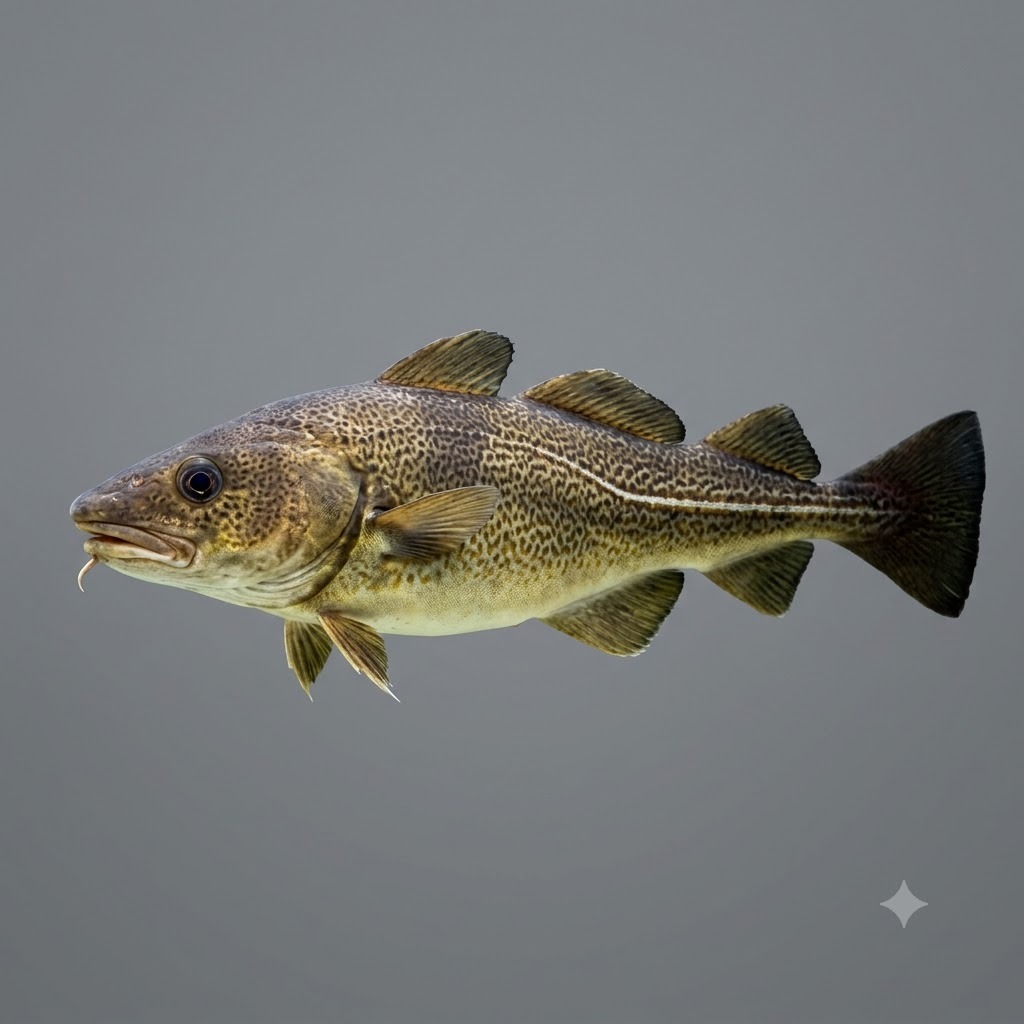
Atlantic cod are a heavy-bodied, elongated groundfish with a large head, a blunt snout, and a distinctive single barbel dangling from the chin - a key identifying feature. They have three rounded dorsal fins and two anal fins, all soft-rayed, and a squared-off tail. Color varies with habitat from greenish and olive to sandy brown or reddish, heavily speckled with small darker spots across the back and flanks, fading to a pale belly. A pale, curved lateral line runs conspicuously along each side. Their large mouth is built to engulf fish, crabs, and shellfish whole. Cod can grow large and long-lived, developing a thick, deep body. The chin barbel, mottled speckling, pale lateral line, and three dorsal fins together make the cod easy to tell from its relatives like pollock and haddock.
Range & Habitat (US waters - inshore / offshore)
In US waters, Atlantic cod inhabit the cold North Atlantic from the Gulf of Maine and Georges Bank south along New England, with the fishery centered off Massachusetts, New Hampshire, Maine, and Rhode Island. They are a cold-water fish and are most abundant where water stays cool.
Cod are groundfish that hold near the bottom over rocky reefs, boulder fields, gravel and hard bottom, ledges, and wrecks. Depths range widely, from relatively shallow inshore rockpiles in the cold months to offshore banks and deep wrecks in 100 to several hundred feet. They relate strongly to structure and hard bottom that concentrates their prey. Seasonally, cod may move shallower and closer to shore when water is cold and retreat to deeper, cooler water as it warms, which shapes when inshore anglers can reach them.
Behavior & Feeding
Cod are opportunistic, near-bottom predators with big appetites. That large mouth lets them engulf a wide diet - small fish like sand eels and herring, crabs, lobsters, shrimp, clams, squid, and other invertebrates - much of it rooted or grabbed off hard bottom. They hunt by sight and by using the chin barbel and lateral line to detect prey near the bottom, which lets them feed effectively in the low light and cold of deep northern water. Cod often hold tight to structure and hard bottom, moving up slightly to intercept a jig or bait swept by the current. They tend to feed steadily rather than in explosive bursts, and a school over good bottom can provide consistent action once located.
Best Seasons & Times to Catch
Cod fishing is a cold-water game. Where seasons are open, the best angling is typically in the colder months - late fall, winter, and early spring - when cod move onto inshore and mid-depth structure and water temperatures suit them. As water warms in summer, cod retreat deeper and farther offshore. That said, the overriding factor is regulation: Atlantic cod stocks are heavily managed, and open seasons, size limits, and bag limits are tight and change from year to year and area to area. The legal season often matters more than the seasonal biology. Calm-weather windows in the cold months, fished over the right bottom on moving current, offer the best combination of access and active fish.
Where to Find Them - Reading the Water
Cod are all about hard bottom and structure. Target rocky reefs, boulder piles, gravel bottom, ledges, humps, and wrecks - the rougher and more broken the bottom, the better. A quality sounder that marks hard, irregular bottom and shows bait and fish holding near it is essential for finding cod. Look for structure swept by current, which concentrates bait and positions cod to feed. The up-current edges and tops of wrecks and rockpiles are classic. In cold months, productive bottom can lie relatively close to shore; in warmer months, you must run farther out to deeper banks and wrecks. Party boats and charters key on well-known pieces of hard bottom for exactly this reason.
Tackle & Rigs
Cod fishing calls for stout tackle to handle heavy fish, deep water, current, and snag-filled bottom. A medium-heavy to heavy conventional rod of 6.5 to 7 feet paired with a sturdy conventional reel is standard, spooled with 30-65 lb braid for thin diameter, low stretch, and good bottom feel in deep water.
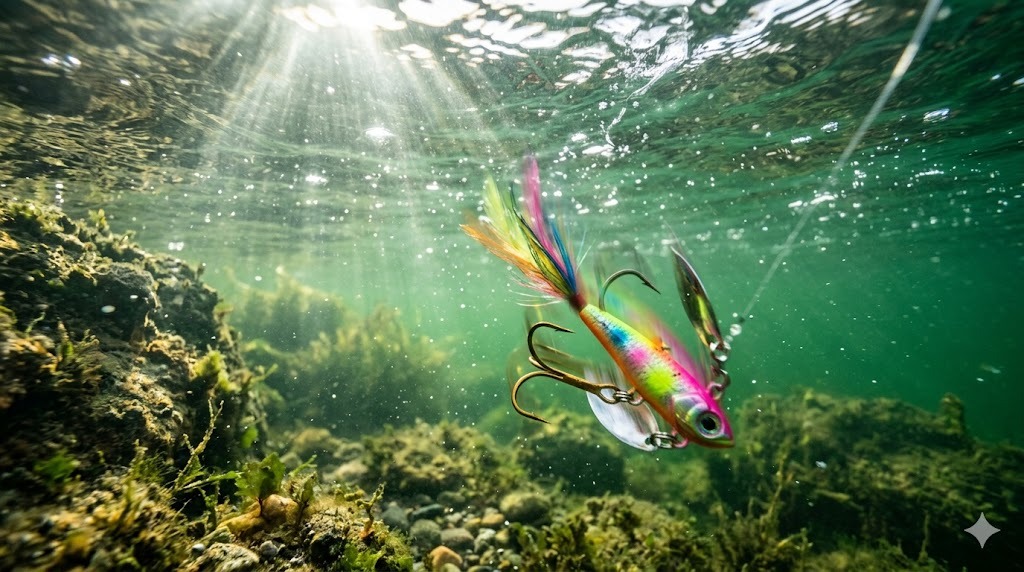
Two approaches dominate. For bait, a high-low bottom rig or a single-hook rig with a heavy bank sinker (often 8 ounces to a pound or more, sized to hold bottom in the current) presents clam, squid, or cut bait on the bottom. For jigging, a heavy diamond or cod jig of several ounces, often with a teaser hook or soft-plastic tail above it, is dropped to the bottom and worked with lifts. Use strong hooks and a tough leader to survive abrasive rock and wreck structure.
Best Baits & Lures
Cod eat a broad menu, so several baits produce. Clams are a classic and deadly cod bait, along with squid, cut fish such as herring and mackerel, and sea worms. Fresh, generous baits fished right on the bottom over hard structure draw steady bites. Because cod hunt by scent and feel as well as sight, a good bait presented near the bottom is reliable in the cold, dim depths they inhabit.
For lures, heavy metal jigs - diamond jigs and dedicated cod jigs - are the mainstay, mimicking baitfish as they flutter and dart. Adding a teaser fly or soft-plastic tail above the jig often out-produces the jig alone and can hook two fish at once. Soft plastics on heavy jigheads also take cod. In all cases, keeping the offering near the bottom, where cod live, is the key.
Techniques - How to Fish for It
Cod fishing is bottom fishing, done by bait or by jig. With bait, drop a baited bottom rig with enough weight to reach and hold the bottom, let the sinker settle, then keep the line taut to feel the bite; when a cod loads the rod, lift firmly and reel steadily to move the fish up and away from snags. With a jig, drop the metal to the bottom, then work it with a rhythmic lift-and-drop - lifting a couple of feet and letting it flutter back down - so the jig and any teaser dance near the bottom where cod feed. Cod bites can be a heavy "thump" or simply added weight, so stay in contact with the bottom and set on anything unusual. Steady pressure, not frantic pumping, wins the fight up from deep water.
Common Mistakes
The most common mistake is losing contact with the bottom - too little weight lets the current sweep the rig up and away from where cod feed, so use enough sinker or a heavy enough jig to stay down. Another is fishing soft, featureless bottom instead of the rocky, broken structure cod relate to. Anglers also jig too fast or too high off the bottom, working the lure above the fish rather than in their zone. Light tackle that cannot lift a heavy cod out of snag-filled structure leads to lost fish and cut-offs. And the costliest mistake of all is ignoring the tight, ever-changing regulations - keeping cod during a closed season or over the limit is a serious error, so always confirm the current rules.
Size, Records & Eating Quality
Atlantic cod grow large and long-lived. A typical keeper caught today might run in the several-pound range, while good fish reach the teens and twenties in pounds, and true trophies are much larger - cod are one of the heavyweights of northern bottom fishing. On the table, cod are the classic white fish: flaky, mild, and lean, the fillet behind countless fish-and-chips dinners, chowders, and baked dishes. Their eating quality and long history are exactly why they were fished so intensely, leading to today's strict management. Because Atlantic cod stocks are heavily managed and rules vary by area and change frequently, always check current size limits, bag limits, and open seasons before keeping any cod.
Pros & Cons (as a target species)
Pros: An iconic, historic species with real prestige; a heavy, deliberate fighter pulled from deep structure; the classic flaky white table fish; catchable by bait or by jig; consistent action once good bottom is found. Cons: Heavily managed with tight, ever-changing seasons and limits; a cold-water fishery often meaning rough weather and offshore runs; requires stout tackle and deep-water bottom fishing; usually needs a boat, party boat, or charter to reach the fish.
Best Suited For
Atlantic cod suit anglers who enjoy cold-weather bottom fishing and the heavy, honest pull of a big groundfish from deep structure. Party-boat and charter anglers are the core of the fishery, since reaching productive bottom usually means a boat and a run offshore. Cod reward those who value both a storied species and an excellent meal of classic white fish. They are less suited to anglers seeking light-tackle finesse or warm, easy conditions. For the angler willing to bundle up and work the bottom - and to follow the strict rules - cod remain a bucket-list catch.
FAQ
Is Atlantic cod good to eat? Yes - cod are the classic white fish, with flaky, mild, lean fillets famous in fish and chips, chowders, and baked dishes.
How do I tell an Atlantic cod from a pollock? Cod have a prominent chin barbel, heavy speckling, and a pale curved lateral line, and they hold near the bottom. Pollock lack the prominent barbel, are darker with a greenish-brown back and silvery sides, and often feed higher in the water column.
Do I need a boat to catch cod? Usually yes. Cod hold over offshore and mid-depth rocky bottom and wrecks, most easily reached by party boats and charters, though cold-month fish sometimes come within reach of shore in the right spots.
What's the best way to catch cod - bait or jig? Both work. Clam, squid, and cut bait on a bottom rig is reliable, while heavy diamond or cod jigs, often with a teaser above, are a favorite active method. Keep either near the bottom.
Why are cod so heavily regulated? Atlantic cod stocks were reduced by decades of intense fishing, so managers now set tight, frequently changing seasons and limits to help them recover. Always check the current local rules before keeping cod.