Atlantic Mackerel
The Atlantic mackerel is a small, fast, gorgeously marked schooling fish that shows up in the cool waters of the Northeast in enormous migrating shoals - and when they arrive, they light up the coast for everyone from kids on a pier to party-boat regulars.
🗓️ Last reviewed: July 2026
Overview
The Atlantic mackerel is a small, fast, gorgeously marked schooling fish that shows up in the cool waters of the Northeast in enormous migrating shoals - and when they arrive, they light up the coast for everyone from kids on a pier to party-boat regulars. Slim, streamlined, and built for constant swimming, mackerel hit small lures and rigs with abandon and can be caught several at a time on a string of hooks. They serve double duty in the angling world: a hard-fighting little gamefish on light tackle and one of the finest live and cut baits in the ocean for striped bass, bluefish, tuna, and more. Rich, oily, and delicious when eaten fresh, the Atlantic mackerel is a springtime staple of Northeast fishing.
Identification & Appearance
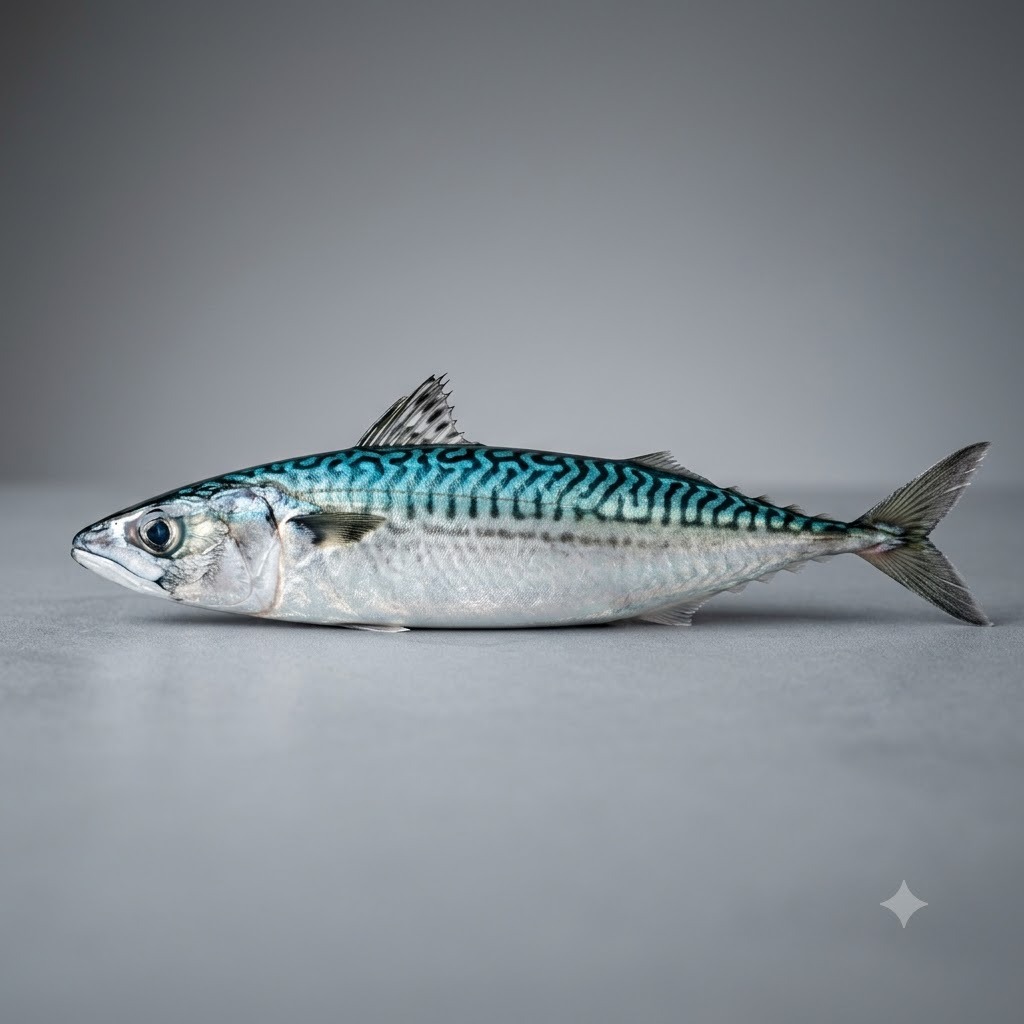
Atlantic mackerel are unmistakable once you have seen one. The body is slender and torpedo-shaped, iridescent blue-green on the back marked with a series of dark, wavy vertical bars, and bright silvery-white below. A row of small finlets runs from the second dorsal and anal fins to the deeply forked tail, and there is no swim bladder, so the fish must keep swimming to stay oriented. The scales are tiny and smooth, giving a sleek, almost metallic sheen. They are small fish - most run well under a foot to a bit over a foot long - with large eyes and a pointed snout that mark them as fast, visual, open-water hunters.
Range & Habitat (US waters - inshore / offshore)
In US waters Atlantic mackerel are a cool-water fish of the Northeast, ranging from the Mid-Atlantic up through New England and into the Gulf of Maine and Canadian waters. They are a migratory, schooling, pelagic species that moves inshore and northward as waters warm in spring, then back offshore and south as they cool.
Mackerel roam the open water column rather than relating to bottom structure. During their spring inshore push they come within easy reach of piers, jetties, harbor mouths, and the near-coastal waters worked by small boats and party boats, sometimes right up against the beach. At other times the schools hold farther offshore and deeper. Because they follow temperature and bait, their exact location shifts week to week, and word of a school arriving spreads fast among local anglers.
Behavior & Feeding
Atlantic mackerel are constant-motion filter-and-chase feeders that hunt plankton, tiny crustaceans, fish eggs, and small baitfish, often streaming through the water in dense, coordinated schools. They feed heavily as they migrate, and a passing shoal can turn the surface to a shimmer of flashing sides. They rely on vision and speed, so they respond eagerly to small, bright, fast-moving offerings and to the flash of a multi-hook rig. When a school is thick, competition drives aggression, and hookups come quickly, frequently two or three at once on a sabiki string. Their schooling instinct is also their vulnerability - find one and you have usually found hundreds.
Best Seasons & Times to Catch
Spring is the classic Atlantic mackerel season in the Northeast, when the great migrating shoals push inshore and northward - timing varies year to year with water temperature, but the run is eagerly awaited by shore and small-boat anglers alike. A secondary showing can occur in fall as fish move back through. During the run, the bite can be strong throughout the day when a school is present, though low-light periods and moving tide often concentrate the action. The essential factor is simply being where the school is: mackerel fishing is feast or famine, red-hot when the shoal arrives and quiet when it moves on.
Where to Find Them - Reading the Water
Because mackerel roam open water, finding the school is the whole game. Watch for flashing, dimpling, or rippling water where a shoal is near the surface, and for diving terns and gulls picking at bait pushed up by feeding fish. Harbor mouths, jetty tips, pier ends, and channel edges where current funnels bait are reliable spring hotspots. On a boat, a sounder marking dense clouds of fish in the water column points you straight to them. Local reports matter enormously here - when the mackerel "show up" at a well-known pier or ledge, the news travels fast, and following it is often the quickest route to a fast bite.
Tackle & Rigs
Light tackle is all you need and all the fun. A light spinning rod of 6 to 7 feet with a small reel, spooled with 6- to 15-pound line, handles mackerel beautifully and makes the little fish feel like a proper gamefish. Because they are small and not leader-shy, terminal tackle stays simple.
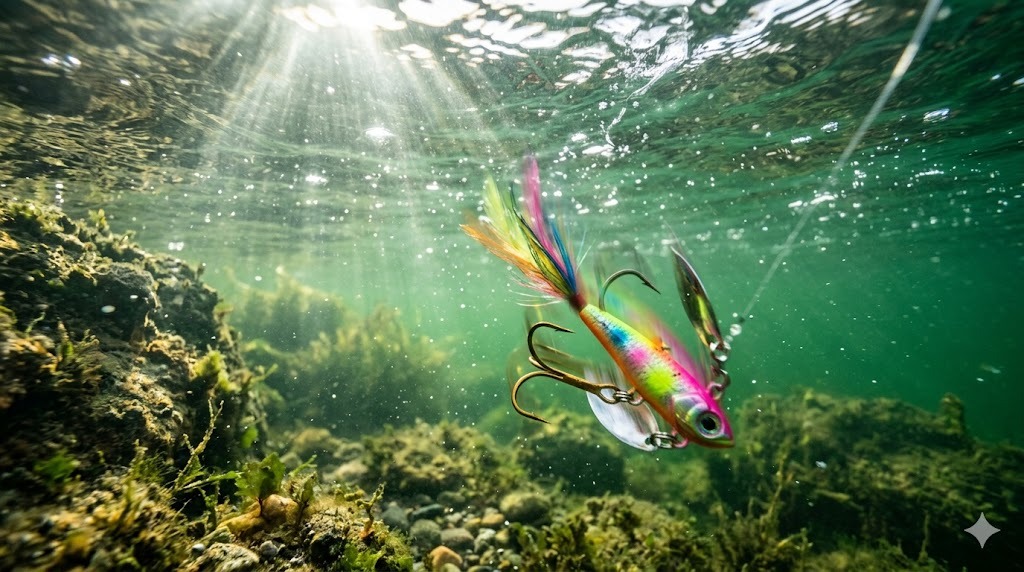
The signature mackerel rig is the sabiki - a string of several small, shiny, feathered or skinned hooks tied to a mainline with a weight at the bottom. Dropped into a school and jigged, a sabiki often loads up with multiple fish at once. For casting, small metal jigs, diamond jigs, and tiny spoons on a light leader let you reach and cover water from shore. When targeting mackerel purely as bait to be kept lively, a sabiki dropped straight down and lifted gently keeps them in good shape.
Best Baits & Lures
Atlantic mackerel are drawn to small, bright, fast-moving offerings that imitate the tiny bait and flash they key on. Small metal jigs and spoons, diamond jigs, and slim casting lures produce well, especially when retrieved quickly with an erratic action. The sabiki rig, with its cluster of small flashy hooks, is the most efficient tool of all and the standard for filling a bait tank in a hurry.
Natural bait is rarely necessary, but a tiny strip of mackerel or a bit of bait tipped on a sabiki hook can sweeten the deal on a slow day. The key across the board is small - match the little baitfish and plankton the school is feeding on, and keep the offering moving.
Techniques - How to Fish for It
Mackerel fishing is straightforward and productive once you are on fish. From shore, cast a small metal jig or spoon into or ahead of a visible school and retrieve fast with occasional twitches, or work a sabiki rig with a casting weight, letting it sink and jigging it back with sharp lifts. From a boat, drop a sabiki straight down into a marked school and jig it with a steady up-and-down rhythm - hits come fast, and it is common to bring up several fish at once. When you feel the first tap, keep jigging a moment to let additional fish grab the other hooks before reeling up. If you are catching mackerel for bait, handle them gently and get them into a lively well quickly, since fresh, lively mackerel are worth their weight to a striper or tuna angler.
Common Mistakes
The biggest mistake is fishing too heavy - oversized lures and hooks turn off a fish keyed on tiny bait, so downsize your offerings. Retrieving too slowly is another; mackerel want a quick, darting motion. Anglers also waste time blind-casting empty water instead of hunting the school - watching for birds, surface flashes, and reading the sounder puts you on fish far faster. When using mackerel for bait, roughly handling them or letting them overheat kills their liveliness and their value. And on the table, the classic error is letting these oily fish sit warm; mackerel are best bled and iced quickly and eaten fresh, as their rich flesh does not keep well.
Size, Records & Eating Quality
Atlantic mackerel are small fish - most caught by anglers run well under a foot to somewhat over a foot in length. What they lack in size they make up in numbers, fight, and utility. As table fare they are rich and oily with a full flavor, excellent grilled, broiled, smoked, or pan-fried when eaten fresh; because of their high oil content they are best cooked soon after catching rather than stored long. They are equally famous as bait - lively or cut mackerel is a premium offering for striped bass, bluefish, tuna, and other predators. Fishery regulations for Atlantic mackerel are managed federally and can include limits, so check current federal and state rules before keeping a large catch.
Pros & Cons (as a target species)
Pros: Abundant and catchable in numbers, often several at a time; accessible from shore, piers, and small boats; simple, cheap light tackle; hard-fighting for their size; superb fresh eating and premium bait for larger gamefish. Cons: Feast-or-famine availability tied to migrating schools; small size means limited fillet yield; oily flesh spoils quickly without prompt icing; must locate the roving school to score; strongly seasonal in the Northeast.
Best Suited For
Atlantic mackerel are a perfect species for beginners, families, and shore anglers - easy to catch in numbers, requiring only simple light tackle, and delivering fast action that keeps kids and newcomers hooked. They also serve the serious gamefish angler as a bait-gathering target, since a livewell of fresh mackerel opens the door to striped bass, bluefish, and tuna. In short, mackerel reward everyone from a first-timer on a pier to a striper hunter filling the bait tank at dawn.
FAQ
Are Atlantic mackerel good to eat? Yes - they are rich and flavorful, excellent grilled, broiled, smoked, or fried when fresh. Because they are oily, bleed and ice them promptly and eat them soon after catching.
Is Atlantic mackerel the same as king mackerel? No. Atlantic mackerel is a small, cool-water Northeast baitfish and gamefish, a different and much smaller fish than the large, warm-water king mackerel of the Southeast.
What is a sabiki rig? A rig with several small, shiny, feathered hooks on one line and a weight at the bottom. Dropped into a mackerel school and jigged, it often catches multiple fish at once, making it the go-to for filling a bait tank fast.
When do mackerel show up in the Northeast? Mainly in spring, when migrating shoals push inshore and northward, with timing varying year to year by water temperature; a secondary run can occur in fall.
Do I need a boat to catch Atlantic mackerel? No. During the spring run they come within reach of piers, jetties, and harbor mouths, so shore anglers do very well - though a boat with a sounder helps you chase roving schools.