Blackfin Tuna
The blackfin tuna is the smallest member of the true tuna family and, pound for pound, one of the hardest-fighting fish an angler can hook offshore.
🗓️ Last reviewed: July 2026
Overview
The blackfin tuna is the smallest member of the true tuna family and, pound for pound, one of the hardest-fighting fish an angler can hook offshore. Endemic to the western Atlantic, this compact, bullet-shaped speedster punches far above its weight, peeling line in short, dogged, drag-screaming circles that feel like a fish twice its size. Blackfin are the everyman's tuna - reachable on a moderate offshore run, catchable on lighter tackle than their giant cousins, and superb on the table when bled and iced fresh. For anglers along the southeastern US and the Gulf, a school of feeding blackfin over a reef edge or a rip means fast, furious action and some of the best sashimi in the sea.
Identification & Appearance
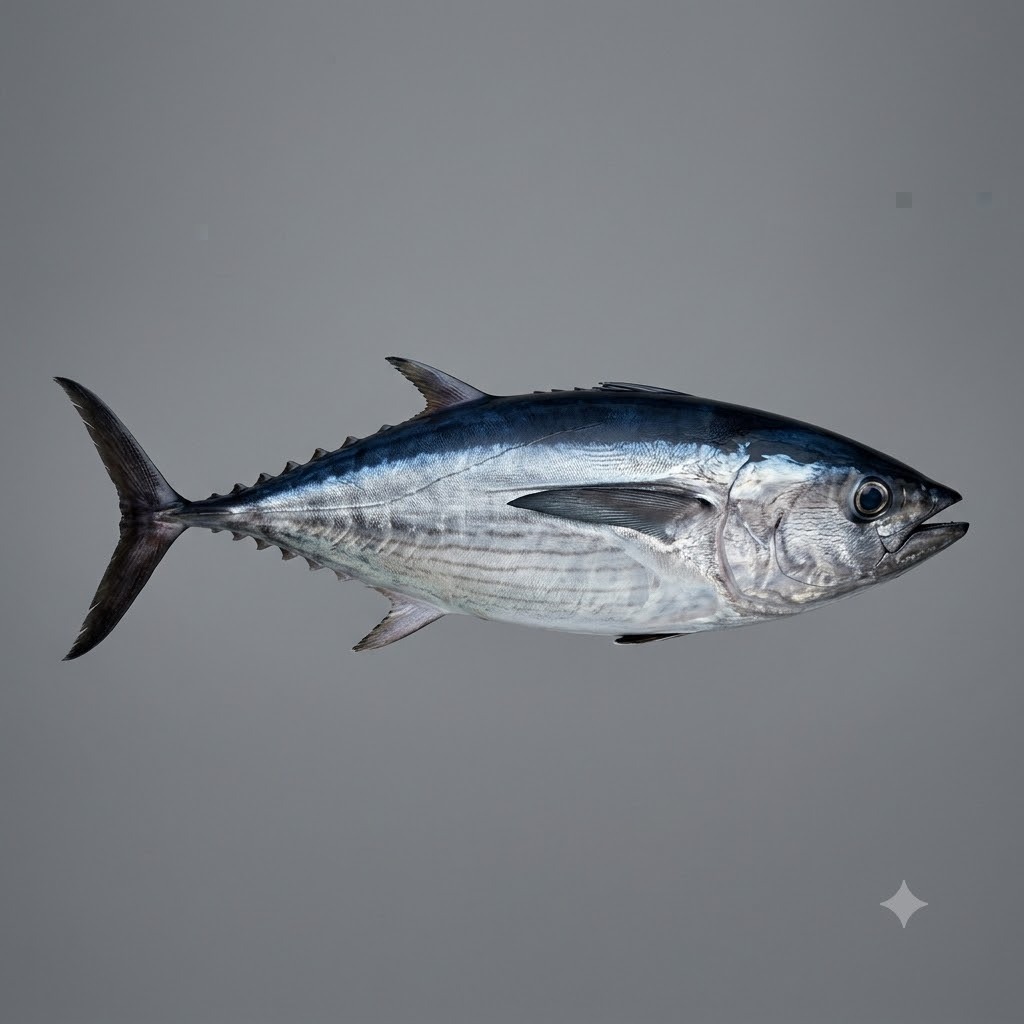
Blackfin tuna are small, football-shaped, and built for speed. The back is dark blue to nearly black, the flanks silvery, and there is often a faint bronze or gold band along the side. The finlets running from the second dorsal and anal fins to the tail are uniformly dark - a key detail that separates blackfin from little tunny and skipjack, which show yellowish finlets. The pectoral fins are moderate in length. Their eyes are relatively large, and the whole fish has the clean, muscular, torpedo profile of a true Thunnus tuna in miniature. Adults typically measure a couple of feet and rarely exceed the low double digits in pounds, making them noticeably smaller than yellowfin or bluefin.
Range & Habitat (US waters - inshore / offshore)
Blackfin tuna are a warm-water western Atlantic species, ranging from the Carolinas south through Florida and throughout the Gulf of Mexico, with the Florida Keys and the Gulf being strongholds. They favor warm blue water and are strongly tied to structure and current.
This is an offshore fish, but often a relatively accessible one. Blackfin school over reef edges, ledges, humps, wrecks, and along current rips and temperature breaks, frequently within a reasonable run of the inlet - sometimes in a couple hundred feet of water rather than far out in the deep blue. They relate to the same bait-rich edges that hold other pelagics and are commonly found near floating structure and around offshore oil platforms in the Gulf. A safe, seaworthy boat and open-water conditions remain part of the equation.
Behavior & Feeding
Blackfin are fast, aggressive schooling predators that hunt small baitfish, squid, and crustaceans, often crashing bait at or near the surface in showering, frothing frenzies. They feed heavily in low light and around moving current, using speed and numbers to corral prey. When a school lights up on the surface you will often see fish skyrocketing and bait scattering, sometimes with birds working overhead. They can also feed deeper, hanging over structure and picking off bait in the water column, which is why jigging and chunking down deep produces when there is no surface show. Like all tuna they are relentless once hooked, fighting in tight, powerful circles rather than long straight runs.
Best Seasons & Times to Catch
Blackfin can be caught much of the year in the warmer parts of their range, but action peaks when water temperatures and bait are right - often through the cooler months and into spring off south Florida and the Keys, and through the warm season elsewhere. Dawn and dusk are prime, as blackfin feed hard in low light. Moving current is a major trigger; slack water often shuts the bite down. A good rip, a clean color change, or bait stacked on a hump at first light is the classic recipe for a hot blackfin morning.
Where to Find Them - Reading the Water
Focus on structure and edges. Reef ledges, offshore humps, wrecks, and the drop-off along the shelf all concentrate blackfin. Look for current rips, weed lines, temperature breaks, and clean blue water pushing against greener inshore water. Diving birds, showering bait, and surface-busting fish are dead giveaways of a feeding school. A quality sounder earns its keep here - marks of bait and arches stacked over a hump or ledge tell you fish are present even when nothing shows on top. Once you find one school, work the area, because blackfin travel in numbers and the action can come in bursts.
Tackle & Rigs
Because blackfin are small but ferociously strong, medium spinning or conventional gear in the 20- to 40-pound class hits the sweet spot - heavy enough to land them, light enough for sport. A 7-foot medium-heavy rod, a reel with a smooth drag and plenty of line capacity, 20- to 40-pound braid or mono, and a length of fluorocarbon leader make a versatile setup. Blackfin can be leader-shy in clear water, so a lighter fluorocarbon leader of roughly 30 to 50 pounds often draws more bites than heavy wire or thick mono.
For chunking, a simple leader to a single hook buried in a bait chunk drifts naturally in the slick. For jigging, tie straight to a speed or knife jig with a short leader. For trolling small lures and skirted baits, standard offshore leader rigs apply. Keep hooks sharp and matched to the bait size - blackfin have good eyes and can refuse a clumsy presentation.
Best Baits & Lures
Blackfin respond to both natural bait and artificials. For chunking, cut pieces of sardine, herring, or other oily baitfish drifted in a chum slick are deadly. Live baits - pilchards, threadfins, small goggle-eyes - fished in a slick or slow-trolled draw explosive strikes. Small squid and strip baits also work.
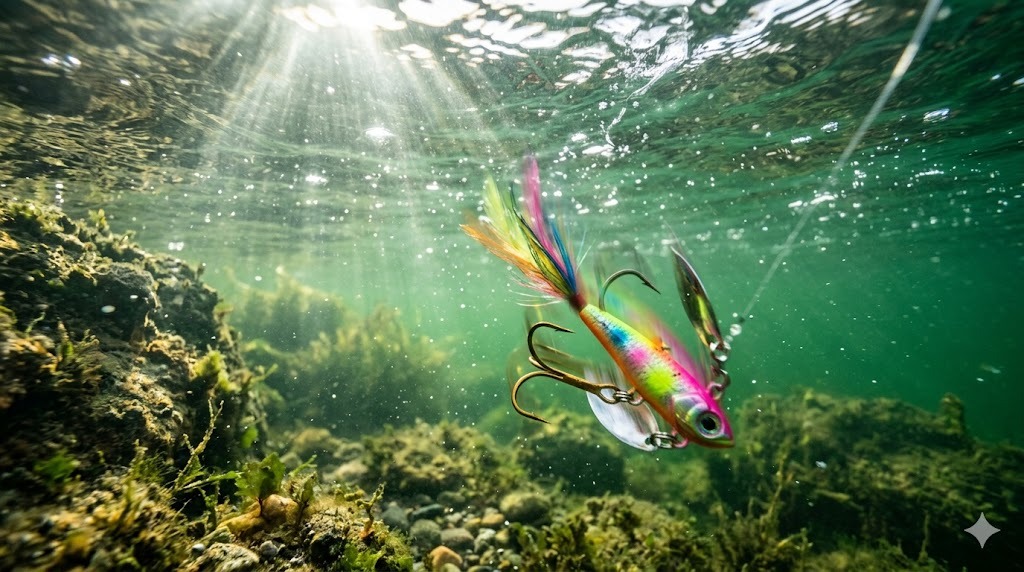
Among lures, metal jigs and speed jigs worked vertically over structure excel when fish are deep or not showing on top. Small trolling lures, feathers, cedar plugs, and skirted ballyhoo run at a good clip raise blackfin along rips and edges. When a school is busting on top, small casting jigs, metal spoons, and surface plugs pitched into the frenzy get crushed. Match the size of your offering to the small baitfish blackfin are feeding on.
Techniques - How to Fish for It
Three methods cover most blackfin fishing. Chunking is a favorite: anchor or drift over structure, put out a steady chum slick of small cut bait, and drift weighted or unweighted chunks back into the slick on light leader, letting them sink naturally until a fish inhales one. Vertical jigging shines when fish hold deep - drop a speed jig to the marks and rip it back up through the school with sharp, rhythmic lifts. Trolling small lures and skirted baits along rips and over humps covers water and locates schools, after which you can stop and chunk or jig. When blackfin bust the surface, ease within casting range and pitch a small jig or spoon into the fray. In every case, once hooked, keep steady pressure, let the drag do the work through their circling runs, and be ready for a stubborn, powerful fight to the boat.
Common Mistakes
A frequent error is fishing leader that is too heavy - blackfin have sharp eyes and clear-water schools will ignore a thick, stiff leader. Another is running and gunning through a busting school with the big motor, which puts the fish down; ease in and cast rather than driving over them. Chunking with an inconsistent slick lets fish drift off, so keep the chum steady and your hook chunks matching the free ones. On the eating side, the biggest mistake is not bleeding and icing the fish immediately - blackfin flesh degrades fast when left to warm, turning superb sashimi into mush. Finally, tightening the drag too hard on such a hard-pulling fish leads to pulled hooks and popped leaders.
Size, Records & Eating Quality
Blackfin are the smallest true tuna. A typical fish runs a couple of feet and single digits to low double digits in pounds, and even a modest one fights like a much larger fish. Their table quality is outstanding: bled and iced immediately, blackfin yield deep red, clean, rich meat that is prized as sashimi and sushi, and is also excellent seared, grilled, or blackened. The key is handling - bleed the fish at once and get it cold. Regulations for tuna are managed federally under Highly Migratory Species rules and can include permits and limits, so always check current federal and state regulations before keeping fish.
Pros & Cons (as a target species)
Pros: Explosive, pound-for-pound fighter; accessible offshore on relatively light tackle; often found near reachable reefs, humps, and structure; superb eating as sashimi when bled fresh; schools mean fast, repeated action. Cons: Requires a seaworthy offshore boat and good conditions; can be leader-shy and finicky in clear water; bite is strongly tied to current and low light; flesh spoils quickly without immediate bleeding and icing; smaller size than glamour tunas may disappoint size-chasers.
Best Suited For
Blackfin tuna are ideal for anglers stepping into offshore fishing who want an attainable, hard-fighting tuna without the extreme runs, heavy gear, and long trips that bigger tunas demand. They reward light-tackle skill, good boat handling around a busting school, and clean fish care for the table. Whether you love the tug of a screaming drag or the reward of fresh sashimi at the dock, blackfin deliver both in a compact, accessible package.
FAQ
Are blackfin tuna good to eat? Yes - when bled and iced immediately, blackfin are excellent, with rich red meat prized for sashimi and sushi and great seared or grilled. Poor handling ruins them, so cool them fast.
How big do blackfin tuna get? They are the smallest true tuna, typically a couple of feet long and up to the low double digits in pounds, yet they fight far harder than their size suggests.
How do you tell a blackfin from a little tunny or skipjack? Blackfin have uniformly dark finlets, while little tunny and skipjack show yellowish finlets; blackfin also lack the wavy back markings of little tunny and the belly stripes of skipjack.
What's the best way to catch blackfin? Chunking over structure with a steady chum slick, vertical jigging deep marks, and trolling small lures along rips are the top methods - all on lighter leader, since blackfin are line-shy.
Do I need to go far offshore for blackfin? Not always. Blackfin often hold over reef edges, humps, and wrecks within a reasonable run of the inlet, sometimes in a couple hundred feet of water, though a seaworthy boat and safe conditions are still required.