Bonnethead Shark
The bonnethead is the friendly little cousin of the hammerhead family - a small, shovel-headed shark that patrols the shallow flats, bays, and estuaries of the warm US coasts.
🗓️ Last reviewed: July 2026
Overview
The bonnethead is the friendly little cousin of the hammerhead family - a small, shovel-headed shark that patrols the shallow flats, bays, and estuaries of the warm US coasts. Rarely more than a few feet long, it is a perfect light-tackle target: sporty, abundant in the right season, and a genuine thrill for anglers who want the excitement of catching a shark without needing heavy offshore gear. Bonnetheads cruise skinny water hunting crabs and shrimp, which makes them a favorite of flats and bay anglers, waders, kayakers, and shore casters alike. They pull hard for their size, dash across the shallows when hooked, and offer a fun, accessible saltwater experience. Handled with care and respect for the rules, the bonnethead is one of the most enjoyable inshore sharks to chase.
Identification & Appearance
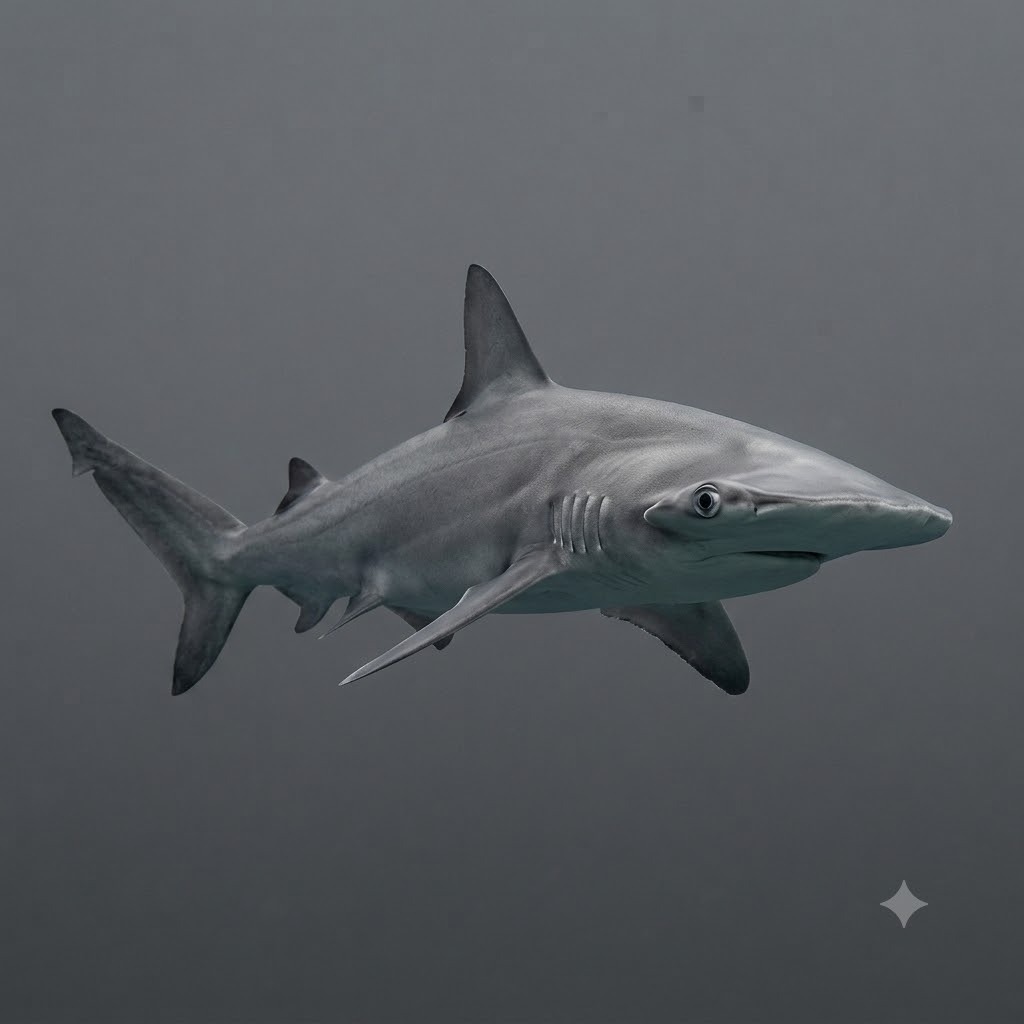
The bonnethead is instantly recognizable by its head: a smooth, rounded, shovel- or spade-shaped extension rather than the wide, straight-edged "hammer" of larger hammerheads. This gives it the nickname "shovelhead." The body is slender and gray to grayish-brown on top, fading to a pale or whitish belly, and the fins are typical shark shape. It is small as sharks go, and the rounded head is the clean giveaway that separates it from every other shark on the flat. Its eyes sit at the outer edges of the rounded head, and its mouth holds small teeth suited to crushing crabs and shellfish rather than tearing large prey. Overall it looks like a miniature, gentle-featured hammerhead - unmistakable once you have seen the shovel-shaped head.
Range & Habitat (US waters - inshore / offshore)
Bonnetheads are a warm-water inshore shark of the US Atlantic and Gulf coasts, common from the Carolinas around Florida and throughout the Gulf of Mexico to Texas, with fish following warm water seasonally.
They are strongly tied to shallow inshore habitats: grass flats, sandy bays, estuaries, tidal creeks, mangrove shorelines, channels, and the edges of oyster and shell bottom. They love skinny water where crabs and shrimp are abundant, often cruising in just a few feet of water where anglers can sight-fish them. They tend to move into the shallow flats and bays as the water warms and follow the seasonal warmth along the coast. Because they hunt in such shallow, accessible water, bonnetheads are within reach of waders, kayakers, small-boat anglers, and shore casters.
Behavior & Feeding
Bonnetheads are active, roving hunters of the shallows with a diet built around crustaceans - blue crabs and other crabs are a staple, along with shrimp, small shellfish, and the occasional small fish. Their small, flattened crushing teeth are made for cracking crab shells. They cruise steadily over the flats, often with the dorsal or tail fin cutting the surface in skinny water, nosing along the bottom for prey. They hunt largely by scent and by sensing prey with the specialized organs spread across that wide head, which is thought to help them detect food buried in the bottom. When they find a crab or shrimp, they home in and grab it. They tend to feed well on moving tide, when current sweeps food across the flats and bay bottoms.
Best Seasons & Times to Catch
Bonnethead fishing is a warm-season pursuit. As the water heats up in late spring, summer, and into early fall, the sharks push onto the flats and into the bays where anglers can reach them, so the warm months are prime. Moving tide is a strong driver: incoming and outgoing water positions crabs and shrimp and switches the sharks on to feed, while dead slack water tends to slow things down. Fishing the flats when the sun is up enough to spot cruising fish makes for exciting sight-fishing, while low-light periods can also produce. As a rule: fish the warm season, work the moving tide over crab-rich flats and bays, and keep an eye out for fins cutting the shallows.
Where to Find Them - Reading the Water
Look for warm, shallow inshore water rich in crabs and shrimp. Grass flats, sandy bay bottoms, the edges of channels, tidal creek mouths, mangrove shorelines, and oyster and shell edges are all prime bonnethead water. On a clear, calm flat you can often sight-fish them, watching for a cruising shark or a fin cutting the surface in skinny water. Moving tide that funnels bait along a channel edge or across a flat concentrates feeding fish. Sandy potholes and the transitions between grass and sand are worth watching, as crabs move along these edges. Because bonnetheads roam actively, scanning the shallows and covering ground - by wading, poling, or drifting - helps you locate cruising fish to cast to.
Tackle & Rigs
Bonnetheads are a light-tackle delight, and heavy shark gear is unnecessary. A medium spinning rod with a 3000-4000 size reel, braided main line, and a suitable leader is plenty for these small sharks. The one specialized touch is the leader: because even a small shark has abrasive skin and teeth, a short length of heavier abrasion-resistant leader - a length of heavy mono or a light wire or single-strand bite section - helps prevent cut-offs.
A simple bottom or fish-finder rig works well: a circle hook on a short heavy leader, with an egg or bank sinker sized to hold the bait on the bottom in the current. Circle hooks are strongly preferred, as they lodge in the corner of the jaw and make for a cleaner, safer release. Keep the rig straightforward, the hook sharp, and the leader tough enough to survive a shark's mouth and skin.
Best Baits & Lures
Since bonnetheads are crab-and-shrimp specialists, natural bait rules. Fresh shrimp is a reliable, easy-to-get bait, and crab - blue crab pieces in particular - is a top choice that matches their favorite prey. Small cut baits of fish also work, since the sharks hunt by scent. A fresh, scented bait fished on the bottom in their path draws them in.
Bonnetheads will occasionally take artificial lures, especially soft plastics and jigs worked slowly along the bottom, and sight-casting a lure to a cruising fish can be exciting. But bait is far more consistent, because these sharks rely heavily on scent to find food. The reliable approach is a piece of shrimp or crab on a circle hook, fished on the bottom where the tide carries the scent to a hunting shark.
Techniques - How to Fish for It
Two approaches shine. The first is sight-fishing: on a clear, calm flat, spot a cruising bonnethead, lead it with a well-placed cast so the bait settles in its path, and let the shark find it by scent - then simply come tight when it eats. The second is bait-soaking on the bottom near a productive edge or channel, letting the scent trail draw fish to you on the moving tide. In both cases, circle hooks do the work: when the shark takes the bait and swims off, keep steady pressure and let the hook find the jaw corner rather than swinging hard. Enjoy the sporty run, but bring the fish in efficiently rather than exhausting it. At the boat or shore, handle with real care - keep hands clear of the mouth, control the fish gently, and release it quickly.
Common Mistakes
A frequent mistake is skipping abrasion protection - a straight light leader gets cut off by a shark's skin and teeth, so a tough leader section is important. Another is over-gunning with heavy shark tackle that spoils the sport; light gear is both more fun and perfectly adequate. Casting right on top of a cruising shark spooks it, so lead the fish instead. Fishing dead slack tide often means slow action. Careless handling is a real error and a safety issue: keep fingers away from the mouth and control the fish properly. And ignoring shark regulations is a serious mistake - shark rules can be strict and specific, so always check current local and federal regulations before targeting or keeping one.
Size, Records & Eating Quality
Bonnetheads are small sharks - most caught by anglers are only a few feet long, making them one of the more manageable sharks to handle on light tackle. They are valued far more as a fun, sporty catch than as table fare, and many anglers release them. Where harvest is legal, some do eat them, but shark meat requires proper handling to be palatable, and many anglers simply prefer catch-and-release for these charismatic little sharks. Importantly, sharks in general are subject to specific and often strict regulations, and rules for handling, size, and harvest vary by location and change over time. Always check the current local and federal shark regulations before targeting bonnetheads, and default to careful catch-and-release when in doubt.
Pros & Cons (as a target species)
Pros: A fun, sporty light-tackle target; abundant in warm inshore shallows; accessible to waders, kayakers, and shore anglers; exciting sight-fishing on the flats; readily takes easy-to-get baits like shrimp and crab; the thrill of catching a shark without heavy gear. Cons: Requires abrasion-resistant leader to avoid cut-offs; must be handled carefully for safety and the fish's welfare; subject to strict and specific shark regulations; a warm-season, tide-dependent fishery; not primarily a table fish, and best released.
Best Suited For
The bonnethead is perfect for anglers who want the excitement of catching a shark on manageable gear. It suits beginners and families supervised by a careful hand, kayak and wading anglers exploring the flats, and light-tackle enthusiasts who love a sporty inshore fight. Sight-fishermen will relish stalking cruising sharks and leading them with a well-placed bait. In short, it is accessible, thrilling shallow-water shark fishing with strong conservation-minded appeal.
FAQ
Are bonnethead sharks dangerous? They are small sharks with crushing teeth built for crabs, not a threat to swimmers, but any shark should be handled carefully - keep hands away from the mouth and control the fish gently on release.
What do bonnetheads eat? Mostly crustaceans - blue crabs and other crabs are a staple, along with shrimp, small shellfish, and occasional small fish. That is why crab and shrimp are top baits.
What tackle do I need? Light gear is plenty: a medium spinning rod, a 3000-4000 reel, braid, and a short abrasion-resistant leader with a circle hook to survive the shark's skin and teeth.
Can I keep a bonnethead? Sometimes, but shark regulations are strict and specific and vary by location. Always check current local and federal rules, and default to careful catch-and-release when unsure.
Why does my leader keep getting cut? A shark's abrasive skin and teeth cut through light straight leader. Add a short length of heavy mono or a light wire bite section to prevent cut-offs.