Gag Grouper
The gag grouper is a bruising, structure-loving reef predator and one of the most sought-after bottom fish on the Southeast and Gulf coasts.
🗓️ Last reviewed: July 2026
Overview
The gag grouper is a bruising, structure-loving reef predator and one of the most sought-after bottom fish on the Southeast and Gulf coasts. Hook a good one and you are in an immediate arm-wrenching tug of war: the gag's first instinct is to bolt straight back into its rocky hole or wreck, and if you give it any slack, it will rock you up and cut you off. That raw, close-quarters fight is exactly why anglers love them, and the reward on the table is just as good - firm, white, mild fillets among the most prized in saltwater. Gags demand stout tackle, but they are catchable from nearshore ledges out to deeper reefs and wrecks. Importantly, grouper are tightly regulated with strict size limits, bag limits, and seasonal openings and closures that vary by region, so knowing and following the current rules is a core part of targeting them.
Identification & Appearance
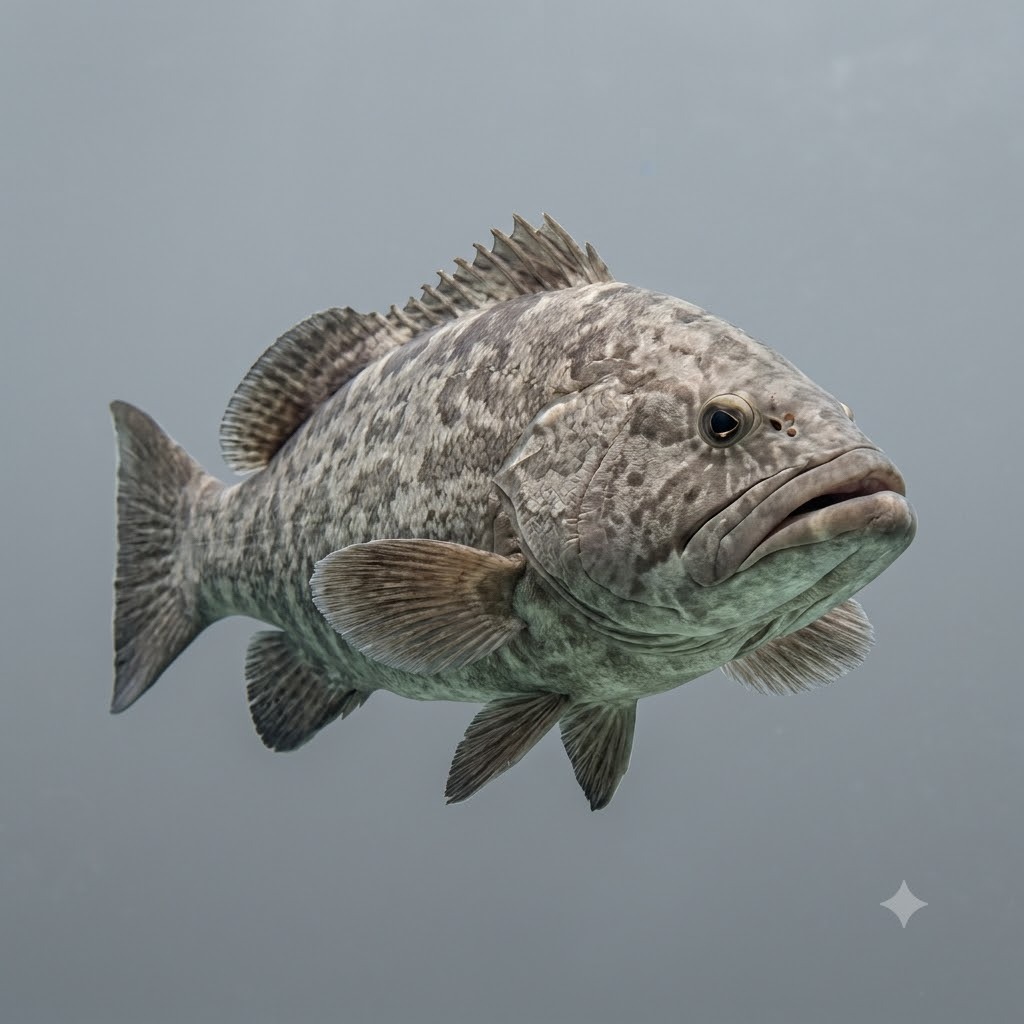
Gag grouper are generally gray to brownish-gray, mottled with darker wavy or marbled markings that can look like faint boxes or worm-tracks along the flanks. The body is robust and elongated for a grouper, with a large head and a big, cavernous mouth built to inhale prey whole. Color shifts with mood and habitat; some fish appear plain gray while others show pronounced marbling, and males can turn dark, almost charcoal, during spawning. Gags are frequently confused with black grouper, and telling the two apart takes attention to fin and tail markings - an identification challenge that matters because regulations can differ between grouper species. Their large mouth, powerful build, and marbled gray coloration are the hallmarks.
Range & Habitat (US waters - inshore / offshore)
Gag grouper are found along the Southeast US Atlantic coast and throughout the Gulf of Mexico, with Florida and the Gulf forming the core of the fishery. Juveniles are often found inshore in estuaries and seagrass beds, while adults move offshore to harder, deeper bottom.
Gags are structure-dependent, holding on rocky ledges, limestone bottom, wrecks, artificial and natural reefs, and any hard relief that offers holes and cover. Nearshore, smaller and medium gags haunt ledges and reefs in moderate depths; larger adults occupy deeper offshore structure. Because they relate so tightly to structure, finding productive bottom - a distinct ledge, a wreck, a rock pile - is most of the battle.
Behavior & Feeding
Gag grouper are ambush predators that lie in wait near their structure and engulf prey with a powerful suction from that big mouth, taking baitfish, smaller reef fish, squid, and crustaceans. The defining behavior for anglers is what happens after the hookup: a gag immediately powers downward toward its rocky lair, and if it reaches the structure it will wedge in and cut the line, so the fight is won or lost in the first few seconds. Gags feed on moving current, positioning to ambush bait swept along the structure, and they can be more active during low light and around tide changes. Bigger fish are warier and hold the best ambush spots.
Best Seasons & Times to Catch
Gag grouper fishing is heavily shaped by regulation, because seasons open and close by region to protect the fish, so the practical "best time" is often whenever the season is open in your area. Biologically, fish can be caught on structure whenever anglers can reach it, with fall often a strong period as gags move and feed, and cooler months sometimes bringing larger fish onto nearshore structure. A moving tide and the low-light periods around dawn and dusk tend to trigger the best bites. Because the open-season windows vary and change, always confirm the current season dates before planning a trip.
Where to Find Them - Reading the Water
It is all about bottom structure. Use a quality sounder to locate ledges, drop-offs, rock piles, wrecks, artificial reefs, and hard bottom that shows relief and, ideally, marks of bait and fish stacked on it. The best spots have holes and cover where a gag can hide and ambush, and structure that sits in current. Nearshore, work rocky ledges and reefs in moderate depths; farther out, target deeper wrecks and reefs. When you mark fish tight to structure, set up so you can present bait right in front of them and, critically, so you can pull a hooked fish up and away from the worst snags.
Tackle & Rigs
Gags demand heavy, no-nonsense tackle because the whole game is turning a powerful fish away from structure before it holes up. A stout medium-heavy to heavy conventional rod paired with a strong reel and solid drag is standard; many anglers use braided main line in the 50-80 lb class for its thin diameter and lack of stretch, joined to a heavy leader. A powerful outfit lets you lock down and lift hard the instant you hook up.
The classic rig is a knocker rig or a fish-finder (Carolina) style rig with a heavy egg or bank sinker sized to hold bottom - often several ounces or more - above a stout leader and a strong hook, frequently a heavy-duty circle hook in the 5/0 to 9/0 range. Keep leaders heavy enough to resist abrasion on rock. For jigging, heavy vertical jigs on strong assist hooks and stout jigging gear also take gags. Everything must be strong, because gags test every knot and component.
Best Baits & Lures
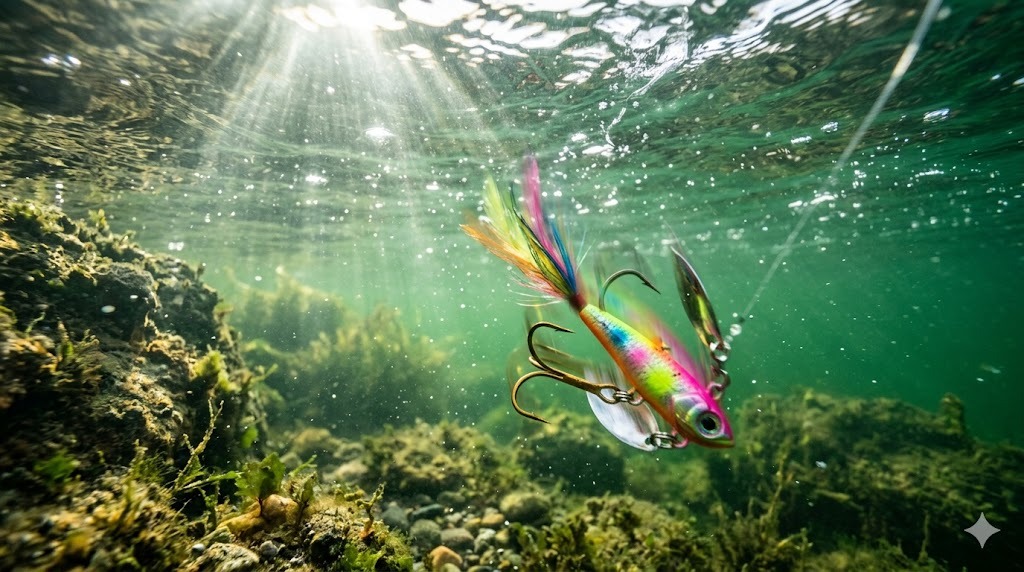
Live bait is the top producer. Lively baitfish such as pinfish, grunts, threadfin, and sardines are excellent presented near the bottom on structure, and large live baits tempt the biggest gags. Fresh cut bait - chunks or strips of squid, sardine, or other fish - also works well and is easier to keep on the hook. For artificials, heavy vertical jigs worked aggressively near the bottom draw reaction strikes, and large bucktails and soft plastics on heavy jigheads produce as well. Get the bait down quickly and be ready for the violent, immediate strike.
Techniques - How to Fish for It
The core technique is simple to describe and hard to execute: get the bait to the bottom near structure, then win the first few seconds. Drop your bait or jig, and the moment a gag eats, lock the drag, keep the rod low, and crank hard to lift it up and away from its hole before it can wedge in - hesitation loses the fish. With circle hooks, let the fish load the rod and come tight rather than swinging wildly, then immediately turn its head. Positioning the boat so you can pull the fish away from the worst snags helps. Jigging means dropping a heavy jig to the bottom and working it with sharp lifts, ready for a savage strike. Strong, immediate, no-give pressure is the whole art of landing gags.
Common Mistakes
The biggest and most costly mistake is fishing too light or giving the fish slack after the hookup; hesitate for even a second and a gag reaches its hole and breaks off, so heavy tackle and immediate lifting are essential. Weak knots, thin leader, or worn line invite cut-offs on sharp structure. Failing to get the bait all the way to the bottom means missing the fish. Another frequent error is not checking the regulations - fishing out of season or keeping undersized or over-limit fish. In short, underestimating a gag's power, and overlooking the rules, are the classic pitfalls.
Size, Records & Eating Quality
Gag grouper grow large, with nearshore fish commonly of solid size and offshore adults reaching heavy, thick-bodied proportions that require real muscle and stout gear to land. On the table, gag grouper are outstanding - the flesh is white, firm, thick, and mild, holding up beautifully to grilling, frying, and blackening, and grouper sandwiches are a coastal institution for good reason. Because grouper are heavily managed, they carry strict minimum size limits, bag limits, and defined open and closed seasons that vary by region and change over time. Always verify and follow the current size, bag, and season rules for your area before keeping any gag grouper, and handle released fish carefully, including proper venting or descending for fish brought up from depth.
Pros & Cons (as a target species)
Pros: Powerful, thrilling close-quarters fight; grows to impressive size; superb firm white table fare; available from nearshore ledges to offshore wrecks; a genuine test of tackle and angling skill. Cons: Requires heavy tackle and physical strength; break-offs are common if you hesitate or fish too light; strictly regulated with size, bag, and seasonal limits that must be checked; identification versus similar groupers can be tricky; deep-caught fish may need venting or descending on release.
Best Suited For
Gag grouper suit anglers who want a hard-pulling bottom fish and are prepared to fish heavy tackle over structure. They are an excellent target for boat anglers with a sounder to find bottom and the technique to horse fish away from snags. Because the fight rewards strength and quick, decisive action, gags favor anglers who like a physical battle rather than finesse, and they reward those who value a top-quality meal. Anyone pursuing gags should be comfortable following strict regulations and practicing careful release of undersized and out-of-season fish.
FAQ
Why do gag grouper break off so easily? A hooked gag immediately powers back toward its rocky hole and wedges in to cut the line. You must use heavy tackle and lift hard immediately to turn it away before it holes up.
Are gag grouper good to eat? Yes, they are excellent. The flesh is white, firm, thick, and mild, and a staple of coastal grouper sandwiches.
What tackle do I need for gag grouper? Stout medium-heavy to heavy conventional gear with a strong drag, heavy braided line, a heavy leader, and strong hooks, so you can lock down and lift the fish away from structure right after the hookup.
Do gag grouper have a closed season? Grouper are managed with open and closed seasons, size limits, and bag limits that vary by region and change over time. Always check the current regulations for your area before targeting or keeping gags.
What is the best bait for gag grouper? Live baitfish such as pinfish, grunts, and sardines are top producers near bottom structure, with fresh cut bait like squid and heavy vertical jigs also working well.