Kelp Bass
The kelp bass, or calico bass, is the signature nearshore gamefish of Southern California's kelp forests, prized for its aggressive strikes and dogged fight in the salad.
🗓️ Last reviewed: July 2026
Overview
The kelp bass, or calico bass, is the signature nearshore gamefish of Southern California's kelp forests, prized for its aggressive strikes and dogged fight in the salad. A staple of West Coast light-tackle fishing, a big "calico" is a coveted trophy.
Identification
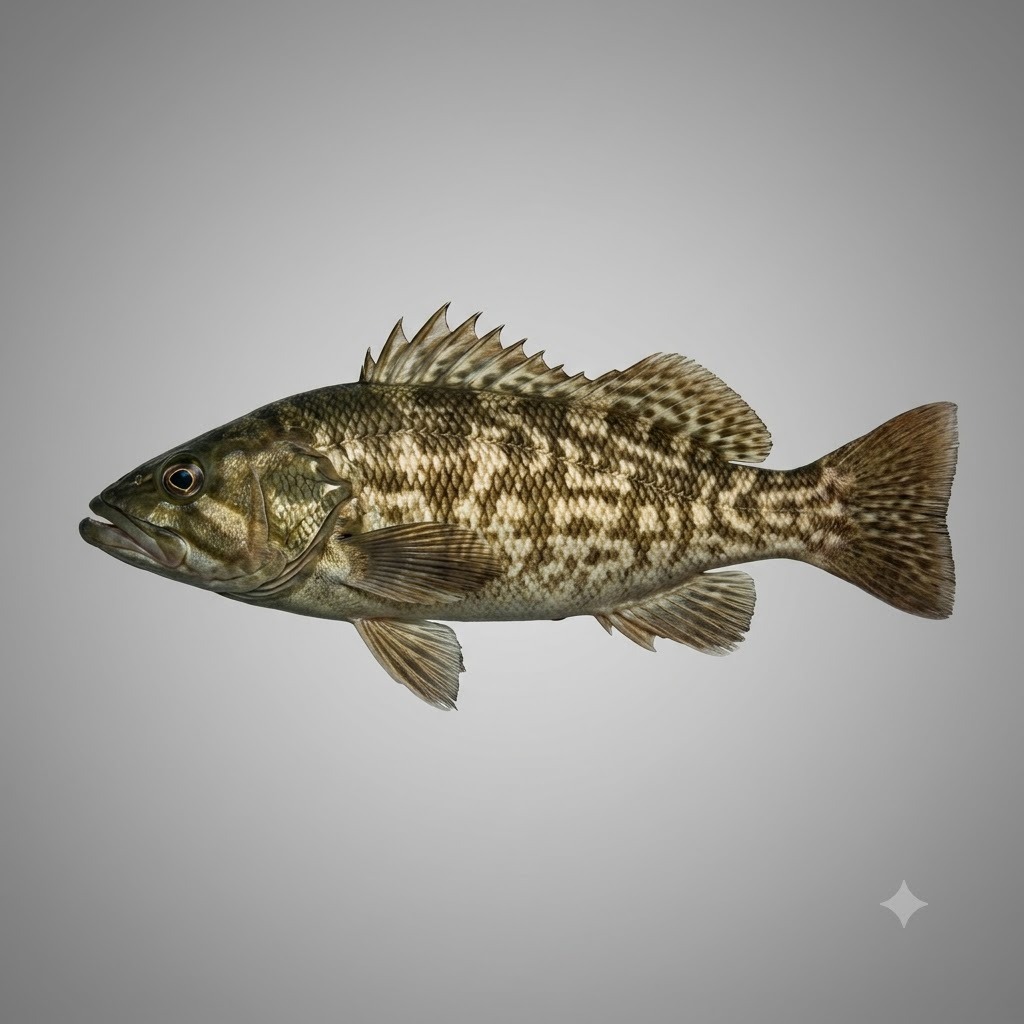
Kelp bass are olive-brown with pale blotches forming a checkerboard "calico" pattern, and a notched dorsal fin. The mottled pattern and kelp habitat distinguish them from the barred sand bass.
Range & Habitat
They live in kelp beds, rocky reefs and structure along the Southern California and Baja coast, holding tight in the kelp and around hard bottom.
Behavior & Diet
Kelp bass ambush small fish, squid and crustaceans from the kelp and rocks, striking hard and diving straight back into cover when hooked.
Best Seasons
Best fishing is the warm months, late spring through fall, when calicos are active and aggressive in the kelp.
How to Catch Them
Cast swimbaits, jigs and live bait such as anchovies and sardines to the kelp edges and holes, and fly-line live bait into the salad; turn them from cover fast.
Tackle & Rigs
Medium spinning or conventional gear, 15-30 lb line, swimbaits, leadhead jigs and live-bait rigs with enough backbone to pull from kelp.
Landing, Handling & Release
Pull them from the kelp quickly and handle gently; many anglers release the larger, slow-growing breeders.
Table Quality
Kelp bass are good eating - mild, white and firm - though releasing big fish helps sustain the fishery.
Common Mistakes
Fishing too light to turn a fish from the kelp and losing them in the cover.
Regulations & Conservation
Managed with size and bag limits in California; big calicos are slow-growing, so release of trophies is encouraged. Confirm current state regulations before keeping fish. We do not give legal advice.
FAQ
Calico or sand bass? Calicos have a mottled checkerboard pattern and love the kelp.
Why release big ones? They grow slowly and are key breeders.