Southern Kingfish / "Whiting"
The fish surf anglers up and down the beaches call "whiting" is not a whiting at all in the true sense, and - importantly - it is not a king mackerel either, despite the "kingfish" name.
🗓️ Last reviewed: July 2026
Overview
The fish surf anglers up and down the beaches call "whiting" is not a whiting at all in the true sense, and - importantly - it is not a king mackerel either, despite the "kingfish" name. It is a small member of the drum family, genus Menticirrhus, that patrols the sandy troughs right along the beach. What it lacks in size it makes up in accessibility and eating quality: whiting bite readily on simple bottom rigs baited with shrimp or sand fleas, they can be caught in numbers by anyone standing on the sand, and their sweet, flaky, mild white fillets are among the best panfish the surf has to offer. For the surfcaster who wants steady action and a delicious dinner without a boat, the humble whiting is a coastal favorite.
Identification & Appearance
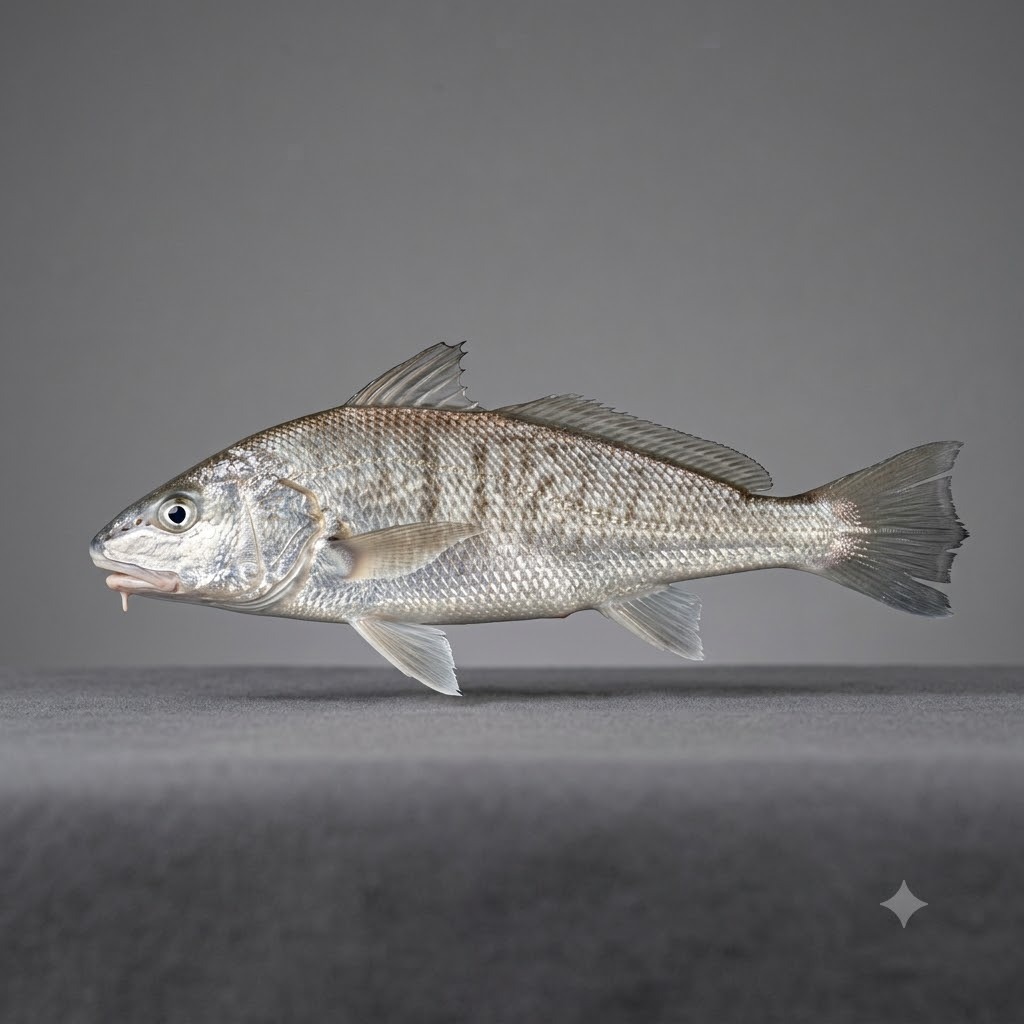
Whiting are small, elongated, silvery drums with a slightly arched back and a subtly downturned mouth suited to feeding on the bottom. The body is a shimmering silver to gray, sometimes with faint diagonal or dusky bars or a bronzy cast depending on species and conditions, fading to a pale belly. A single small barbel sits under the chin - a drum-family trait used to taste and root out prey in the sand. Unlike many drums, whiting do not have the loud "drumming" reputation of their larger cousins, and they lack the tail spot of a redfish. The overall look is a clean, streamlined little surf fish built to nose along the sand for buried food.
Range & Habitat (US waters - inshore / offshore)
Southern and Gulf kingfish range along the sandy Atlantic and Gulf coasts of the southeastern US, common from the Mid-Atlantic beaches down through Florida and around the Gulf of Mexico. They are a fish of open sandy shorelines rather than reefs or deep structure.
This is a quintessential inshore, surf-zone species - no offshore trip required. Whiting hold in the troughs and sloughs right along the beach, in the sandy runnels between sandbars, around the ends of jetties and piers, and in inlets where the bottom is clean sand. They move with the tide, sliding into the shallow trough to feed on a rising tide and dropping back as the water falls. Because they live in the wash at your feet, whiting are one of the most reachable saltwater fish for the shorebound angler.
Behavior & Feeding
Whiting are bottom-feeding scavengers and ambush feeders, using that chin barbel to detect and root out small prey buried in or crawling along the sand. Their diet is dominated by sand fleas (mole crabs), small shrimp, marine worms, tiny crabs, and bits of clam and cut bait tumbling in the surf. They feed by scent and touch as much as sight, which makes them reliable in the churned, sandy water of the surf zone where clearer-water sight feeders struggle. Whiting often travel in loose schools, so a good spot can produce fish after fish. The moving water of a rising tide and the turbulence of the wash stir up their food and switch the bite on.
Best Seasons & Times to Catch
Whiting can be caught through much of the year across the warm Southeast, but many beaches see the best runs in the cooler months and the transitional seasons of spring and fall, when schools move along the sand in numbers. The fishing tends to be best on a moving tide - the incoming and the first of the outgoing often shine - as water floods the trough and tumbles food to waiting fish. Low light early and late can help, but whiting will bite through the day when the tide is right. As with most surf fishing, matching your session to a good tide stage matters far more than the time on the clock.
Where to Find Them - Reading the Water
Reading the beach is the key to whiting. Look for the trough - the deeper, often darker slough of water that runs parallel to the beach between the sand and the first bar - and for cuts or runnels where water drains through a bar, funneling food and fish. Whiting hold in these troughs and along the edges of the wash. A gently sloping beach with a defined trough within casting range is ideal. Watch the water at low tide to map the bars and sloughs before you fish, then target those features as the tide floods them. The area around jetties, pier pilings, and inlet edges over clean sand also concentrates whiting.
Tackle & Rigs
Whiting fishing is simple, inexpensive, and effective. A surf or medium spinning rod of 7 to 10 feet paired with a 3000 to 5000 size reel, spooled with 10- to 20-pound line, lets you reach the trough and handle the fish and the surf. Because whiting are small and not leader-shy, terminal tackle stays basic.
The workhorse is a bottom rig - a double-drop (high-low) rig or a fish-finder rig with a pyramid sinker heavy enough to hold in the current, typically a couple of ounces depending on surf. Small hooks, roughly size 4 to 1/0, matched to the small baits and the whiting's modest mouth, are the standard. A simple pompano-style bottom rig with small hooks and a bit of bright float or bead is a proven whiting producer along many beaches.
Best Baits & Lures
Whiting are firmly a bait fishery. The very best bait is fresh sand fleas (mole crabs) dug from the wash - they are the whiting's natural food and hard to beat. Fresh or peeled shrimp is the everyday standby and catches fish everywhere. Small pieces of clam, cut squid, bloodworms, and cut bait also produce well. The common thread is a small, natural, scent-rich morsel presented on the bottom in the trough.
Artificial lures are rarely used for whiting and are generally far less effective than bait, since these fish hunt by scent and touch along the sand rather than chasing lures. Keep baits small and fresh, re-bait often, and let the surf carry the scent to fish moving through the trough.
Techniques - How to Fish for It
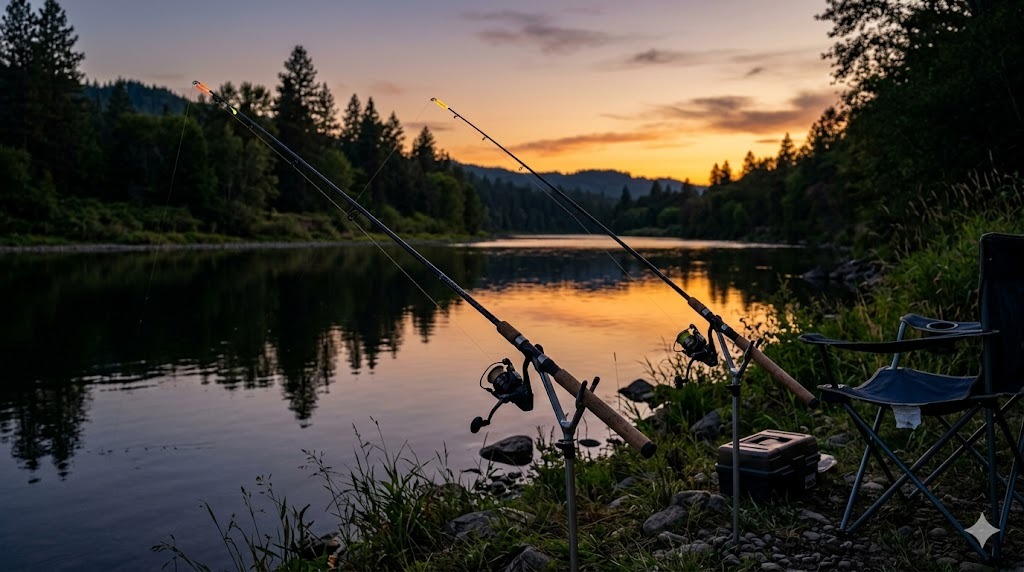
Surf fishing for whiting is refreshingly simple. Rig a bottom rig with small hooks, bait with sand fleas or shrimp, and cast into or just beyond the trough - often that means a modest cast, since the fish are frequently close to the sand. Set the rod in a sand spike or hold it, keep a bit of tension to feel the bite, and wait for the tap-tap of a feeding whiting. When you feel it, a gentle lift to come tight is enough; there is no need to swing hard on such a small-mouthed fish. Move and re-cast to cover the trough until you find the school, then stay on them. Fish the incoming tide, keep baits fresh, and adjust your sinker weight so the rig holds gently in the current without rolling out of the trough.
Common Mistakes
The most common mistake is confusing this fish with king mackerel because of the "kingfish" name - they are completely different fish, and expecting a big pelagic gamefish will only lead to disappointment. On the water, using hooks that are too large is a frequent error; whiting have small mouths and want small hooks. Casting too far, past the trough where the fish actually hold, misses them entirely - often the fish are right in the wash. Letting bait go stale is another mistake, since whiting rely on scent; re-bait frequently with fresh sand fleas or shrimp. Finally, ignoring the tide and fishing a dead low with no water in the trough usually means a slow day.
Size, Records & Eating Quality
Whiting are small fish, typically running from under a foot to a bit over a foot, with larger individuals prized as beach bragging fish. What they lack in size they deliver on the table: whiting have sweet, mild, delicate, flaky white flesh that many surf anglers rank among the very best eating of any inshore fish, superb pan-fried, fried, or baked. They are usually caught in enough numbers to make a fine meal. Because they are a modest-sized panfish, most regions manage them loosely, but bag and size rules can still apply and vary by state, so always check current local regulations before keeping a catch.
Pros & Cons (as a target species)
Pros: Extremely accessible from the beach with no boat needed; simple, cheap bottom-rig tackle; bite readily and often in numbers; excellent sweet, mild eating; reliable in churned surf where other fish struggle; great for beginners and families. Cons: Small size limits fillet yield per fish; strictly a bait fishery with little lure action; bite is tide-dependent; the "kingfish" name causes constant confusion with king mackerel; success depends on reading the beach and finding the trough.
Best Suited For
Whiting are one of the best species for beginners, families, and any surfcaster who wants dependable action and a tasty dinner without a boat or expensive gear. A child with a simple bottom rig and a sand flea can catch them, and a seasoned surf angler can turn a good trough on a rising tide into a cooler of sweet fillets. In short, whiting reward everyone who is willing to read the beach, fish the tide, and keep fresh bait in the wash.
FAQ
Is "whiting" the same as king mackerel? No - this is a critical point. The surf "whiting" or "kingfish" is a small drum of the genus Menticirrhus, an entirely different fish from the large, fast king mackerel. Do not confuse the two.
Is whiting good to eat? Yes - whiting are excellent, with sweet, mild, flaky white meat that many surf anglers rate among the best inshore eating fish, great pan-fried or baked.
What is the best bait for whiting? Fresh sand fleas (mole crabs) dug from the wash are the top bait, with fresh or peeled shrimp a close and reliable second. Small pieces of clam or squid also work.
Do I need a boat to catch whiting? Not at all. Whiting are a classic surf fish caught right from the beach, holding in the trough and wash within easy casting range, making them ideal for shore anglers.
What size hook should I use for whiting? Small hooks, roughly size 4 up to 1/0, match the whiting's small mouth and the small baits used. Oversized hooks lead to missed bites.