Ladyfish
The ladyfish is one of inshore fishing's great underrated thrills - a slender, chrome-bright speedster nicknamed the "poor man's tarpon" for the wild, leaping, drag-screaming fight it puts up on light tackle.
🗓️ Last reviewed: July 2026
Overview
The ladyfish is one of inshore fishing's great underrated thrills - a slender, chrome-bright speedster nicknamed the "poor man's tarpon" for the wild, leaping, drag-screaming fight it puts up on light tackle. Pound for pound, few inshore fish are more acrobatic: hook one and it explodes into jumps, cartwheels, and blistering runs that belie its modest size. Ladyfish are fast, aggressive, and abundant, smashing jigs, spoons, and flies with reckless enthusiasm, which makes them a blast for anglers of every level. There is one honest catch: they are not a food fish, being bony and soft-fleshed, and they slime everything they touch. But as a catch-and-release sportfish - and a source of superb cut bait - the ladyfish delivers nonstop fun.
Identification & Appearance
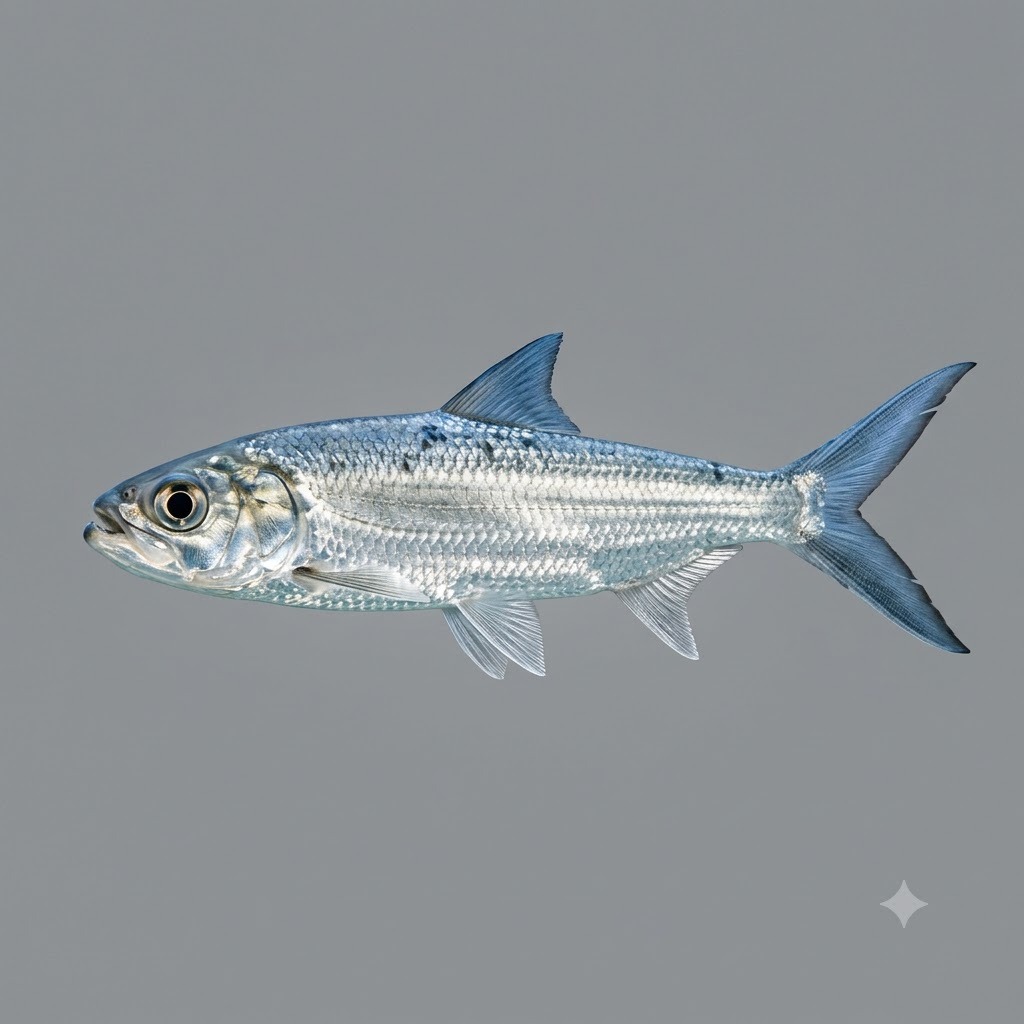
Ladyfish are long, slim, and streamlined, built for speed, with a bright silver, almost mirror-like body and a bluish or greenish back. The scales are small and shiny, giving a polished chrome look, and the eyes are large. The mouth is terminal and the tail deeply forked - all hallmarks of a fast open-water swimmer. They resemble a slender, smaller relative of the tarpon, without the tarpon's massive scales or upturned jaw. Their soft flesh makes them feel fragile in hand, and they are famous for coating everything in slime when handled. That gleaming, torpedo-like silhouette is unmistakable once you have seen one launch into the air on the end of your line.
Range & Habitat (US waters - inshore / offshore)
Ladyfish are found from the Mid-Atlantic south around Florida and throughout the Gulf of Mexico, most abundantly in the warm inshore waters of Florida and the Gulf coast.
This is largely an inshore and nearshore fish. Ladyfish roam bays, estuaries, tidal creeks, passes, beaches, inlets, and mangrove and grass shorelines, often in fast-moving schools that push bait to the surface. They tolerate a wide range of salinity and run into brackish and even near-fresh reaches of coastal rivers. They favor open water near current and bait, and show up around bridges, docks, and lit areas at night. Because they cruise the same waters as trout, snook, and jacks, ladyfish are frequently caught by anglers targeting other species, from shore, pier, kayak, or boat.
Behavior & Feeding
Ladyfish are fast, roving predators that hunt small baitfish and shrimp in open water, frequently in schools. They chase bait aggressively, often driving it to the surface in slashing, splashy feeding frenzies that give away their location. Once feeding, a school will hit almost anything that moves, striking hard and repeatedly. This aggressive, competitive feeding makes them easy and exciting targets: find a working school and you can hook fish on nearly every cast. They feed through the day but are especially active around low light and moving tide, and they gather around lights at night to pick off bait.
Best Seasons & Times to Catch
Ladyfish bite through much of the year in warm inshore waters, with the warmer months producing the fastest action as schools roam the bays and beaches. Moving tide is the key trigger - a strong incoming or outgoing tide concentrates bait and switches the schools on. Early morning and evening low light bring explosive surface feeding, and night fishing around bridge and dock lights can be outstanding as ladyfish gang up in the glow. When you see bait showering the surface or birds working, ladyfish are often the cause. They are most reliable when water temperatures are up and bait is thick.
Where to Find Them - Reading the Water
Look for moving water and active bait. Ladyfish work passes, inlets, channel edges, beaches, tidal creek mouths, and open bay water where current pushes bait. The clearest sign is surface commotion - schools slashing through bait, baitfish showering out of the water, and often birds diving on the same activity. Cast into that chaos and you are almost guaranteed a hookup. Around bridges, docks, and lit structure at night, ladyfish stack in the light lines, so work the shadow edges. They favor current, so fish the tide - creek and pass mouths on a moving tide are classic ladyfish water. Where you find one, you find many.
Tackle & Rigs
Ladyfish are made for light tackle, which is where the fun lives. A 7-foot light or medium spinning rod with a 2500-3500 reel, 8-15 lb braid, and a short 20-30 lb leader is ideal. The leader matters less for the fish's teeth than for surviving their thrashing, jumping fight and the occasional toothier bycatch, since their bony mouths and constant headshaking wear on light line.
Rigs are simple - most ladyfish are caught on lures tied directly to a leader, so a jighead with a soft plastic or a spoon needs no elaborate rig. When using bait, a light jighead or a small hook under a float works fine. Keep everything light and lively; heavy gear robs this fish of everything that makes it fun.
Best Baits & Lures
Ladyfish are eager lure eaters, and artificials are the most fun way to target them. Small jigs with soft-plastic tails are the everyday favorite - cast into feeding schools and retrieved with a steady or hopping action, they draw savage strikes. Shiny spoons flash like fleeing baitfish and are deadly, and small topwater plugs bring explosive surface hits during a frenzy. Baitfish-imitating flies are excellent too, making ladyfish a fantastic light fly-rod target.
Live and cut bait also work - live shrimp or small baitfish under a float will get hammered. In fact, one of the ladyfish's biggest values is as bait itself: their oily flesh makes superb cut bait for redfish, snook, sharks, and other predators.
Techniques - How to Fish for It
The prime technique is casting into feeding schools. When you spot surface activity, cast a jig, spoon, or fly into or just past the commotion and retrieve it quickly - ladyfish key on fleeing bait, so a fast, erratic retrieve triggers strikes. Be ready for an instant, violent hit followed by jumps; keep the rod tip up and maintain steady pressure, but expect to lose some fish to their acrobatics and soft mouths - that is part of the game. Around night lights, cast to the shadow lines. When blind-casting, fan-cast current edges and creek mouths on a moving tide. Handle landed fish with a wet grip and release them quickly, or save them as cut bait.
Common Mistakes
The biggest mistake is expecting a food fish - ladyfish are bony and soft-fleshed, and anglers who keep them for the table are usually disappointed. The smart play is catch-and-release, or saving them as cut bait. Another error is fishing too heavy; ladyfish shine on light tackle, and heavy gear kills the sport. Because their mouths are bony and their fight so acrobatic, many throw the hook on a jump - horsing them in only makes it worse, so keep steady pressure and accept some losses. Anglers also underestimate the slime, ending up with a coated rod and hands; bring a rag. Finally, ignoring the surface signs means missing the fastest action, since finding feeding schools is the whole game.
Size, Records & Eating Quality
Ladyfish are a modest-sized fish, most commonly caught around 1 to 3 pounds and roughly a foot to two feet long, with larger individuals reaching a few pounds - but they fight far above their weight. On the table they are poor: the flesh is soft and very bony, with numerous fine bones that make them frustrating to eat, and they are widely considered not worth keeping for food. Their real value is as sport and bait - the oily, tough flesh makes excellent cut bait. There is generally little harvest pressure or strict regulation on ladyfish given their limited food value, but general saltwater rules can still apply, so check current local regulations before keeping any.
Pros & Cons (as a target species)
Pros: Wildly acrobatic and hard-fighting on light tackle; abundant and eager to bite; accessible from shore, pier, kayak, and boat; great fly-rod and lure target; excellent cut bait for other species. Cons: Poor eating - soft, bony flesh not worth keeping for food; slimes everything it touches; often throws the hook on jumps; not a trophy species by size.
Best Suited For
Ladyfish are perfect for anglers who fish for the fight rather than the fillet - light-tackle and fly enthusiasts, kids and beginners wanting explosive, easy action, and anyone who loves acrobatic strikes and screaming runs. They are also a favorite of anglers who catch them to stock up on premium cut bait. Just come with the right expectation: this is a catch-and-release sportfish and bait source, not a dinner fish. For pure inshore excitement on light gear, few species deliver like the ladyfish.
FAQ
Is ladyfish good to eat? No - ladyfish have soft, very bony flesh and are widely considered not worth keeping for the table. They are best released or used as cut bait.
Why is the ladyfish called the "poor man's tarpon"? Its slim silver body, aggressive strikes, and wild leaping fight resemble a miniature tarpon, giving anglers a taste of that acrobatic battle on light tackle.
Do I need a boat to catch ladyfish? No. They are commonly caught from shore, piers, jetties, and bridges as well as by kayak and boat, especially around passes, inlets, and lit structure at night.
Why do I keep losing ladyfish on the jump? Their bony mouths and wildly acrobatic fight pull hooks free on the leaps. Keep steady pressure, keep the rod bent, and accept that losing some is part of the fun.
What can I do with a ladyfish if I don't eat it? Release it to fight again, or save it as cut bait - ladyfish make excellent cut bait for redfish, snook, sharks, and other predators thanks to their oily flesh.